Understanding number value Worksheets for Ages 4-5
3 filtered results
-
From - To
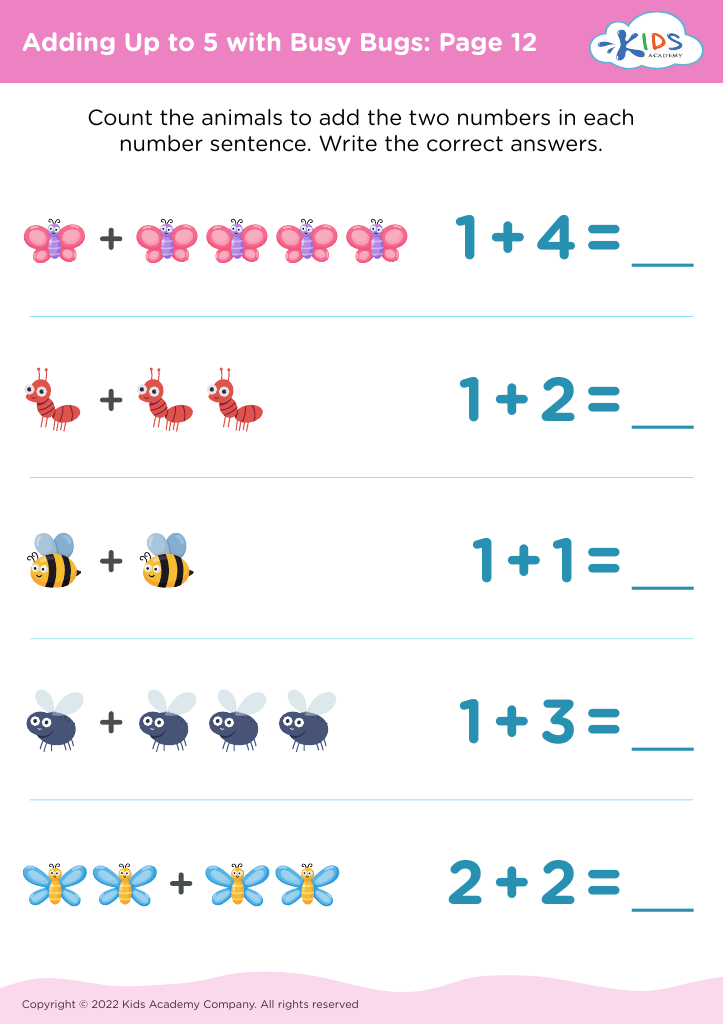
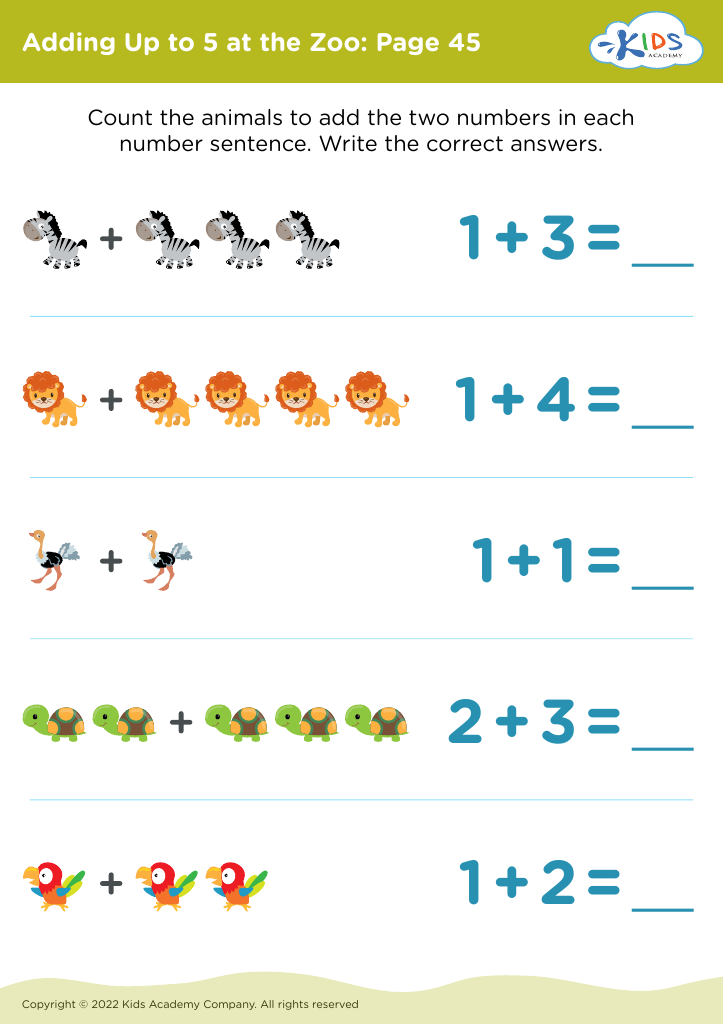
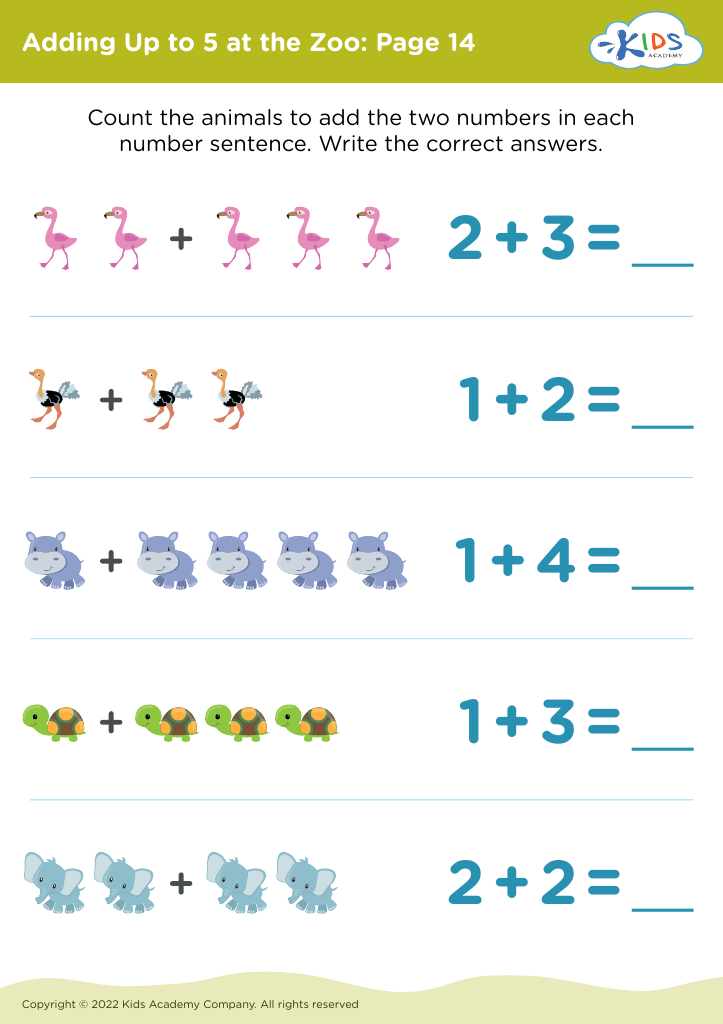
Discover our engaging "Understanding Number Value Worksheets for Ages 4-5" designed to build a solid foundation in early math skills. These fun and interactive worksheets help young learners grasp the concept of number values through colorful illustrations and enjoyable exercises. Perfect for preschool and kindergarten students, these activities promote counting, comparing quantities, and recognizing numbers within a friendly and stimulating environment. Our expertly crafted worksheets are an invaluable teaching tool that supports both classroom and at-home learning, ensuring children develop essential number sense skills as they embark on their educational journey.



.jpg)
.jpg)


Understanding number value is crucial for children aged 4-5 as it sets a solid foundation for their future mathematical learning. At this early stage, comprehending number value goes beyond simple counting; it means recognizing that numbers represent quantities and understanding the concepts of more, less, and equal. This fundamental skill is essential for everyday activities, such as measuring ingredients in cooking, understanding time, and even managing money.
For parents and teachers, fostering this understanding helps children develop critical thinking and problem-solving skills. Early math proficiency is often linked to later academic success, not only in math but also in other subjects. This is because early math skills are predictive of general cognitive development, including language and literacy skills.
Moreover, learning number value promotes cognitive development by encouraging children to recognize patterns, and sequences, and to engage in logical thinking. It boosts self-confidence as children approach more complex mathematical concepts with assurance.
Interactive activities such as counting objects, playing number games, and using visual aids like number lines make learning engaging and effective. By prioritizing these foundational skills, parents and teachers ensure children build a positive attitude towards math, fostering a lifetime of learning and curiosity.








