Visual recognition Worksheets for Ages 4-5
6 filtered results
-
From - To
Discover our engaging Visual Recognition Worksheets designed specifically for children aged 4-5! These expertly crafted resources enhance crucial visual skills through fun and interactive activities. Each worksheet encourages children to identify shapes, colors, and patterns while fostering their observational abilities. By using our printable worksheets, young learners will enjoy activities that stimulate their creativity and critical thinking. Ideal for home or classroom use, our visual recognition worksheets support early childhood development, making learning enjoyable. Join us in nurturing a love of learning as your preschooler embarks on this exciting journey toward visual mastery. Start exploring today!
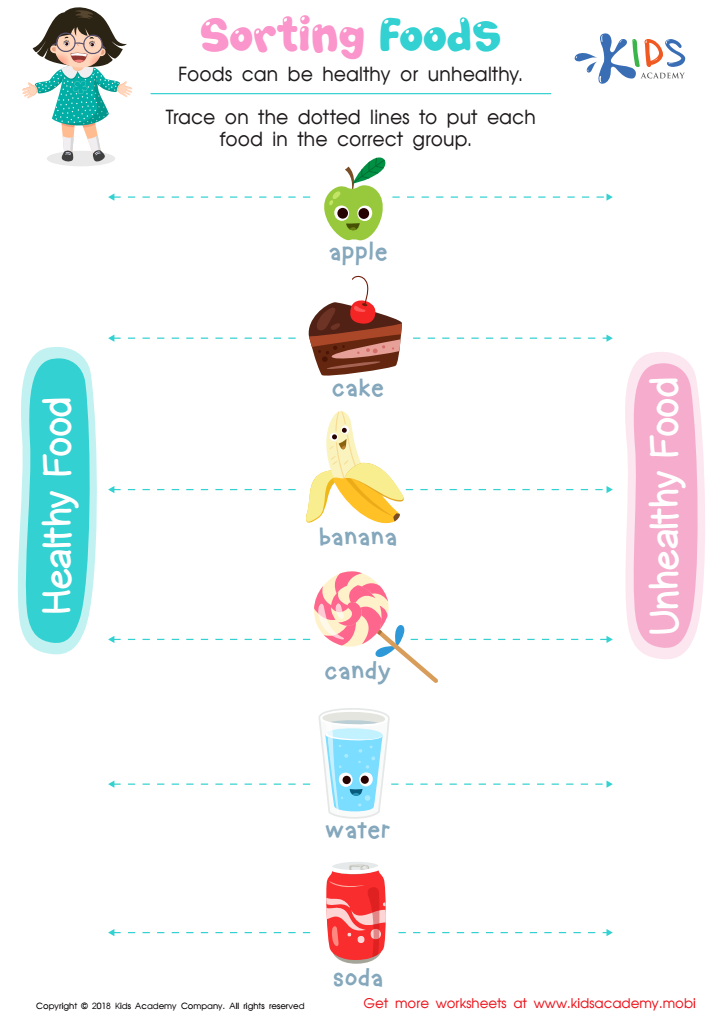
Sorting Food Worksheet
 Assign to My Students
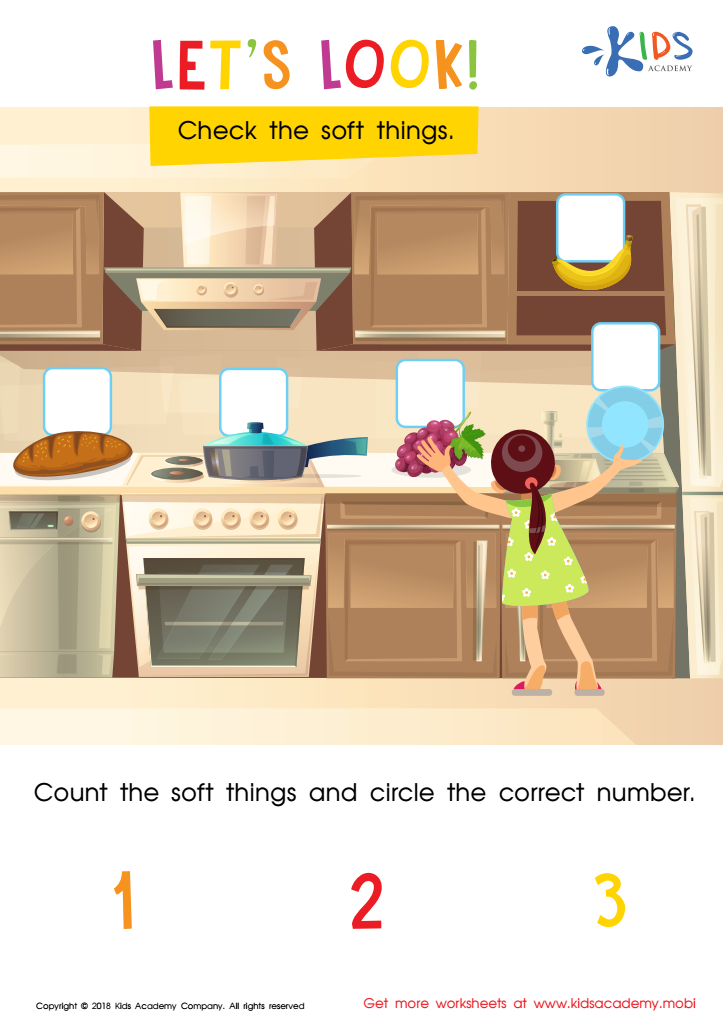
Let's Look! Assessment Worksheet
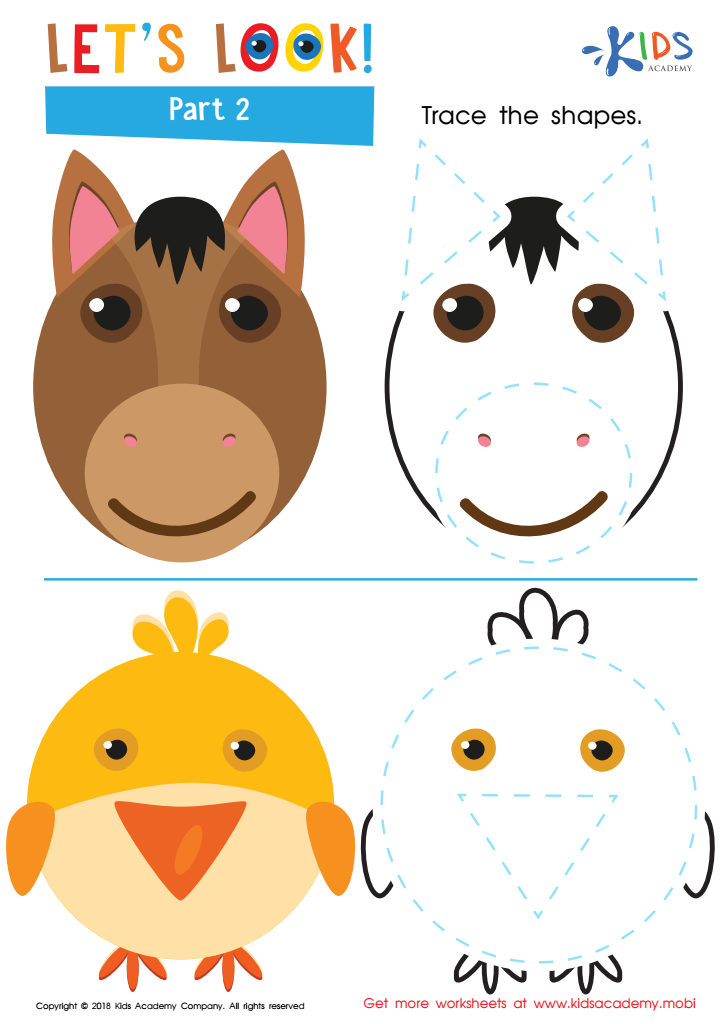
Let's Look! Part 2 Worksheet
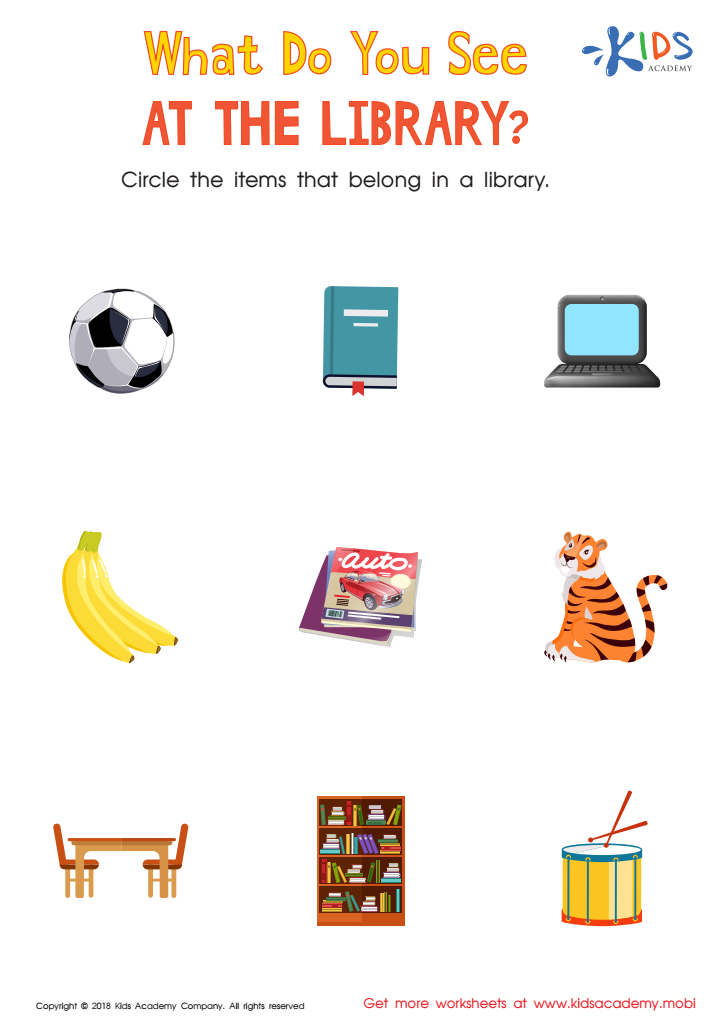
What Do you See at the Library? Worksheet
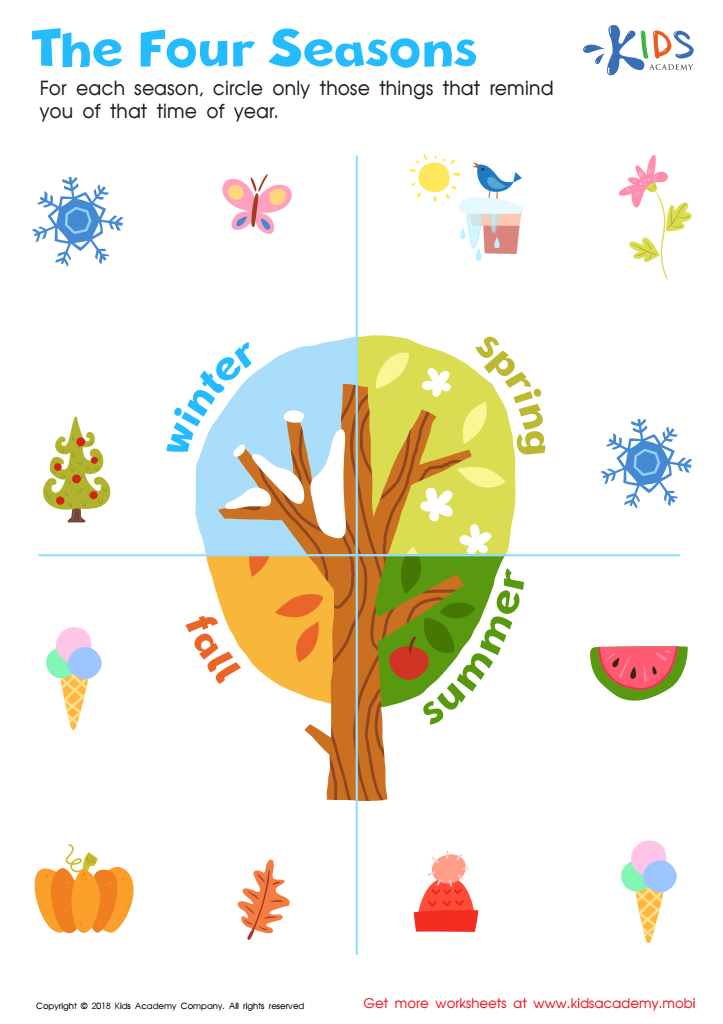
The Four Seasons Worksheet
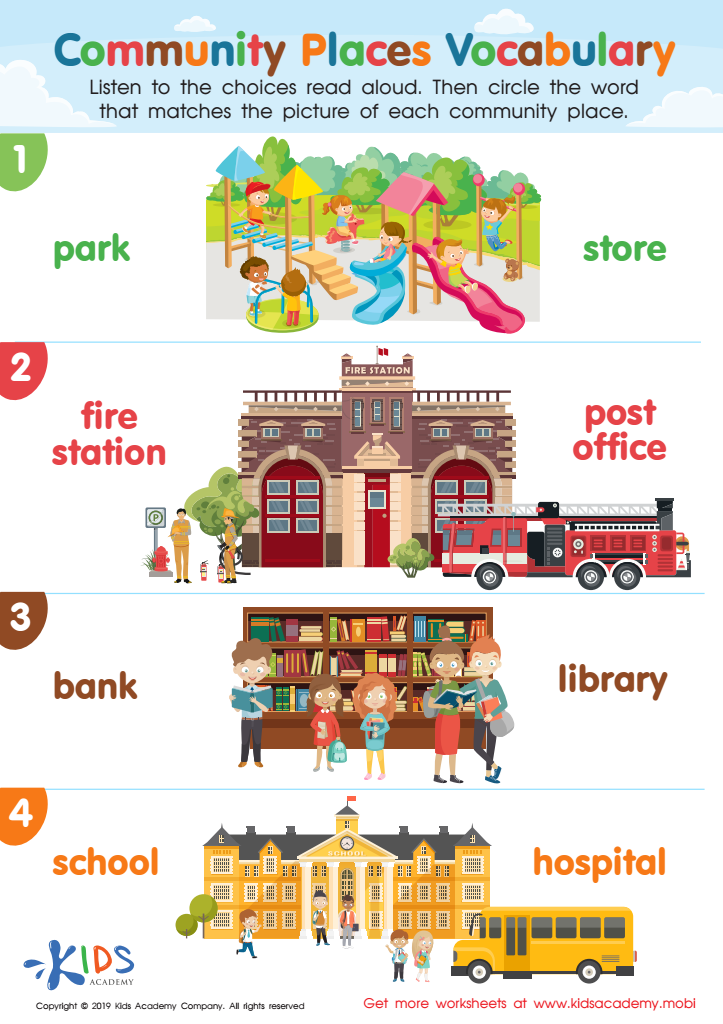
Community Places Vocabulary Worksheet








Visual recognition is crucial for the cognitive and social development of children aged 4-5, making it essential for parents and teachers to prioritize this skill. At this age, children are rapidly developing their literacy and numeracy skills; visual recognition lays the foundation for these abilities. It enables them to identify letters, numbers, and objects, enhancing their reading and mathematical skills.
Moreover, visual recognition supports critical thinking and problem-solving abilities. Children learn to make connections between visuals and concepts, boosting comprehension and retention. Recognizing familiar shapes, colors, and patterns also aids in their understanding of the environment, which is essential for their overall cognitive growth.
Socially, strong visual recognition skills help children navigate their surroundings, interact with peers, and develop emotional intelligence. By recognizing facial expressions and body language, they learn to empathize and communicate effectively.
Parents and teachers play a pivotal role in fostering this skill through engaging activities such as puzzles, memory games, and storytelling with illustrations. By nurturing visual recognition, they contribute to children's readiness for school, enhancing their confidence and enthusiasm for learning, ultimately setting the stage for lifelong academic success.








