Basic math practice Math Worksheets for Ages 4-5
6 filtered results
-
From - To
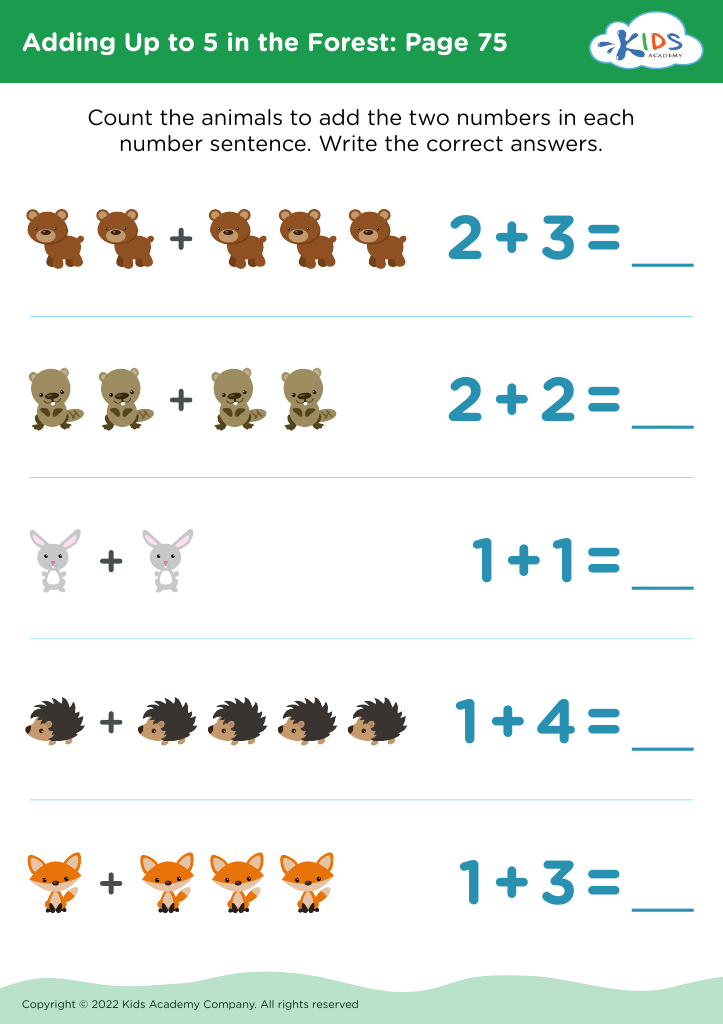
Discover engaging basic math practice worksheets designed specifically for children aged 4-5. These worksheets offer a fun way for young learners to master essential math skills, including number recognition, counting, addition, and subtraction. Each activity is crafted to stimulate early math understanding while keeping little ones entertained. Our colorful, interactive worksheets encourage kids to practice identifying numbers, solving simple math problems, and developing a strong foundation for future success. Ideal for both classroom and home use, this comprehensive collection supports early childhood education by promoting confidence in math through enjoyable practice. Download today and watch your child's math skills grow!
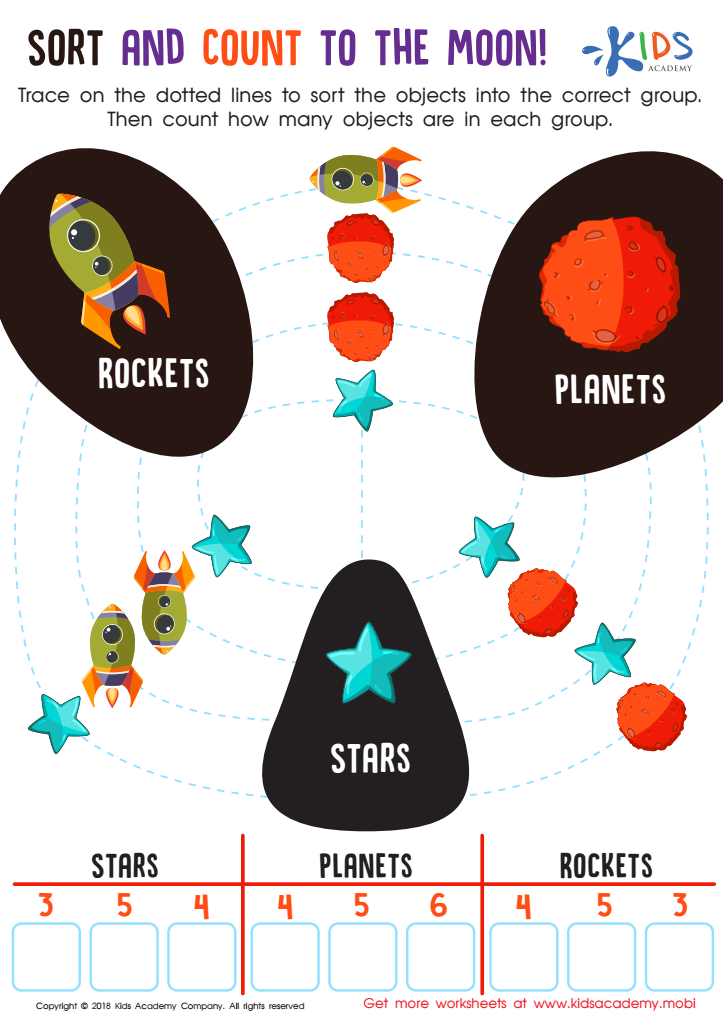
Sort and Count to the Moon Worksheet
 Assign to My Students
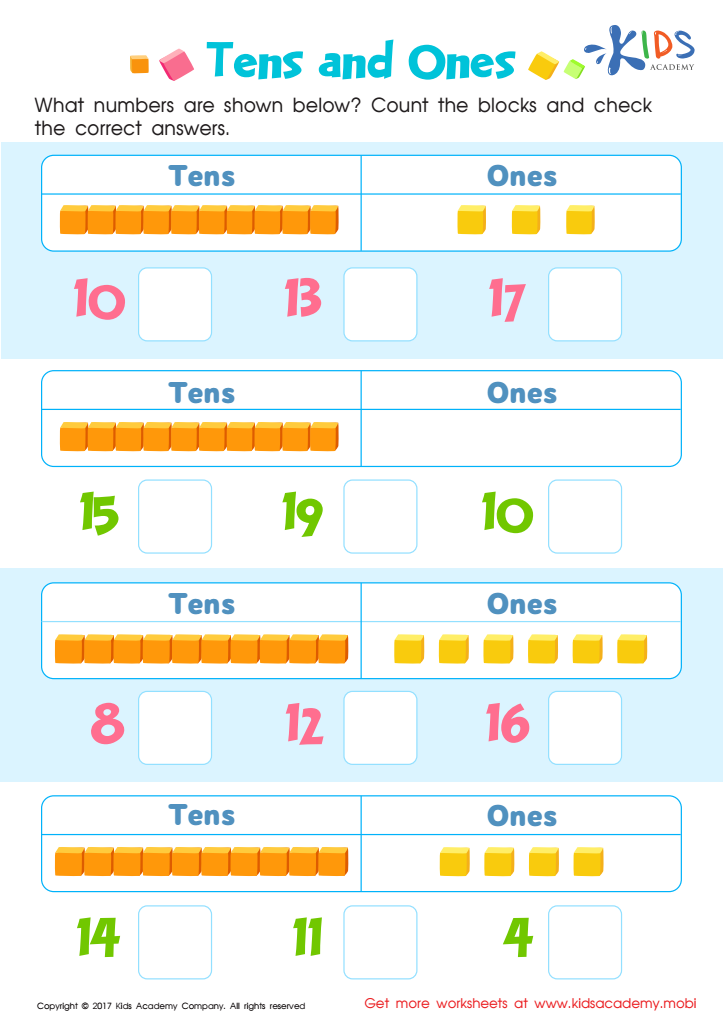
Tens and Ones Worksheet
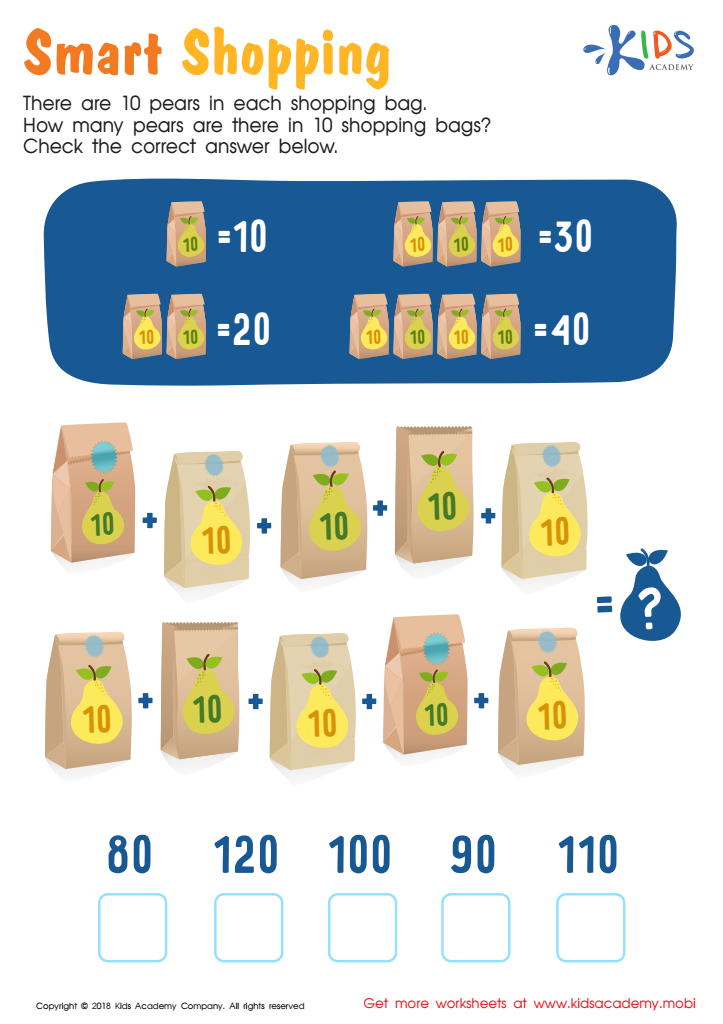
Smart Shopping: Trade Tens for a Hundred Worksheet
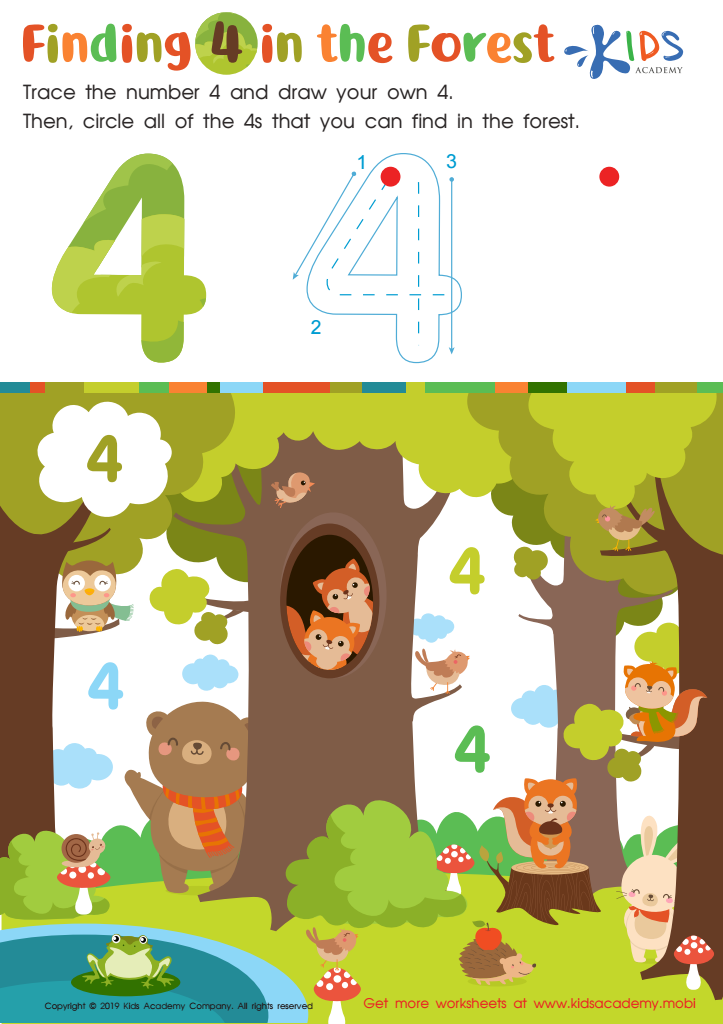
Finding 4 in the Forest Worksheet
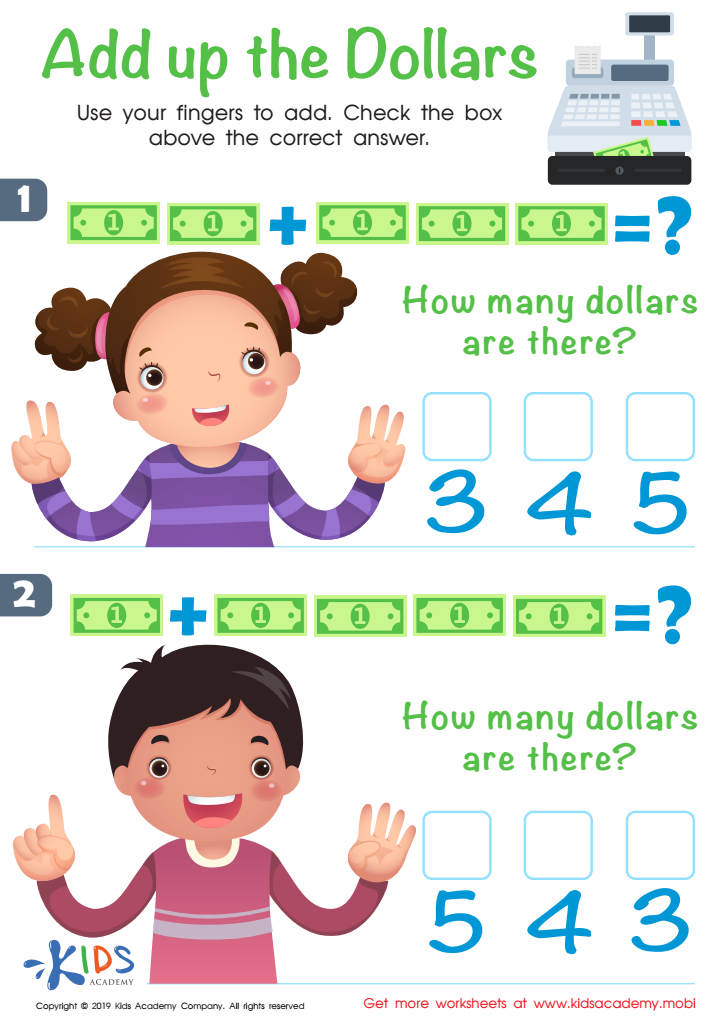
Add up the Dollars Worksheet








Basic math practice for children ages 4-5 is crucial for several reasons. First, early math skills lay the foundation for future academic success. At this age, children’s brains are rapidly developing and they are naturally curious about numbers, shapes, and patterns. Engaging them in basic math activities not only fosters their cognitive growth but also enhances their problem-solving and critical thinking abilities.
Parents and teachers should also be aware that early math skills can improve children’s confidence in their abilities. When kids successfully grasp concepts like counting, sorting, and recognizing shapes, they build a sense of accomplishment that translates to a positive attitude towards learning. Moreover, integrating math into everyday situations, such as sorting toys or measuring ingredients while cooking, helps to make math relatable and fun.
Lastly, research shows that early exposure to math is linked to later success in both math and literacy skills. By prioritizing consistent practice in an engaging manner, parents and teachers can ensure children are equipped with essential skills that not only prepare them for academic challenges ahead but also instill a lifelong love for learning. Ultimately, supporting basic math practice now can have lasting benefits for children's futures.








