Fine motor development Math Worksheets for Ages 4-5
6 filtered results
-
From - To
Enhance your child's early math skills and fine motor development with our specially designed worksheets for ages 4-5. These engaging activities combine fun and learning to strengthen little hands and fingers, crucial for writing readiness. Our fine motor development math worksheets utilize playful themes to teach counting, sorting, shapes, and more. They help build coordination and precision, boosting confidence in young learners. With colorful, easy-to-follow exercises, your child will enjoy practicing essential math skills while improving dexterity. Perfect for at-home practice or classroom use, these worksheets set a strong foundation for future academic success. Explore our collection today!
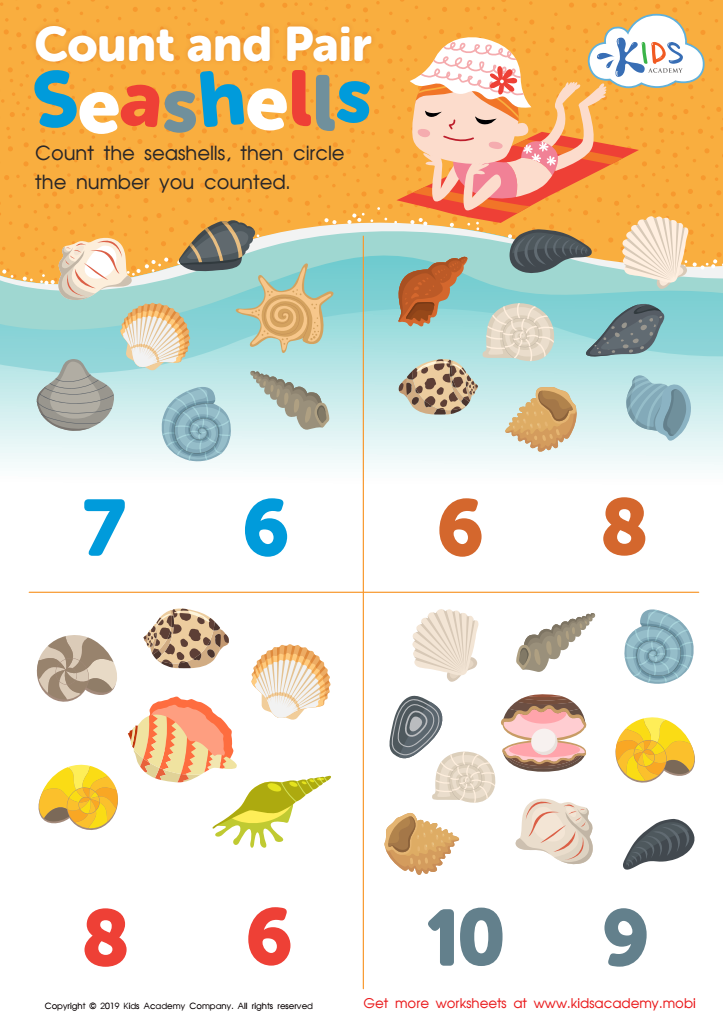
Count and Pair Seashells Worksheet
 Assign to My Students
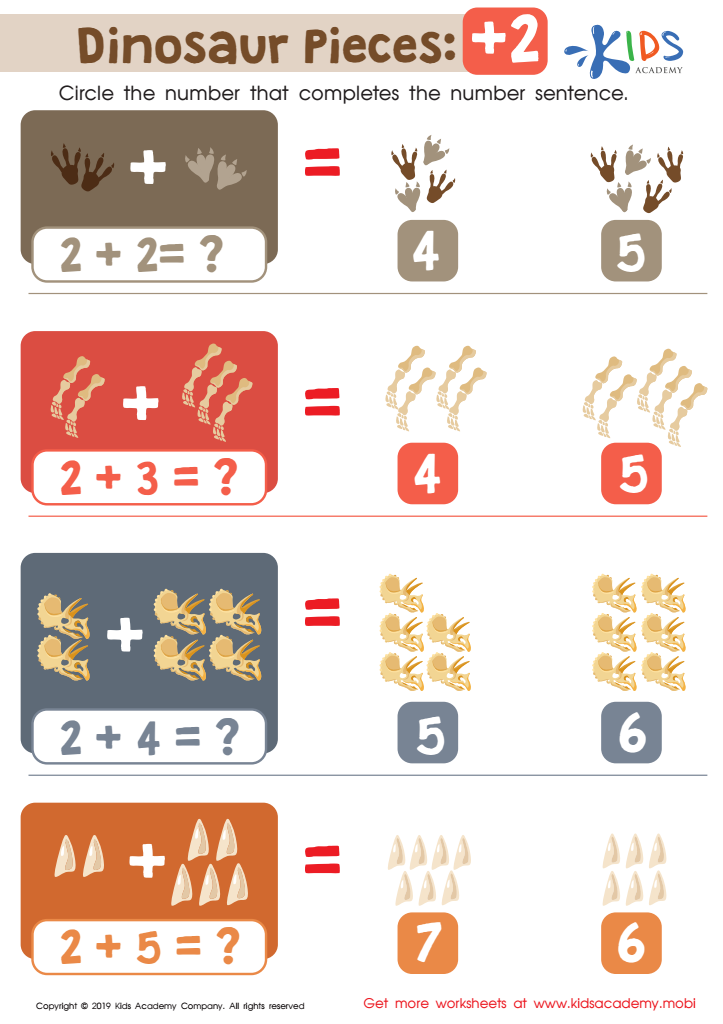
Dinosaur Pieces: +2 Worksheet
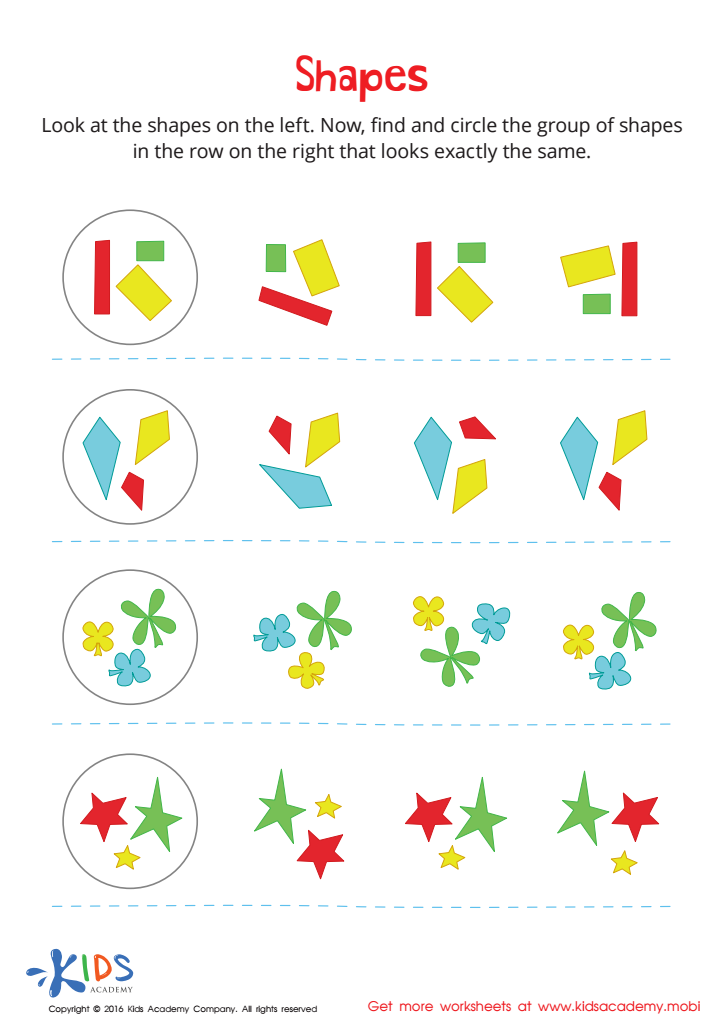
Shapes Worksheet
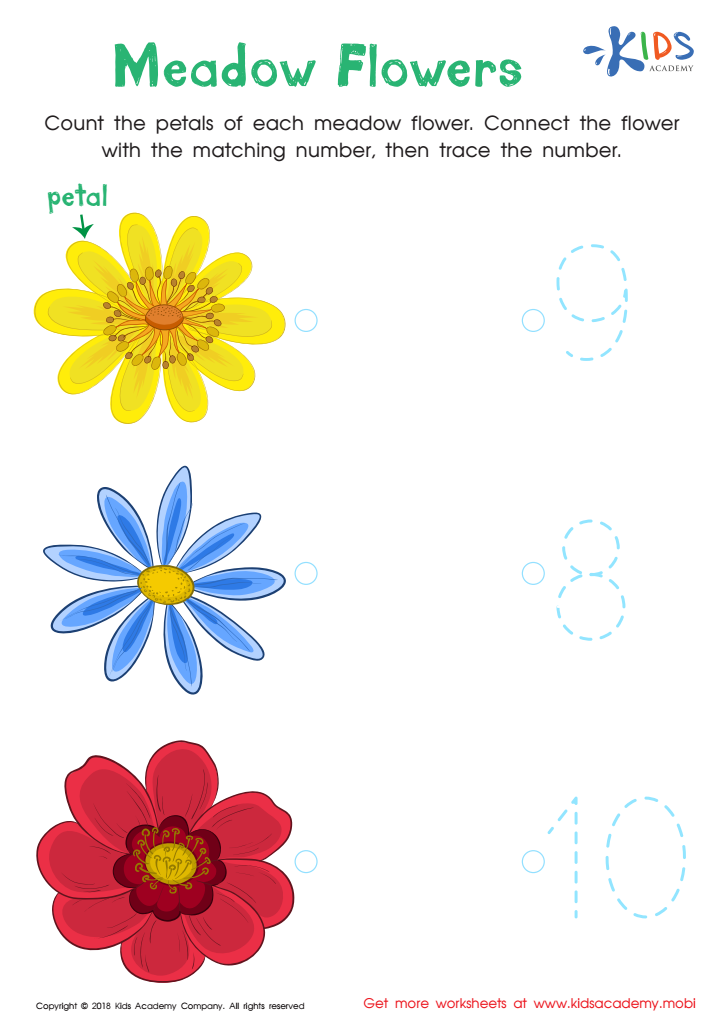
Kindergarten Number Tracing: Medow Flowers Worksheet








Fine motor development for young children, especially those ages 4-5, is crucial as it forms the foundation for numerous essential life skills, academic success, and overall cognitive development. In the realm of math, fine motor skills play a pivotal role. Activities that enhance these skills—such as cutting shapes, threading beads, or using tweezers—improve a child's ability to hold a pencil correctly, enabling them to write numbers and symbols legibly. Precise muscle control aids in drawing shapes, tracing patterns, and managing math manipulatives like counters or blocks, which are fundamental in grasping basic mathematic concepts such as counting, sorting, and pattern recognition.
Moreover, engaging in tasks that develop fine motor capabilities fosters attention to detail, enhances concentration, and cultivates problem-solving and spatial reasoning abilities, all of which are essential for tackling mathematical challenges. By focusing on fine motor development at an early age, parents and teachers can ensure children build a strong, confident, and positive relationship with learning not just math, but all academic subjects, providing them with the tools for long-term educational success. Encouraging these skills also supports broader aspects of school readiness, self-esteem, and independence, paving the way for a smoother, more effective transition into structured learning environments.








