Understanding Quantities Numbers 0–10 Worksheets for Ages 4-5
3 filtered results
-
From - To
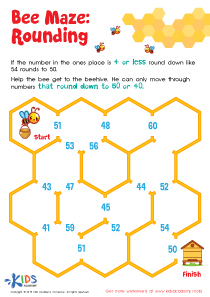
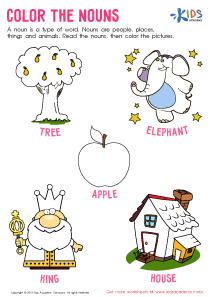
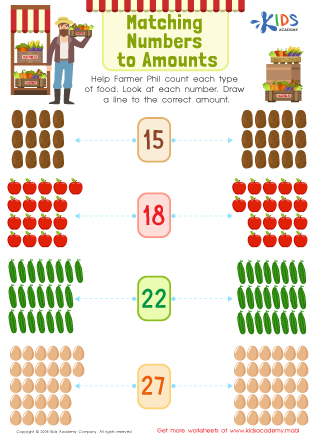
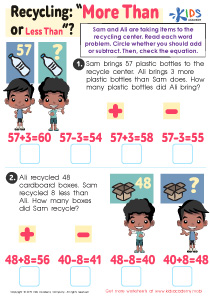
Explore our "Understanding Quantities Numbers 0–10 Worksheets" designed specifically for children aged 4-5! These engaging, interactive worksheets help young learners develop a solid foundation in number recognition and quantity association. Through fun exercises, kids will practice counting, comparing, and drawing quantities, fostering essential early math skills. Our age-appropriate activities promote hands-on learning while nurturing cognitive development and enhancing fine motor skills. Perfect for parents and teachers alike, these worksheets make math enjoyable and accessible. Download now to support your child's learning journey and ignite their passion for numbers! Get started with engaging activities that combine learning with play!
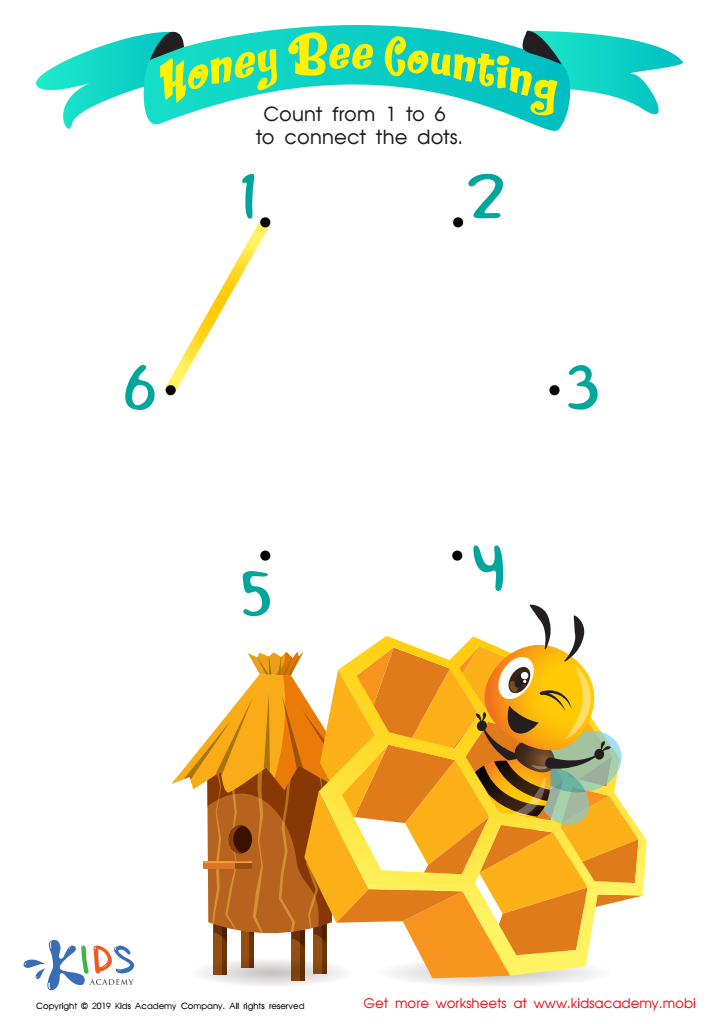
Honey Bee Counting Worksheet
 Assign to My Students
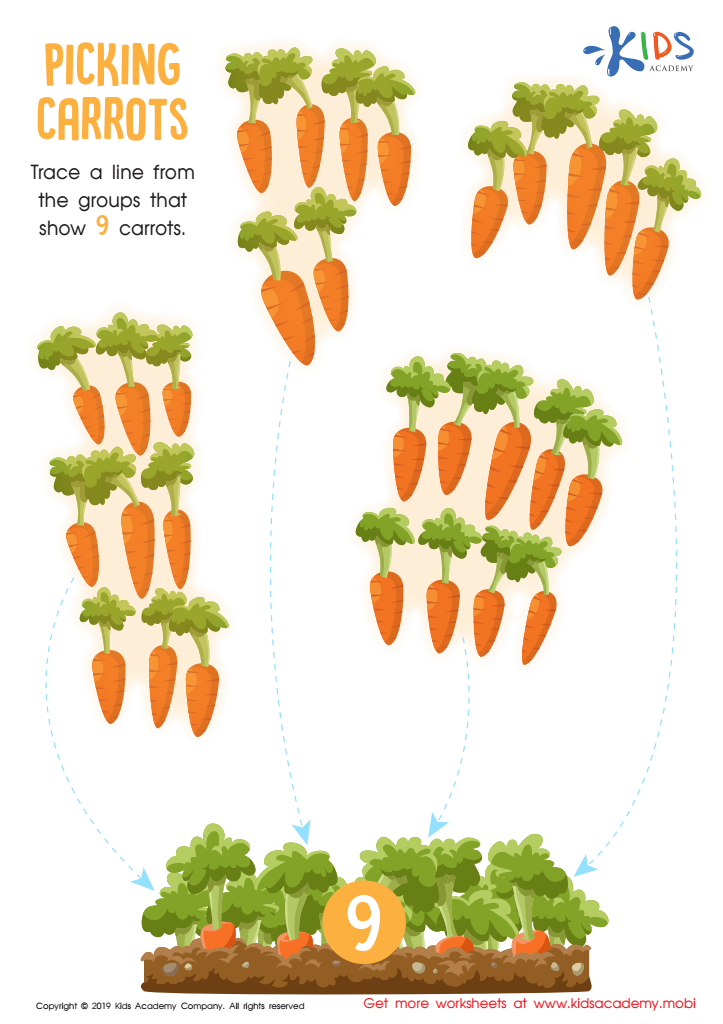
Picking Carrots Worksheet
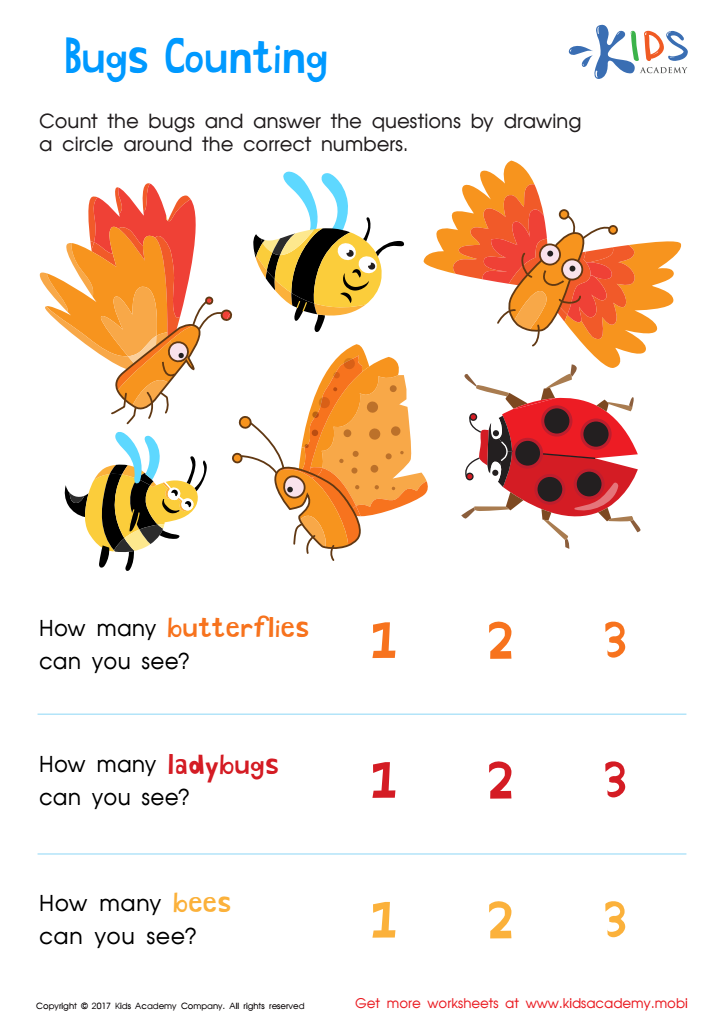
Bugs Counting Worksheet








Understanding quantities and numbers 0–10 is crucial for children ages 4-5 as it lays the foundational skills necessary for later mathematical learning. At this age, children are naturally curious and eager to explore the world around them, and understanding basic numerical concepts is a key aspect of this exploration.
Parents and teachers should care about this foundational understanding for several reasons. Firstly, recognizing and differentiating between quantities fosters cognitive development. It enhances critical thinking skills as children learn to compare, categorize, and manipulate objects. Secondly, mastering numbers 0–10 builds confidence in young learners. When children successfully grasp these concepts, they develop a sense of achievement that motivates them to tackle more complex challenges in the future.
Additionally, early numeracy skills boost problem-solving abilities that are not only essential for mathematics but also for daily life situations. Engaging with numbers at this stage encourages the ability to make sense of and manipulate information, which is important for cognitive growth in broader subjects.
Lastly, strong early numeracy skills can impact a child’s future academic success, as early intervention significantly reduces the risk of later difficulties. Thus, fostering an environment that promotes understanding numbers and quantities is vital for nurturing a well-rounded education.