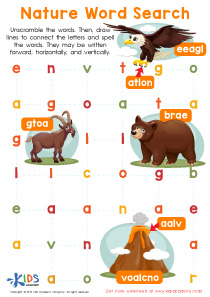
Fraction comparison Sight Words Worksheets for Ages 4-5
7 filtered results
-
From - To
Introduce your child to the exciting world of fractions and sight words with our specially designed Fraction Comparison Sight Words Worksheets for ages 4-5. These engaging, print-ready worksheets blend foundational math and reading skills, helping young learners identify and compare fractions while enhancing their sight word recognition. Perfect for sparking early academic growth, each carefully crafted activity promises fun-filled learning that aligns with early childhood education standards. Ideal for classroom or home use, these resources ensure a seamless experience to boost both numeracy and literacy in one enjoyable package. Make learning fractions and sight words a joyful adventure today!
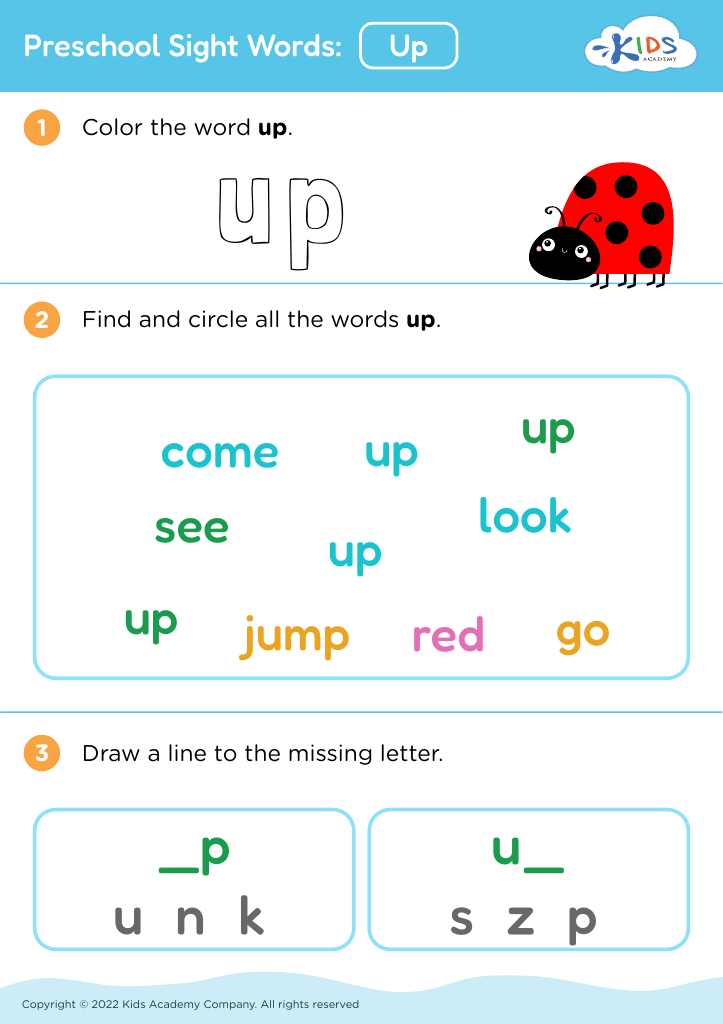


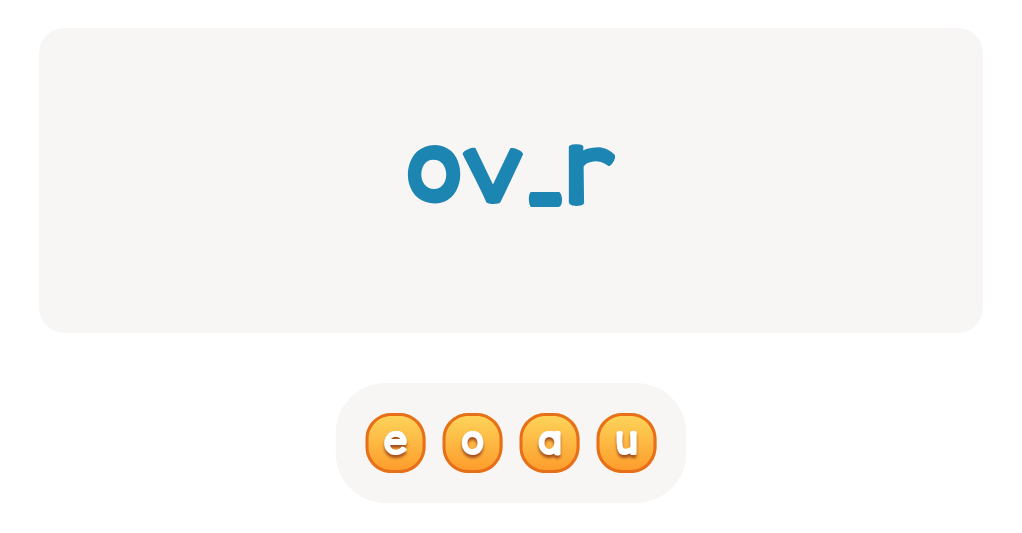
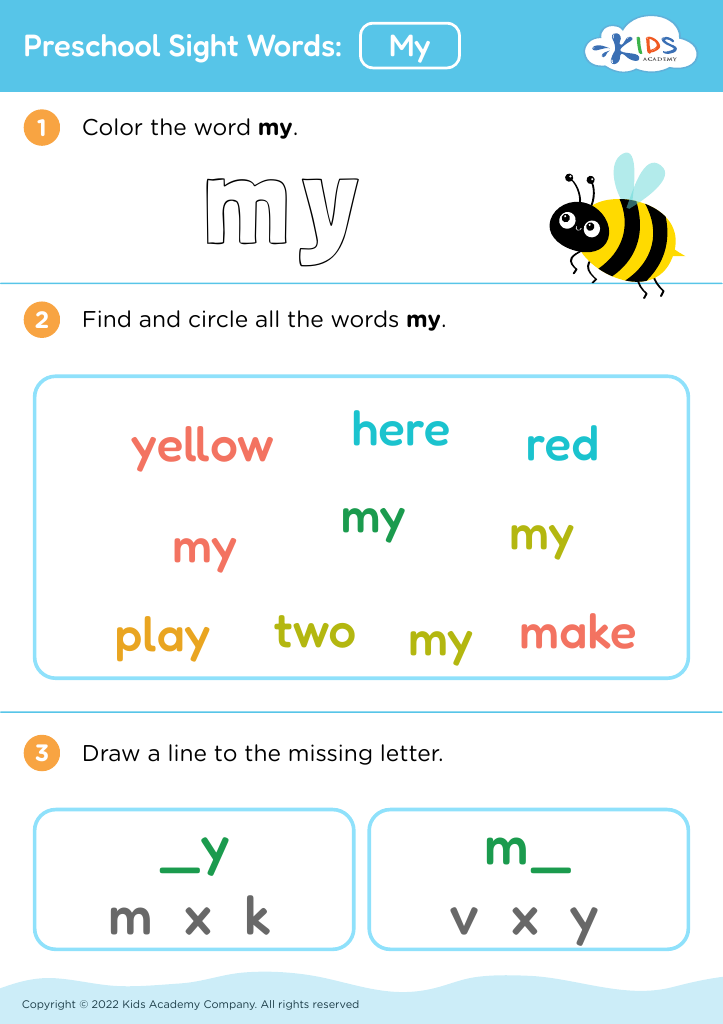
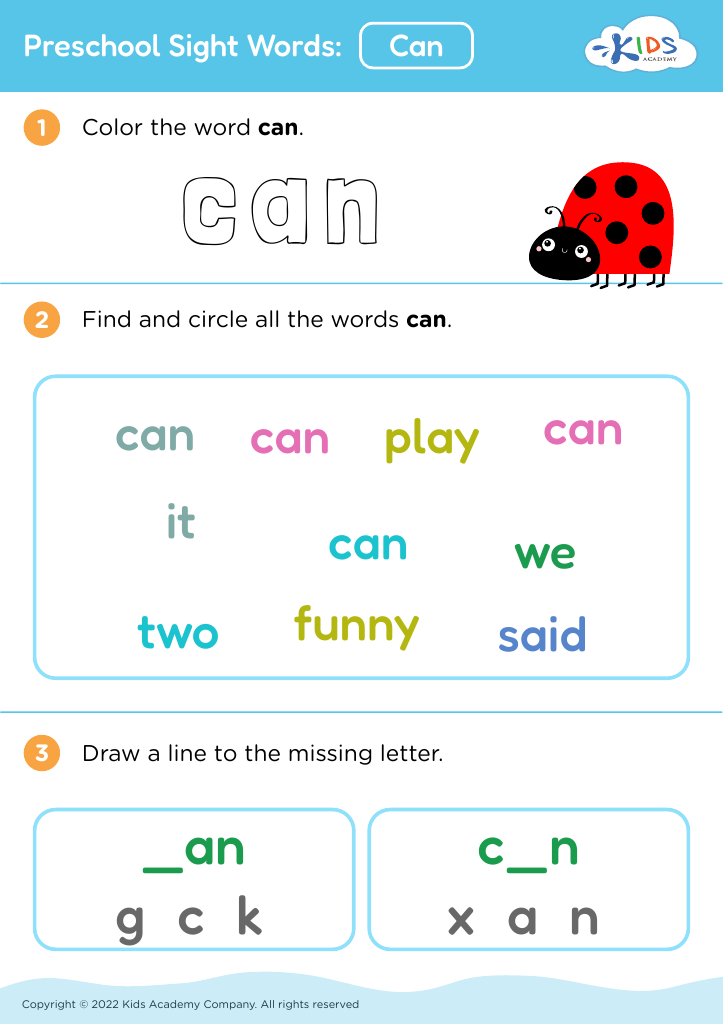
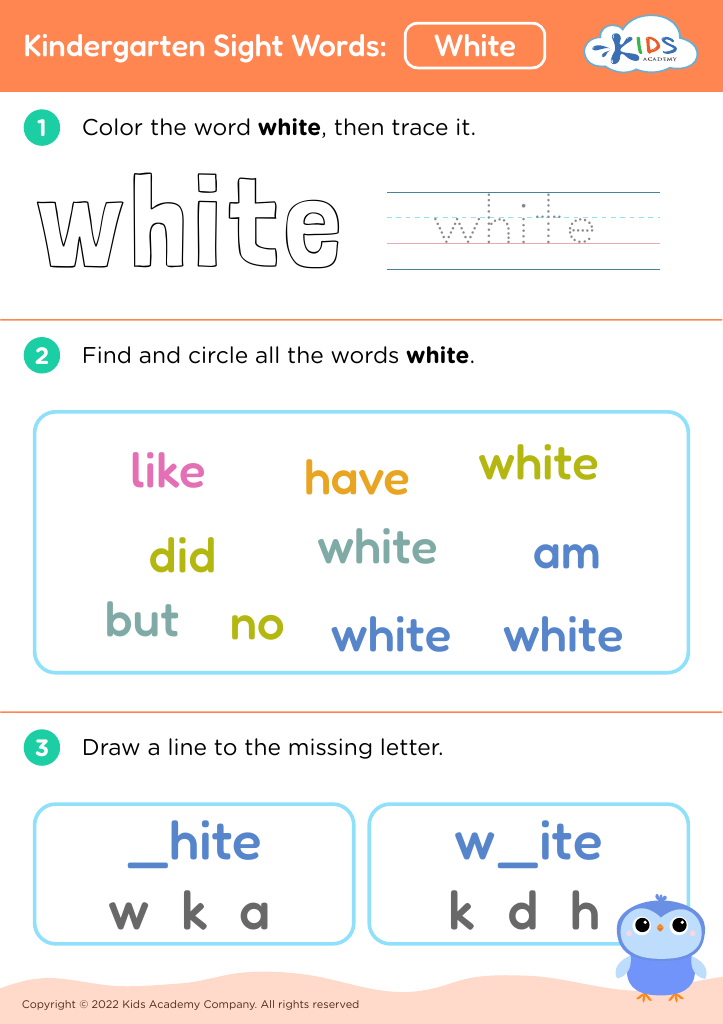
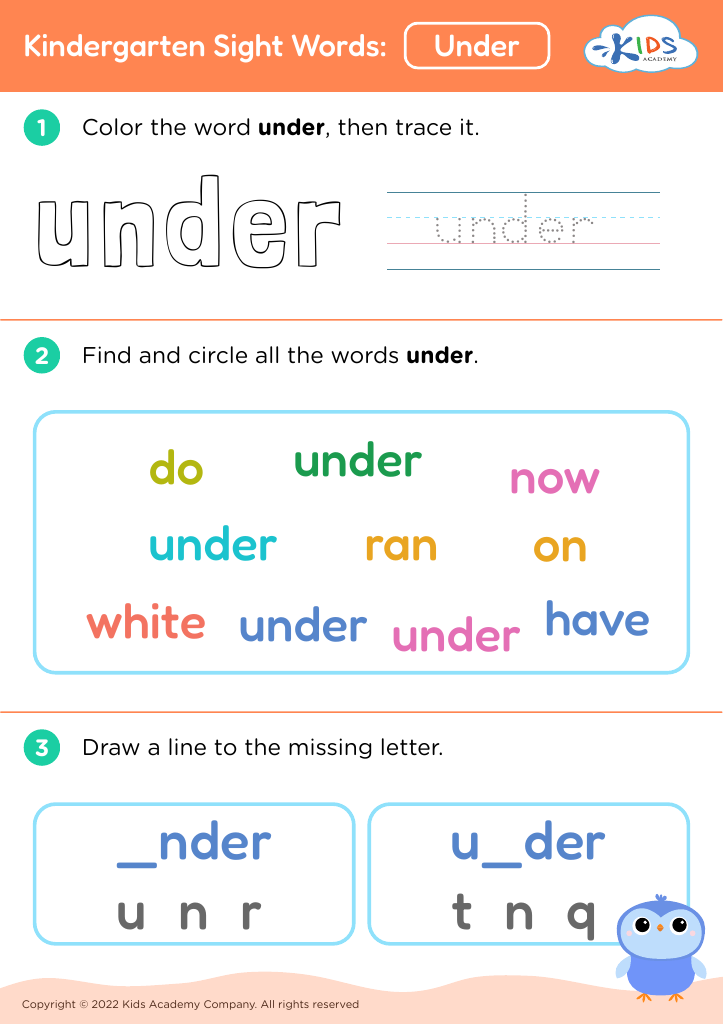
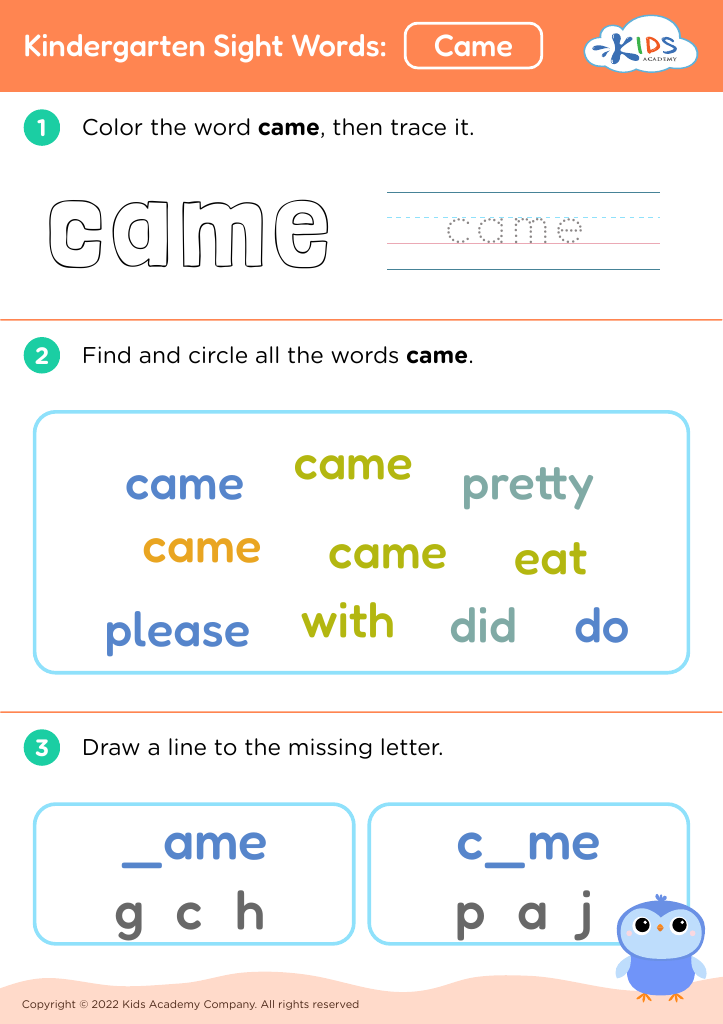
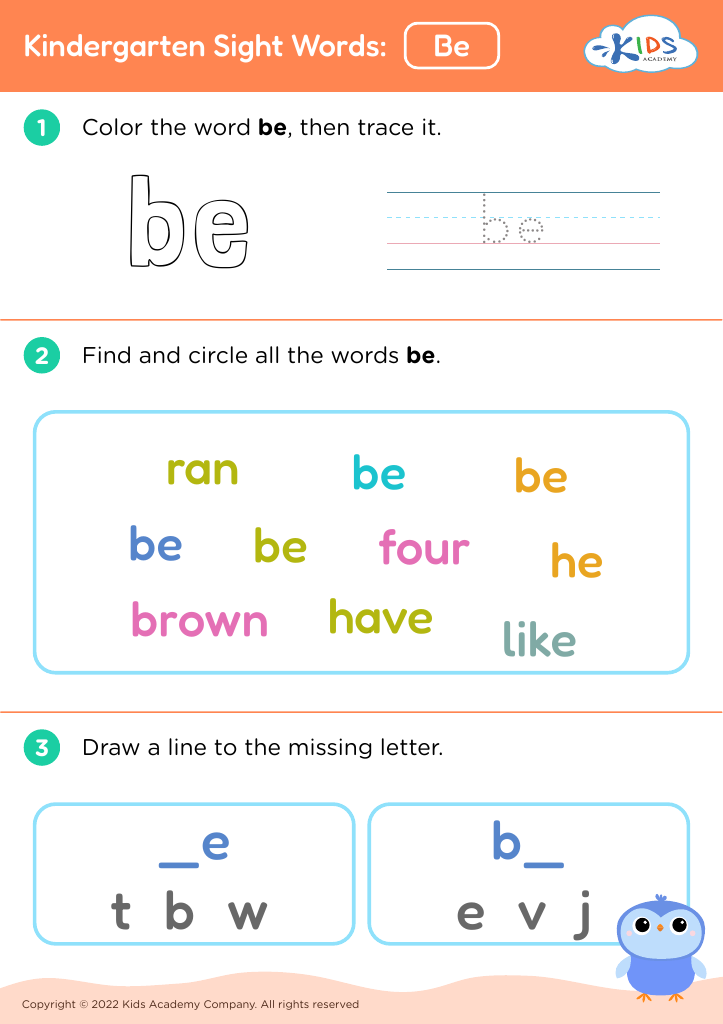








Fraction comparison and sight words may seem advanced for ages 4-5, but they play a foundational role in early education. At this critical developmental stage, young minds are incredibly receptive to new concepts and skills.
Understanding fraction comparison at an early age introduces children to the basics of number sense and mathematical thinking. Even simplified forms like identifying which of two parts is larger or understanding halves and wholes can build a strong foundation. These early math skills promote logical reasoning, problem-solving, and critical thinking, essential skills for future academic success.
Sight words, on the other hand, are crucial for developing early literacy. These are common words that children are encouraged to recognize without having to decode them phonetically. Mastery of sight words allows young readers to achieve fluency and comprehension more rapidly as they are not bogged down by sounding out each word. Recognizing sight words helps children read more smoothly, enjoy the experience, and build confidence.
Both fraction comparison and sight words strongly contribute to a child's ability to navigate academic challenges effectively. Early introduction ensures these skills become second nature, reducing learning gaps and fostering a positive attitude towards education. Therefore, investing time and effort in teaching these concepts can significantly benefit a child's long-term academic journey.