Memory improvement Alphabet Worksheets for Ages 4-6
3 filtered results
-
From - To
Enhance your child's cognitive abilities with our Memory Improvement Alphabet Worksheets for ages 4-6! Designed to make learning fun and engaging, these interactive worksheets help reinforce letter recognition while boosting memory skills. Each activity focuses on playful exercises, including matching games and tracing, to create a stimulating educational experience. These visually appealing resources encourage kids to develop essential skills through repetition and creativity. Perfect for parents and educators, our worksheets support early literacy and challenge young minds to remember and identify letters effortlessly. Discover a treasure trove of printable materials to foster memory development, all while making learning enjoyable!

Chinese Word Symbols Worksheet
 Assign to My Students
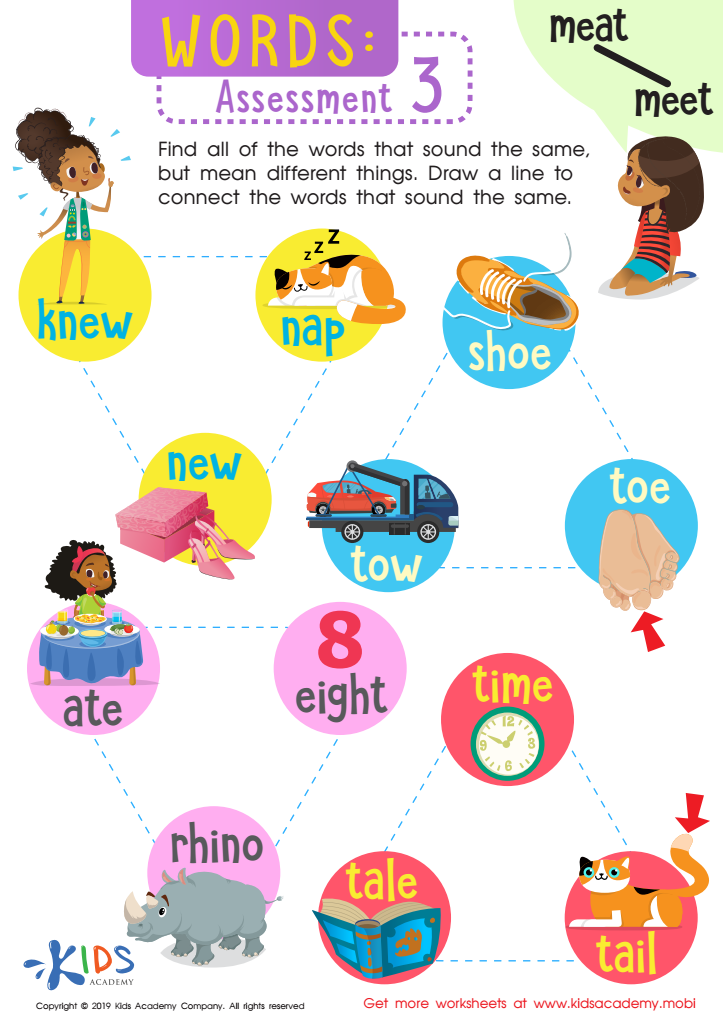
Words: Asessment 3 Worksheet
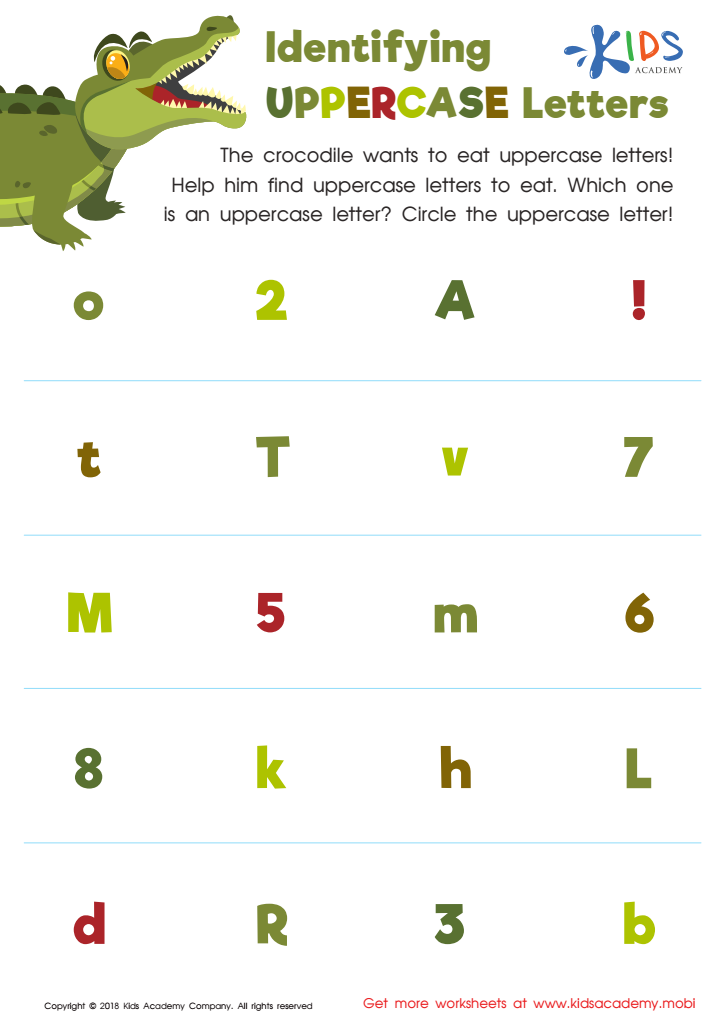
Identifying Uppercase Letters Worksheet








Memory improvement is a vital component in the early cognitive development of children ages 4-6, and the Memory Improvement Alphabet specifically addresses this crucial aspect of learning. At this age, children's brains are rapidly developing and are highly receptive to new concepts. By utilizing the Memory Improvement Alphabet, parents and teachers can harness this opportunity to enhance children's memory skills through fun, engaging activities that promote active recall, recognition, and association.
Improving memory in young learners fosters better comprehension, retention of information, and overall academic success. Young children who excel in memory tasks often find it easier to learn new vocabulary, math concepts, and other foundational skills needed for future education.
Additionally, memory improvement strategies instill a sense of achievement and build confidence in little learners, encouraging a lifelong love for learning. This method not only supports cognitive skills but also social-emotional development, as it nurtures perseverance, focus, and goal-setting.
Overall, incorporating the Memory Improvement Alphabet into the daily learning routine helps children solidify knowledge, develop problem-solving abilities, and cultivate concentration—skills essential for their long-term educational journey. By emphasizing memory improvement, both parents and teachers play a pivotal role in shaping effective and enthusiastic learners.







