Vocabulary Building Alphabet Worksheets for Ages 4-6
11 filtered results
-
From - To
Boost your child's language skills with our engaging Vocabulary Building Alphabet Worksheets, designed specifically for ages 4-6! These printable resources make learning fun while helping young learners enhance their vocabulary and letters recognition. Each worksheet focuses on a different letter, incorporating colorful images and entertaining activities that promote word association and early literacy skills. Children will enjoy completing activities that encourage them to identify words starting with each letter, fostering creativity and language development. Perfect for classroom or home use, our worksheets provide a solid foundation for future learning, setting your child on the path to reading success!
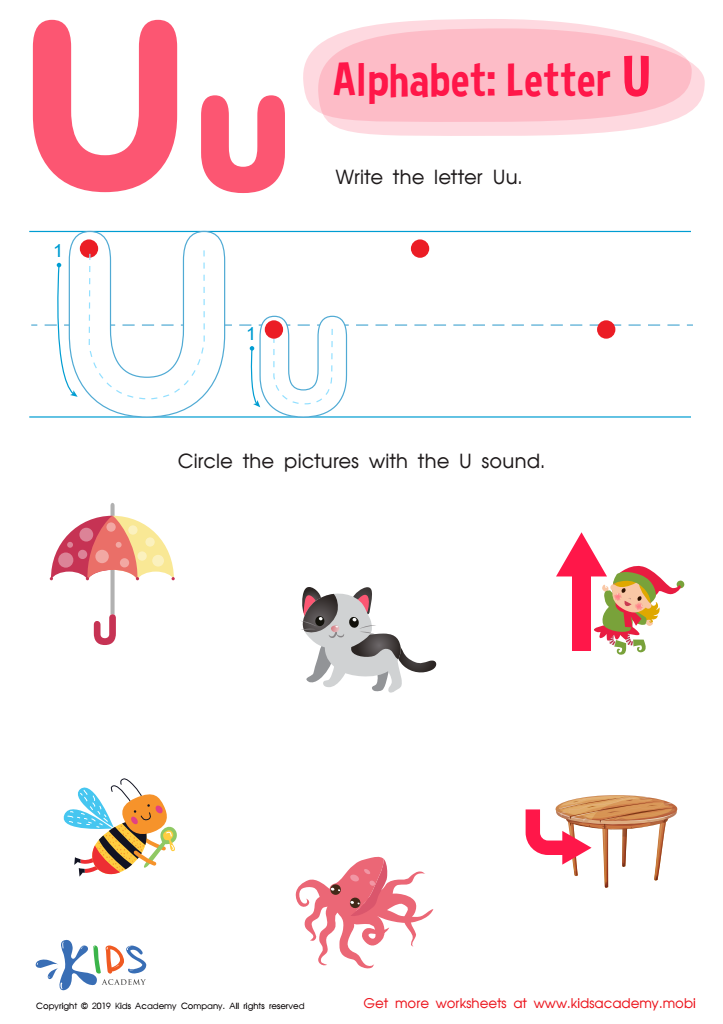
Letter U Tracing Worksheet
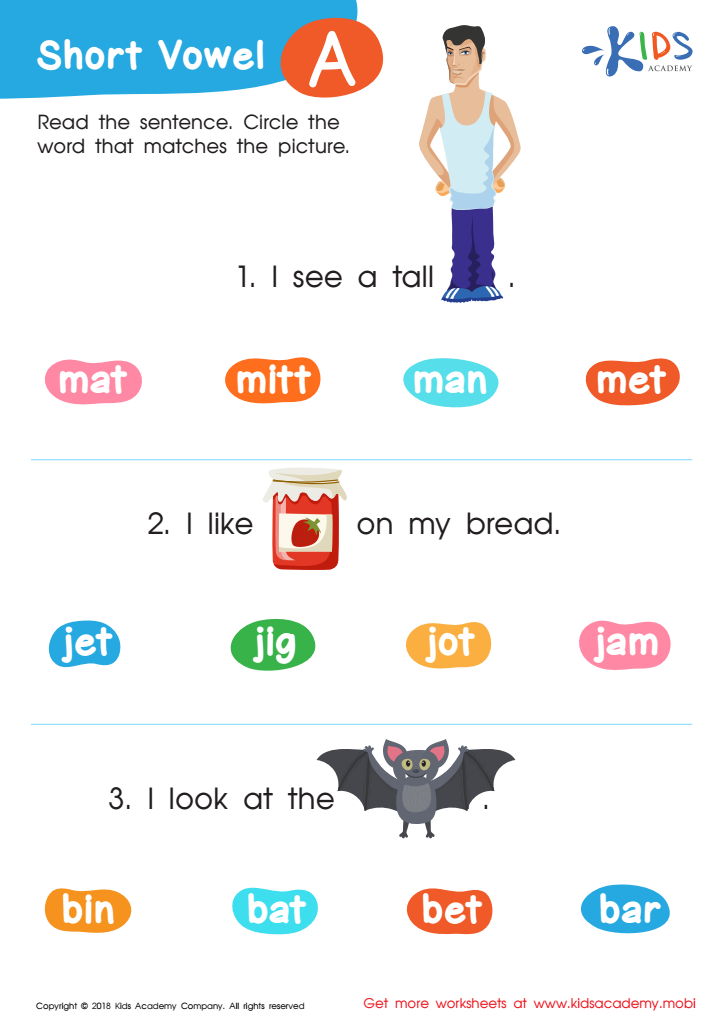
Short Vowel /a/ Worksheet
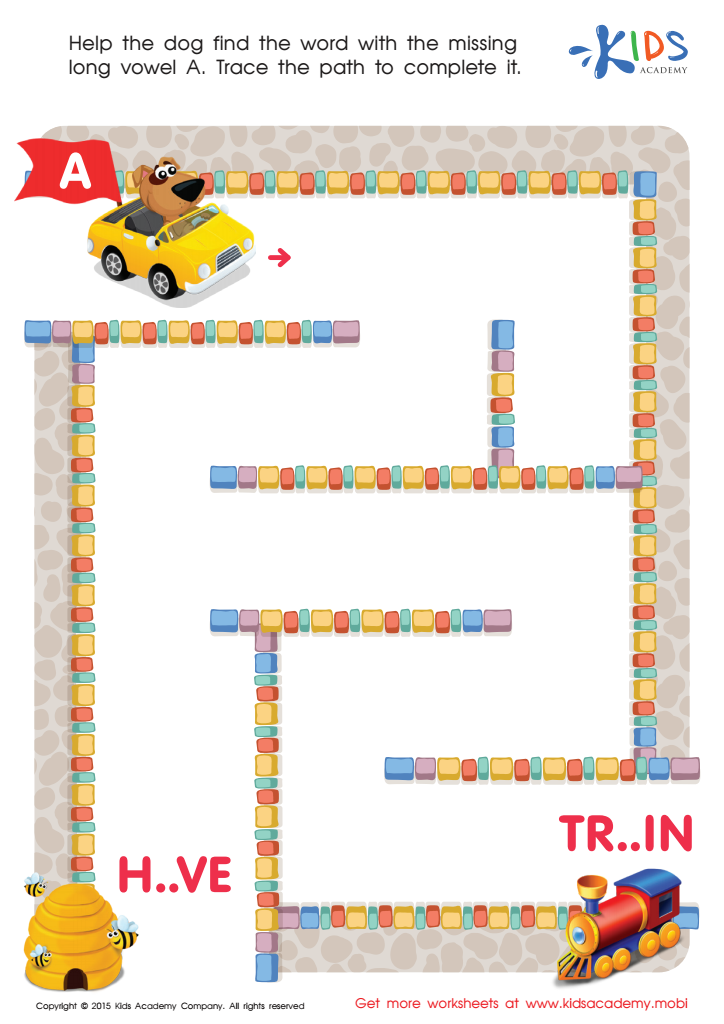
Long Vowel Sound A Worksheet
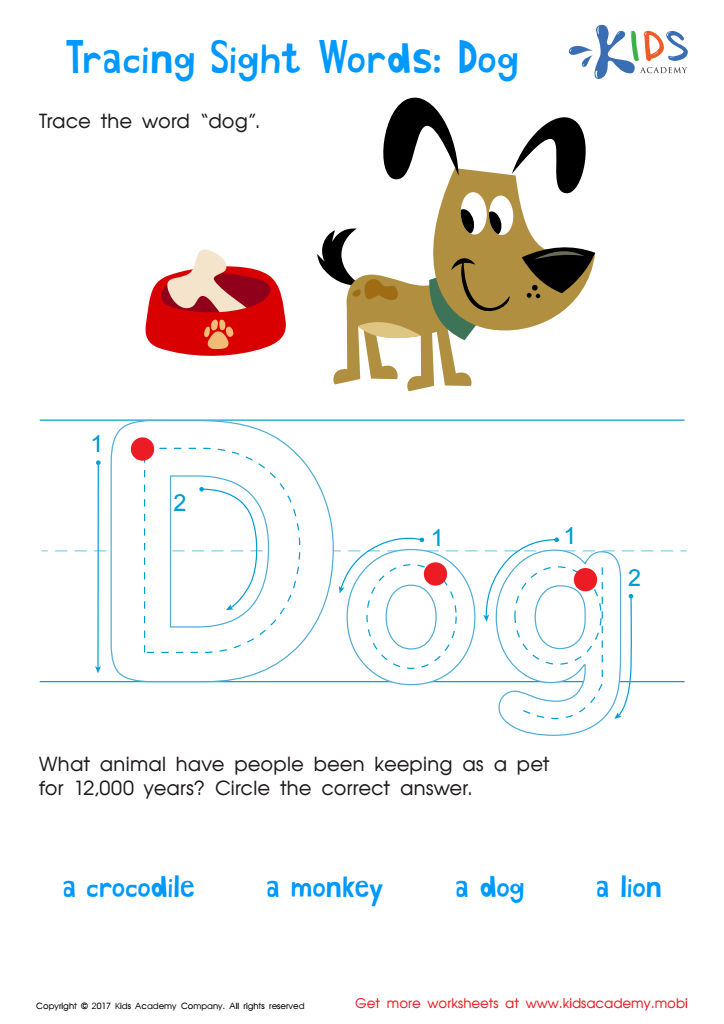
Dog Worksheet Sight Words Worksheet
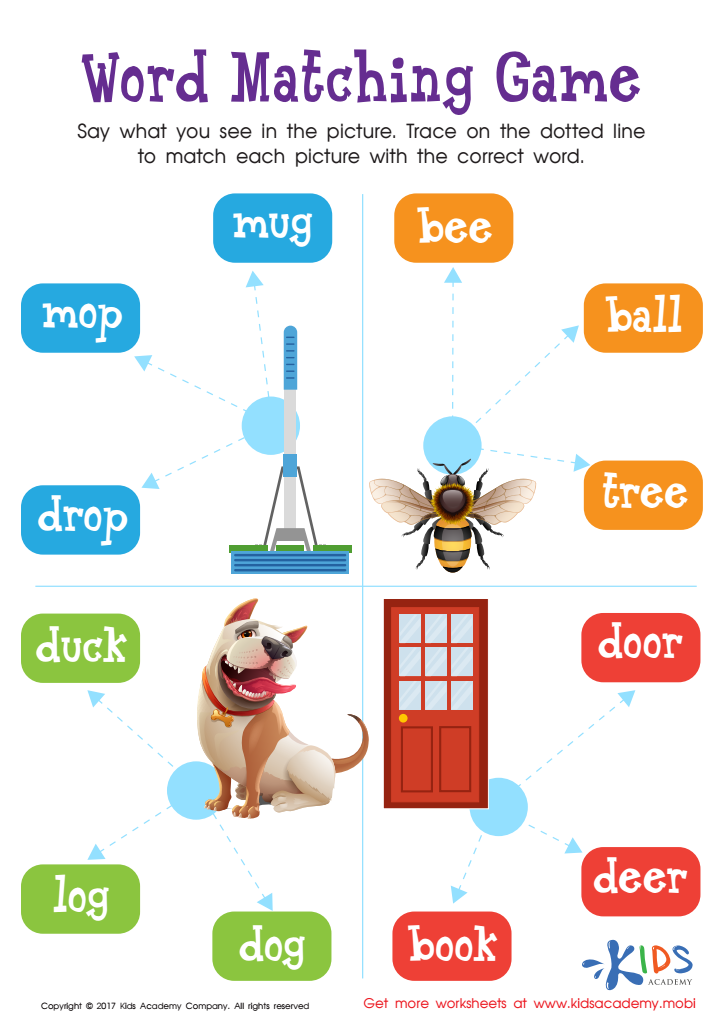
Word Matching Game Worksheet
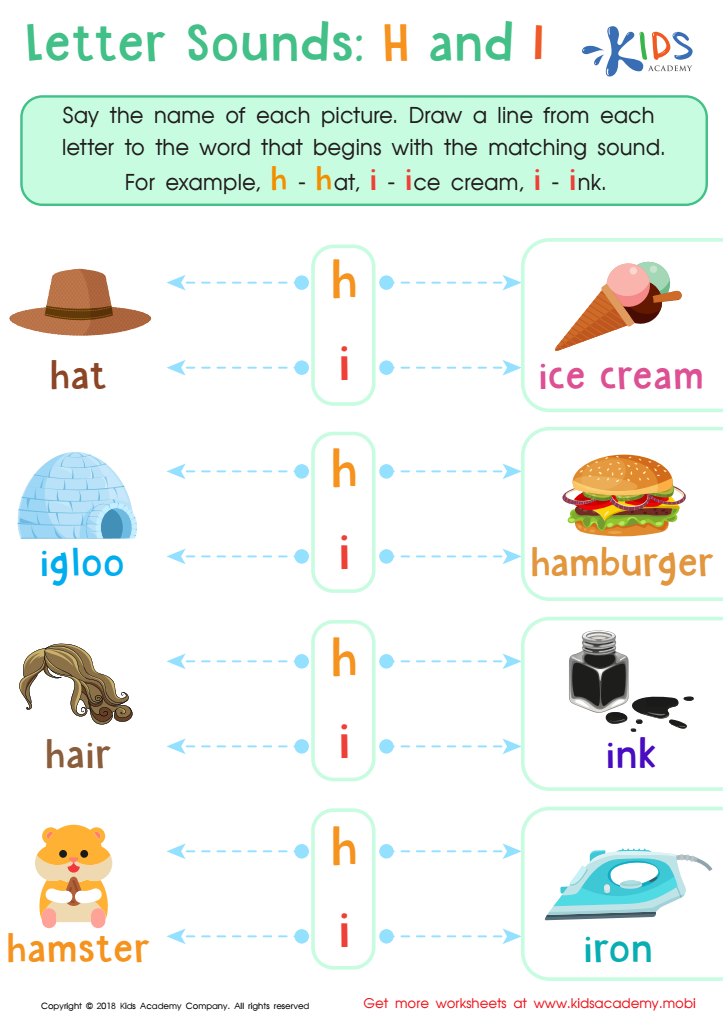
Letter H and I Sounds Worksheet
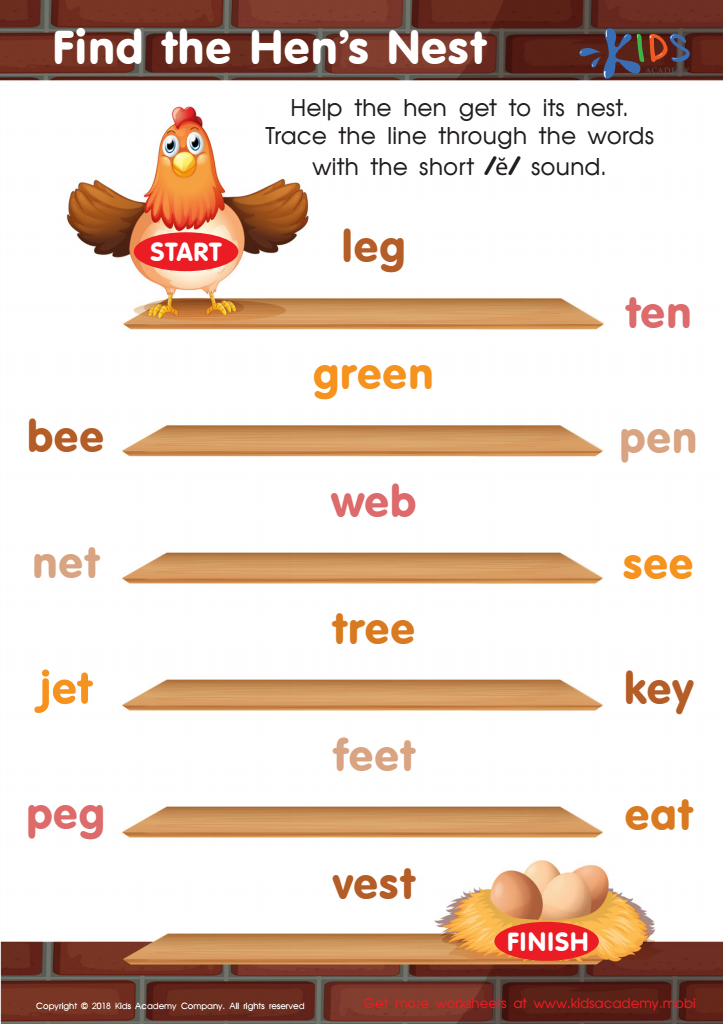
Find Hens Nest Reading Worksheet
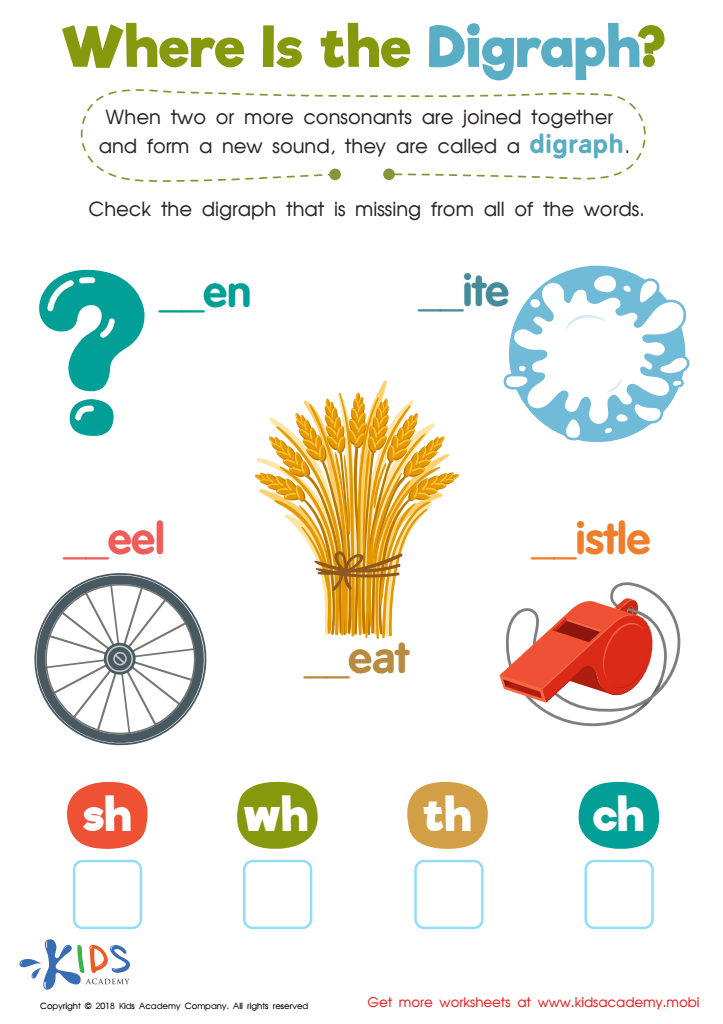
Where Is the Digraph? Worksheet
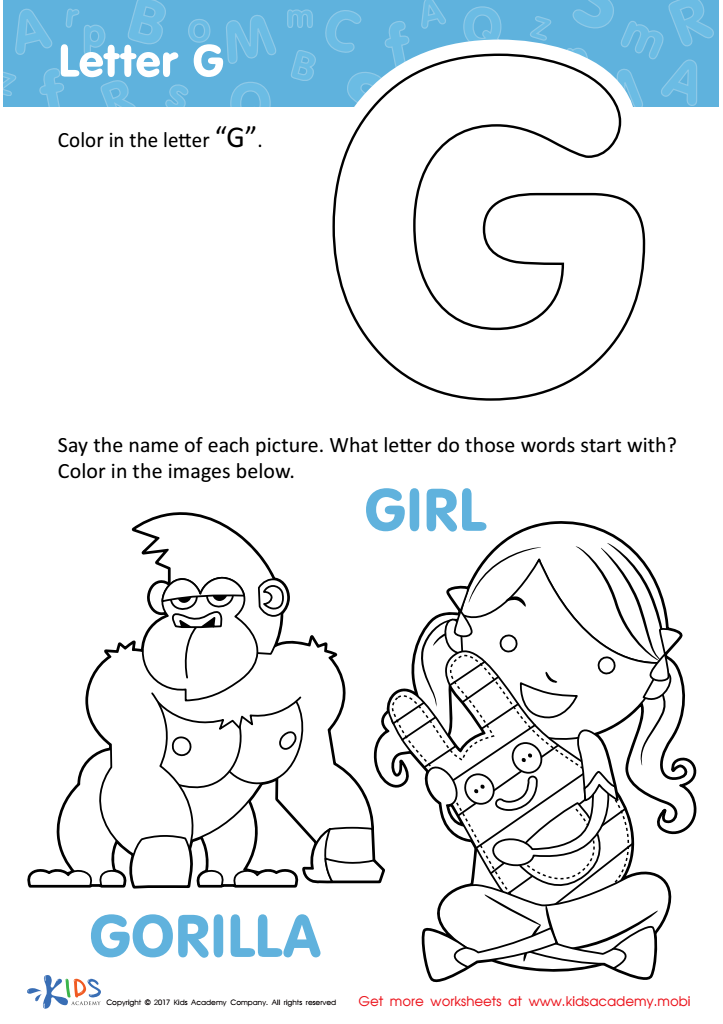
Letter G Coloring Sheet
 Assign to My Students
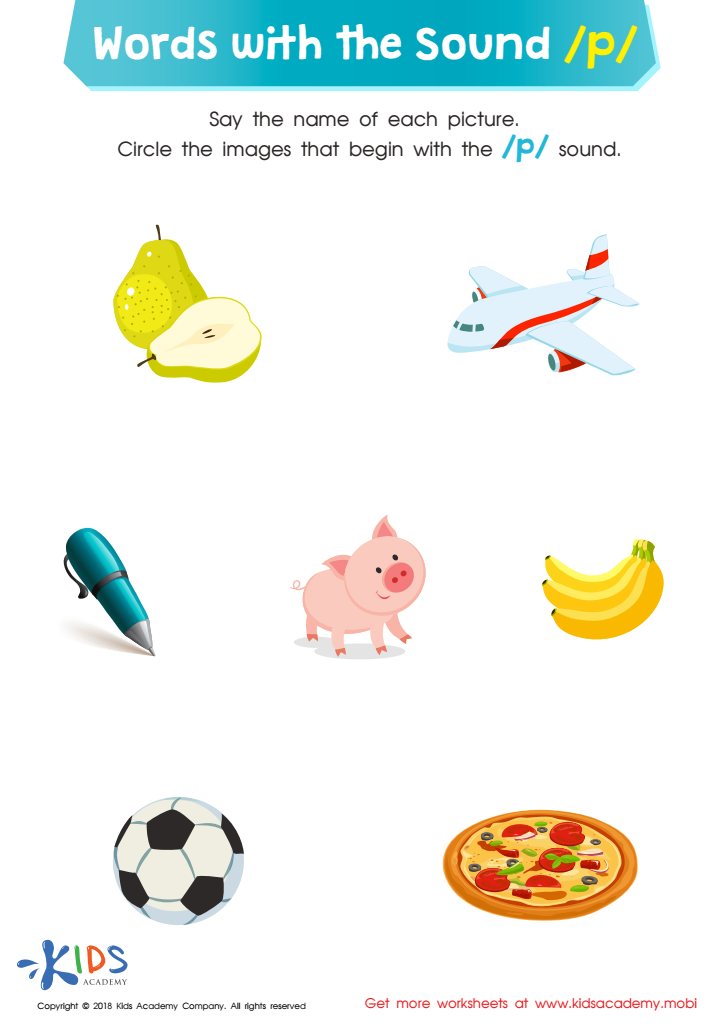
Words with sound p Reading Worksheet
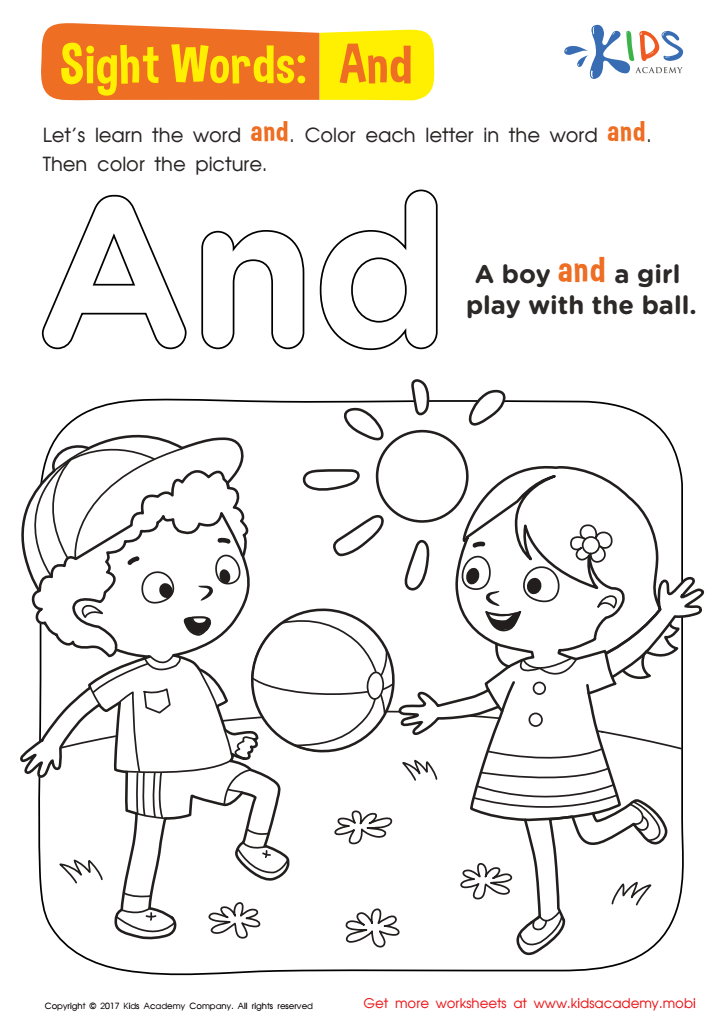
And Worksheet Sight Words Worksheet
Assign to My Students







Vocabulary building for children aged 4-6 is crucial for their cognitive and language development, and parents or teachers should prioritize it for several reasons. First, a rich vocabulary enhances a child's ability to express thoughts, feelings, and ideas clearly and effectively. This foundational communication skill is essential for social interaction and academic success throughout their lives.
Additionally, children learn new words best through engaging activities and contextually rich experiences. The Vocabulary Building Alphabet provides a fun, structured approach that can stimulate a child's interest in language while aligning with their developmental stage. Introducing vocabulary in playful ways helps foster a love for learning.
Moreover, early vocabulary acquisition aids in reading comprehension. When children understand words, they can engage with texts more meaningfully and develop critical thinking skills. This early literacy foundation can set the stage for lifelong reading habits and academic performance.
In promoting vocabulary building, parents and teachers also help children develop confidence in their language skills, enhancing their participation in conversations and classroom discussions. Ultimately, investing time in vocabulary development from an early age ensures that children are better prepared for future educational challenges and social interactions, enriching their overall development.







