Alphabet Recognition Letter Recognition Worksheets for Ages 4-6 - Page 2
45 filtered results
-
From - To

Letter E Tracing Worksheet
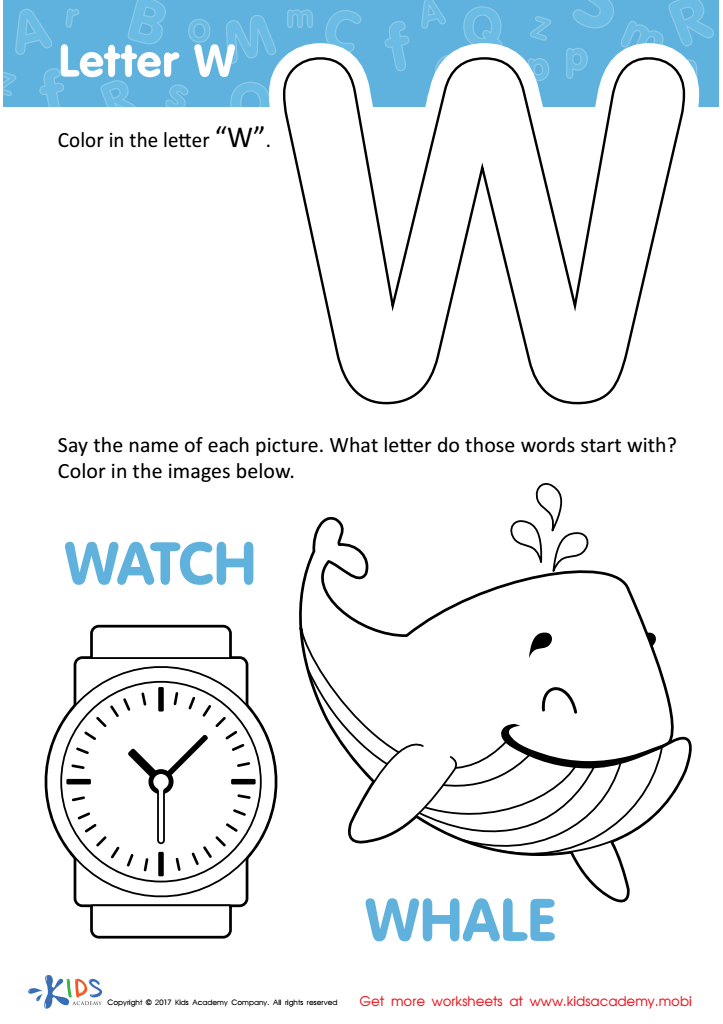
Letter W Coloring Sheet
 Assign to My Students
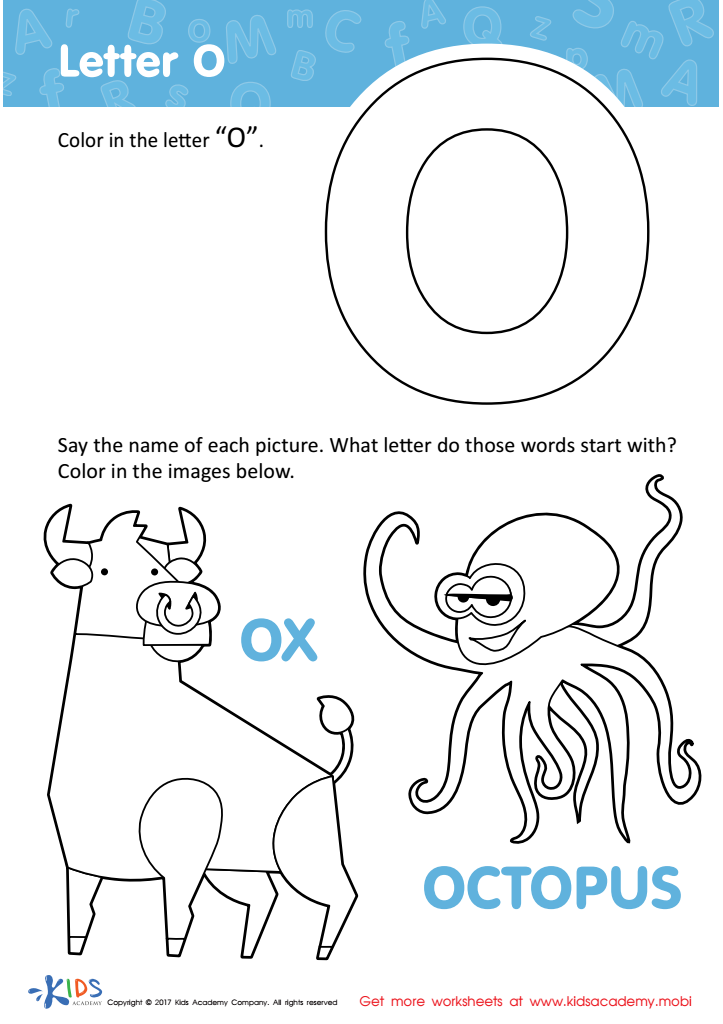
Letter O Coloring Sheet
Assign to My Students

Lowercase Letters m n o Worksheet
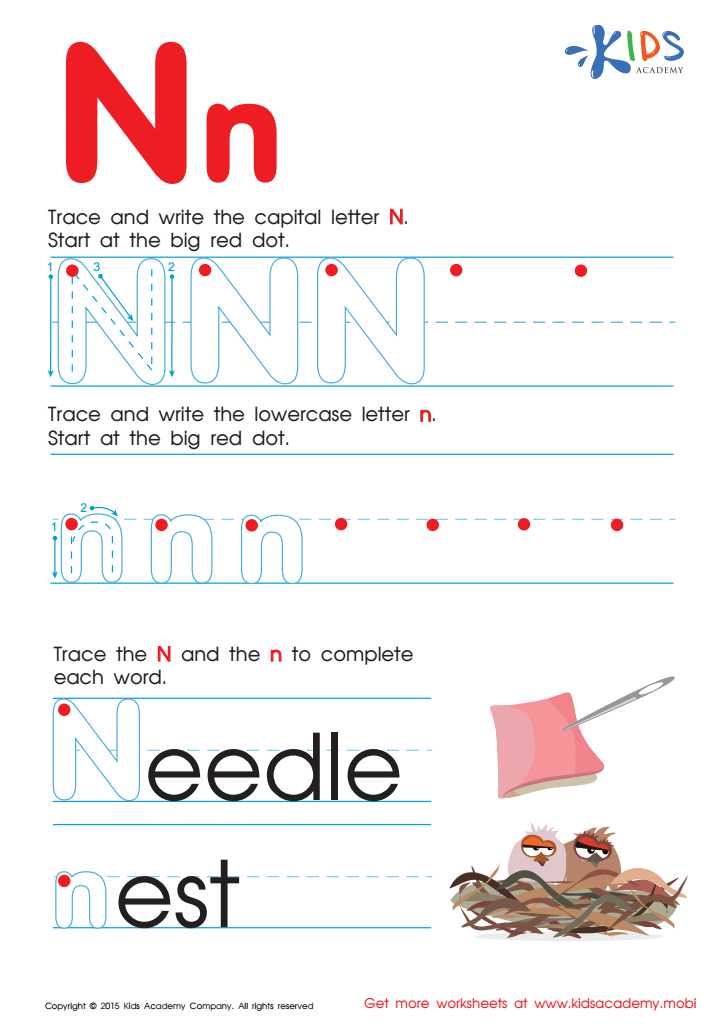
Letter N Tracing Page
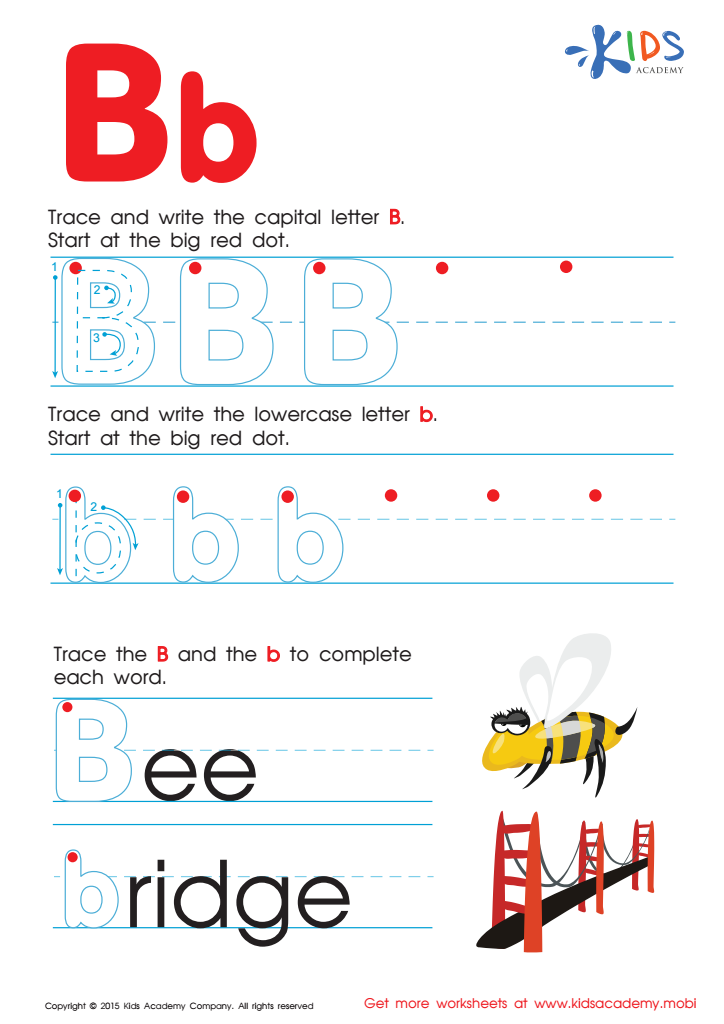
Letter B Tracing Page
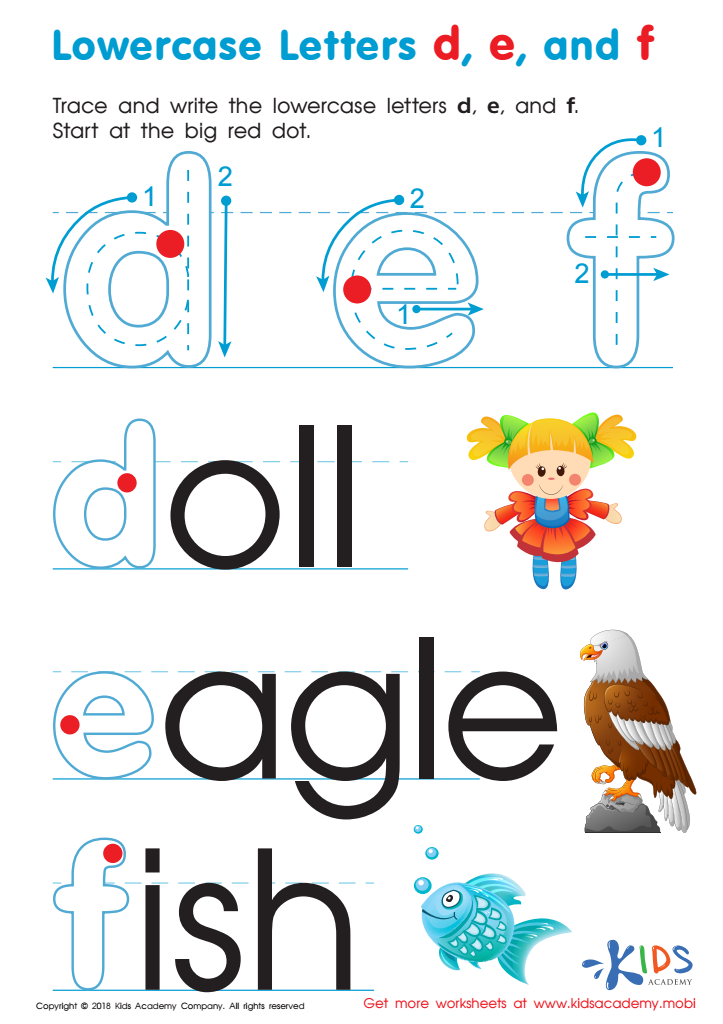
Lowercase Letters d e f Worksheet
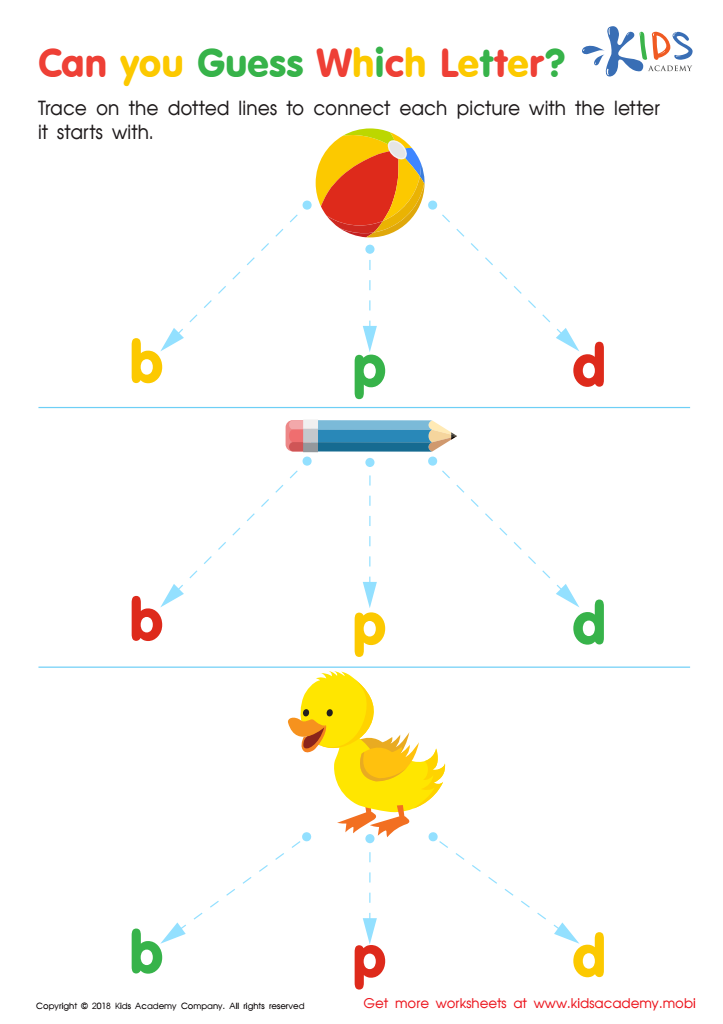
Can you Guess Which Letter? Worksheet
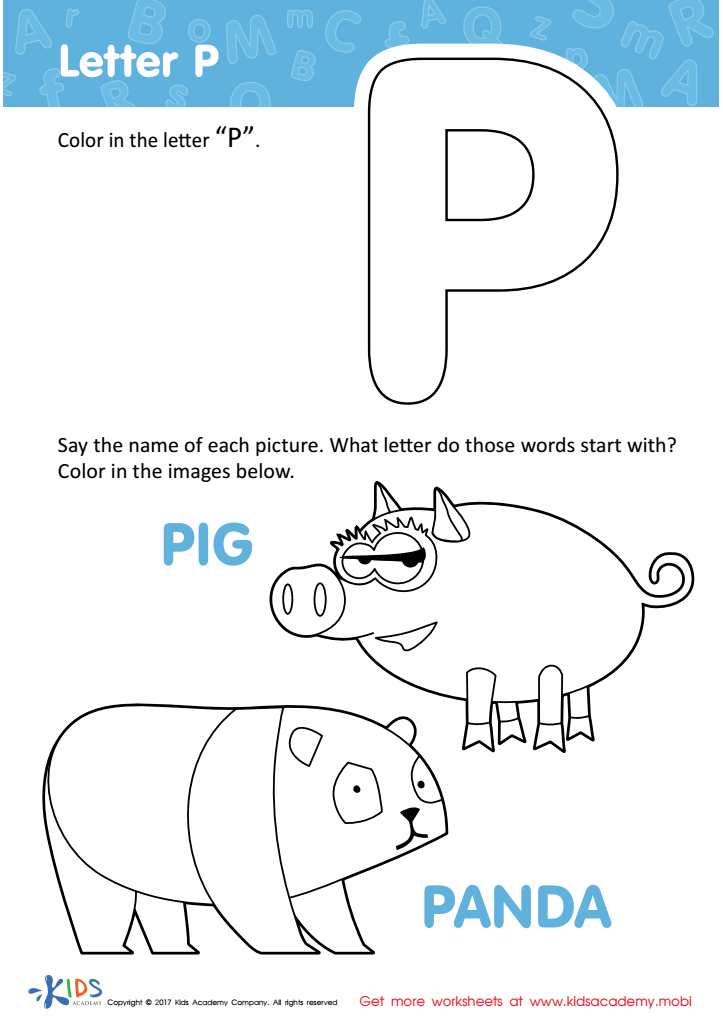
Letter P Coloring Sheet
Assign to My Students
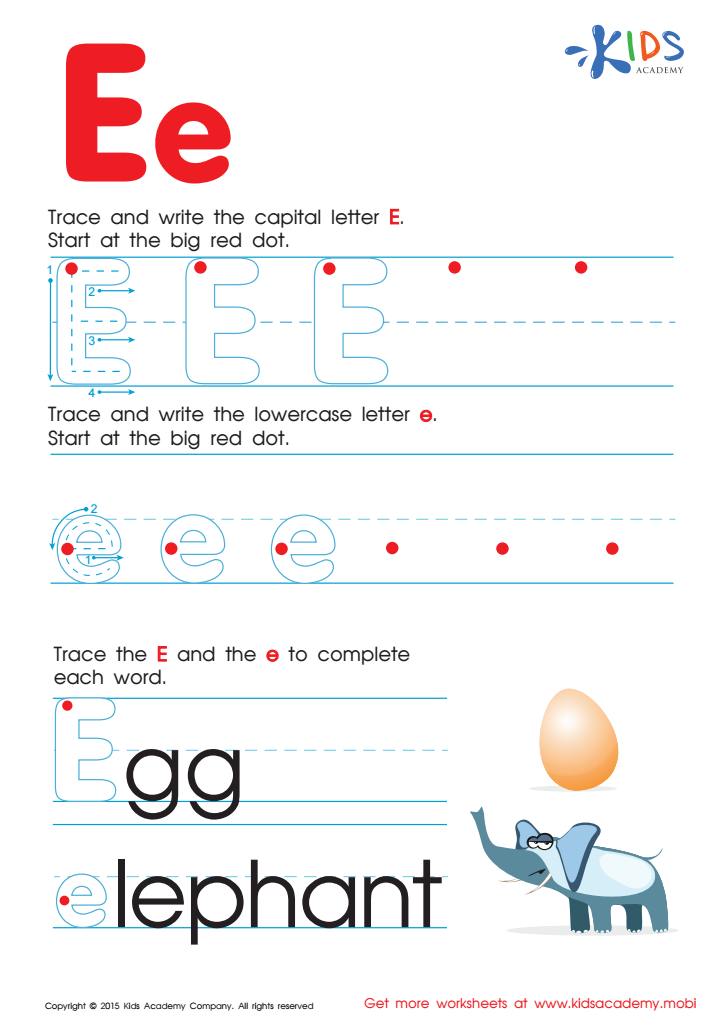
Letter E Tracing Page
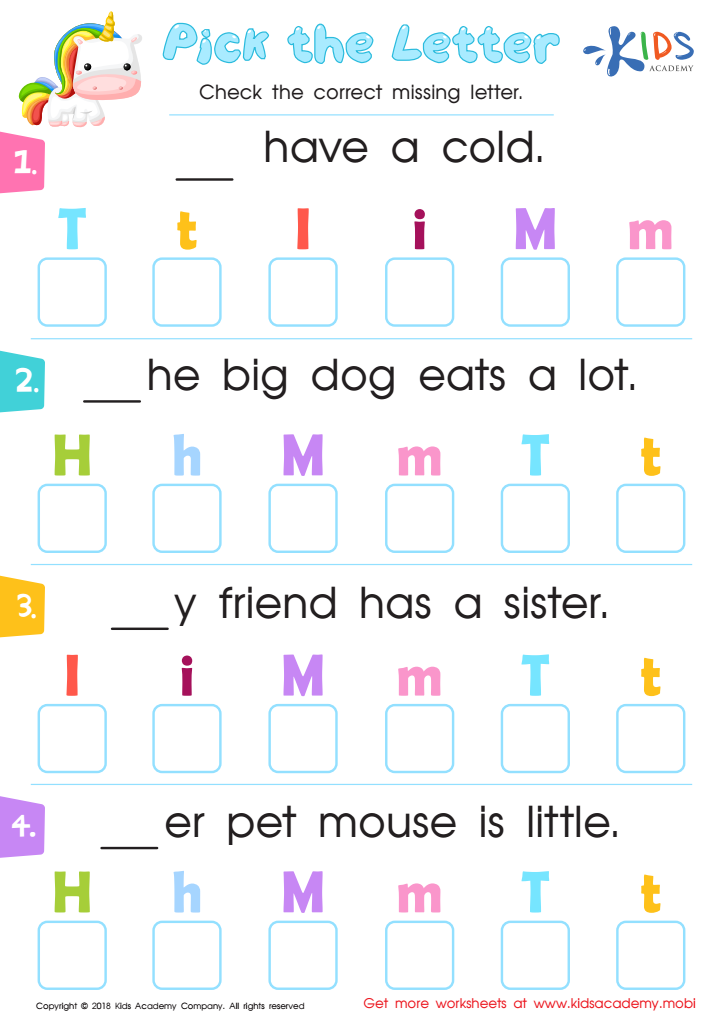
Pick the Letter Worksheet
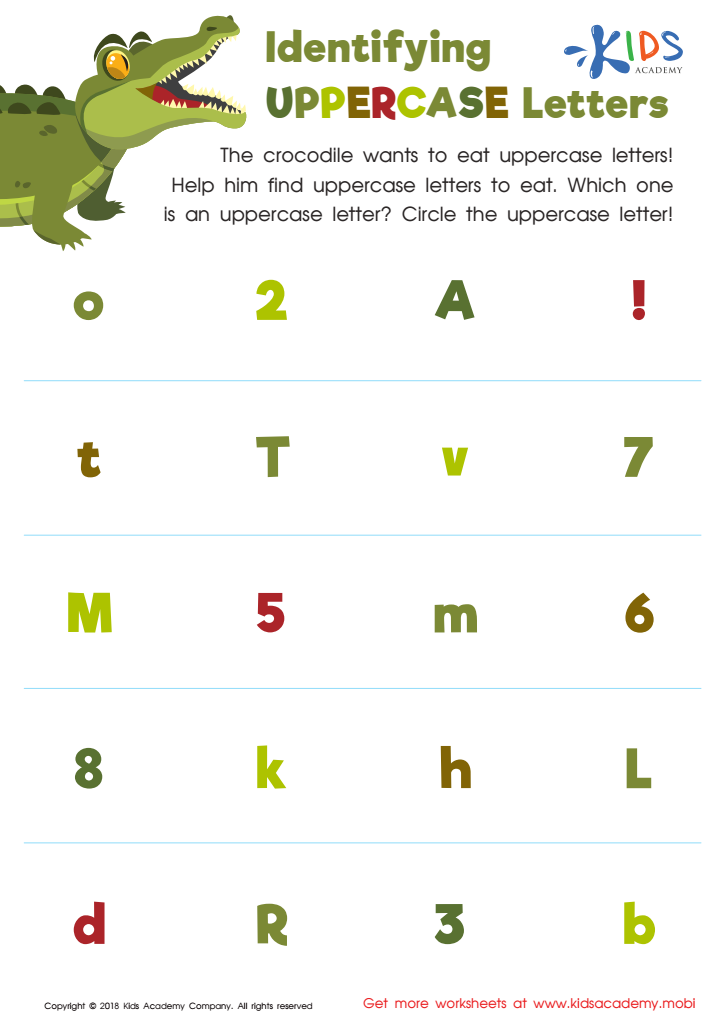
Identifying Uppercase Letters Worksheet
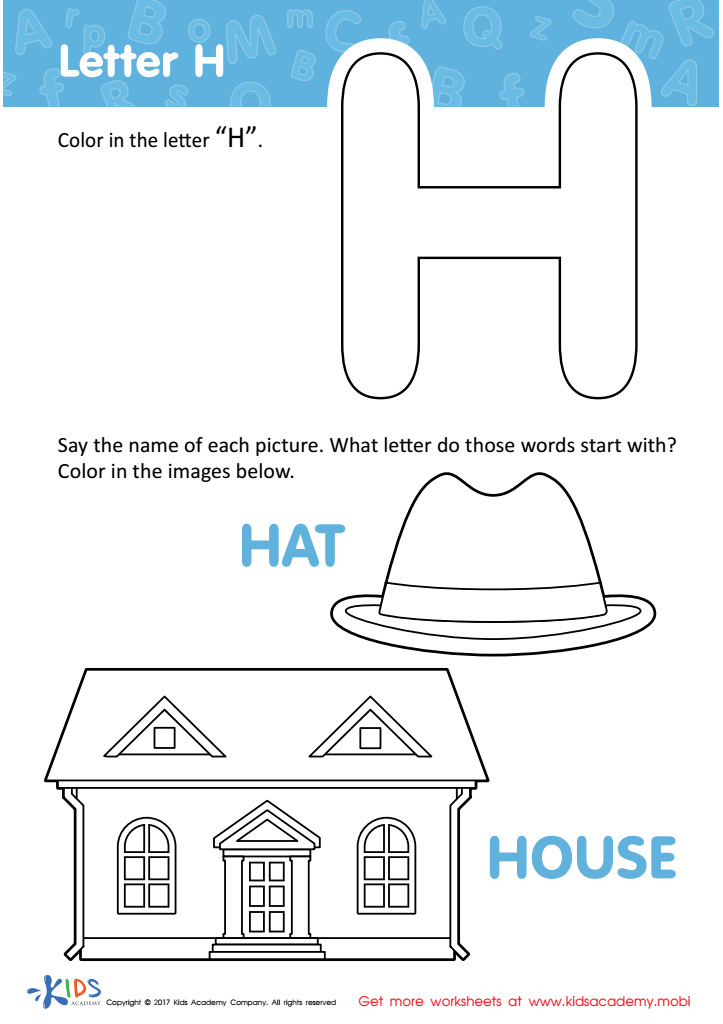
Letter H Coloring Sheet
Assign to My Students
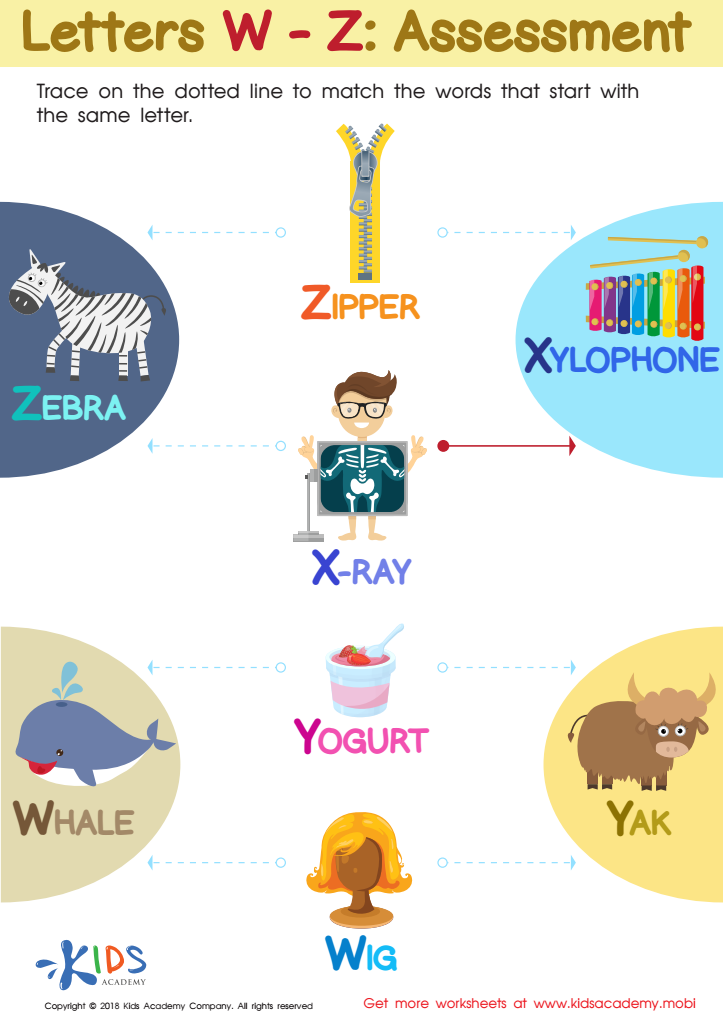
Letters W–Z Tracing Worksheet
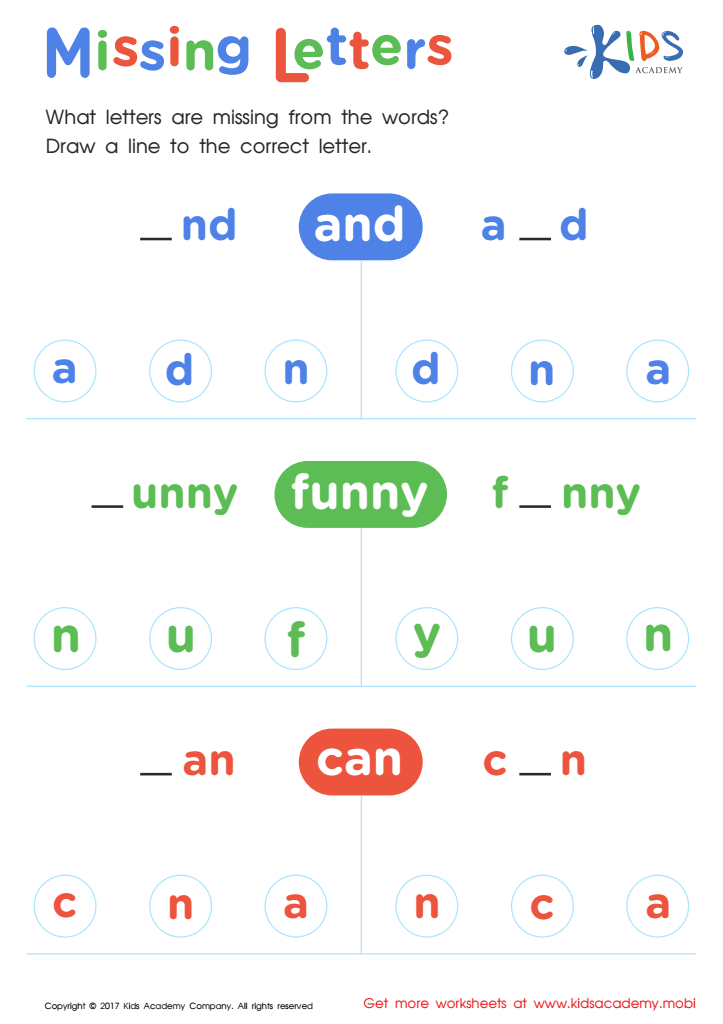
Missing Letters Worksheet
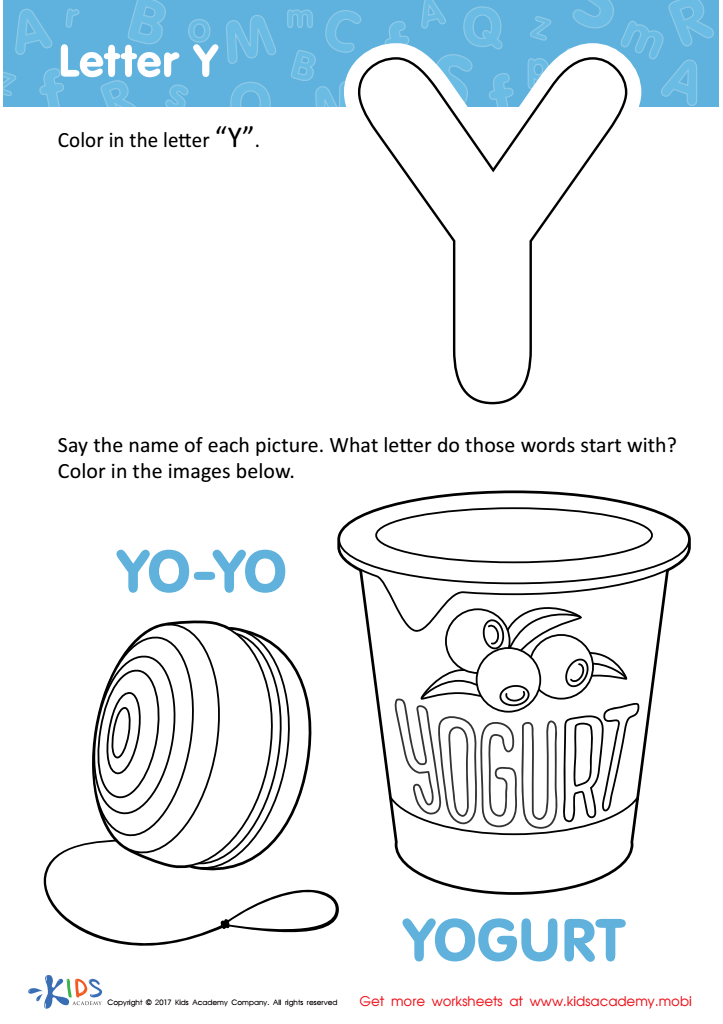
Letter Y Coloring Sheet
Assign to My Students
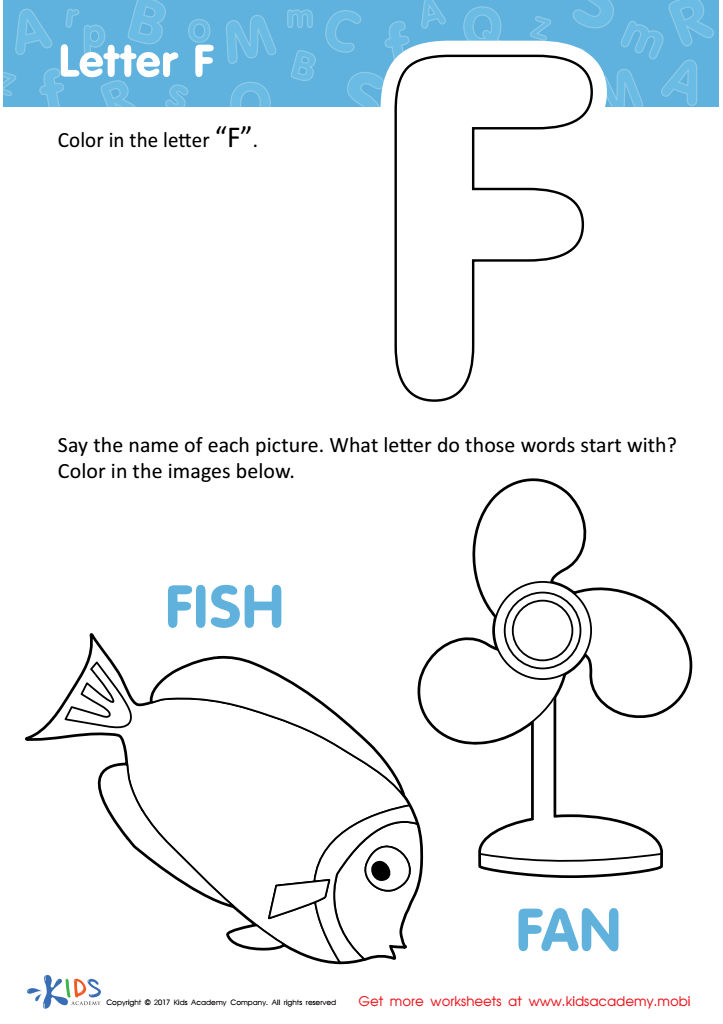
Letter F Coloring Sheet
Assign to My Students
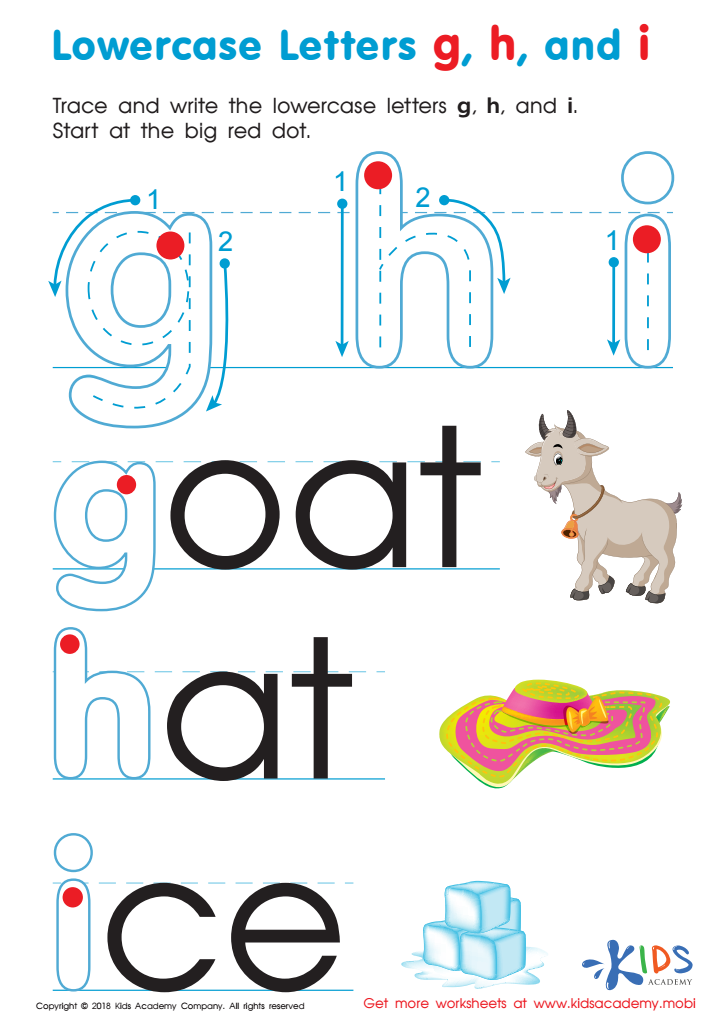
Lowercase Letters g h i Worksheet
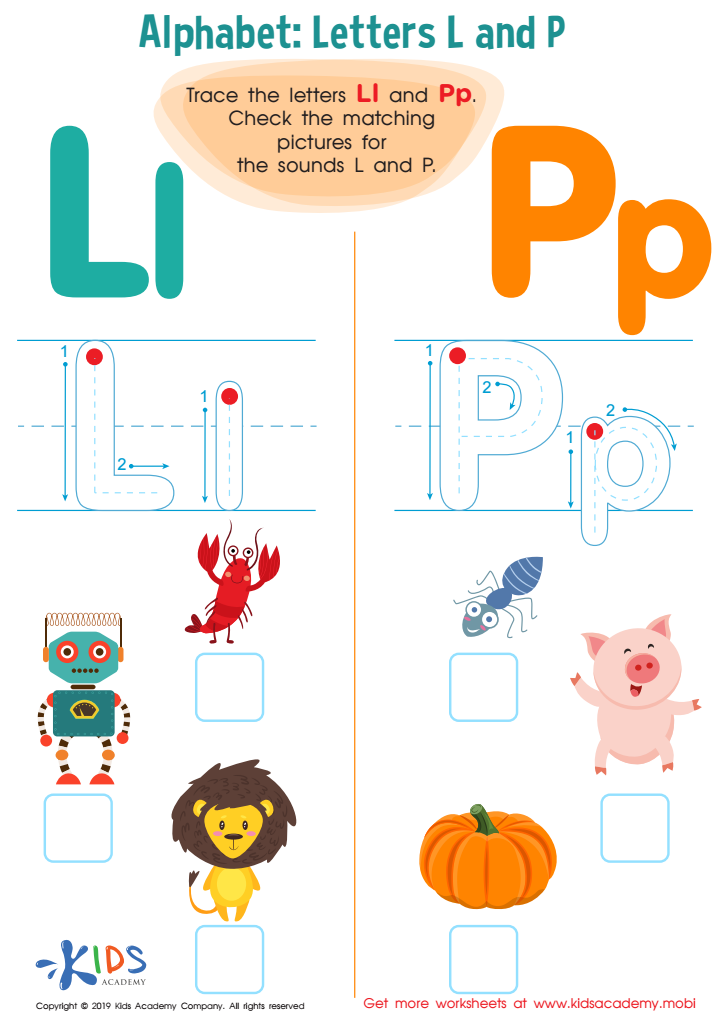
Letter L and P Tracing Worksheet
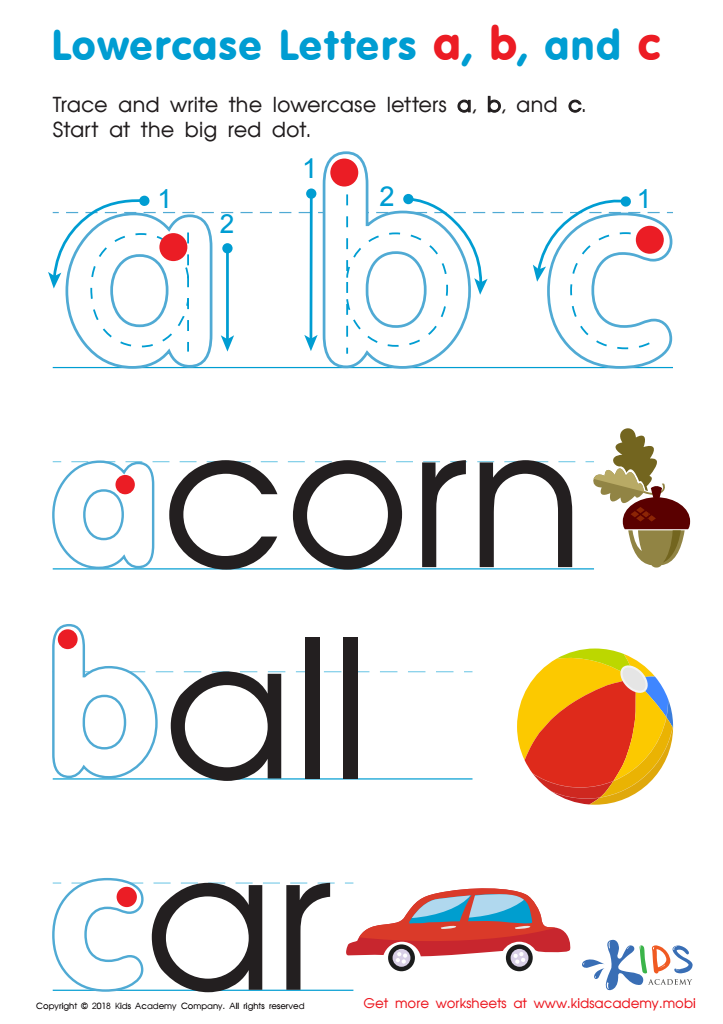
Lowercase Letters a b c Worksheet
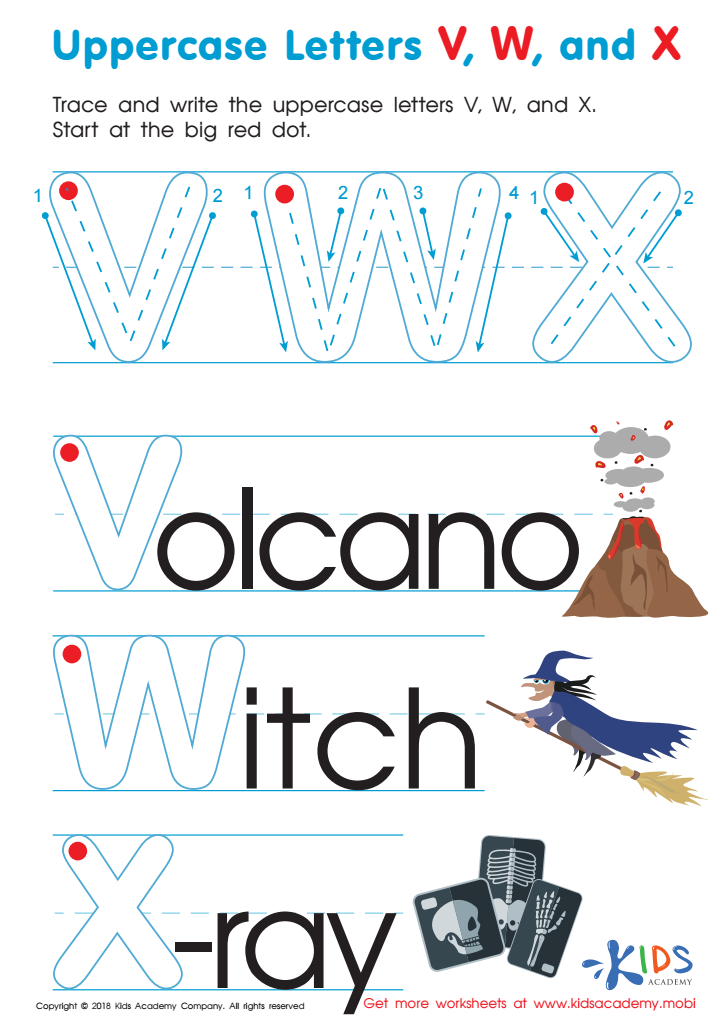
Uppercase Letters V, W, and X Worksheet








Alphabet and letter recognition for ages 4-6 is a foundational milestone in a child's educational development. When parents and teachers focus on this area, they are supporting the essential building blocks for literacy. Here’s why it’s important:
Firstly, alphabet recognition is the first step towards reading fluency. Children who can easily recognize and name letters are better equipped to learn letter-sound relationships crucial for decoding words. Consequently, when they encounter new words, they can break them down into individual sounds and blends more efficiently.
Secondly, early mastery of letter recognition boosts confidence. When children feel competent in recognizing letters, they are more likely to see themselves as proficient learners. This confidence can translate into a love of reading, fostering a positive attitude towards learning in general.
Lastly, alphabet knowledge supports cognitive development. By differentiating letters, children practice visual discrimination and memory retention skills, which are vital for overall academic success. Furthermore, familiarity with letters can enhance vocabulary growth and comprehension skills as children start connecting spoken words to written text.
In summary, prioritizing alphabet recognition in early childhood sets the stage for successful reading experiences, emotional confidence, and cognitive growth, making it a critical area for the attention of both parents and teachers.







