Listening skills Phonics Worksheets for Ages 4-6
8 filtered results
-
From - To
Boost your child’s phonics proficiency with our Listening Skills Phonics Worksheets, designed specifically for ages 4-6! These engaging worksheets help young learners develop essential listening skills through fun, interactive activities that promote phonemic awareness. Each worksheet encourages children to listen attentively while identifying sounds, blending phonemes, and recognizing letters in a variety of contexts. Perfect for homeschooling or classroom use, these worksheets provide a captivating way for preschoolers and kindergarteners to enhance their auditory skills while laying a strong foundation for reading. Download our Listening Skills Phonics Worksheets today and make learning a joyful adventure for your little ones!
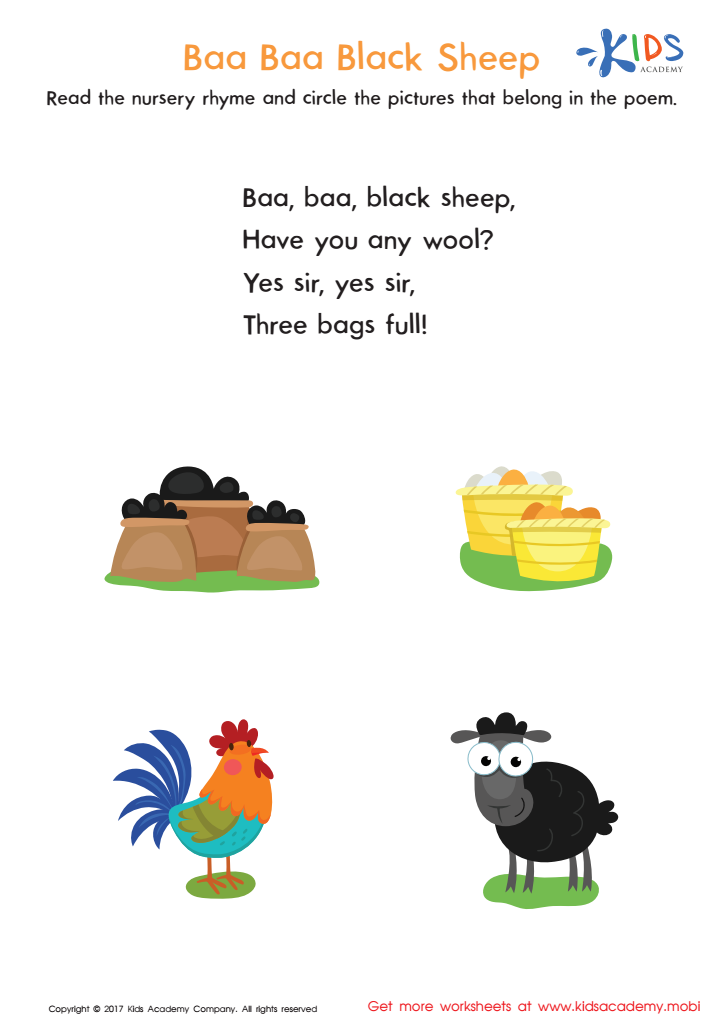
Baa Baa Black Sheep Printable
 Assign to My Students
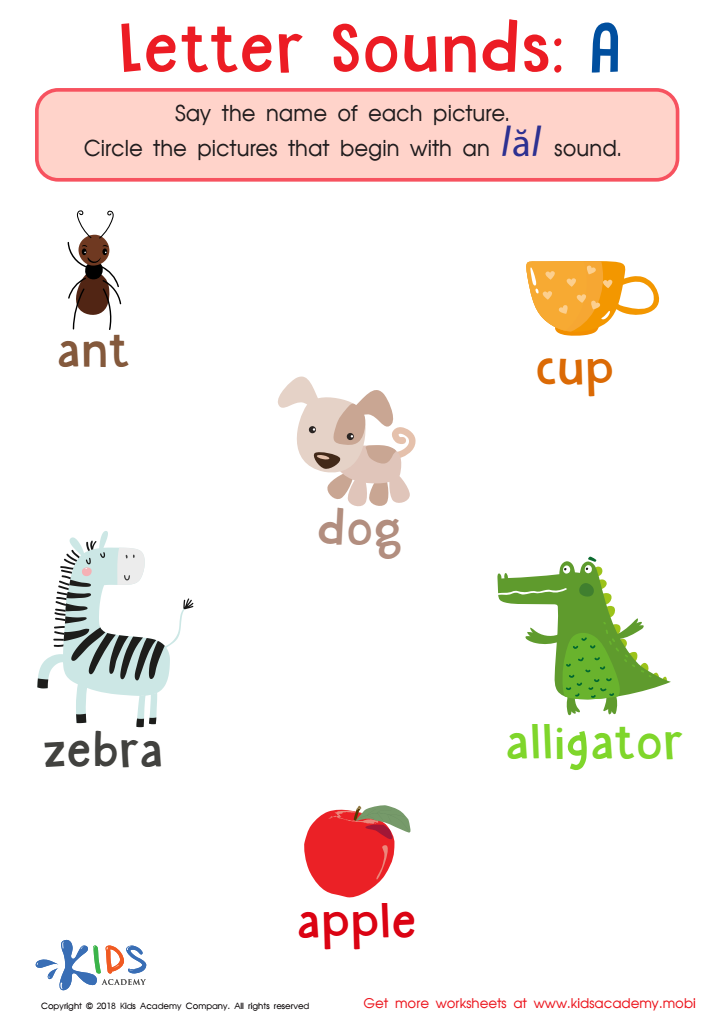
Letter A Sounds Worksheet
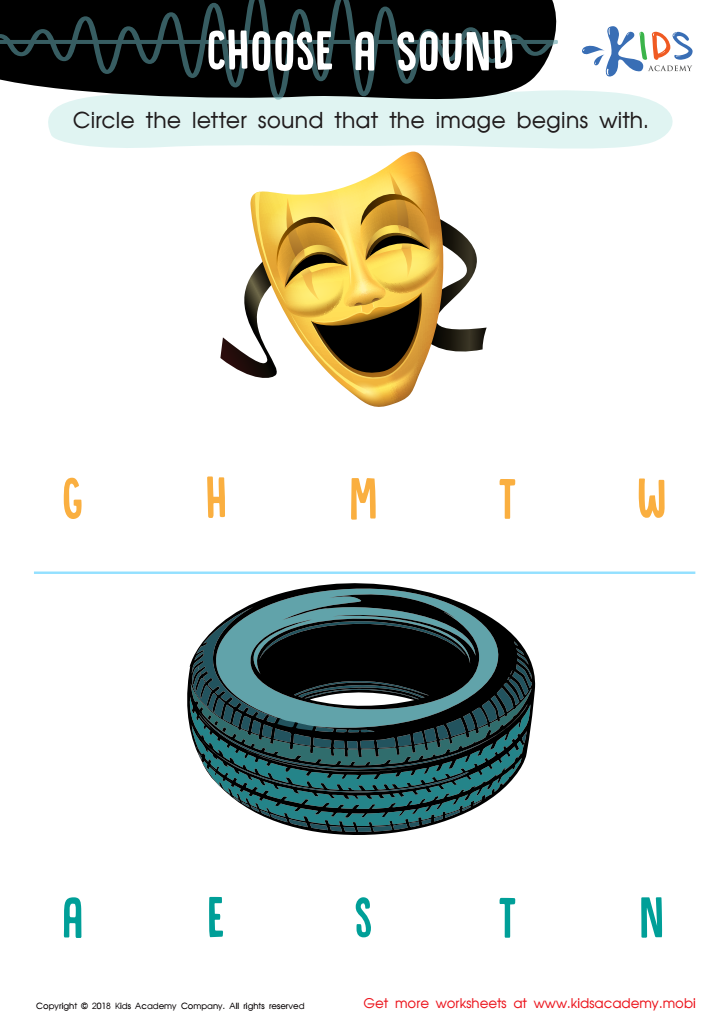
Choose a Sound Worksheet
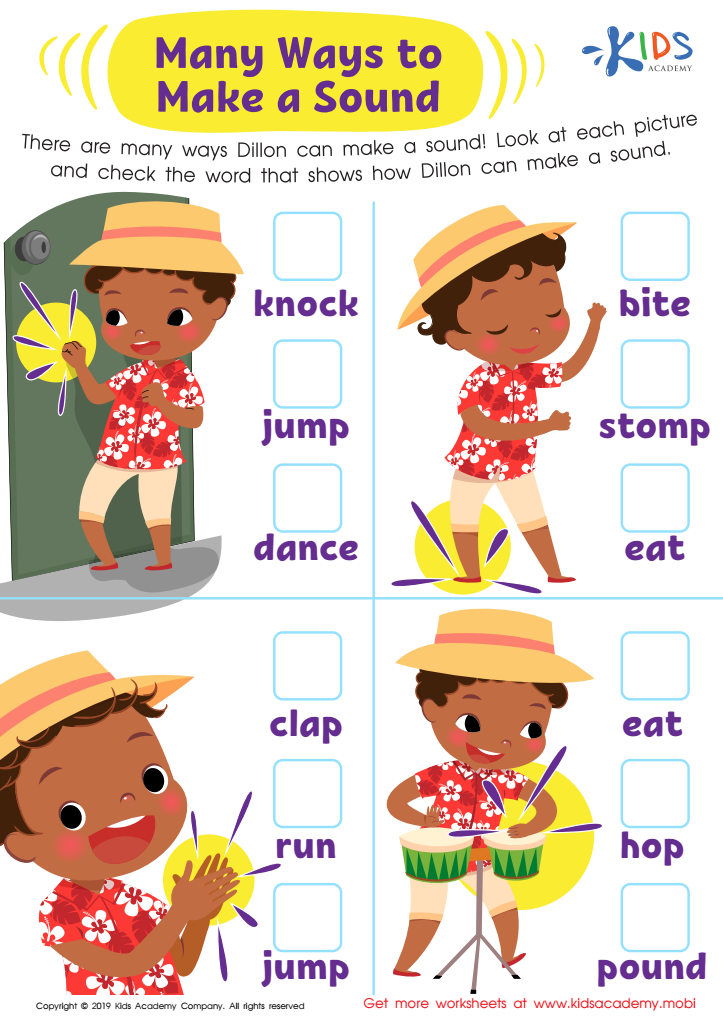
Many Ways to Make a Sound Worksheet
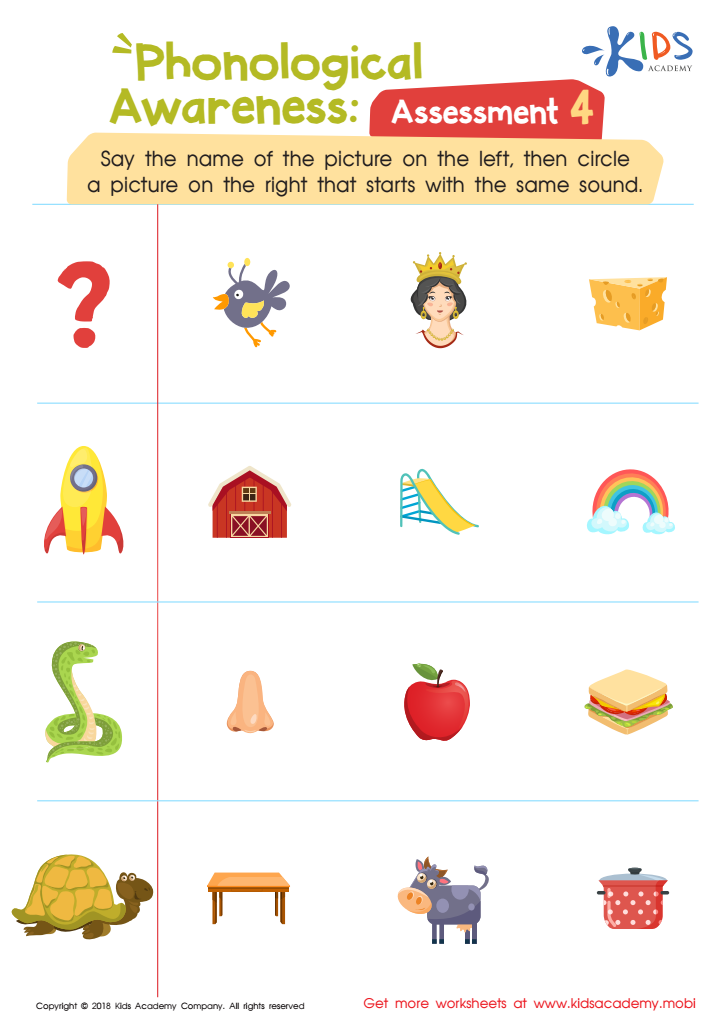
Phonological Awareness: Assessment 4 Worksheet
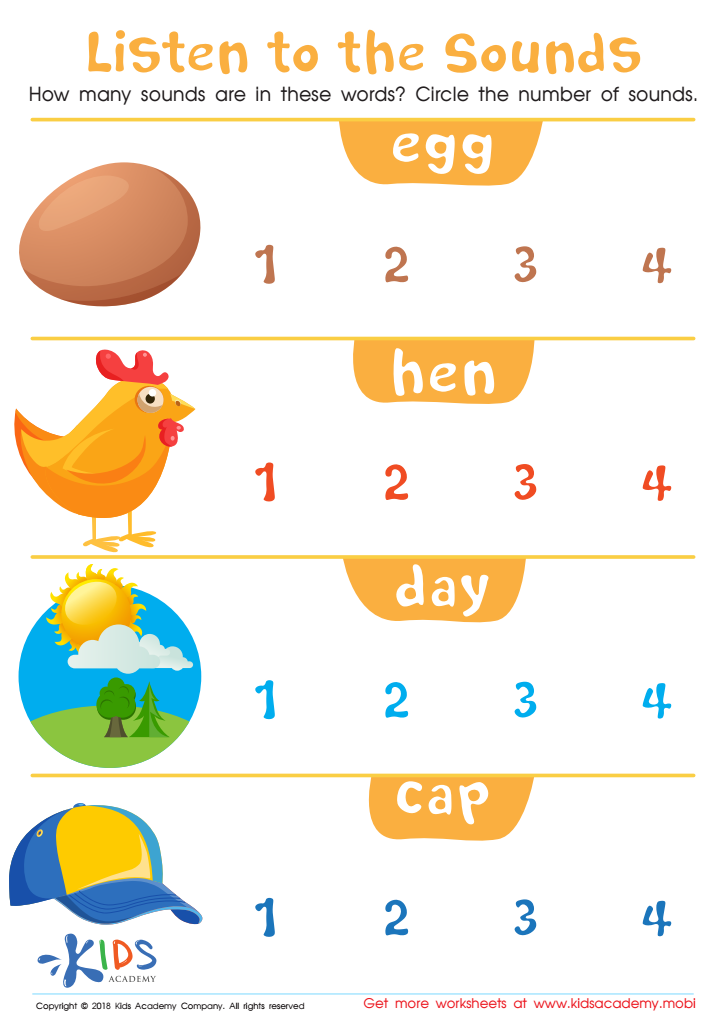
Listen to the Sounds Worksheet
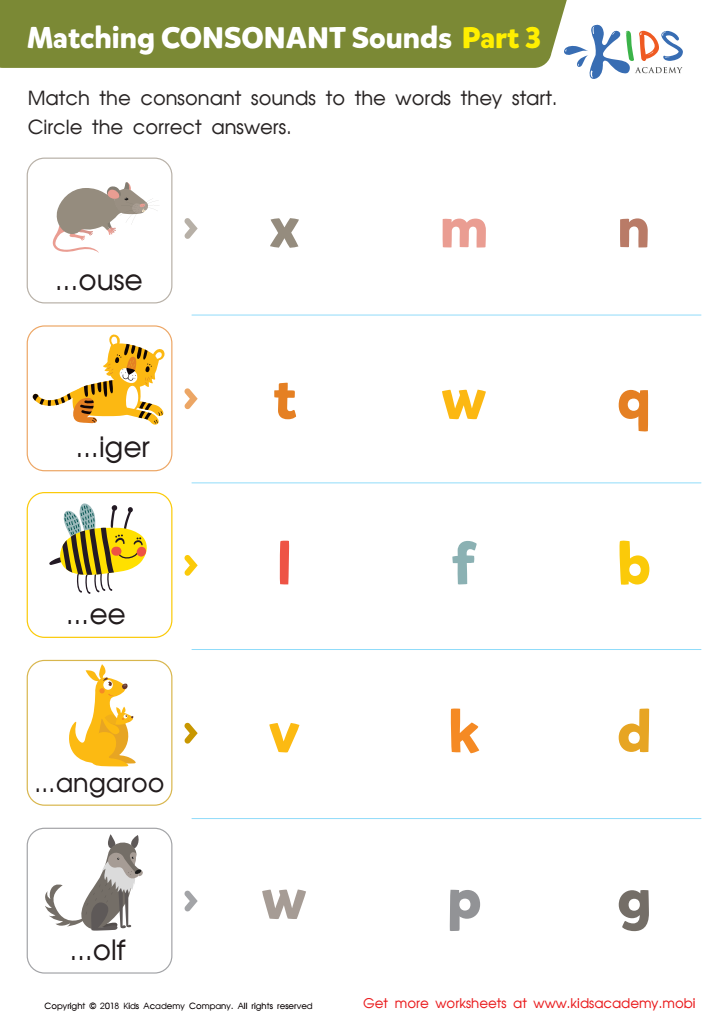
Matching Consonant Sounds: Part 3 Worksheet
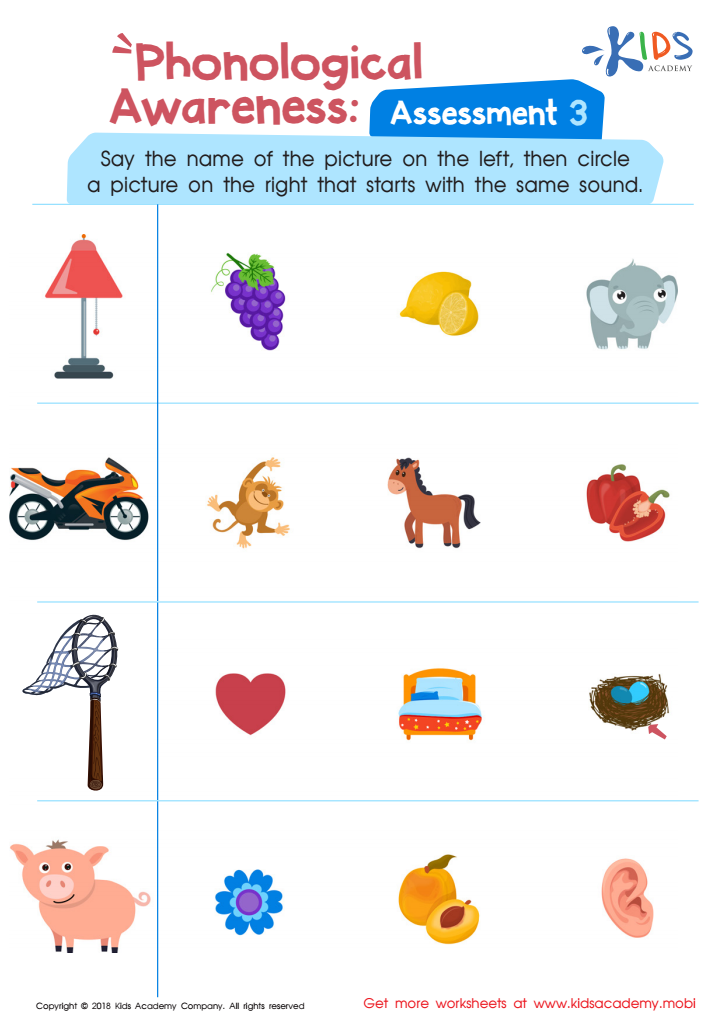
Phonological Awareness: Assessment 3 Worksheet








Listening skills are foundational for the phonics development of children aged 4-6, an essential component of early literacy. During this crucial stage, children begin to connect sounds to letters, forming the basis for reading and writing. When parents and teachers prioritize listening skills, they enable children to distinguish between different phonemes, helping them decode words subsequently.
Effective listening nurtures attention span and enhances cognitive skills, preparing children for structured learning environments. By engaging in songs, stories, and phonetic games, adults can create an immersive auditory experience that captures children's interest and promotes phonemic awareness. This is vital, as studies show strong phonemic awareness correlates with reading success.
Furthermore, fostering good listening abilities supports social skills. When children attentively listen, they learn to respond appropriately, enhancing communication and interpersonal relationships. Parents and teachers can contribute to this by modeling active listening and encouraging dialogue, facilitating an understanding of others' perspectives.
In essence, focusing on listening skills during the phonics stage cultivates a robust foundation for literacy and holistic development. By investing time in this area, parents and educators contribute to a child's lifelong learning journey, equipping them with essential skills for academic success and beyond.







