Word identification Phonics Worksheets for Ages 4-6
4 filtered results
-
From - To
Boost your child's reading skills with our engaging Word Identification Phonics Worksheets, specially designed for ages 4-6! These worksheets offer a fun way for young learners to recognize and decode words using phonetic sounds. With a variety of activities such as matching, tracing, and word searches, children will strengthen their vocabulary and reading comprehension while enjoying the learning process. Each worksheet aligns with early literacy standards, ensuring effective skill development in a playful format. Perfect for parents, teachers, or homeschoolers, these resources help create a strong foundation in phonics and word identification, setting the stage for lifelong reading success!
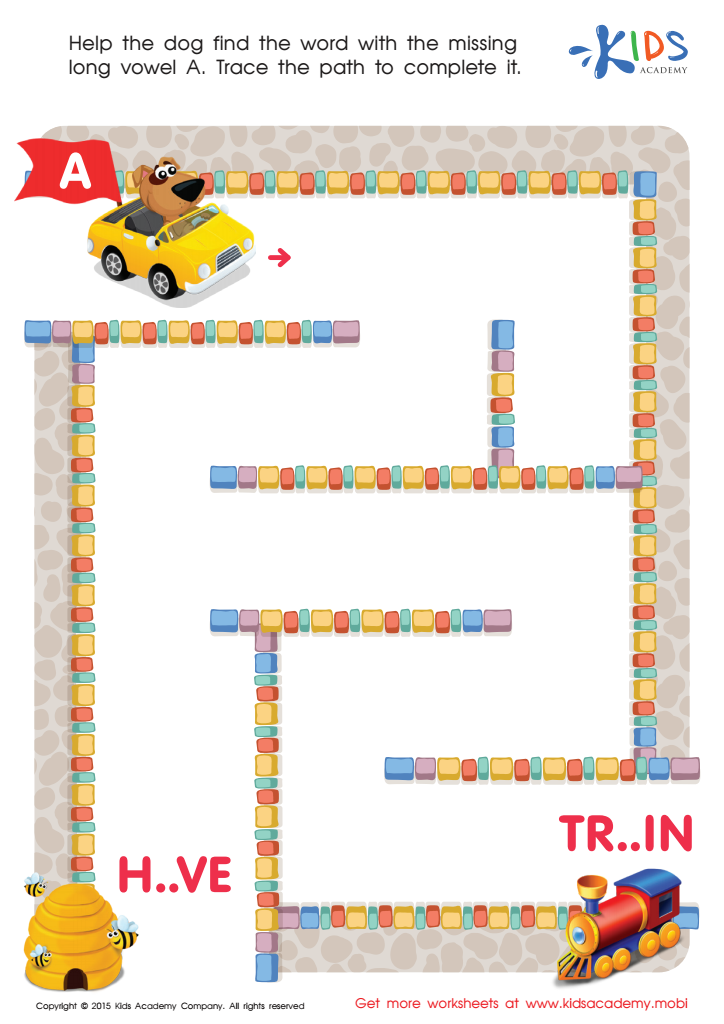
Long Vowel Sound A Worksheet
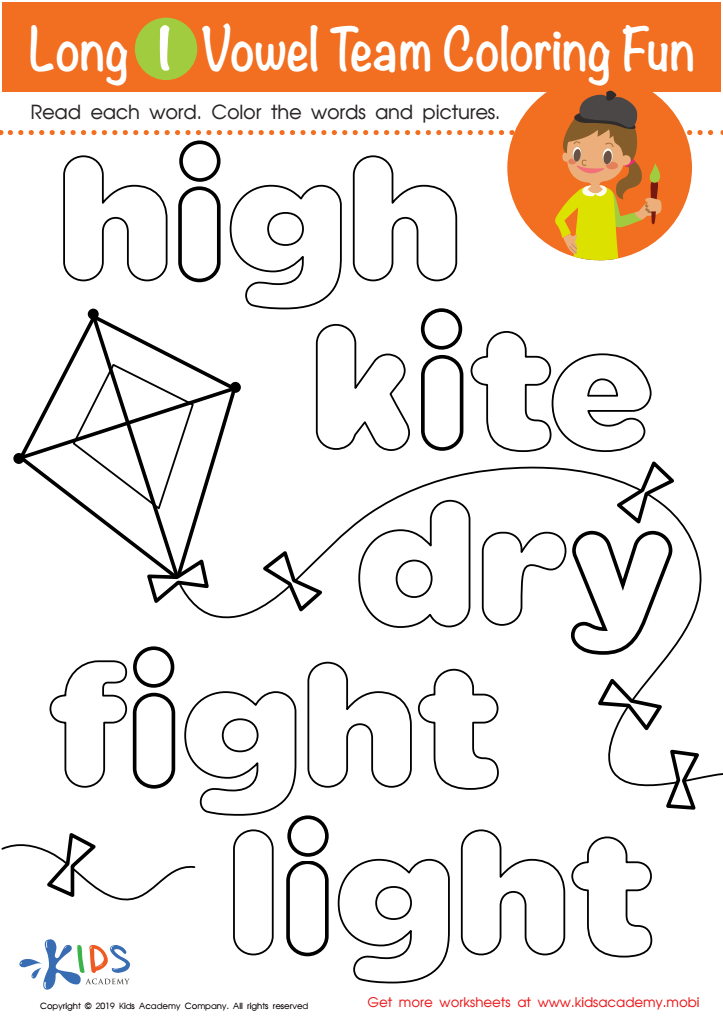
Long I Vowel Team Coloring Worksheet
 Assign to My Students
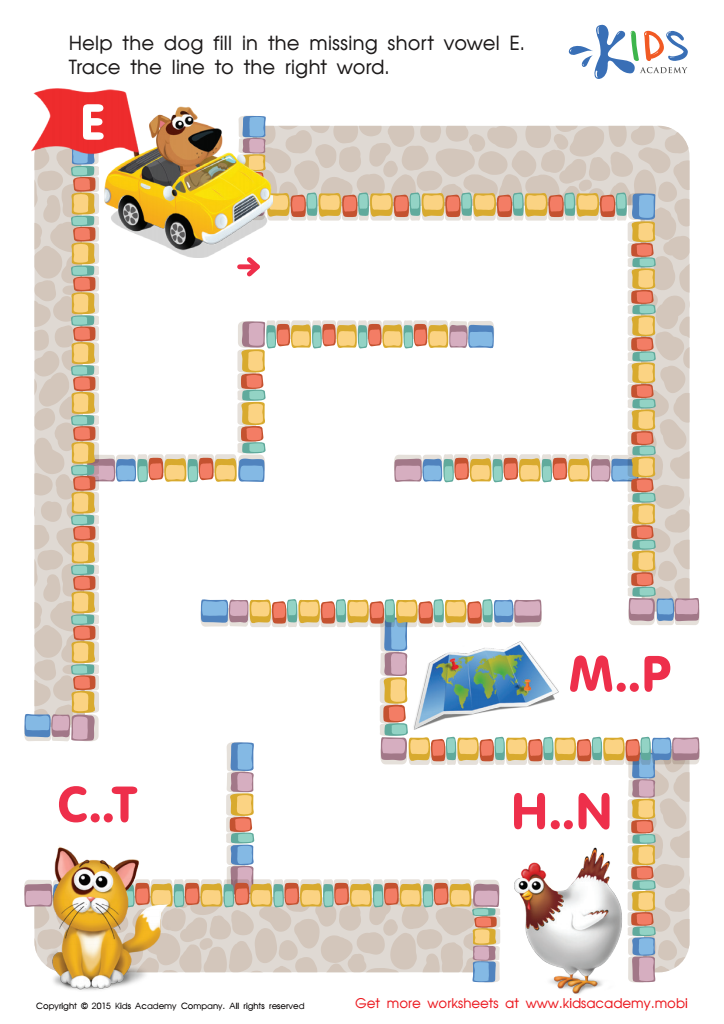
Short Vowel Sound E Worksheet
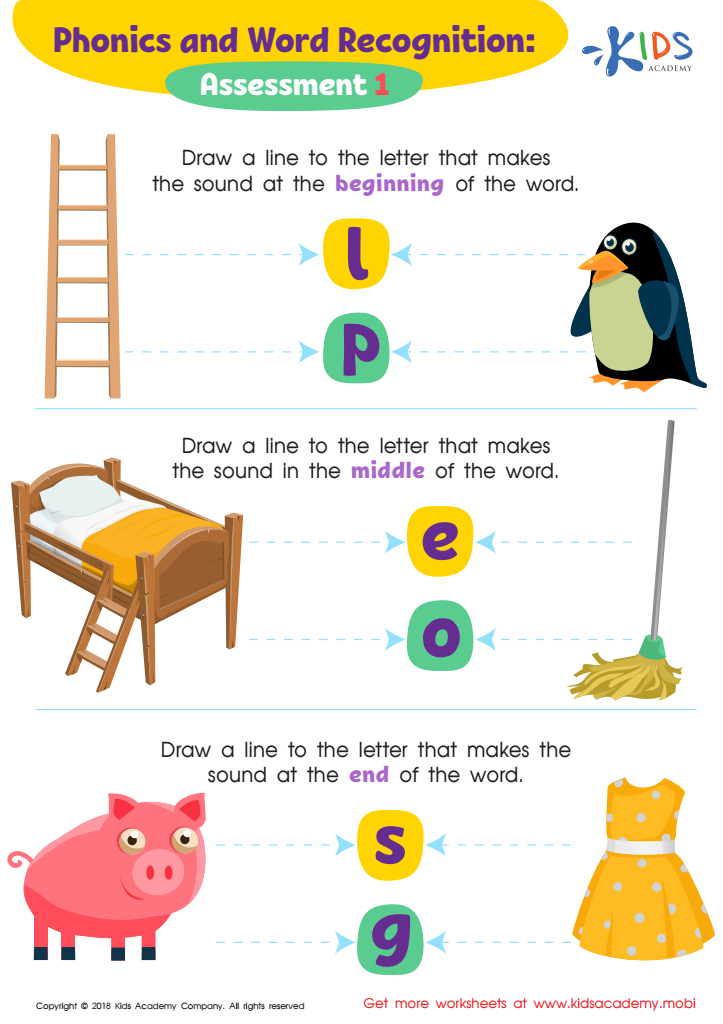
Phonics and Word Recognition: Assessment 1 ELA Worksheet








Word identification and phonics are critical components of early literacy for children aged 4-6. During these formative years, children develop foundational skills necessary for reading and writing, making phonics the gateway to literacy. Understanding the relationship between sounds (phonemes) and letters (graphemes) enables young learners to decode new words, enhancing their overall reading fluency and comprehension.
Parents and teachers should care about phonics because it equips children with the strategies needed to approach reading independently. Strong phonics skills foster confidence, allowing children to tackle unfamiliar words without hesitation. Moreover, children who receive effective phonics instruction are better prepared for more advanced literacy tasks in later grades.
Additionally, engaging in phonics activities promotes language development, improves vocabulary, and instills a love of reading, setting the stage for lifelong learning. In today's competitive academic landscape, the ability to read proficiently by the end of third grade is critical, directly impacting future educational opportunities. By prioritizing phonics in early education, parents and teachers join forces in nurturing a strong foundation for literacy, paving the way for children to become successful, confident readers. Ultimately, investing in phonics is investing in a child's educational future.







