Alphabet tracing Tracing Letters Worksheets for Ages 4-6
7 filtered results
-
From - To
Discover the perfect learning tool for young learners with our Alphabet Tracing Worksheets for Ages 4-6 at Kids Academy! These interactive pages are designed to help little ones develop fine motor skills and letter recognition through engaging tracing activities. Each worksheet emphasizes fun and educational exercises, ensuring your child learns the alphabet with confidence. The worksheets promote proper letter formation, making early writing practice enjoyable and effective. Ideal for preschoolers and kindergarteners, our resources provide a solid foundation for reading and writing success. Enhance your child's early education journey today with Kids Academy’s Alphabet Tracing Worksheets!
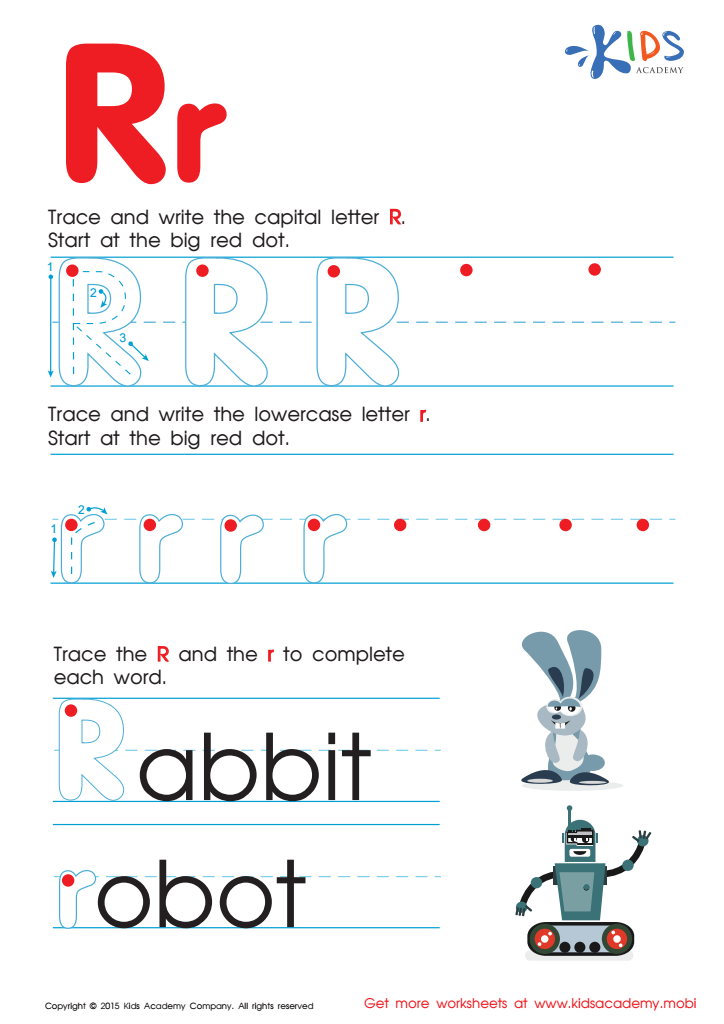
Letter R Tracing Page
 Assign to My Students
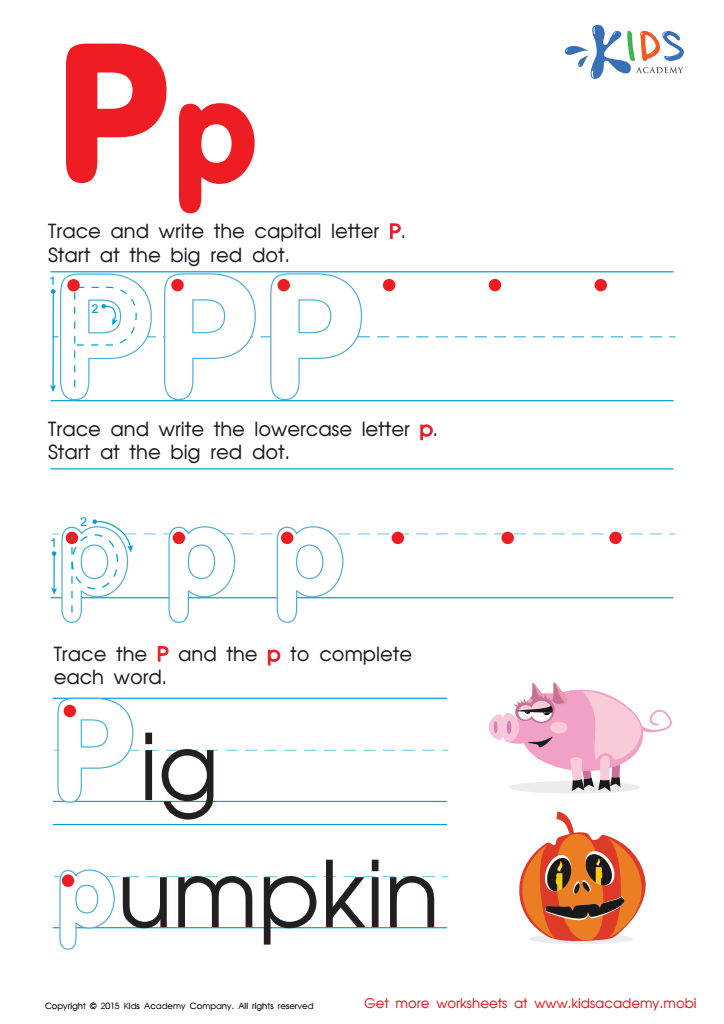
Letter P Tracing Page
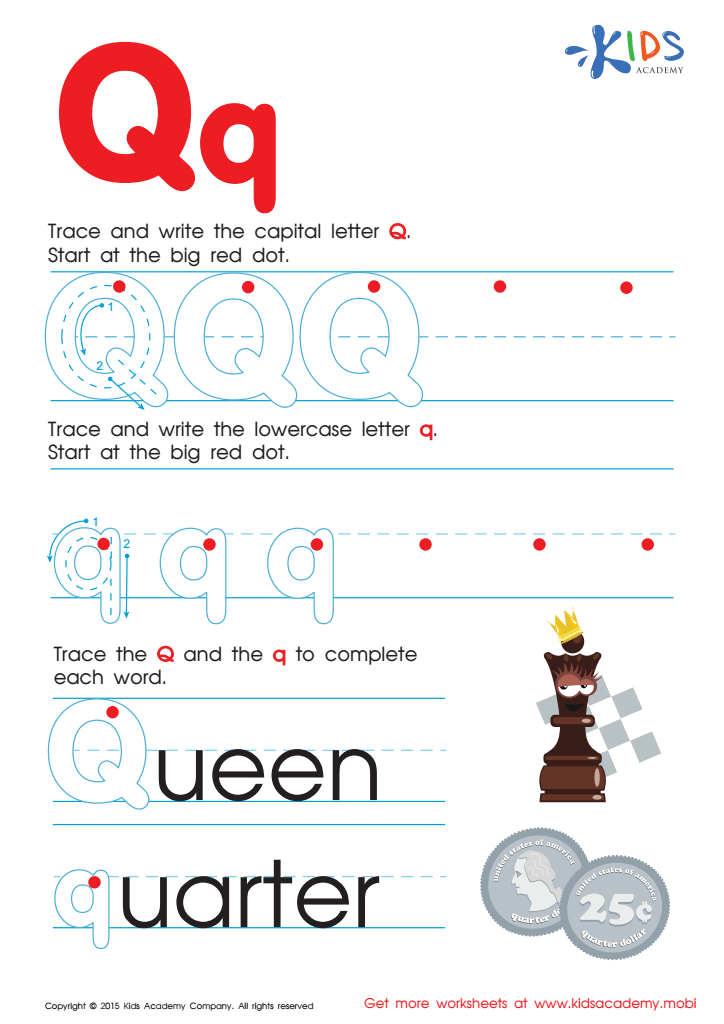
Letter Q Tracing Page

Letter H Tracing Page
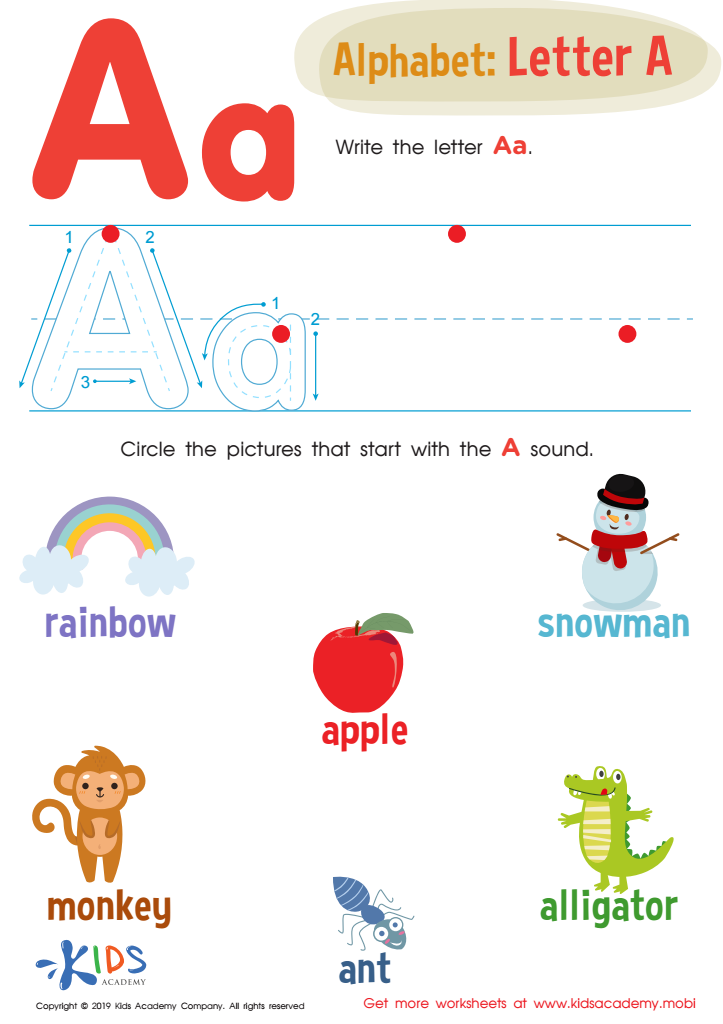
Letter A Tracing Worksheet
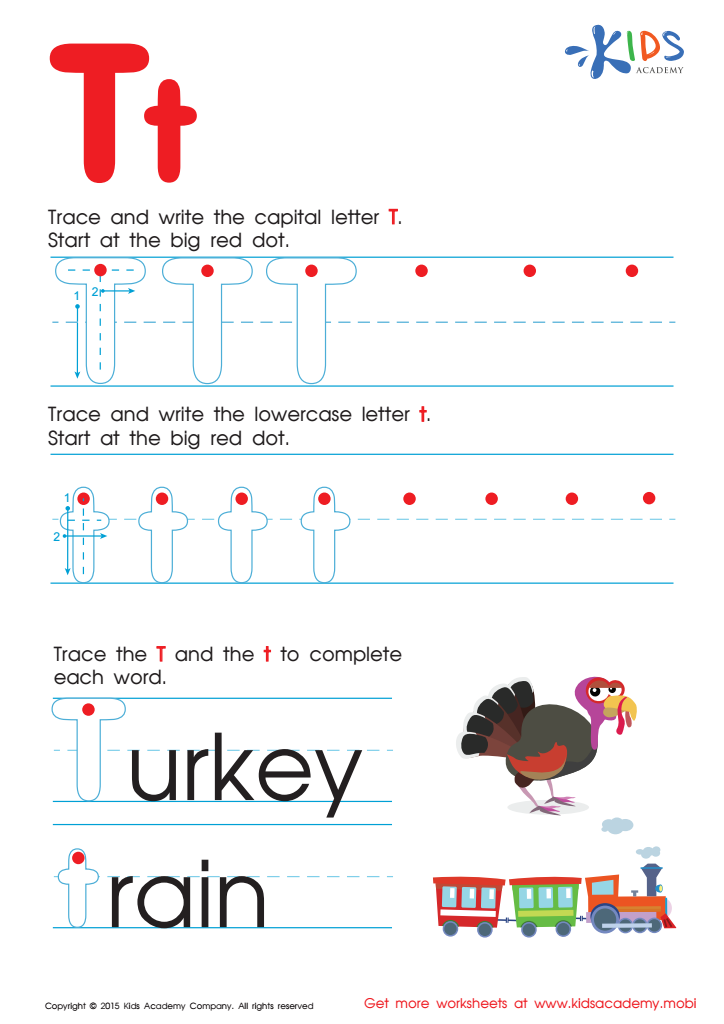
Letter T Tracing Page
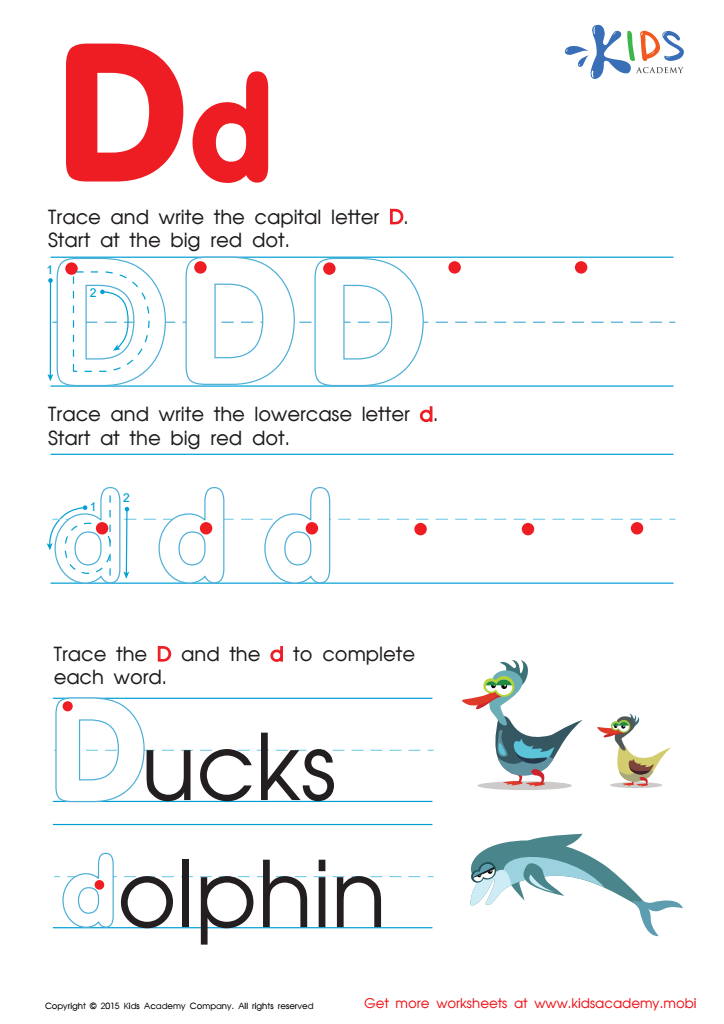
Letter D Tracing Page








Parents and teachers should prioritize alphabet tracing for children aged 4-6 because it lays a crucial foundation for literacy and cognitive development. At this tender age, children are beginning to recognize and understand the basics of language and communication. Tracing letters helps them become familiar with the shapes and forms of the alphabet, which is essential for reading and writing.
Hand-eye coordination is significantly enhanced through tracing activities. As children focus on accurately tracing each letter, they develop fine motor skills that are important for daily tasks and academic success. This activity also fosters the child’s ability to concentrate and follow instructions, key skills that contribute to overall learning competence.
Furthermore, early exposure to literacy through tracing makes the learning process enjoyable and stimulating. It allows children to establish a positive relationship with writing, boosting their confidence and eagerness to learn more. Alphabet tracing serves as an introductory step to spelling words and forming sentences, thus opening pathways toward effective communication.
For educators and parents, incorporating alphabet tracing into daily routines provides a structured, engaging means of advancing both cognitive and motor development in young children. By ensuring children master these preliminary skills, adults can support their transition into more complex literacy and lifelong learning experiences.








