Fine Motor Skills Tracing Letters Worksheets for Ages 4-6 - Page 2
35 filtered results
-
From - To
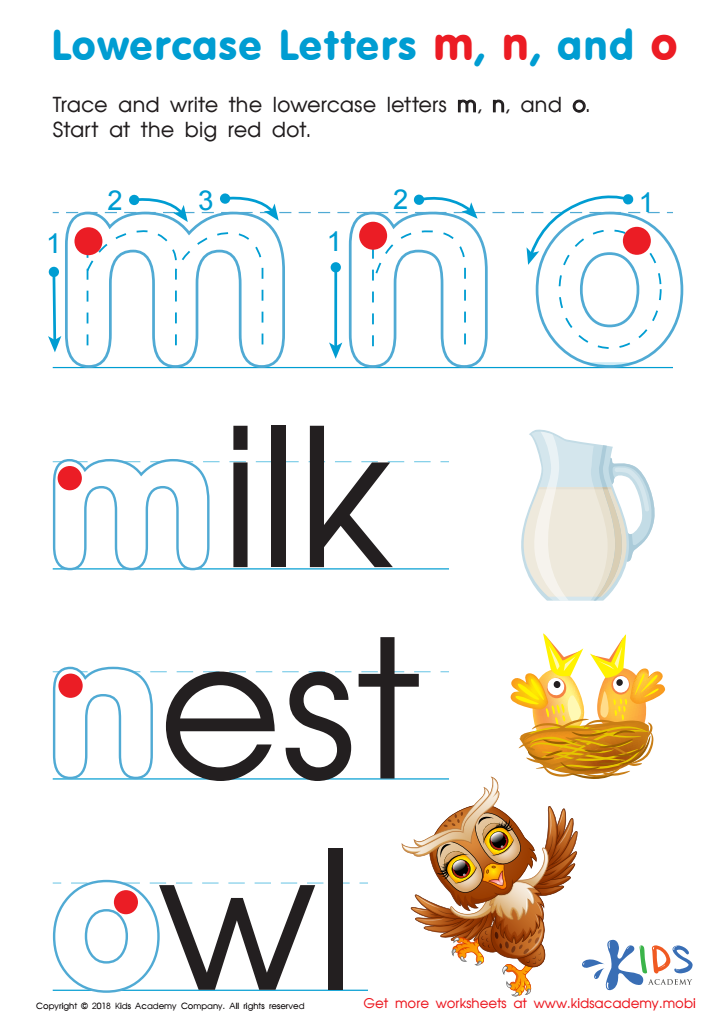
Lowercase Letters m n o Worksheet
 Assign to My Students
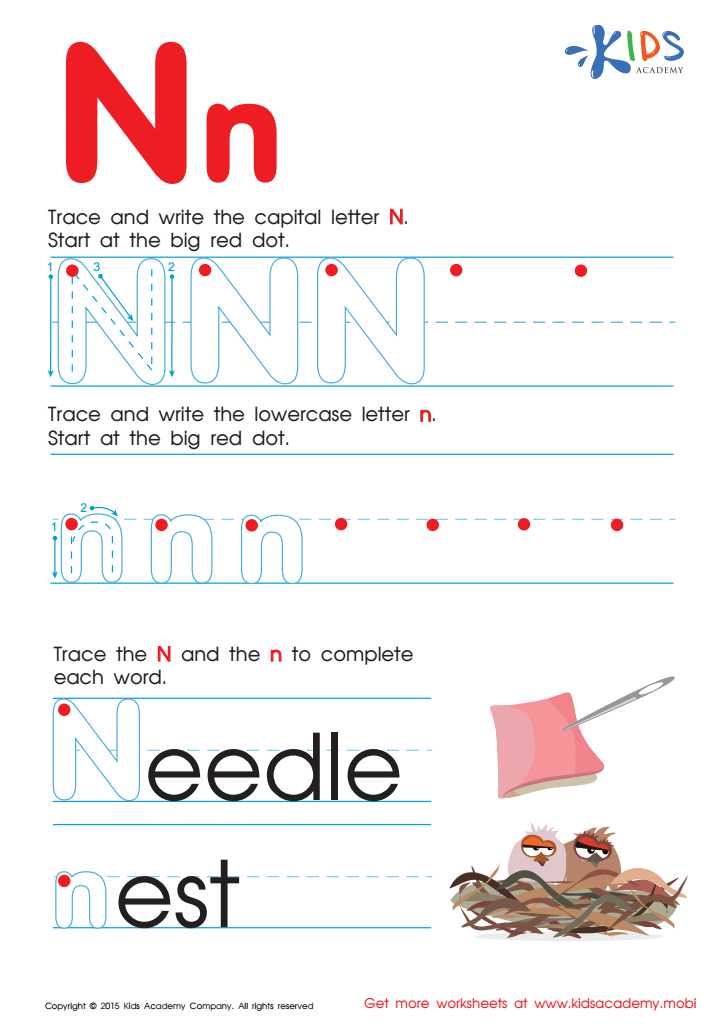
Letter N Tracing Page
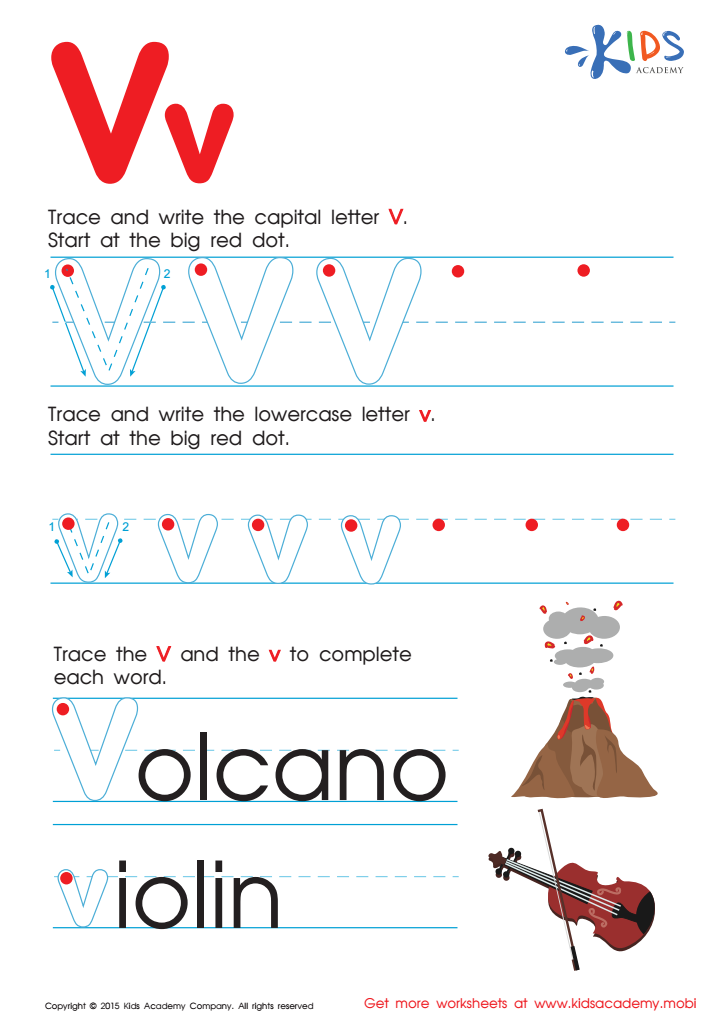
Letter V Tracing Page
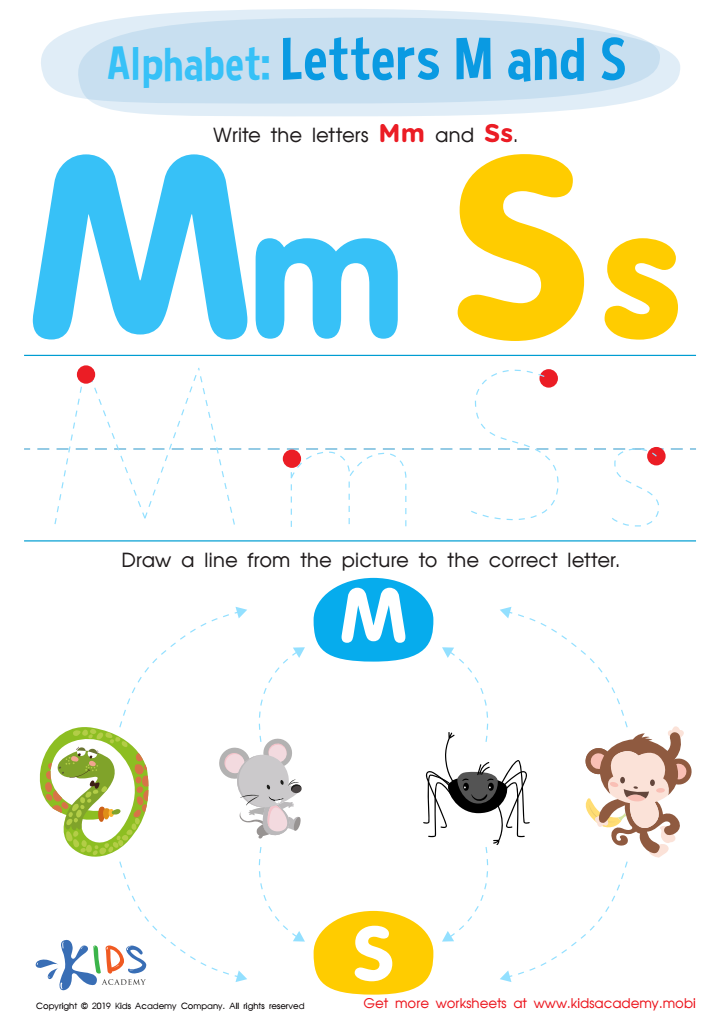
Letters M and S Tracing Worksheet
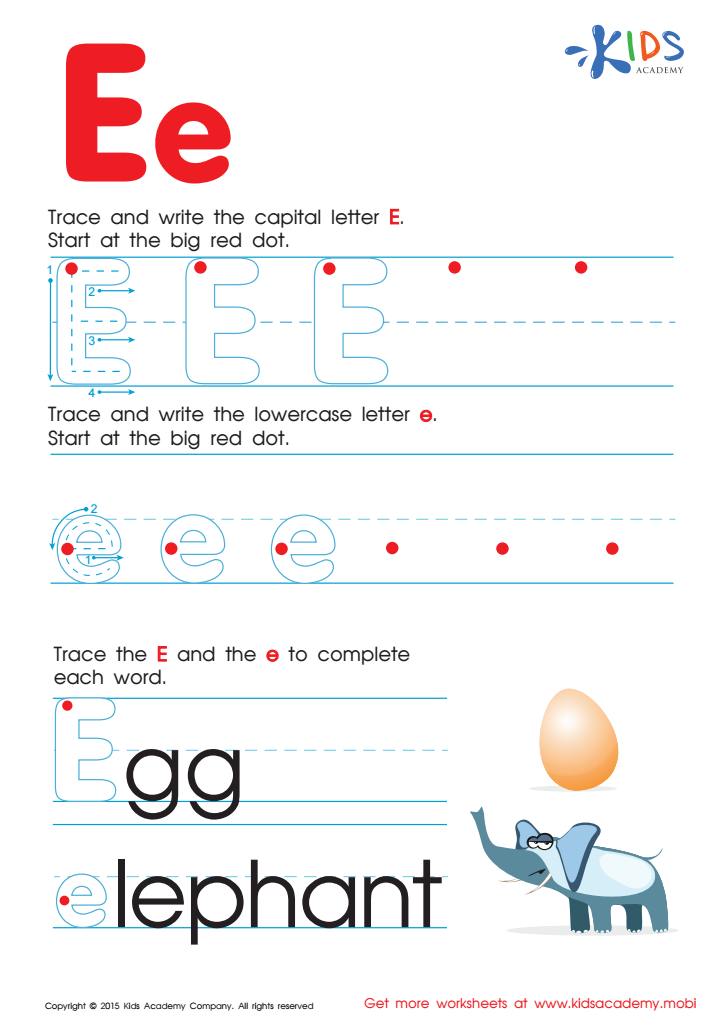
Letter E Tracing Page
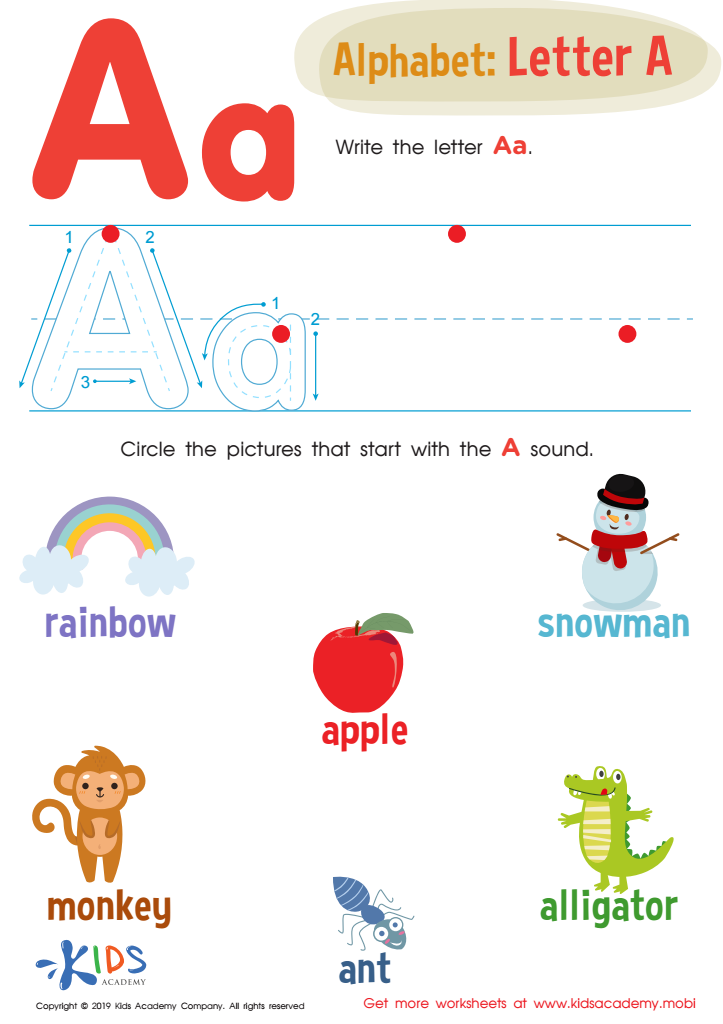
Letter A Tracing Worksheet
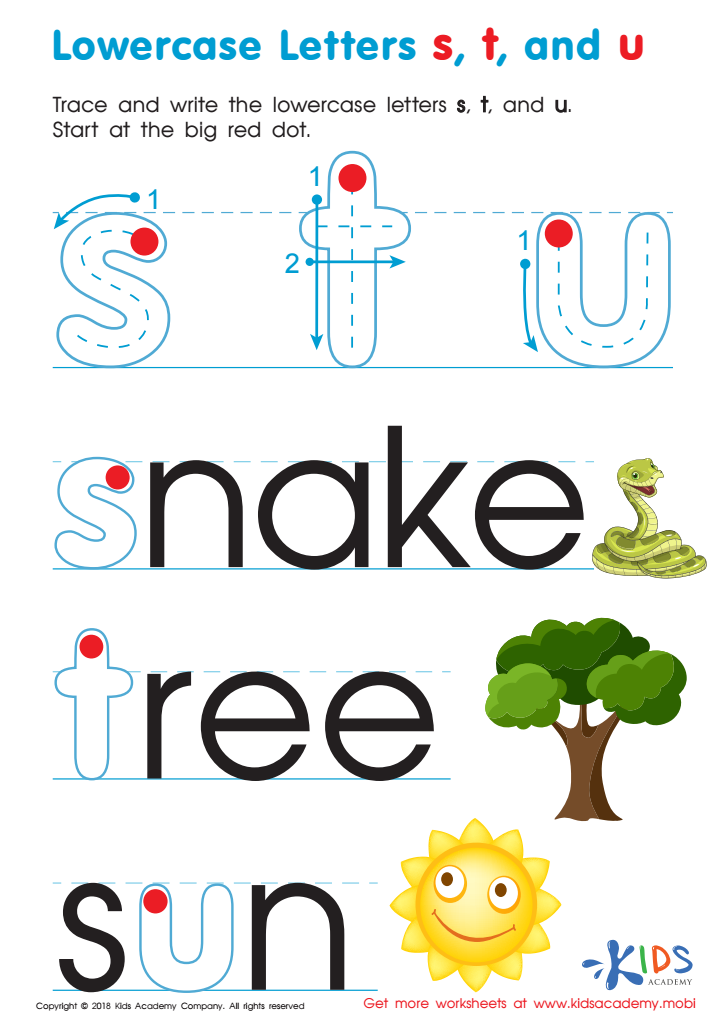
Lowercase Letters s t u Worksheet
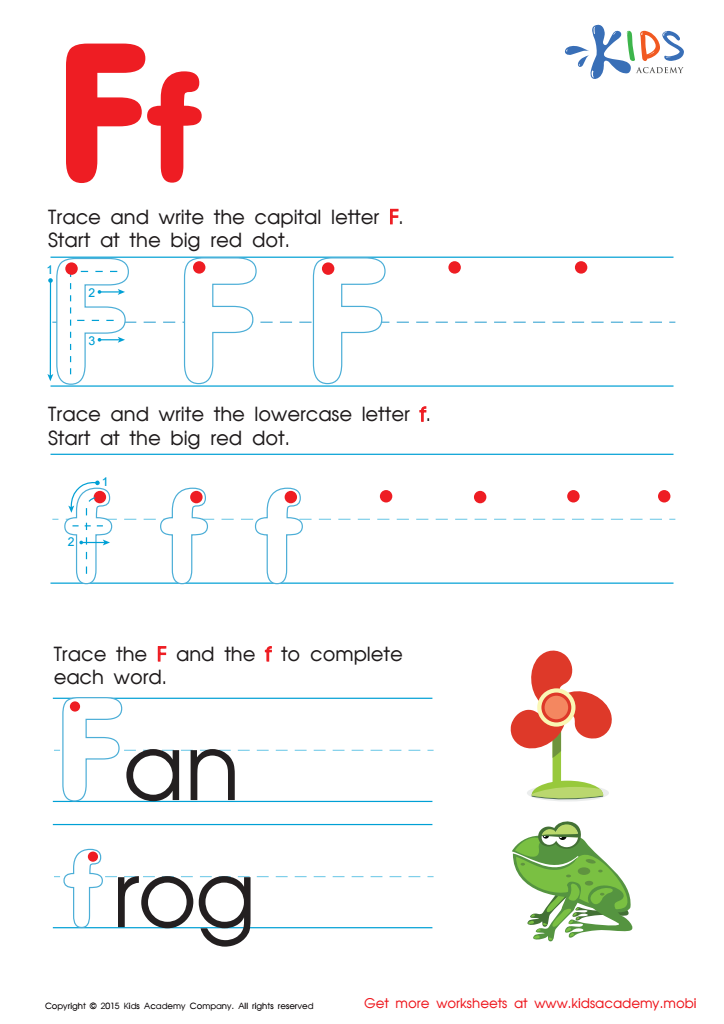
Letter F Tracing Page
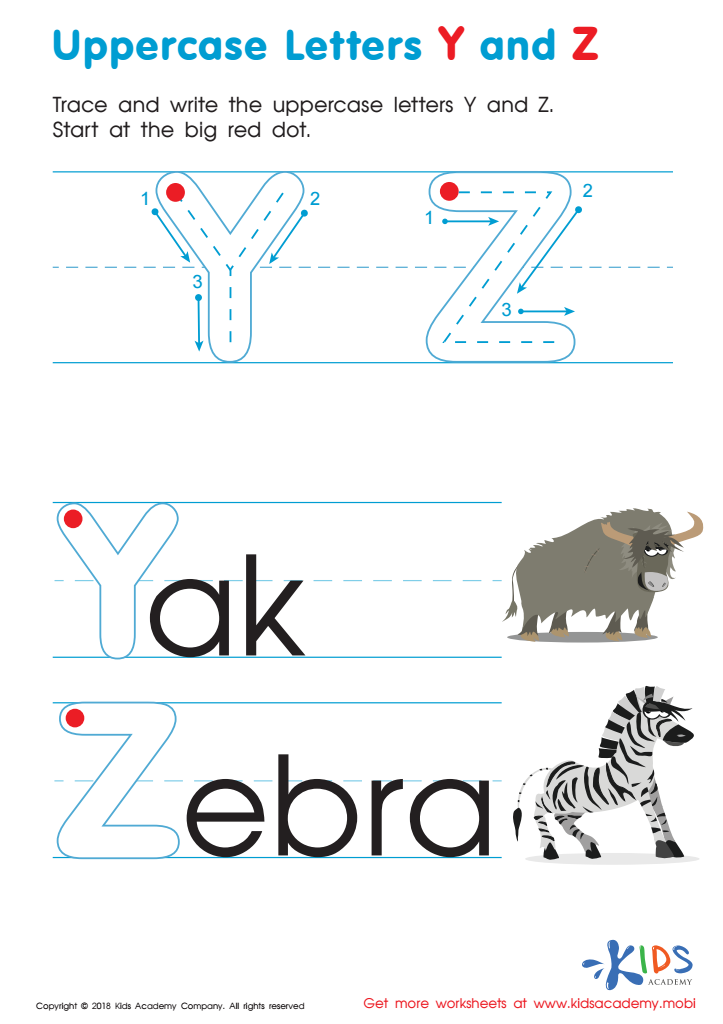
Uppercase Letters Y Z Worksheet
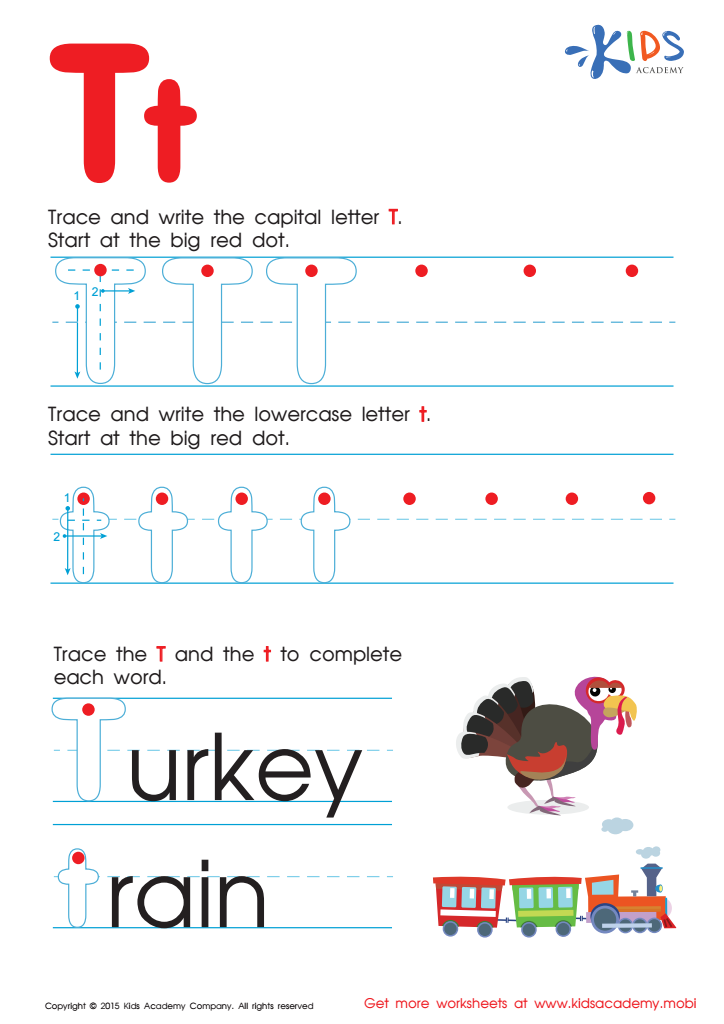
Letter T Tracing Page
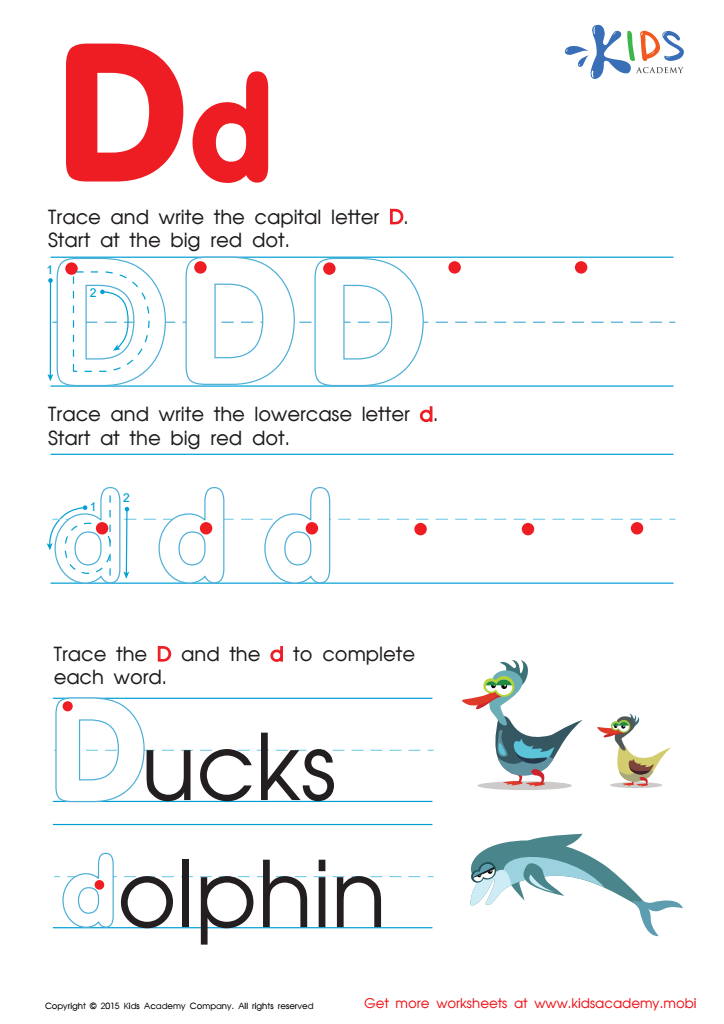
Letter D Tracing Page








Fine motor skills are crucial for children's development, particularly during the ages of 4-6. As they learn to trace letters, they refine their ability to use small muscles in the hands and fingers, which lays the groundwork for skills needed in writing, drawing, and daily tasks like buttoning clothes or using utensils. Tracing letters helps to improve hand-eye coordination, control, and dexterity, essential components for future academic success.
Parents and teachers should care about fine motor skill development as it affects a child's confidence and independence. Mastering letter tracing can enhance a child's literacy skills, making it easier for them to recognize letters and form words, which are foundational for reading and writing. These early experiences can influence their attitude towards learning and schooling, shaping their overall academic journey.
In addition, engaging children in activities that promote fine motor skills fosters patience, perseverance, and focus, which are important attributes in any learning environment. Encouraging fine motor skill development through tracing letters goes beyond writing; it cultivates essential cognitive and emotional skills, setting a positive trajectory for children's growth and learning as they enter formal education. Therefore, prioritizing fine motor development in early years is integral for overall success.








