Animal recognition Worksheets for Ages 4-6 - Page 4
118 filtered results
-
From - To
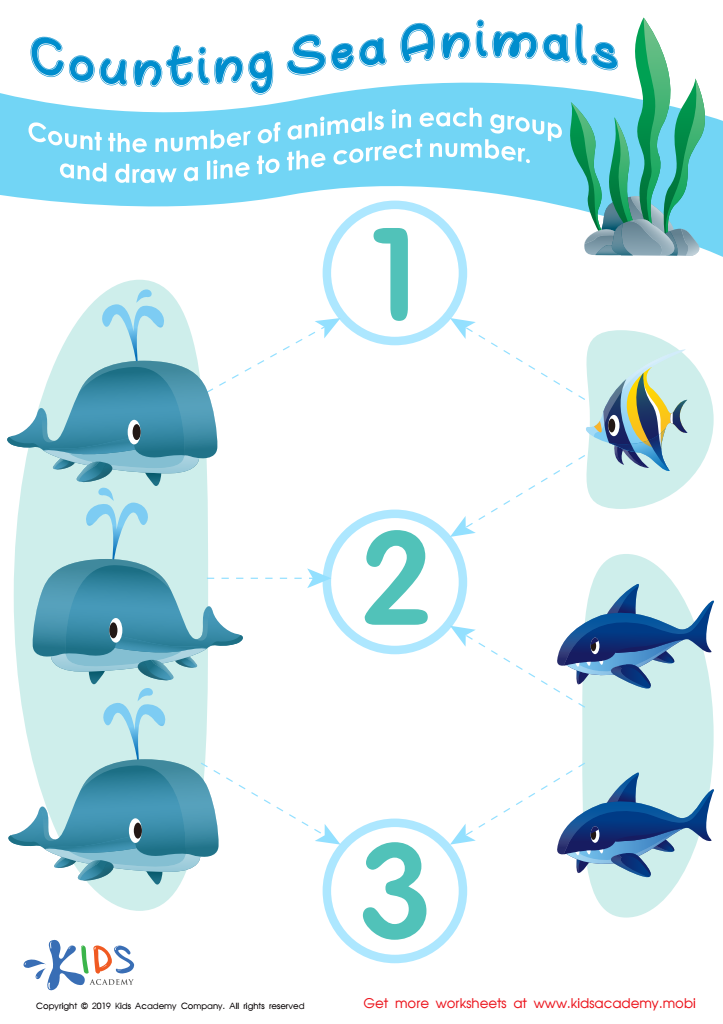
Counting Sea Animals Worksheet
 Assign to My Students
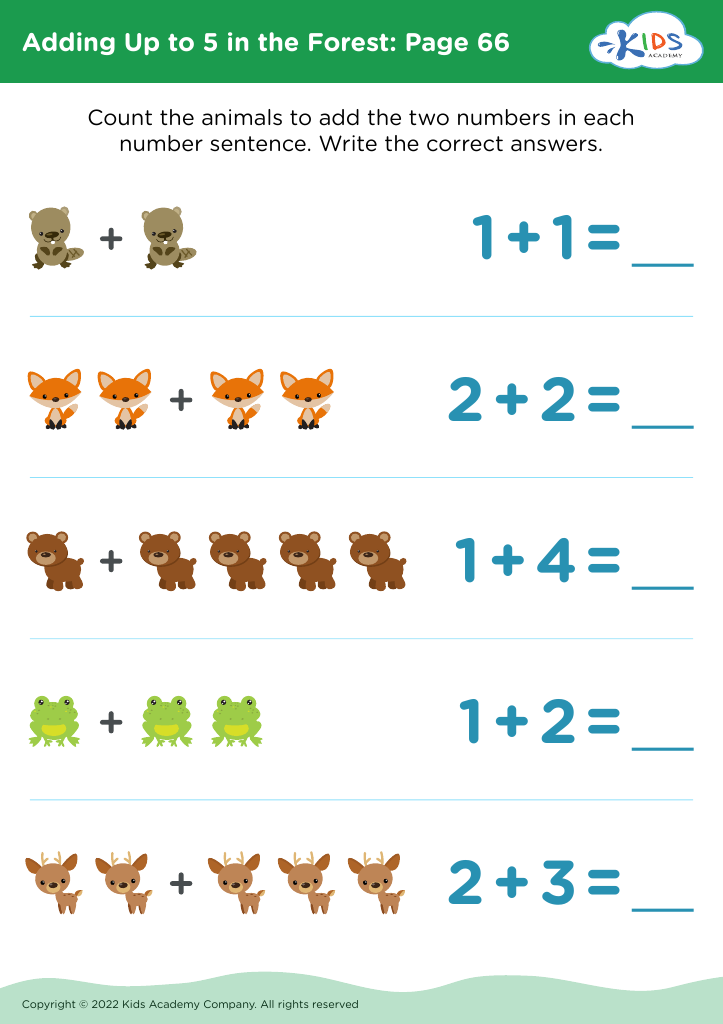
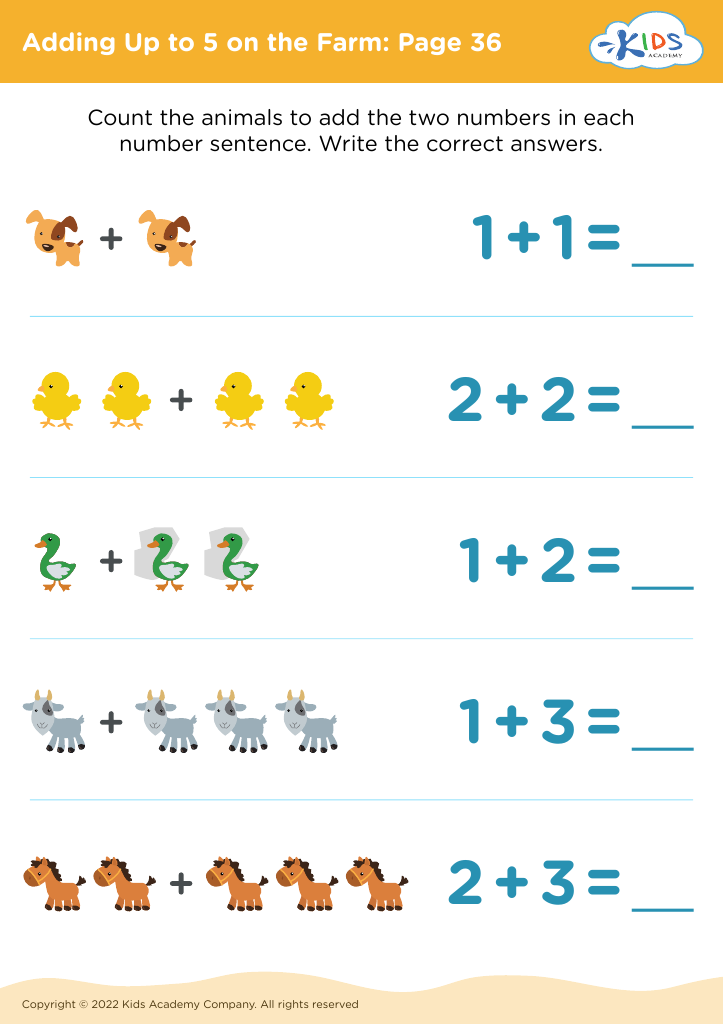
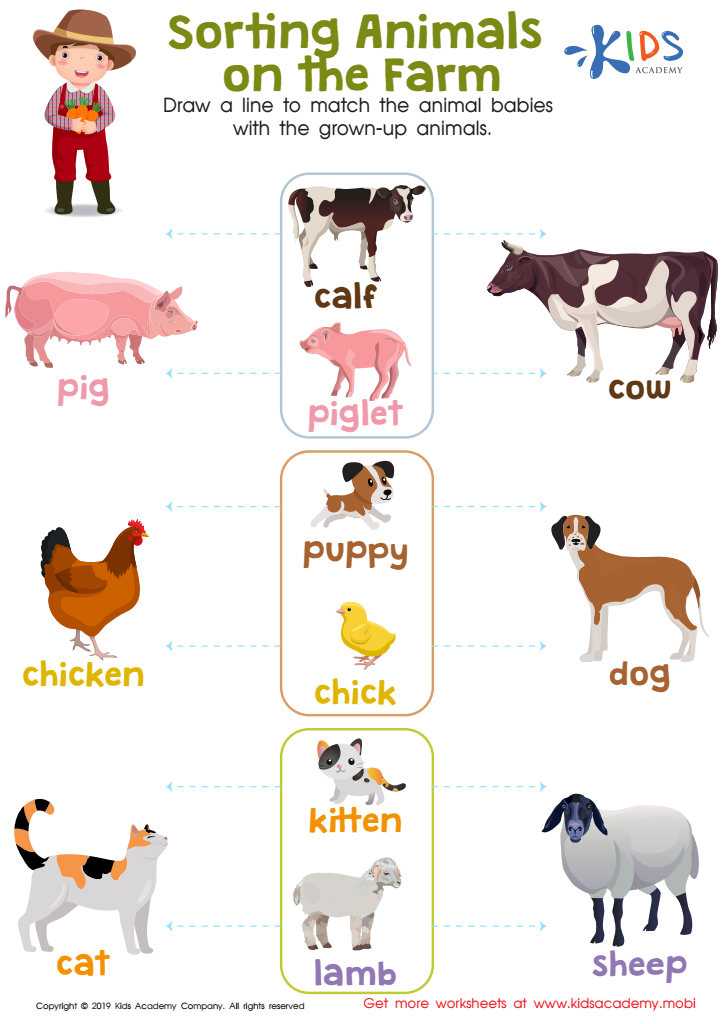
Sorting Animals on the Farm Worksheet
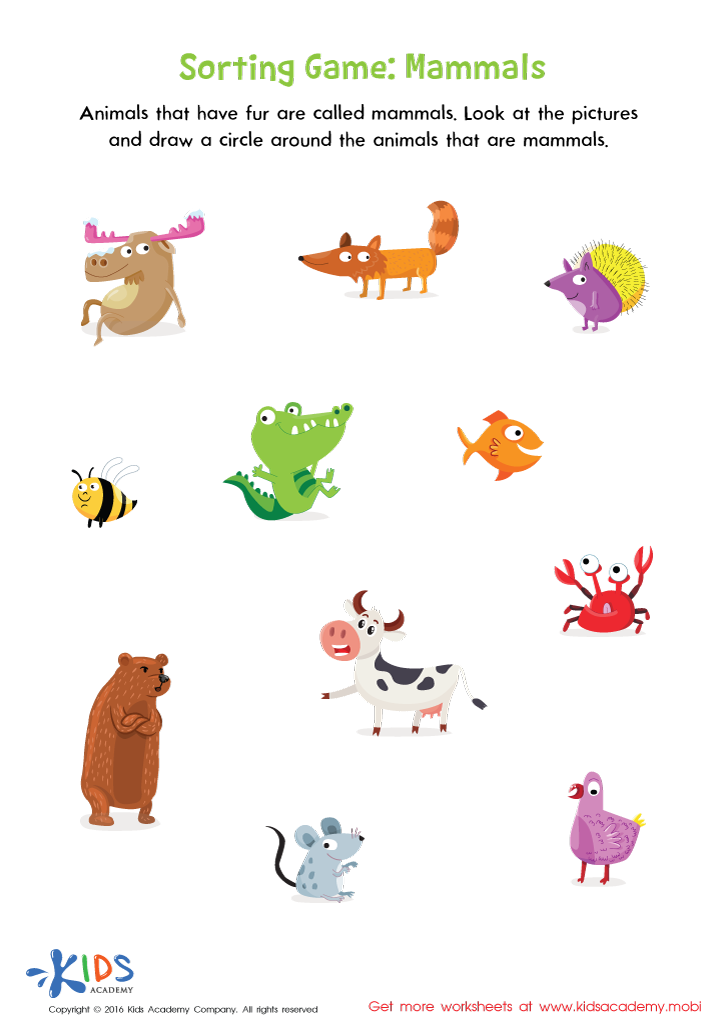
Mammals Sorting Worksheet
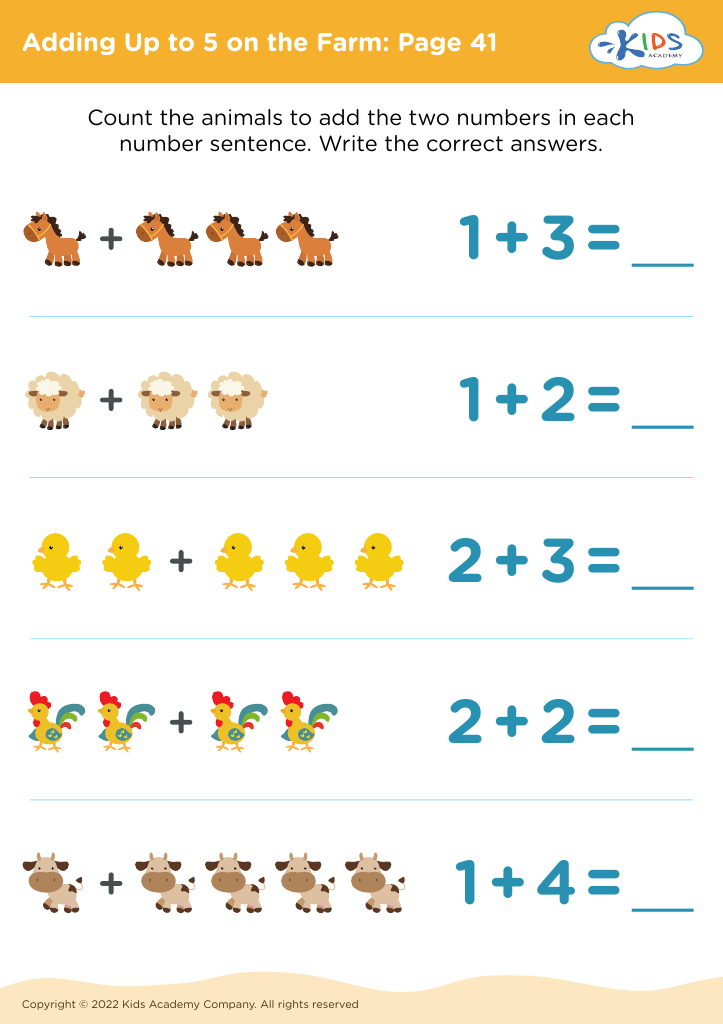
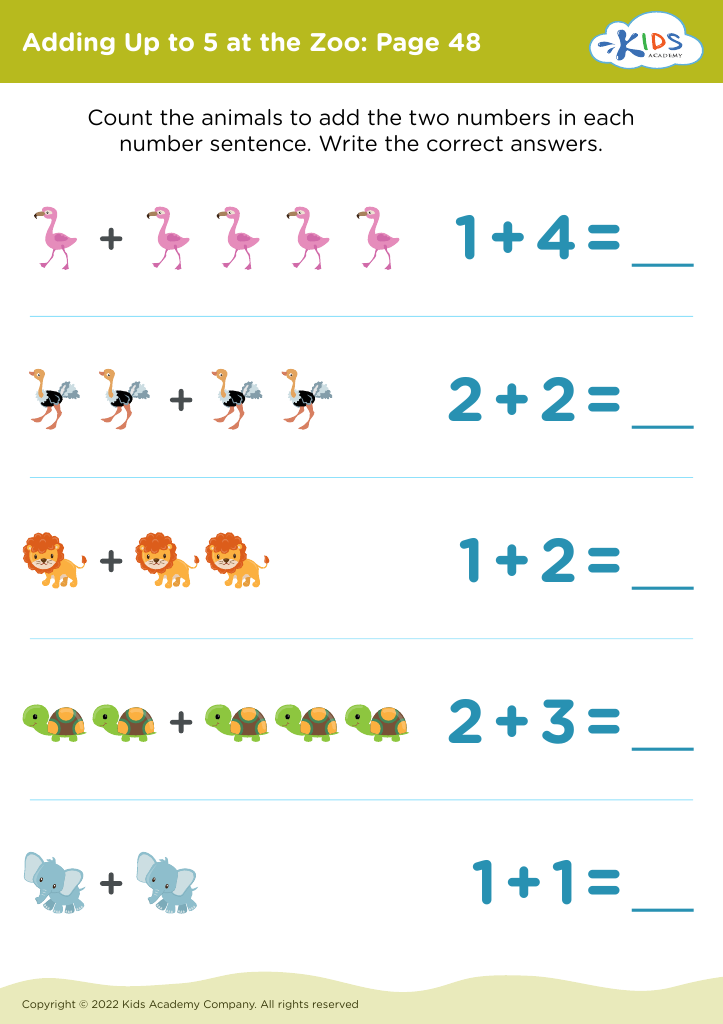
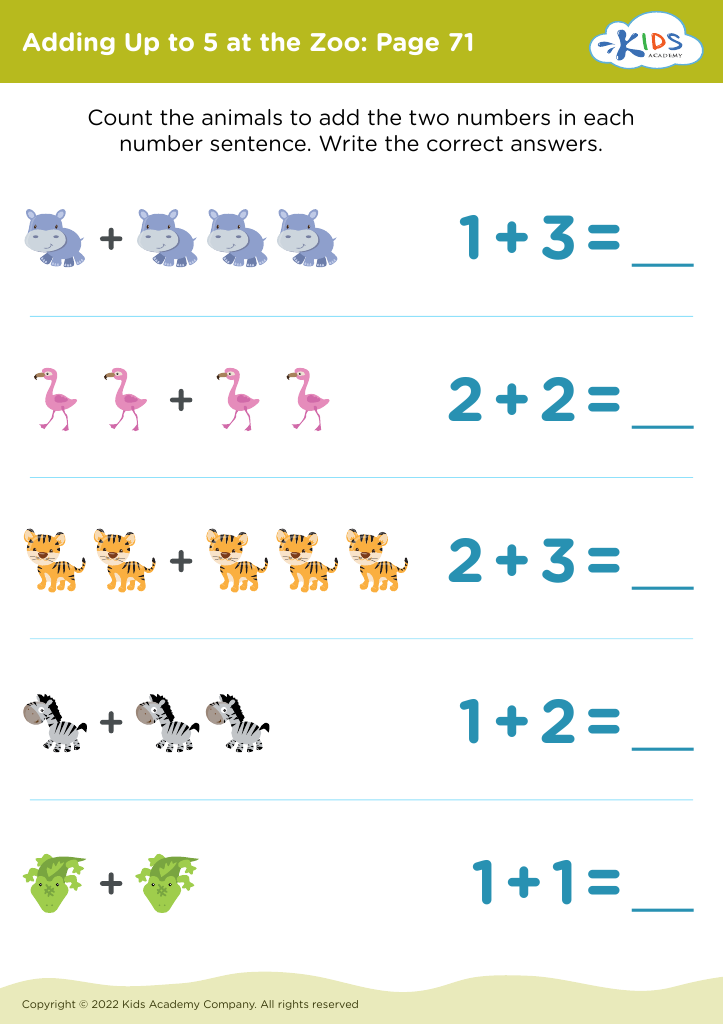
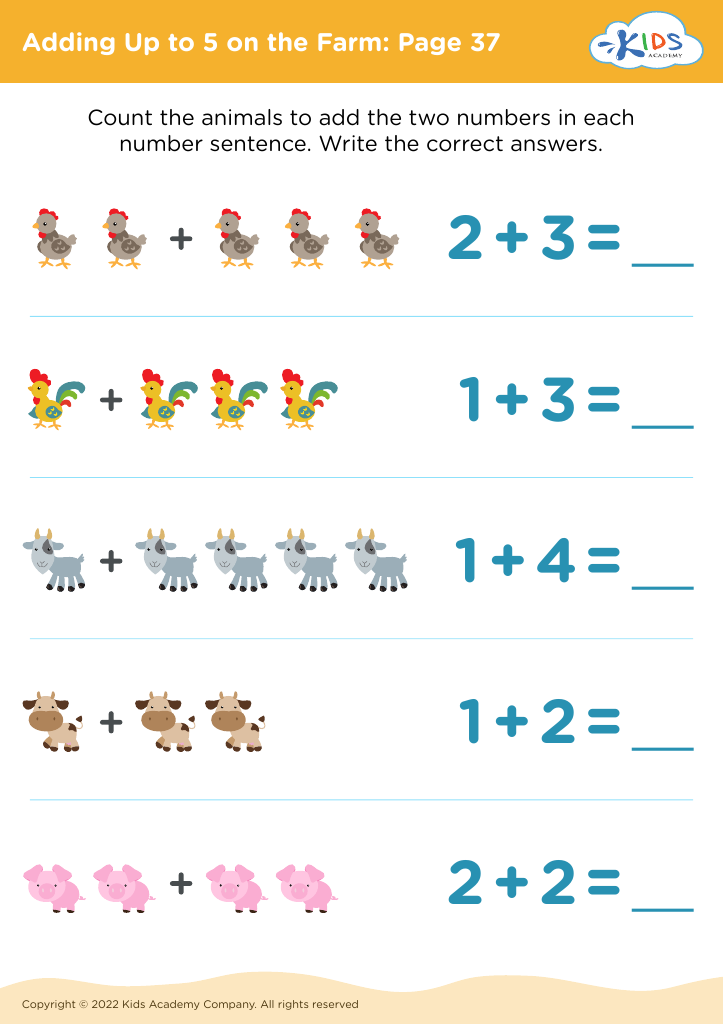
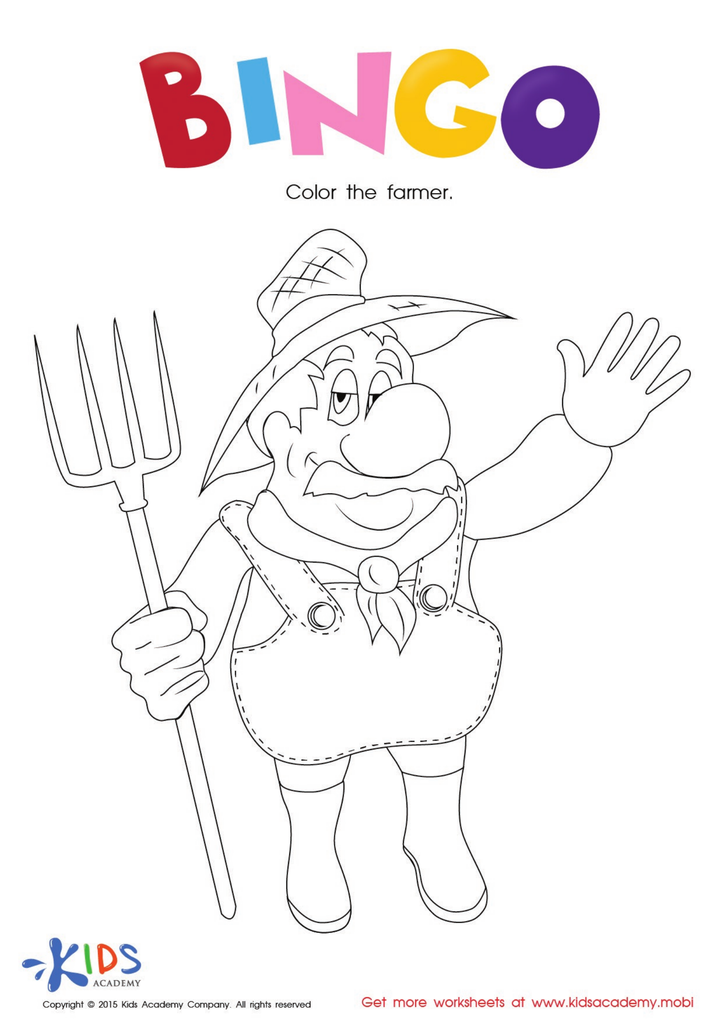
The Bingo Song: Coloring The Farmer Worksheet
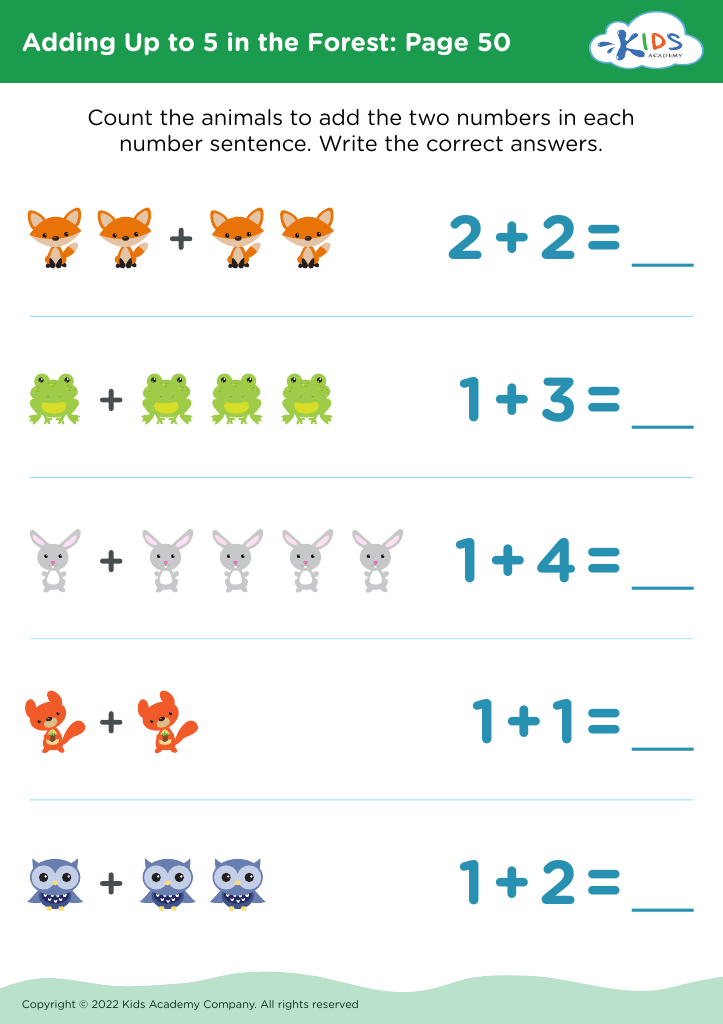
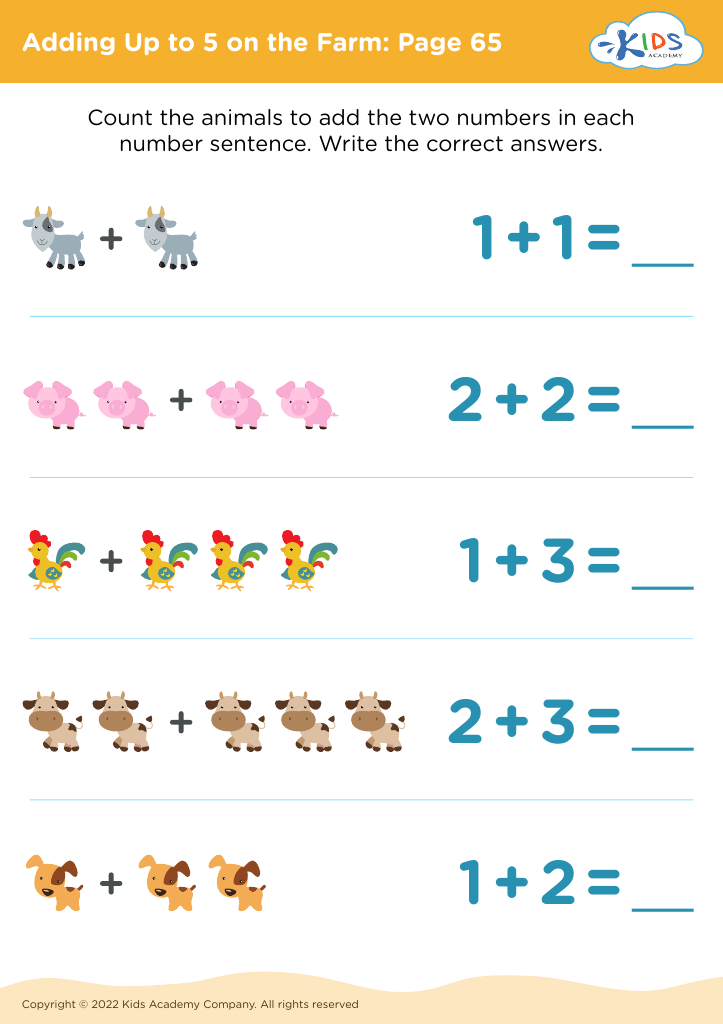
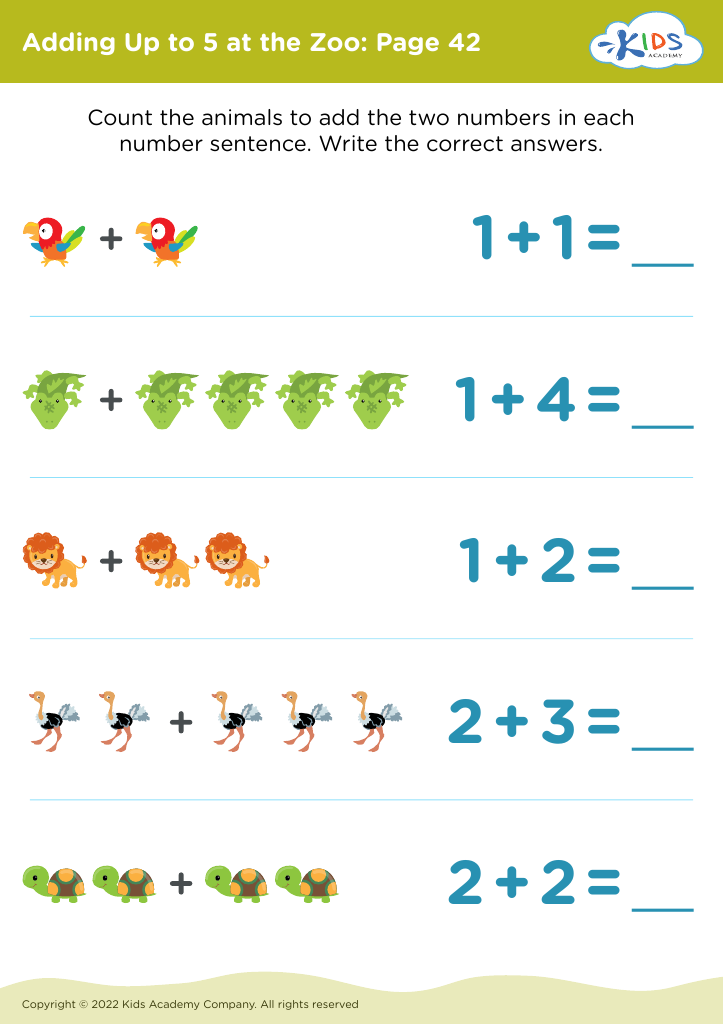
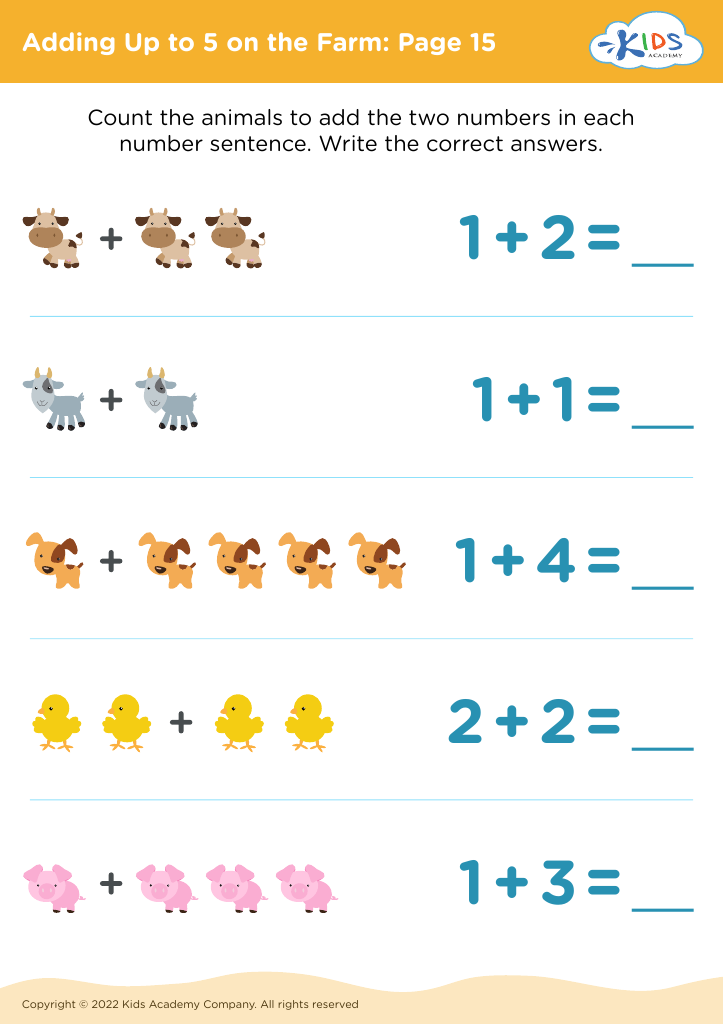
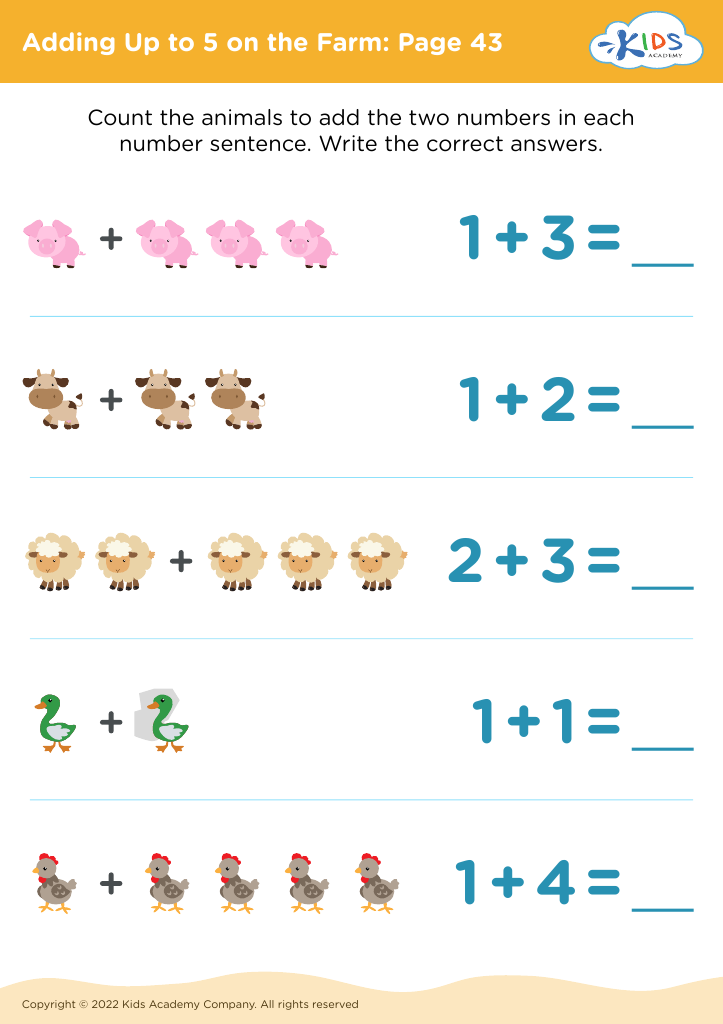
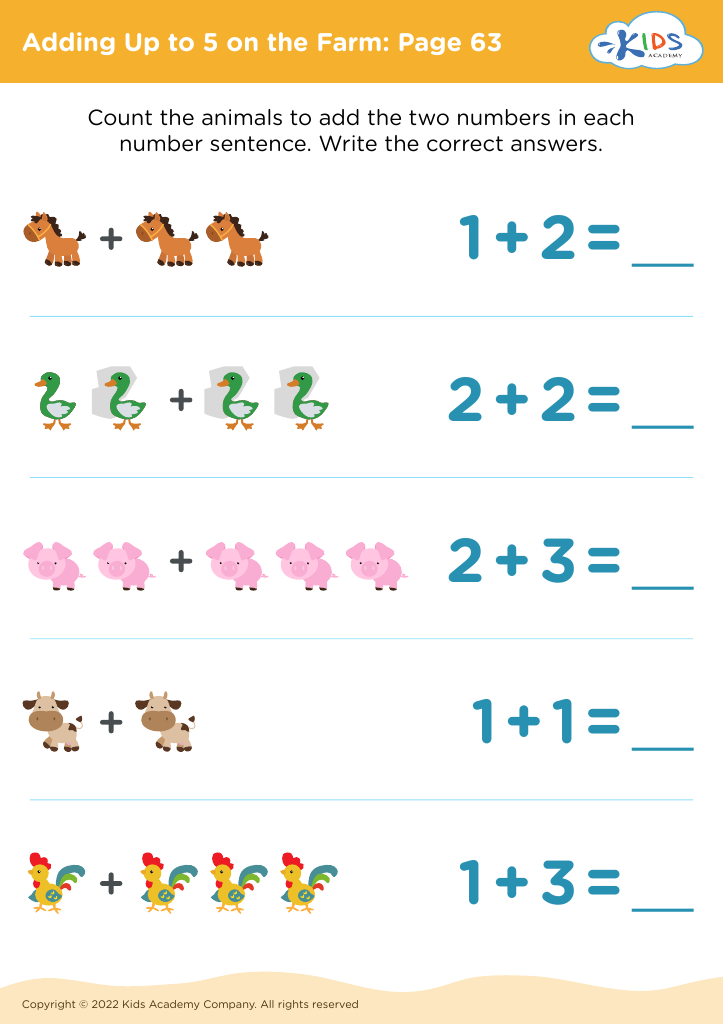
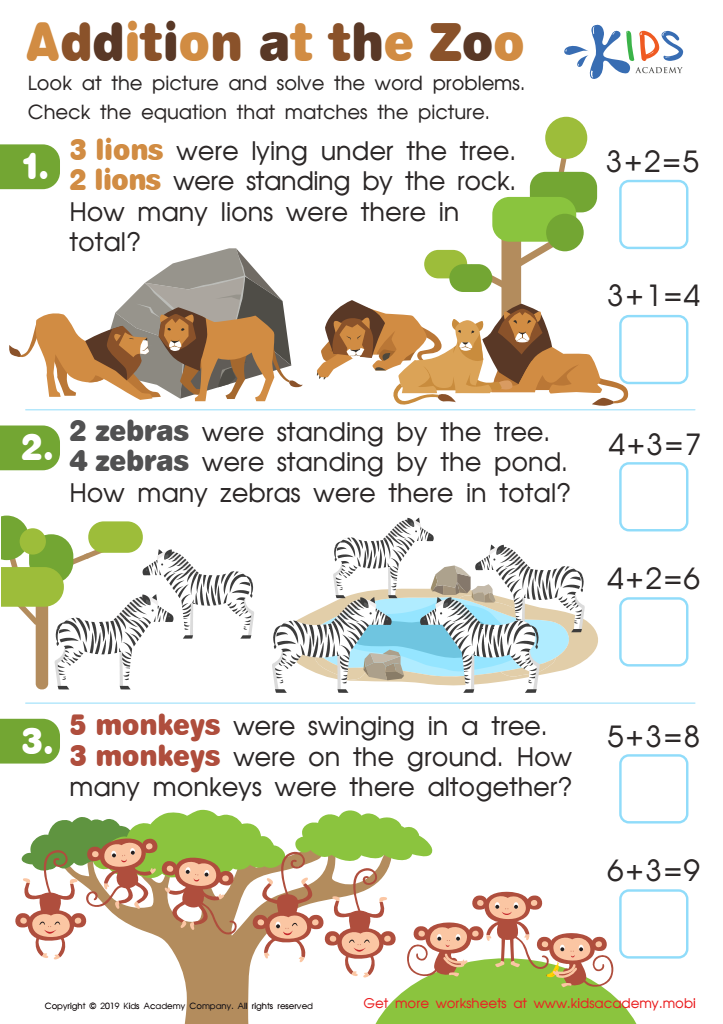
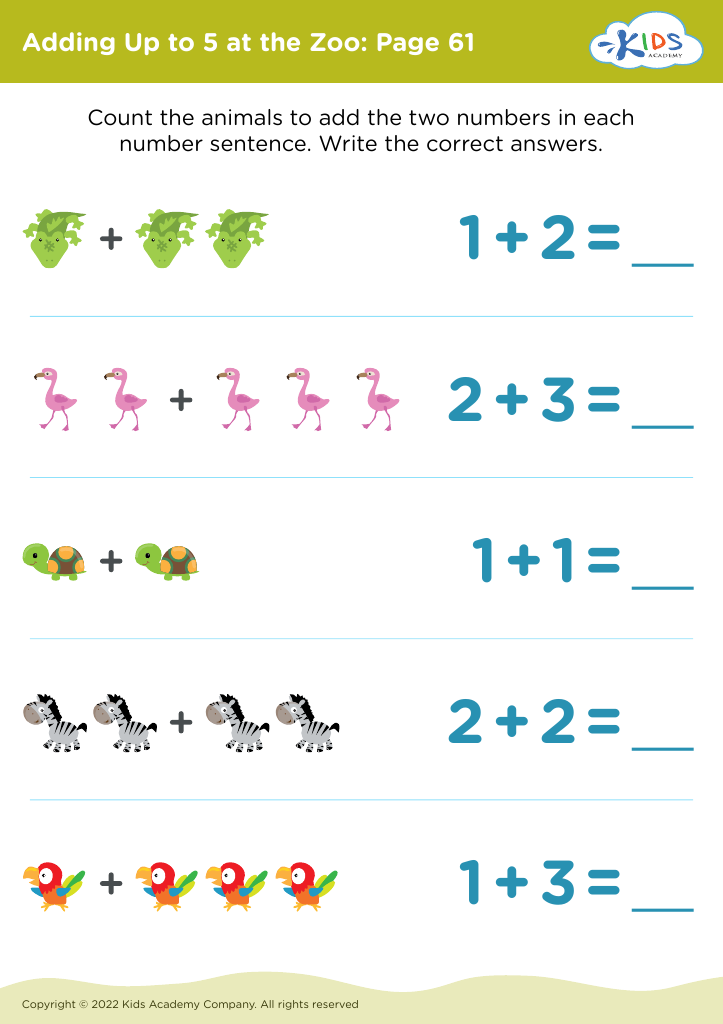
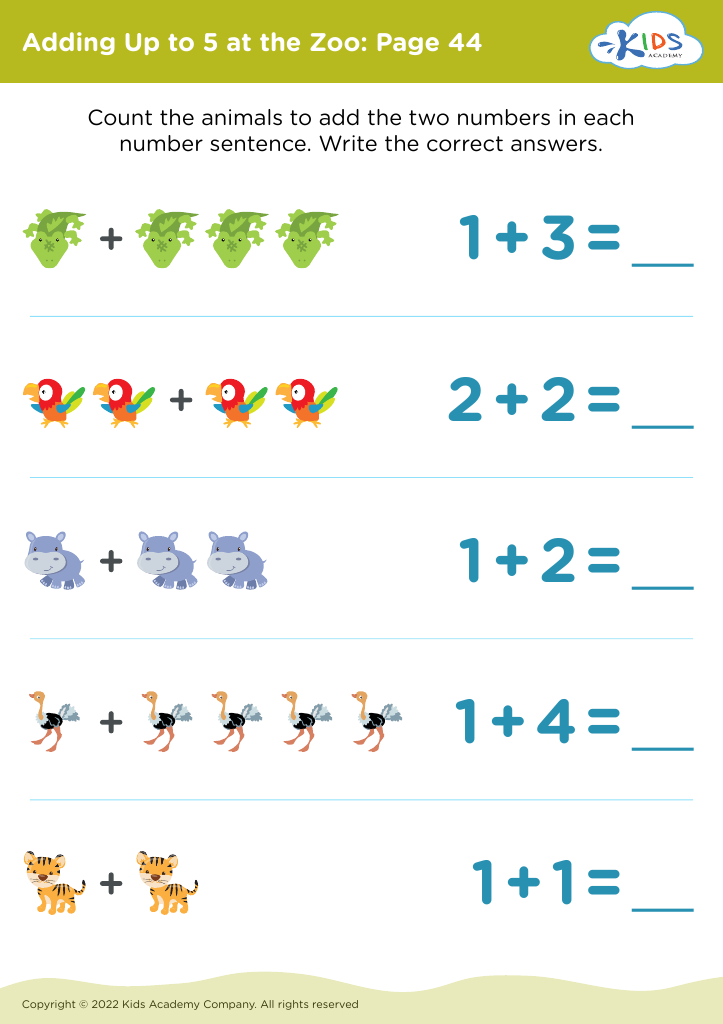
Addition at the Zoo Worksheet








Animal recognition is a vital aspect of early childhood education that fosters cognitive development, emotional understanding, and social skills in children aged 4-6. For parents and teachers, focusing on this learning topic offers a myriad of benefits.
Firstly, recognizing animals enhances language development. Children learn animal names, sounds, and characteristics, enriching their vocabulary and improving communication skills. This early linguistic foundation is crucial for later literacy.
Moreover, learning about animals promotes curiosity and interest in the natural world. Children develop observational skills and learn about habitats, diets, and roles within ecosystems, fostering a sense of wonder and scientific inquiry.
Socially, animal recognition can facilitate discussions about empathy and compassion. As children learn to identify and care for various animals, they cultivate an understanding of feelings and diverse perspectives, nurturing emotional intelligence. Learning about pets or wild animals can also strengthen family bonds, as parents can engage children in conversations and activities centered around these creatures.
Furthermore, integrating animal recognition into play-centered learning can improve fine motor skills, as children engage in related arts and crafts. Overall, prioritizing animal recognition cultivates well-rounded, empathetic, and inquisitive young learners, laying a strong foundation for lifelong learning.








