
Color recognition Worksheets for Ages 4-6
105 filtered results
Difficulty Level
Grade
Age
-
From - To
Subject
Activity
Standards
Explore our engaging "Color Recognition Worksheets for Ages 4-6," designed to foster early learning skills in young children. These printable worksheets make color identification fun and interactive, helping kids easily recognize and differentiate various colors. Ideal for home or classroom use, each activity encourages creativity and effective learning through games and visually stimulating exercises. With captivating illustrations and a variety of tasks, your little ones will enjoy identifying, matching, and coloring different hues. Support their development in a playful way while laying the foundation for essential cognitive skills. Start their colorful learning journey today with these delightful worksheets!
Favorites
With answer key
Interactive
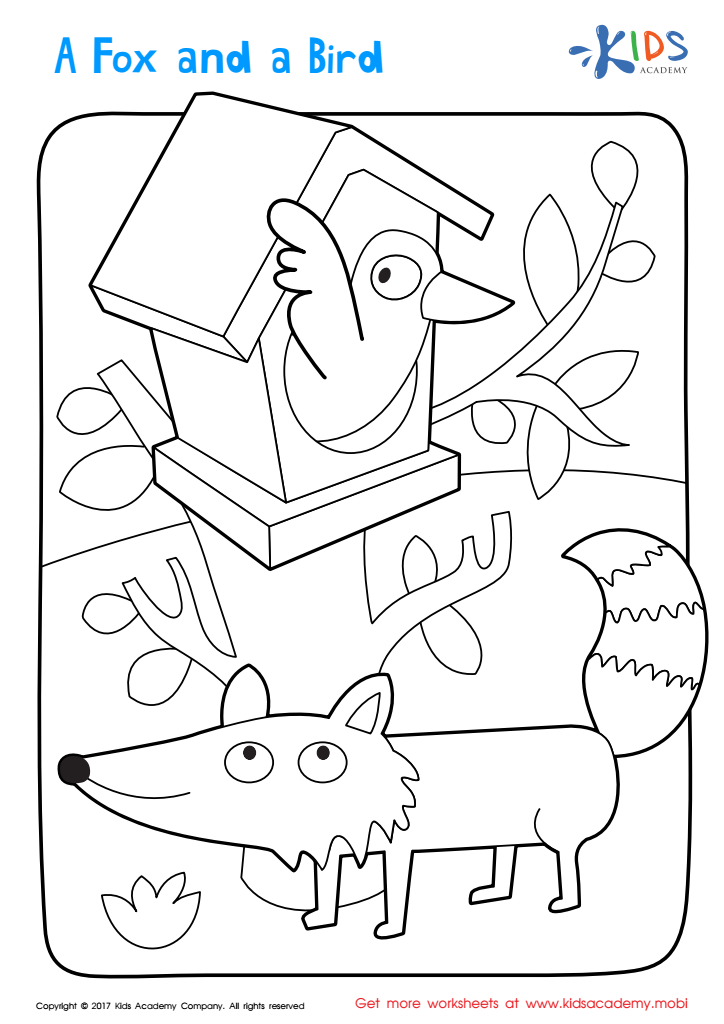
A Fox and Bird Coloring Page
Flex their creativity with this fun-filled coloring page: A Fox and Bird! Let kids express themselves through colors, allowing them to make each scene their own. This picture will bring joy to their art routine!
Download (PDF)
 Assign to My Students
Assign to My Students
A Fox and Bird Coloring Page
Worksheet
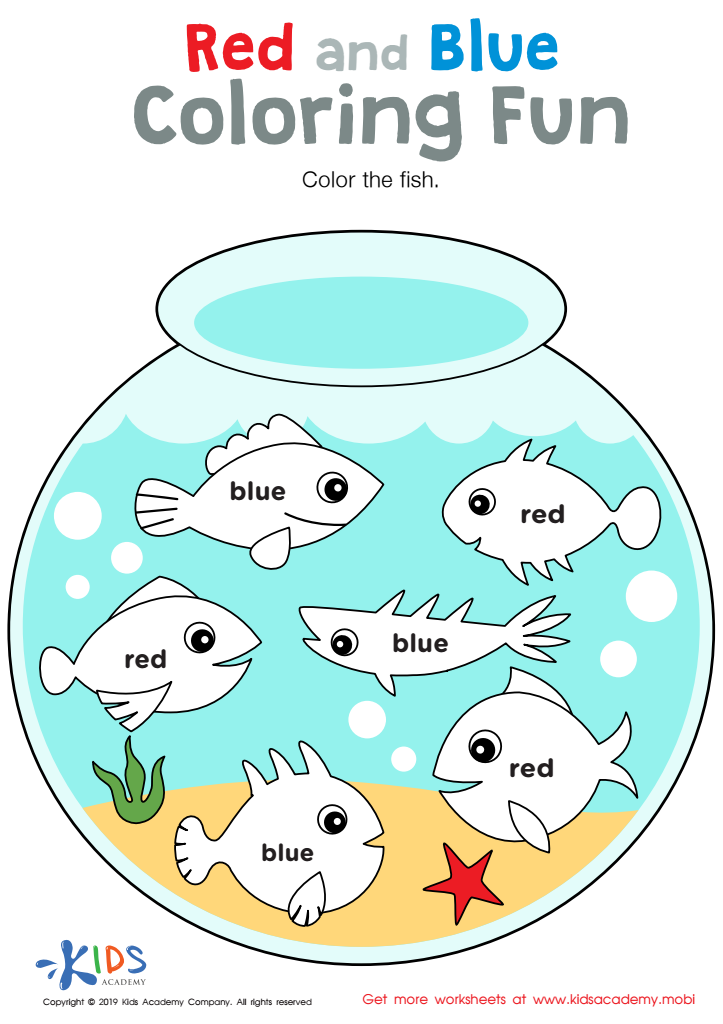
Red and Blue Coloring Fun Worksheet
Kids know colors like red and blue. But can they read these words? Give them practice with this fun fish bowl coloring sheet. They'll look at the fish, then color them the corresponding hue. Home or classroom, they'll be sure to get a kick out of learning colors in this creative way!
Download (PDF)
Assign to My Students
Assign to My Students
Red and Blue Coloring Fun Worksheet
Worksheet
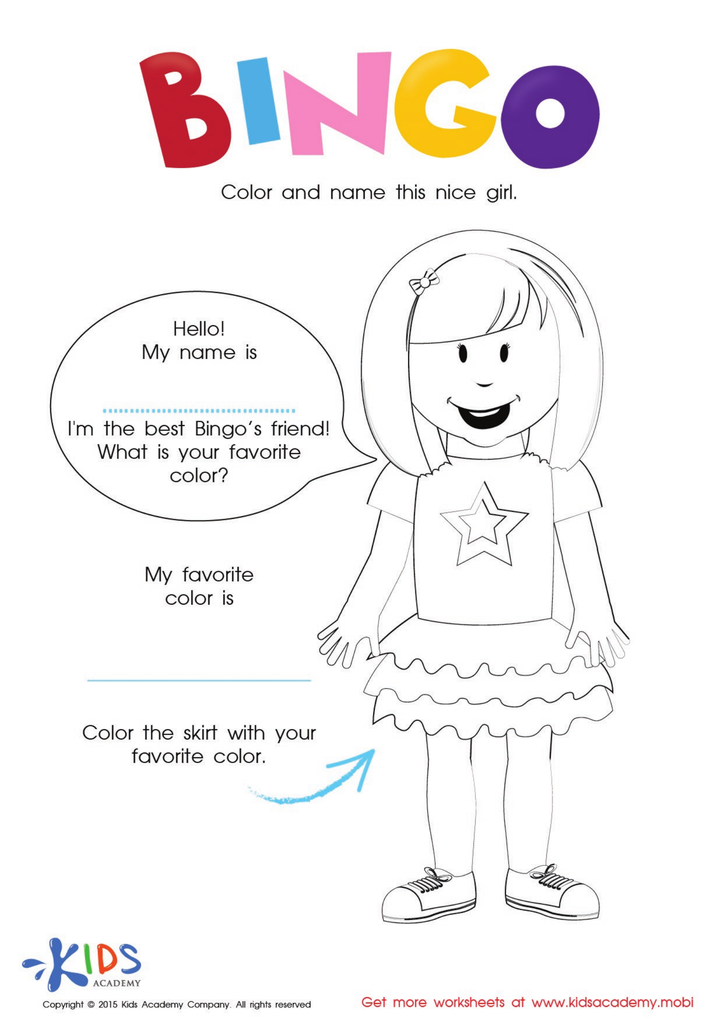
The Bingo Song: Coloring The Girl Worksheet
Revise colors with your kids using our free "Bingo" worksheet. Ask them to come up with a name for the girl, then have them answer her question about favorite colors and spell them out. They can even color her skirt with the colors they chose. Explore more fun worksheets at our website – they'll fascinate your kids and help them learn!
The Bingo Song: Coloring The Girl Worksheet
Worksheet
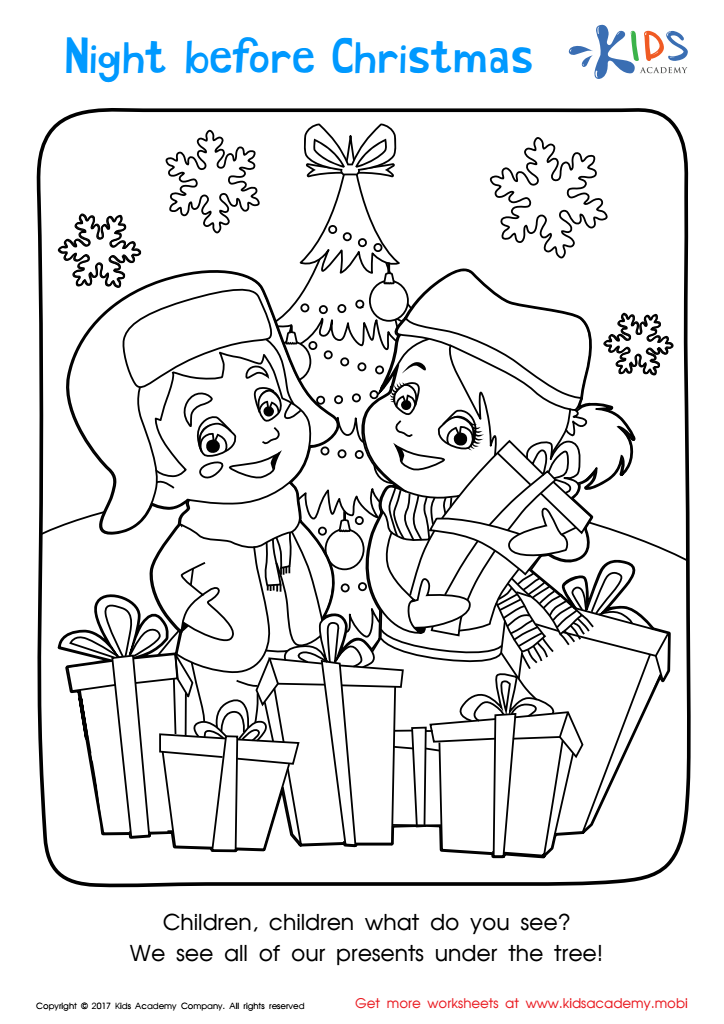
Christmas: Night Before Christmas Printable
Give your kids the gift of coloring this season! Use this boy and girl page to start a conversation on the spirit of giving. Ask your child what they'd like to give and remind them that giving is just as important as receiving. Then, help them pick the perfect colors to bring the image to life! Your child will get in the Christmas spirit while getting ready for Santa's arrival. Print the festive page and spread the joy of the season!
Download (PDF)
Assign to My Students
Assign to My Students
Christmas: Night Before Christmas Printable
Worksheet
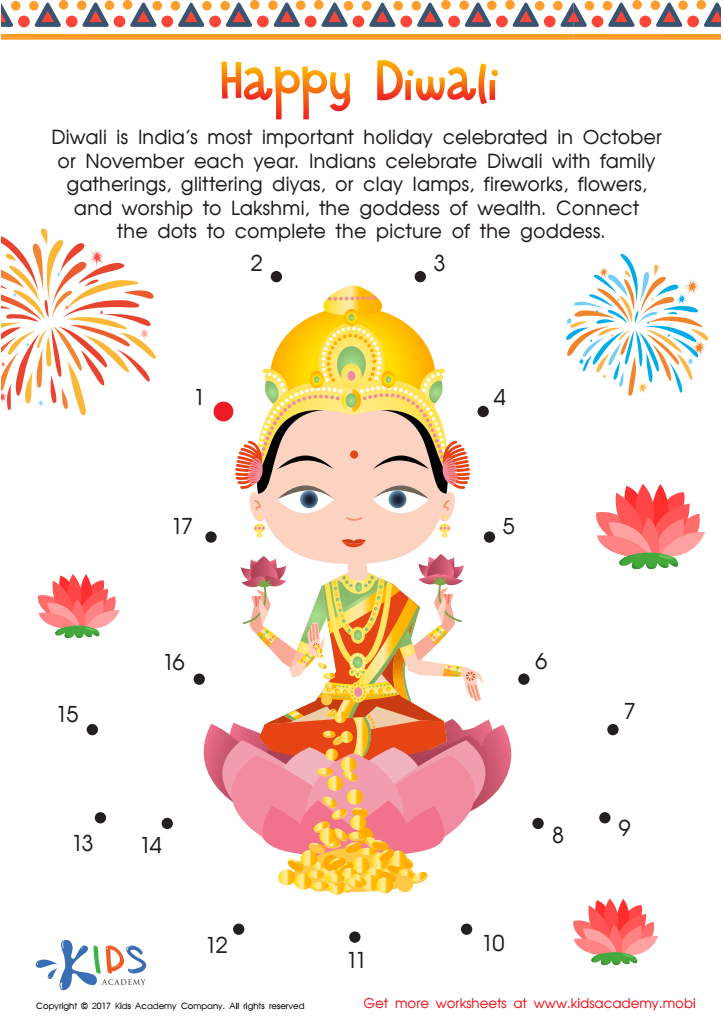
Happy Diwali Printable
Explore India this Diwali! Learn about India's most significant holiday, Diwali, with this fun-filled printable activity for kids. Your child can gain an appreciation for Indian culture with this Diwali dot to dot worksheet.
Happy Diwali Printable
Worksheet
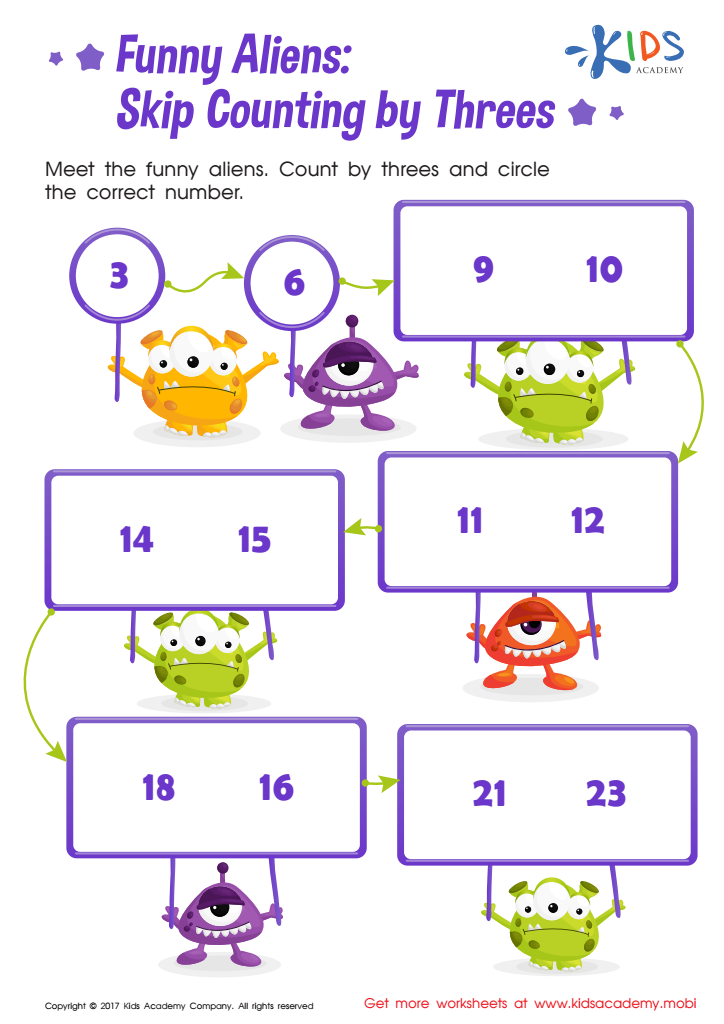
Skip Counting by 3s: Funny Aliens Printable
Blast off to outer space learning fun with this skip counting by 3 worksheet!
Skip Counting by 3s: Funny Aliens Printable
Worksheet
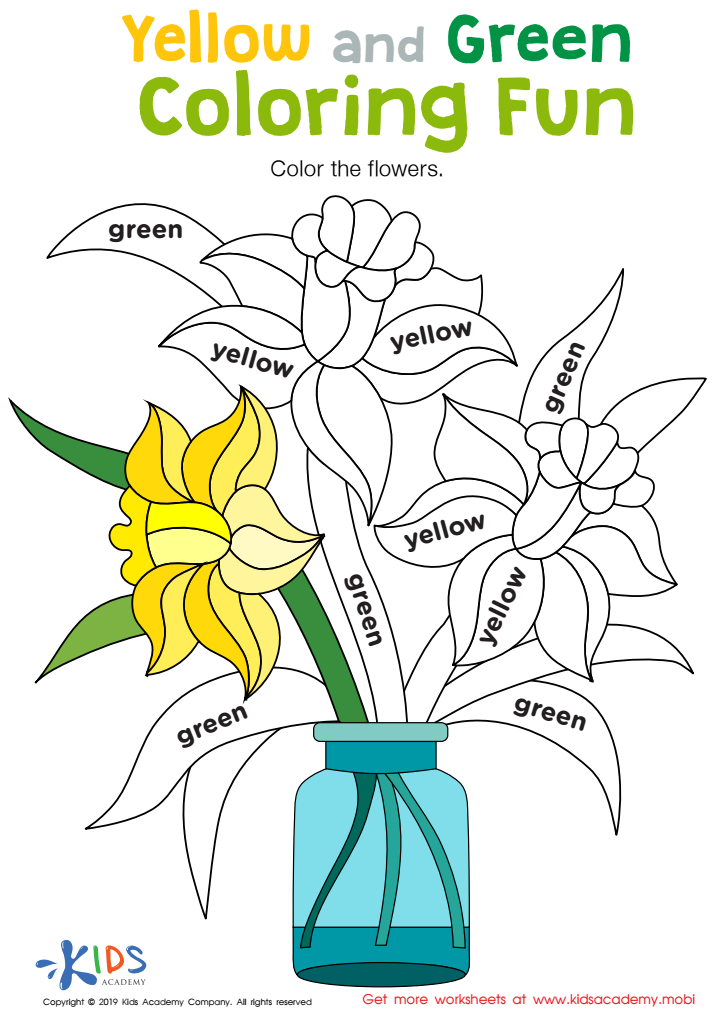
Yellow and Green Coloring Fun Worksheet
Sight words like "yellow" and "green" are easy to teach and fun for kids to learn. This free downloadable worksheet has kids read the color words and color the flower with yellow and green. A great activity for learning to read color words!
Download (PDF)
Assign to My Students
Assign to My Students
Yellow and Green Coloring Fun Worksheet
Worksheet
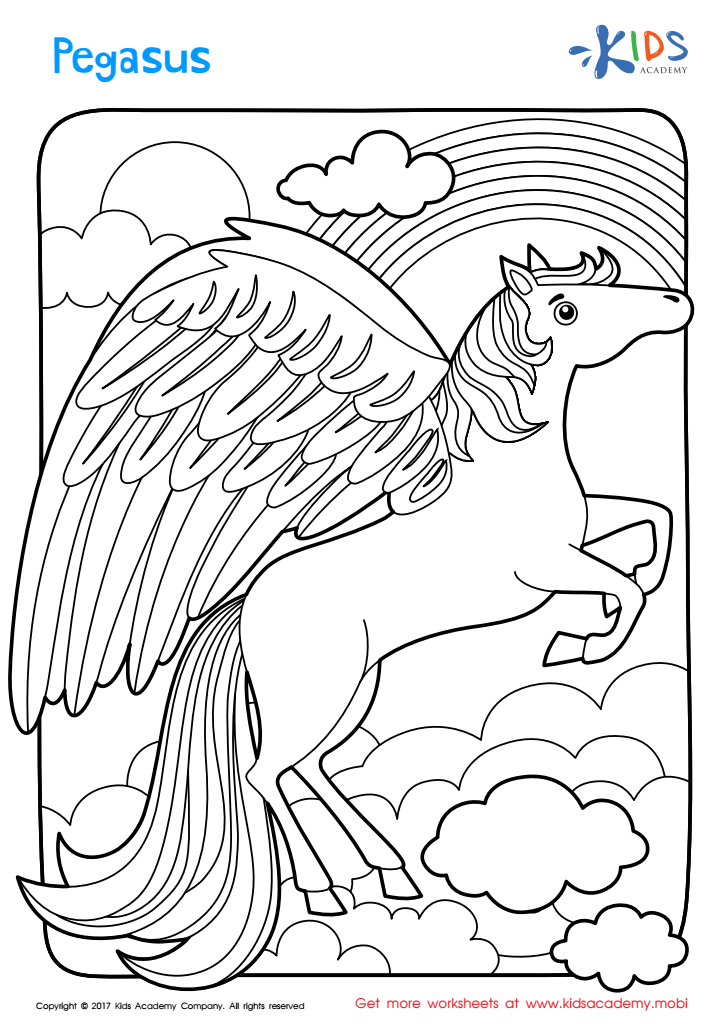
Pegasus Printable
Learn about ancient Greek mythology with your child! Print our Pegasus coloring page to bring the myths to life. Encourage your child to read the stories and let his/her imagination soar. This activity will make the tales of the gods come alive!
Download (PDF)
Assign to My Students
Assign to My Students
Pegasus Printable
Worksheet
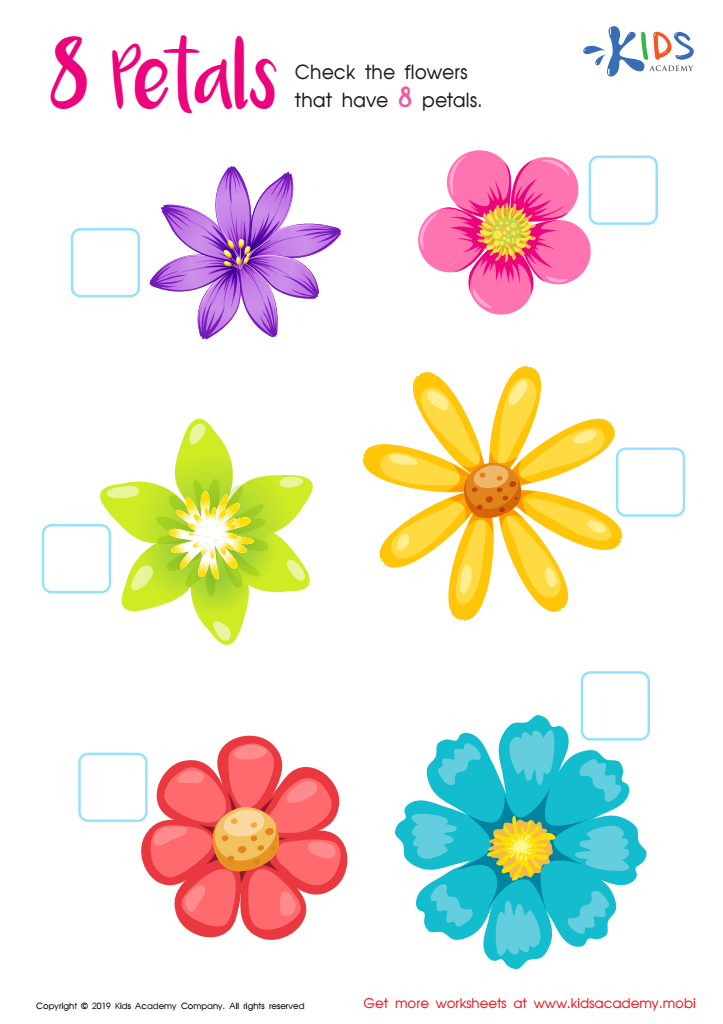
8 Petals Worksheet
Help your children master counting with this fun worksheet. It's filled with colorful flowers and they must count the petals and check the flowers with 8 petals. It's a great way to practice their counting skills and have some fun too!
8 Petals Worksheet
Worksheet
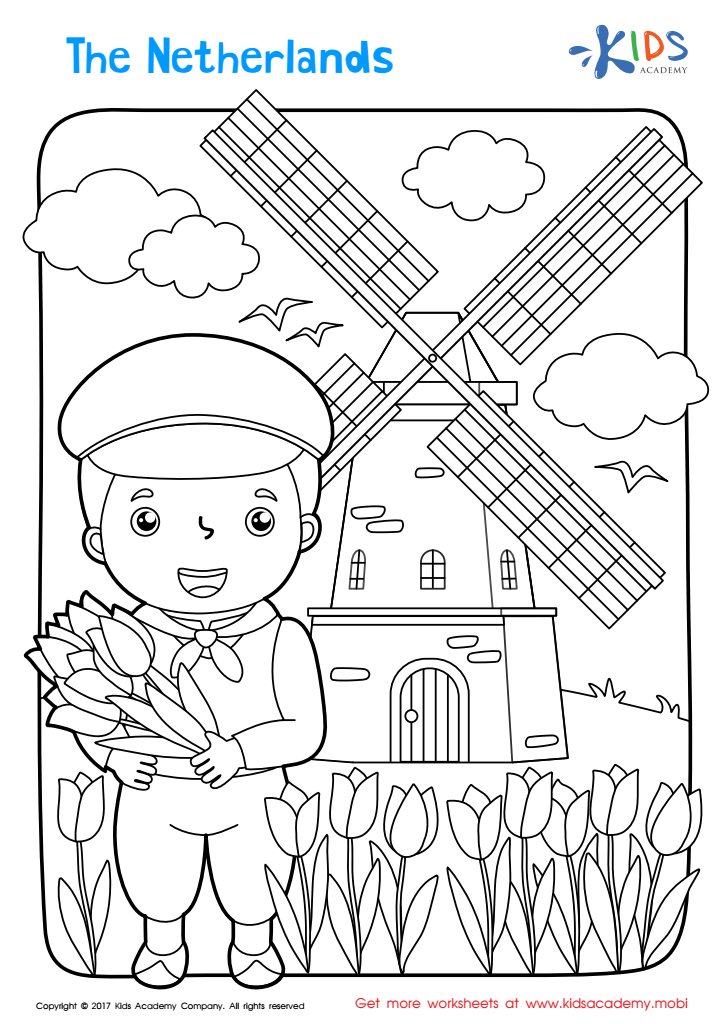
The Netherlands Printable
Explore the world with this fun Netherlands coloring page! Your child will discover Dutch windmills in the landscape. Expand their knowledge with a chat about the Netherlands!
Download (PDF)
Assign to My Students
Assign to My Students
The Netherlands Printable
Worksheet
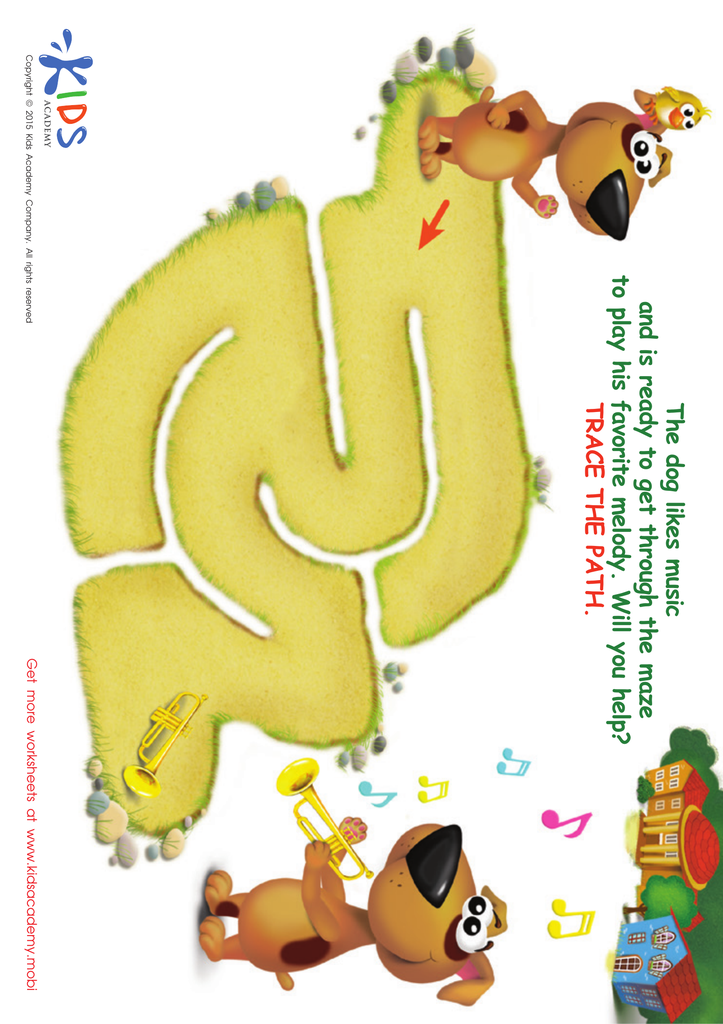
Trumpeter Maze Worksheet
Help your kid to find the way out of the maze to hear their favorite melody! Visit Kids Academy now and explore plenty of fun and educational resources.
Trumpeter Maze Worksheet
Worksheet
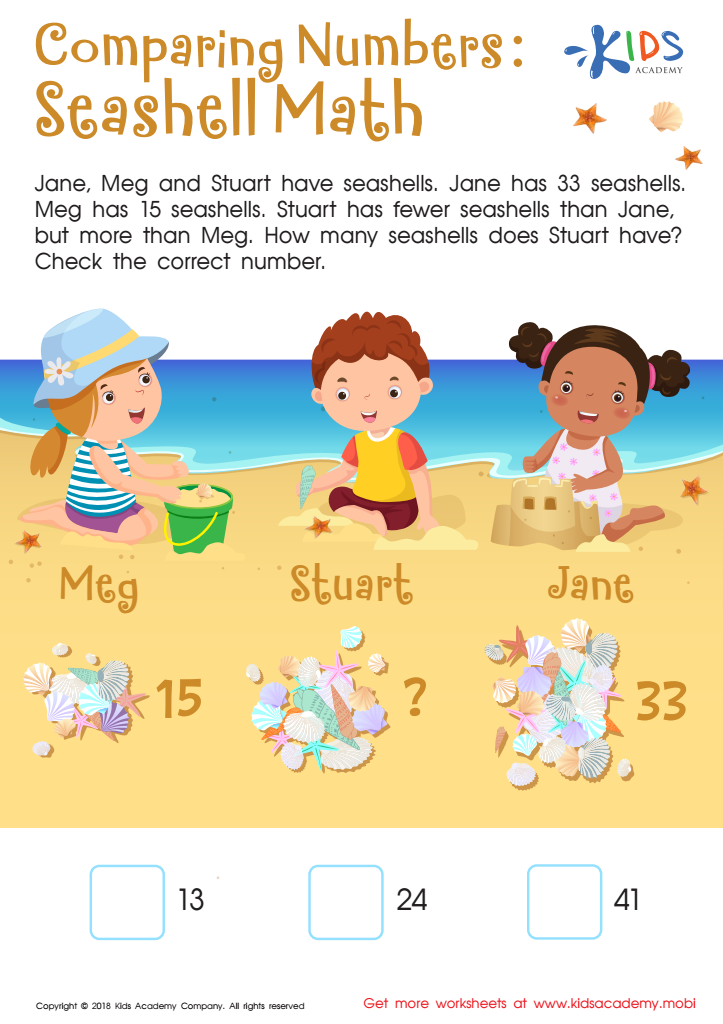
Seashell Collectors Worksheet
Bring beach fun into math with this printable worksheet! Carefully read the text with your child and figure out how many seashells Stuart has - more than Meg's, less than Jane's. Forget boring indoor math; your child won't want to miss out on this fun activity!
Seashell Collectors Worksheet
Worksheet
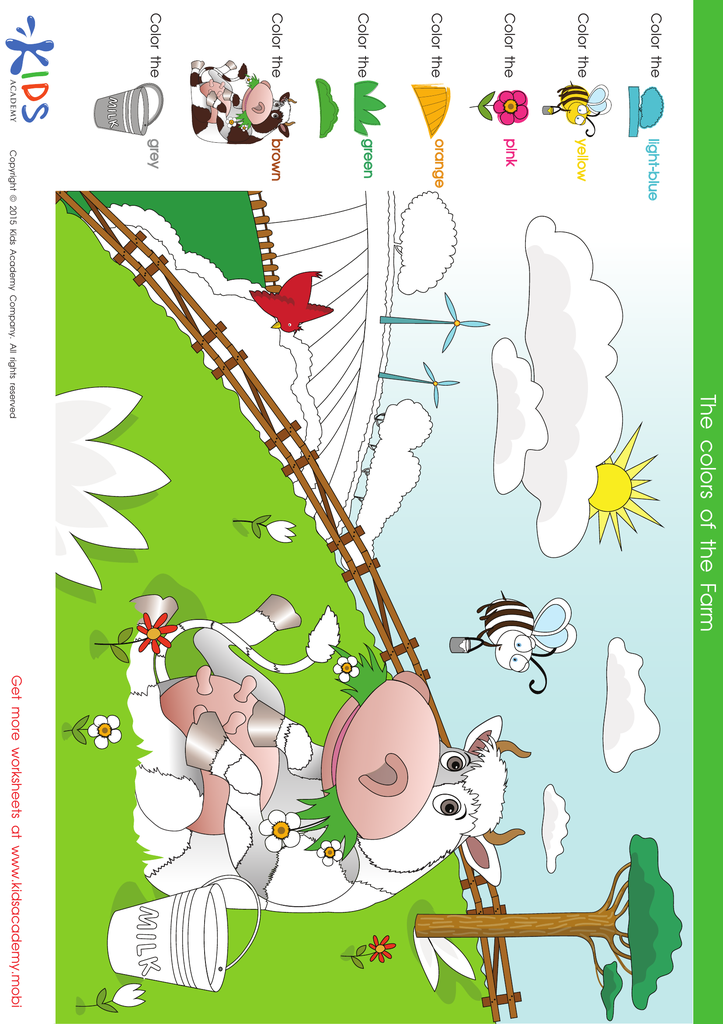
Color the Cow and the Fields Coloring Pages
Let's color a cow in the field and create a new story about farm life! Use the tips in the left side of the picture and have fun! Other coloring sheets can be found at Kids Academy - download and print more materials and develop your kids' skills. Enjoy!
Color the Cow and the Fields Coloring Pages
Worksheet
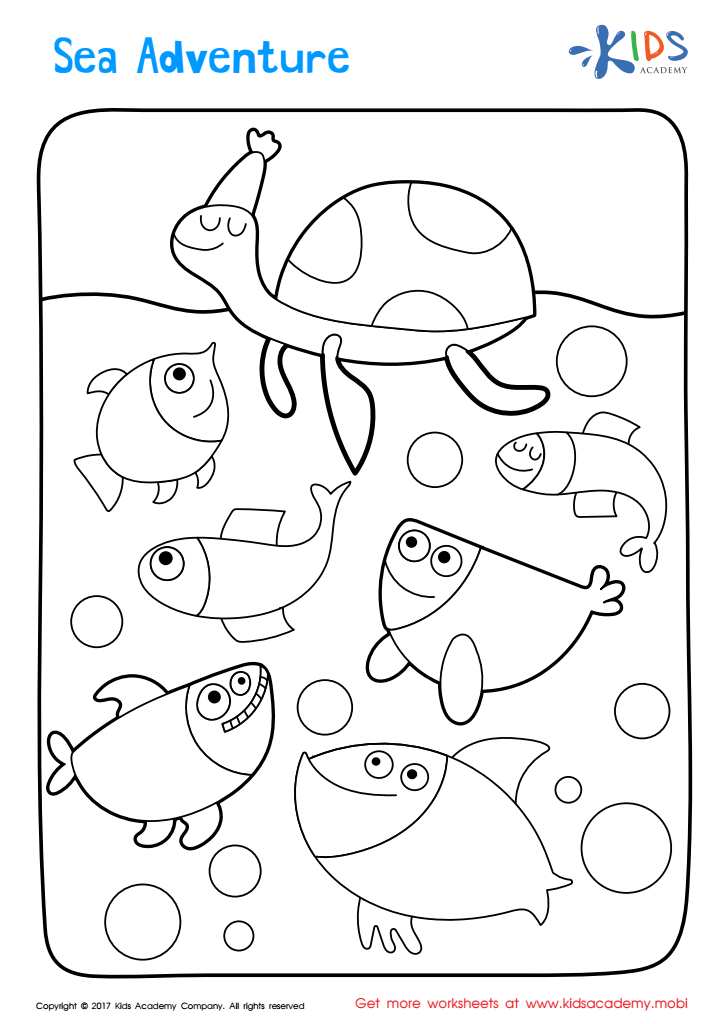
Sea Adventure Coloring Page
Explore the sea with a turtle and color the Sea Adventure printable! Let the turtle lead the way and let the fish watch and follow as kids unleash their creative side and pick the best colors. Have fun!
Download (PDF)
Assign to My Students
Assign to My Students
Sea Adventure Coloring Page
Worksheet
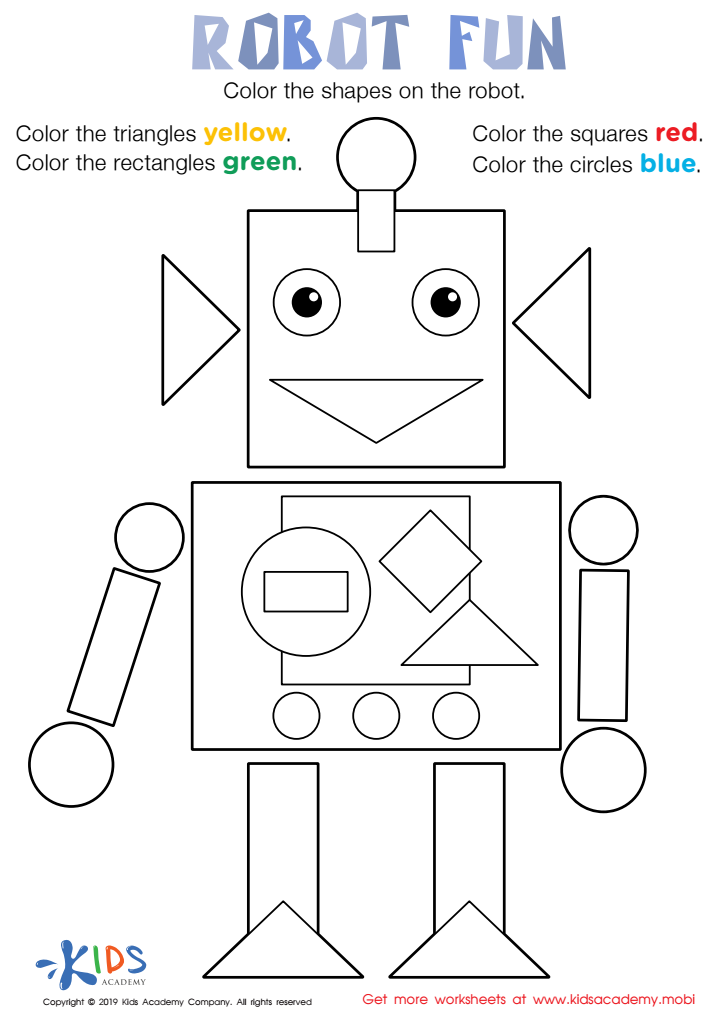
Robot Fun Worksheet
Help your child learn about basic shapes with this fun robot worksheet! Kids practice identifying circles, squares, rectangles and triangles, then color each shape according to directions. Make math practice enjoyable with this coloring page that teaches all four basic shapes - it's an important math skill!
Download (PDF)
Assign to My Students
Assign to My Students
Robot Fun Worksheet
Worksheet
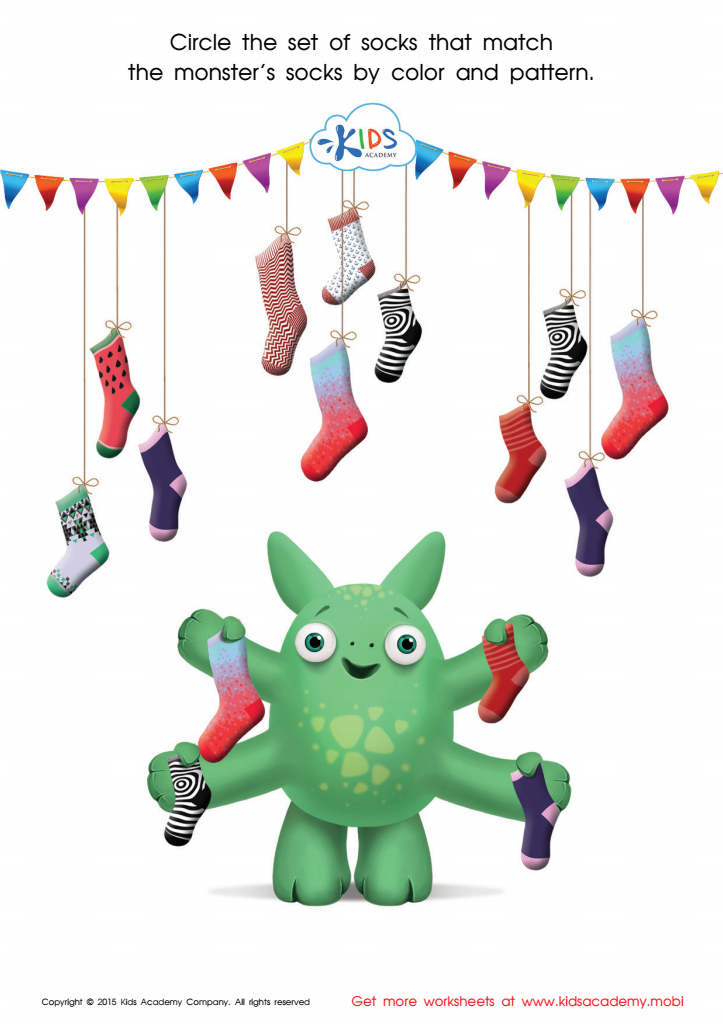
Sort the Monster's Socks Worksheet
Let your little one challenge herself and practice with matching Monster socks. She must be very attentive to match the same socks and draw a line connecting them!
Sort the Monster's Socks Worksheet
Worksheet
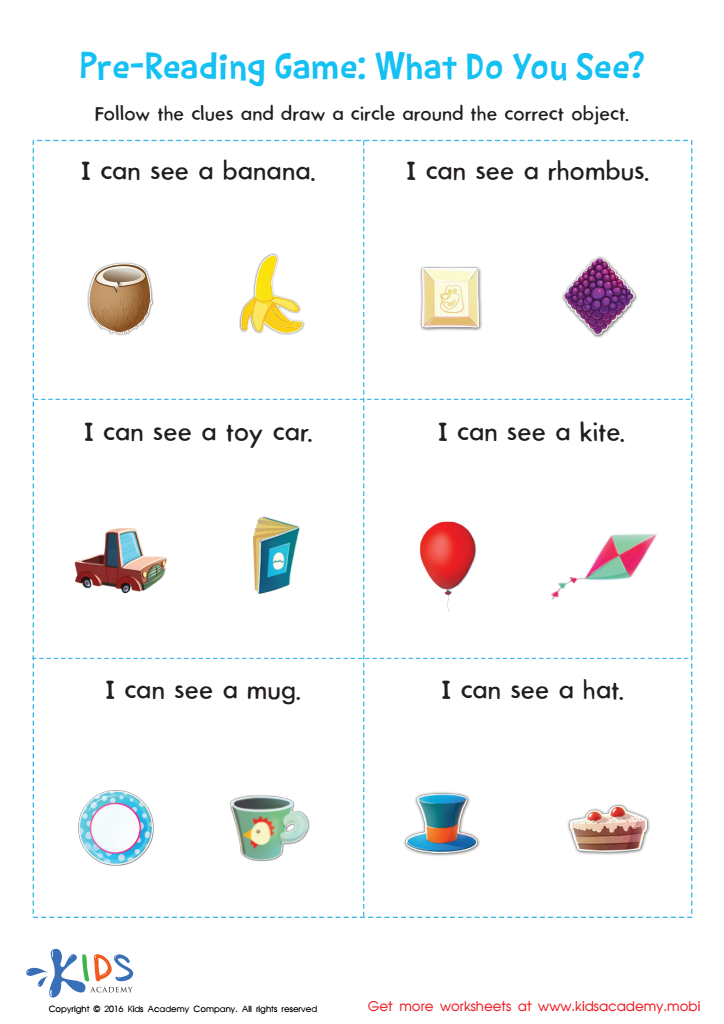
Pre–reading Worksheet: What Do You See?
Get started with this pre-reading worksheet to build your child's early literacy skills. Model, read aloud, and provide consistent repetition for successful learning.
Pre–reading Worksheet: What Do You See?
Worksheet
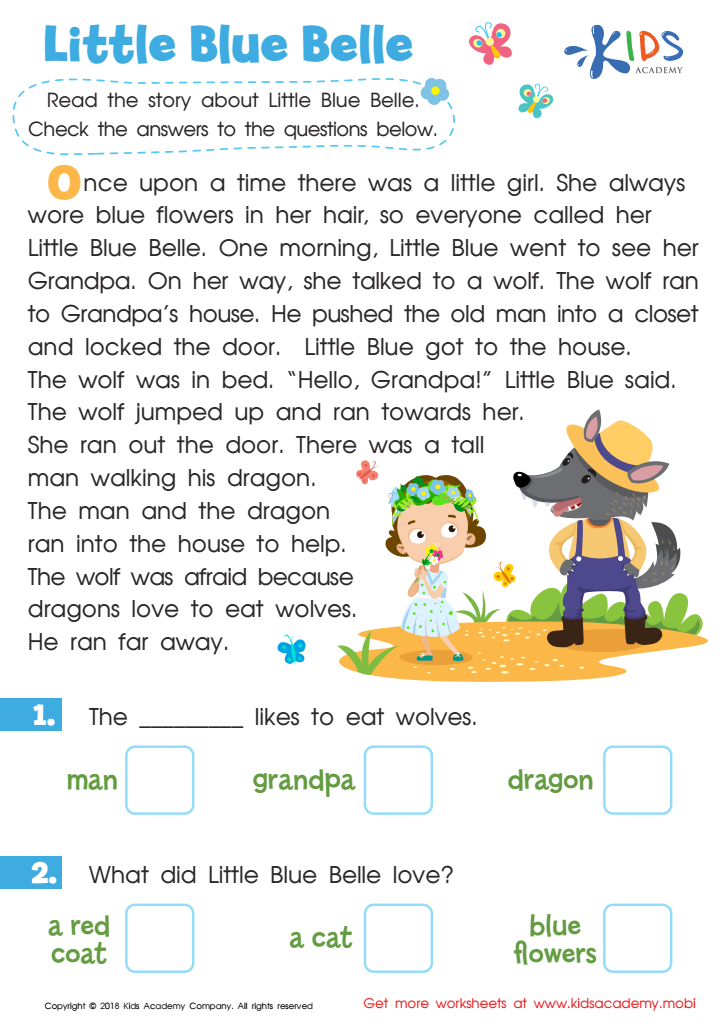
Little Blue Belle Worksheet
Check comprehension of fiction read in class by asking questions. Some students may struggle, so provide extra practice with a reading worksheet. Students read a story and answer questions at the bottom. A handy resource for reading classrooms!
Little Blue Belle Worksheet
Worksheet
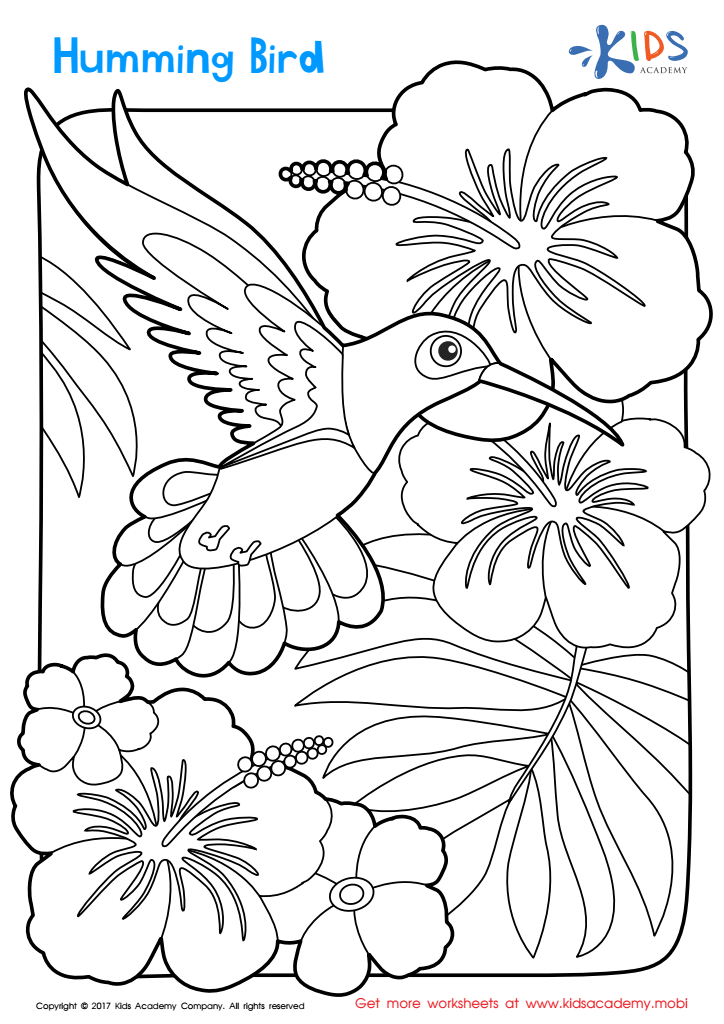
Humming Bird Worksheet
Encourage your child to explore nature with this lovely hummingbird coloring page! Use pictures to learn about the bird and extend the experience with a hummingbird feeder. See the beautiful creature in your own backyard!
Download (PDF)
Assign to My Students
Assign to My Students
Humming Bird Worksheet
Worksheet
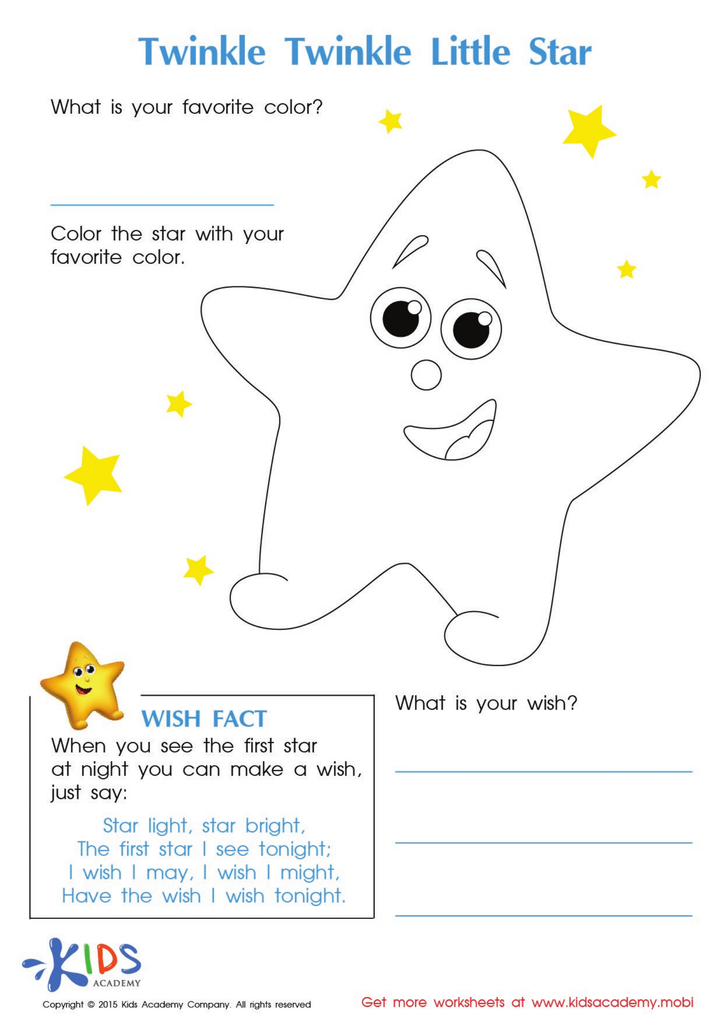
Twinkle Little Star Coloring Worksheet
Let your child color the Twinkle Little Star page - they can choose whatever color they like! Then sing the song and encourage them to make a wish when they spot a star in the sky. If they can write, let them record the wish themselves. If not, write it down for them. Enjoy the starry night sky together!
Twinkle Little Star Coloring Worksheet
Worksheet
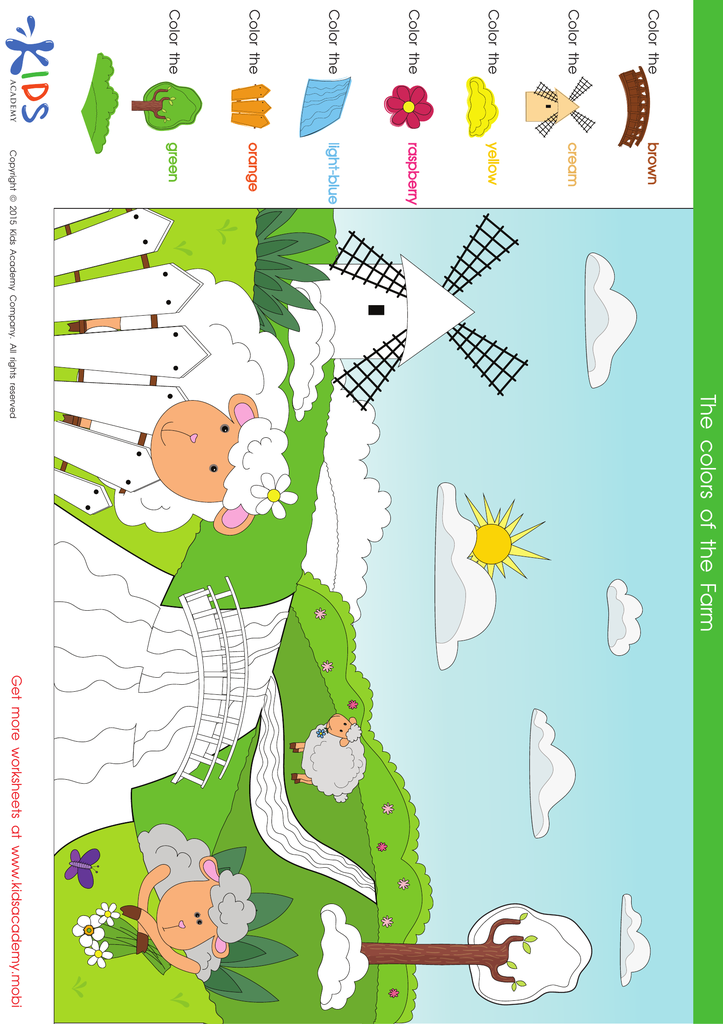
Color the Sheep in the Field Coloring Pages
Kids can have fun and study at the same time with Kids Academy's worksheets! Download and print the learning activities, such as coloring pages. Carefully color the sunny worksheet, take a look at the tips, and pick more free printable pages to enjoy. Let's have some fun together!
Color the Sheep in the Field Coloring Pages
Worksheet
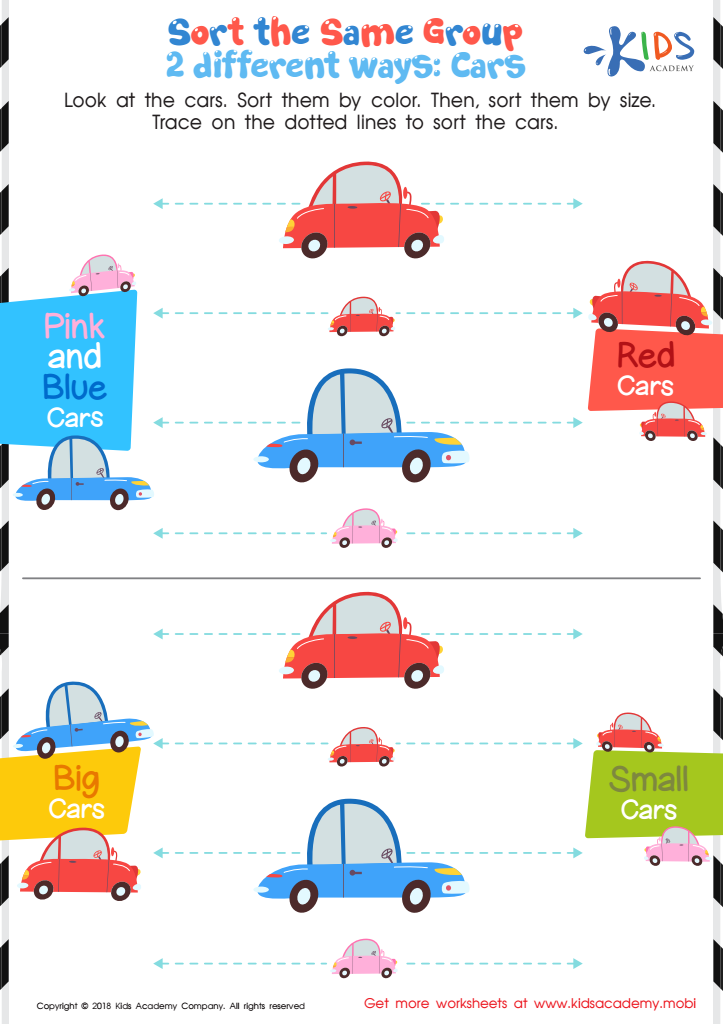
Sort the Same Group 2 Different Ways: Cars Worksheet
Look at the pictures with your child. Can they identify the objects? Ask them to sort the cars first by color and then size. Assist them to trace the dotted lines to sort the cars by color and size. This worksheet lets you easily assess your child's color and size organization skills.
Sort the Same Group 2 Different Ways: Cars Worksheet
Worksheet
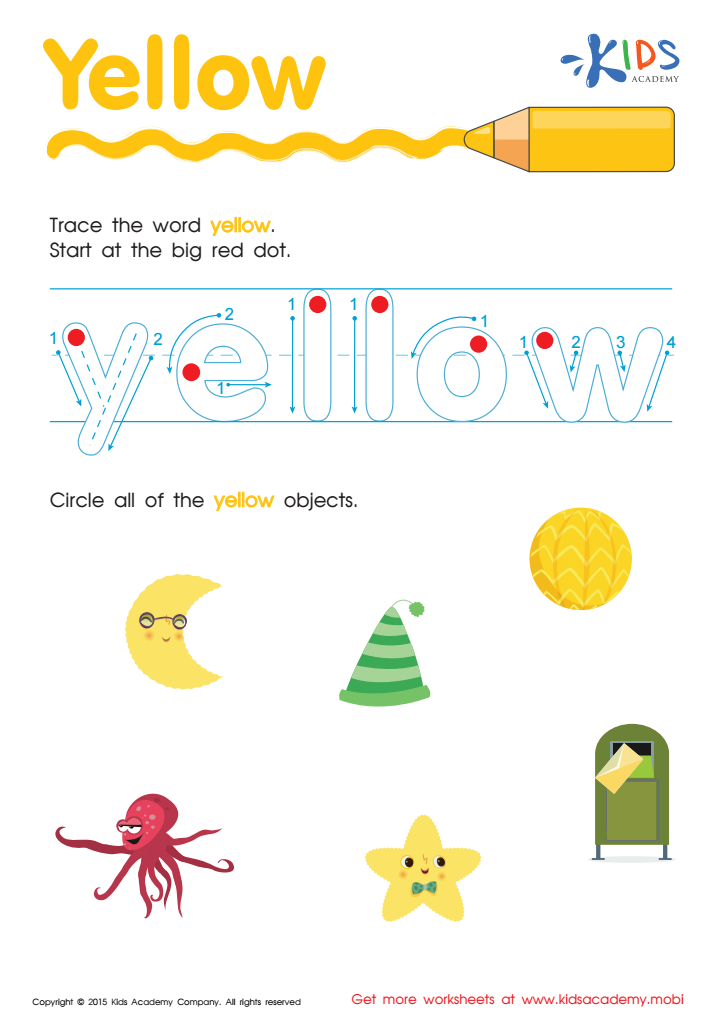
Yellow Tracing Color Words Worksheet
Tracing is a great way to start learning handwriting! Our printable worksheet helps your kindergartener practice and master the basics. They'll trace lines and fill in the word "yellow" with bright colors, sure to captivate and inspire them for more practice. Check out here for more tracing of color words.
Yellow Tracing Color Words Worksheet
Worksheet
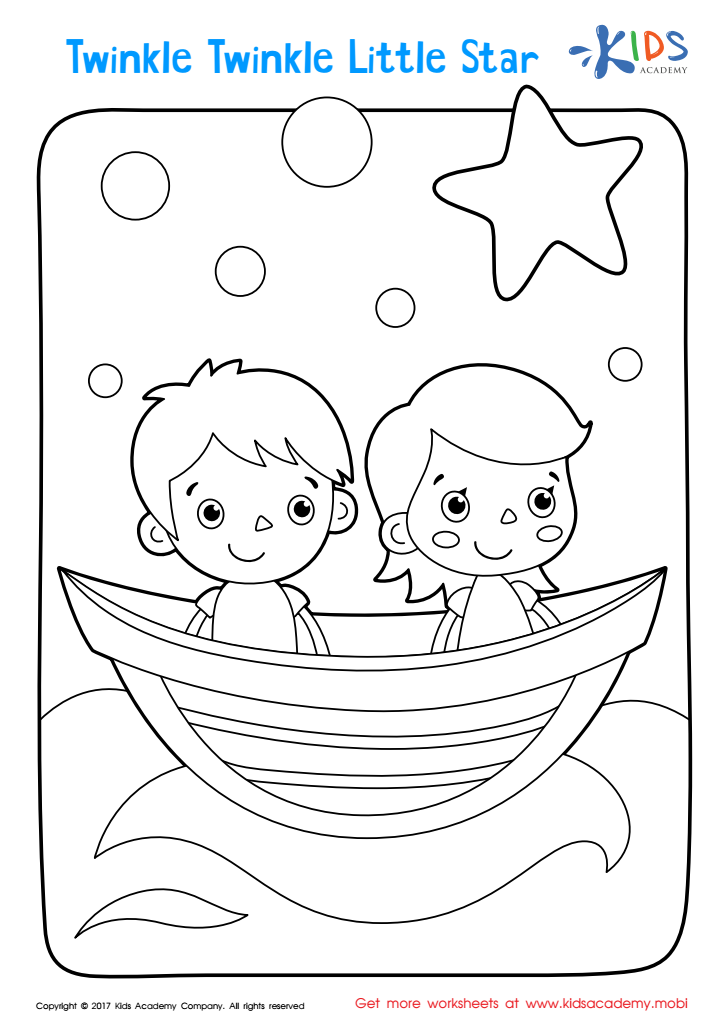
Twinkle Twinkle Little Star Coloring Page
Let your child wish upon a star as they color this scene of boy and girl stargazing. Sing Twinkle Twinkle Little Star while they choose colors to show the star twinkling in the night sky.
Download (PDF)
Assign to My Students
Assign to My Students
Twinkle Twinkle Little Star Coloring Page
Worksheet
Join Kids Academy for Free
Who is primarily going to use this learning content?







Color recognition is a crucial foundational skill for children aged 4-6, as it significantly impacts their cognitive development and learning experiences. At this stage, children are developing their observational skills, and recognizing colors helps enhance their ability to identify and categorize objects in their environment. Mastering color recognition boosts their vocabulary, as they learn to associate specific colors with objects, fostering language development.
Furthermore, color recognition plays an essential role in early literacy and math skills. Children often use colors to express feelings and ideas creatively, contributing to their emotional development. Tasks involving sorting and grouping by color also lay the groundwork for basic math concepts like classification and patterns.
Teachers and parents should care about color recognition because it supports children's overall intellectual growth that influences their academic success. Engaging children in activities that involve colors—such as art projects, sorting games, and storytelling—also strengthens parent-child and teacher-student relationships, making learning more interactive and enjoyable. By fostering an environment where color learning is prioritized, we support children's self-esteem, communication skills, and readiness for future learning challenges, ultimately setting the stage for lifelong learning and curiosity.








