Directional understanding Worksheets for Ages 4-6
6 filtered results
-
From - To
Unlock your child's potential with our engaging Directional Understanding Worksheets designed for ages 4-6! These fun, educational resources help young learners grasp essential concepts like left, right, up, down, and beyond. Each worksheet features vibrant illustrations and age-appropriate activities that captivate your child's interest while reinforcing critical thinking and spatial awareness skills. Perfect for home or classroom use, these worksheets promote interactive learning through games and illustrations that make directional concepts come alive. Foster your child's cognitive development and boost their confidence with our expertly crafted materials, ensuring they build a solid foundational understanding of directions as they embark on their educational journey.
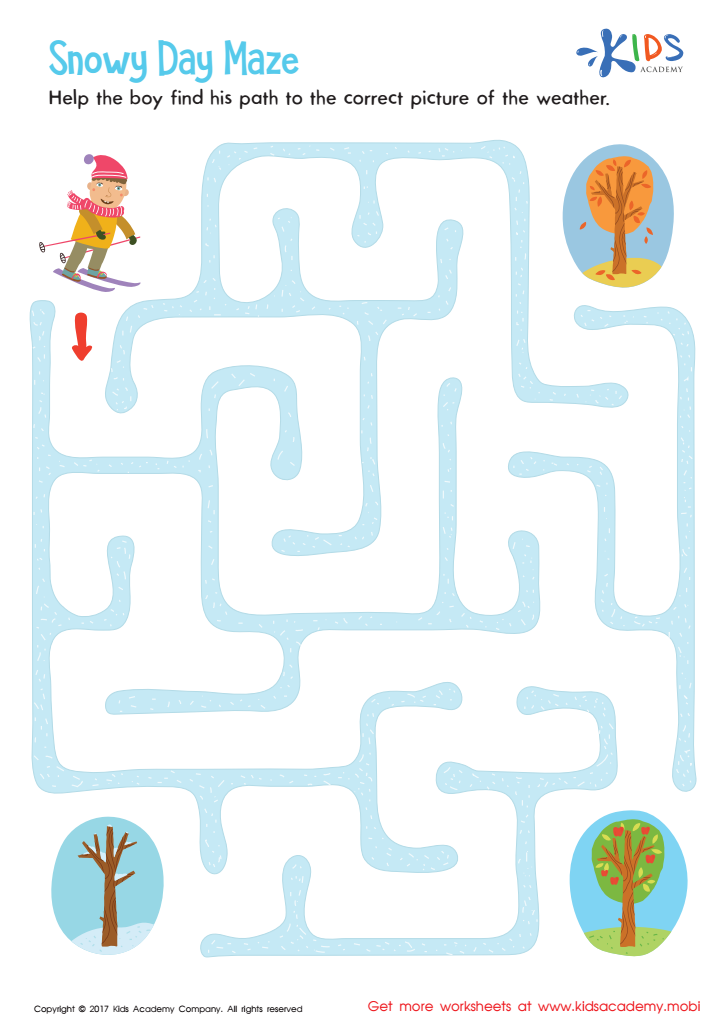
 Assign to My Students
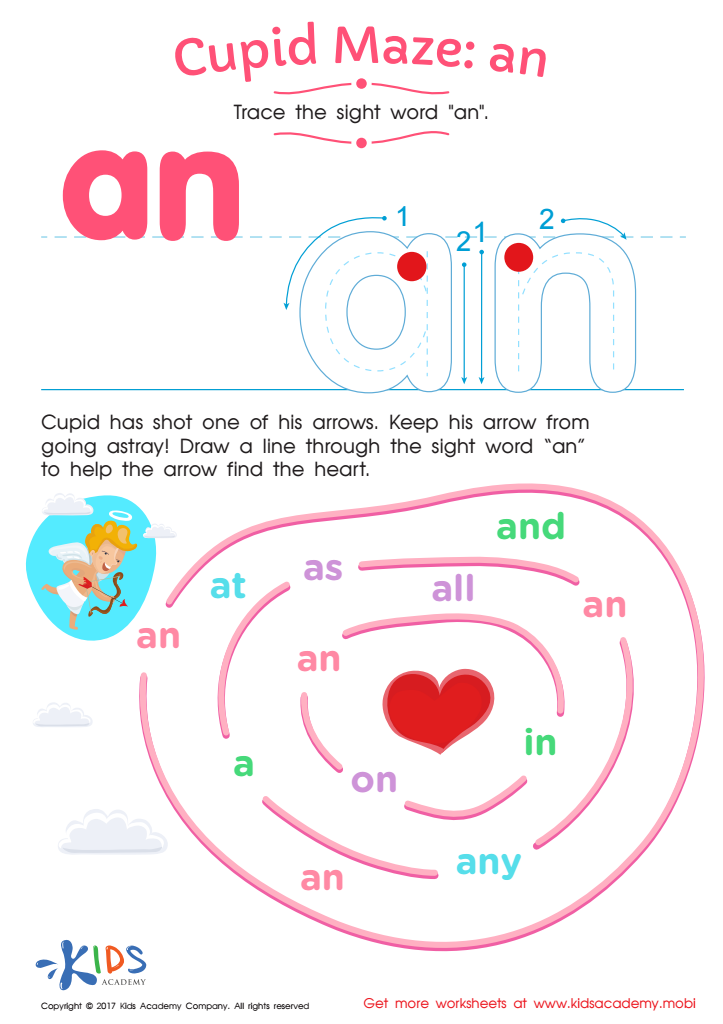
Cupid Maze: An Printable
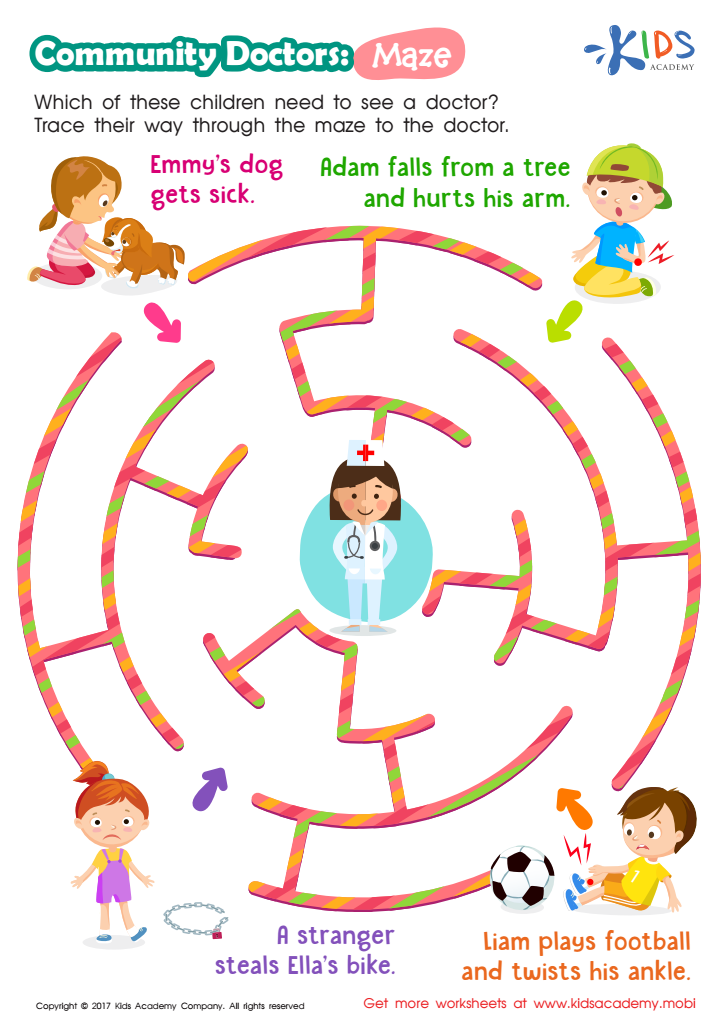
Community Doctors: Maze Printable
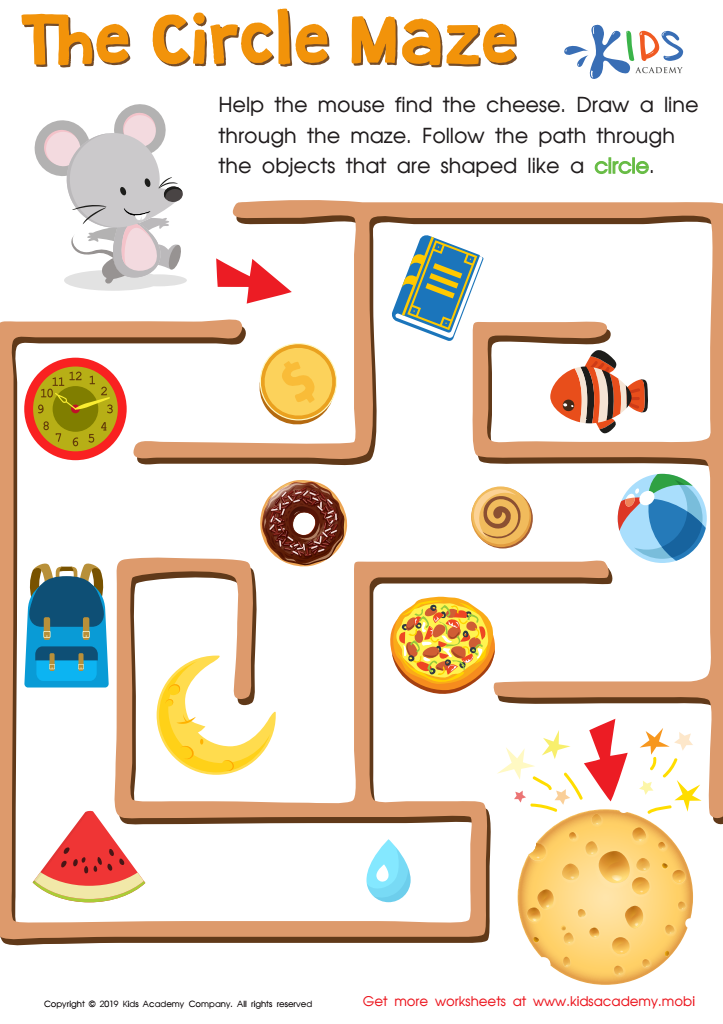
The Circle Maze Worksheet
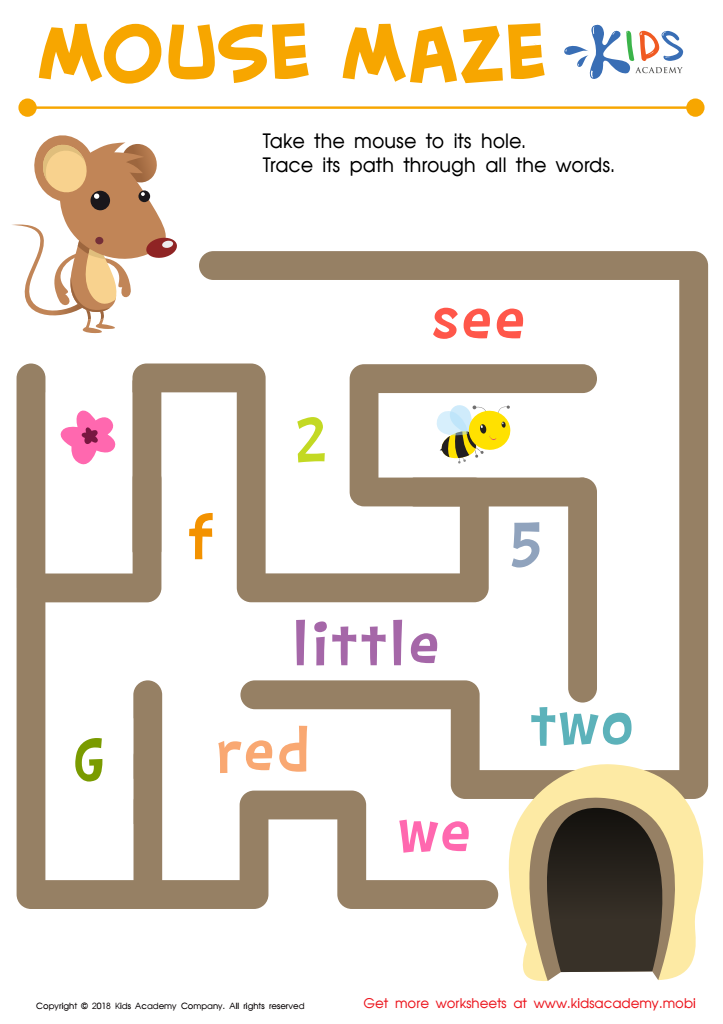
Find Words Mouse Maze Worksheet
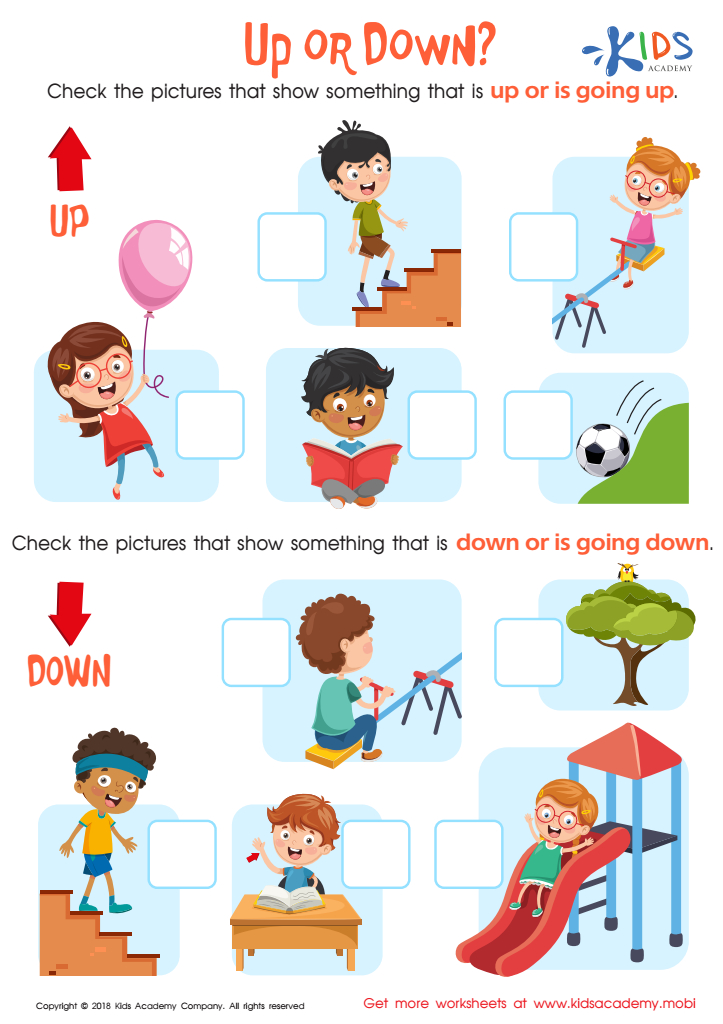
Up or Down Worksheet







Directional understanding is crucial for children aged 4-6 as it lays the foundation for important cognitive, social, and physical skills. At this developmental stage, children begin to comprehend concepts such as up, down, left, right, forward, and backward, which significantly aids their ability to navigate the world around them.
For parents and teachers, fostering directional understanding is essential because it enhances spatial awareness, which is linked to various academic subjects, including mathematics and geometry. Children who grasp directional concepts are better equipped to follow instructions, organize their thoughts, and problem-solve effectively.
Furthermore, directional understanding is integral to social interactions and collaborative play. Concepts of direction often come into play in games and activities, where understanding spatial relationships can enhance teamwork and communication.
Additionally, this skill significantly influences a child’s ability to develop literacy. Being able to follow a sequence in stories or directions helps in comprehension and builds a strong foundation for reading and writing.
Ultimately, nurturing directional understanding supports children’s overall development, making parents and teachers crucial partners in expanding these fundamental skills. Engaging children in interactive activities, storytelling, and spatial games can make learning about direction an enjoyable experience.








