Handwriting practice Worksheets for Ages 4-6 - Page 4
88 filtered results
-
From - To
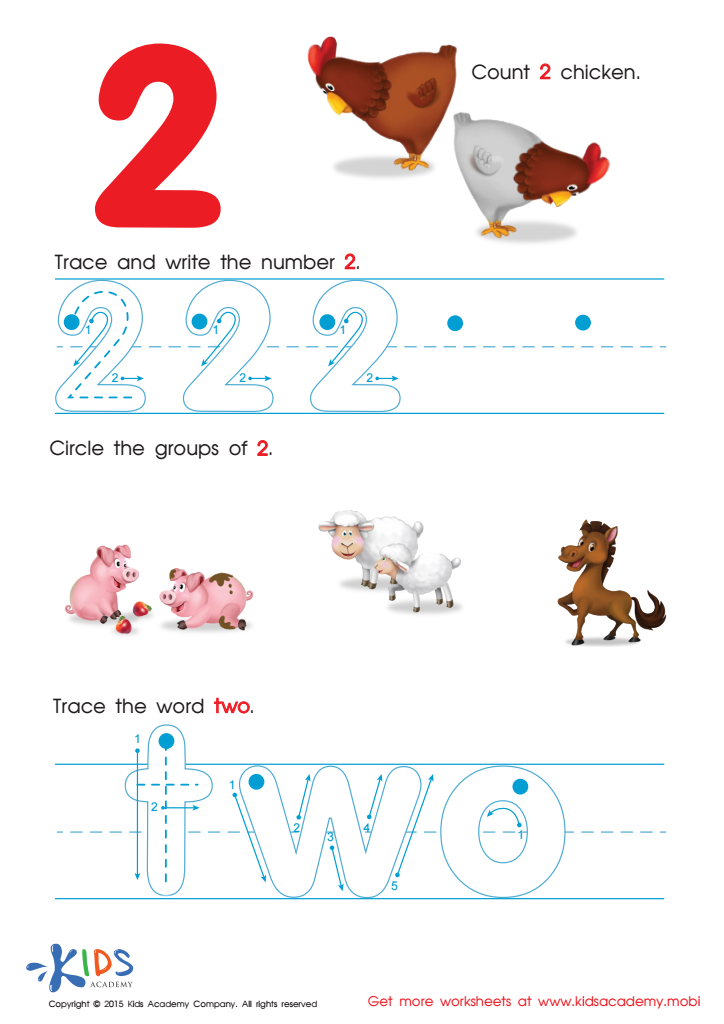
Learn to Write the Number 2 Worksheet
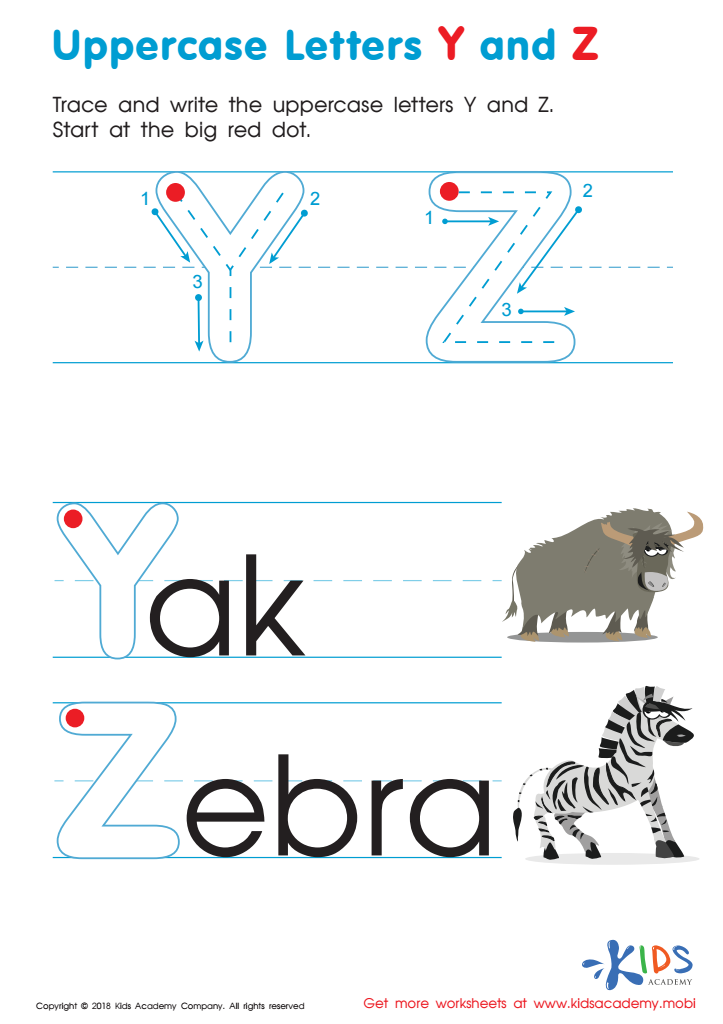
Uppercase Letters Y Z Worksheet
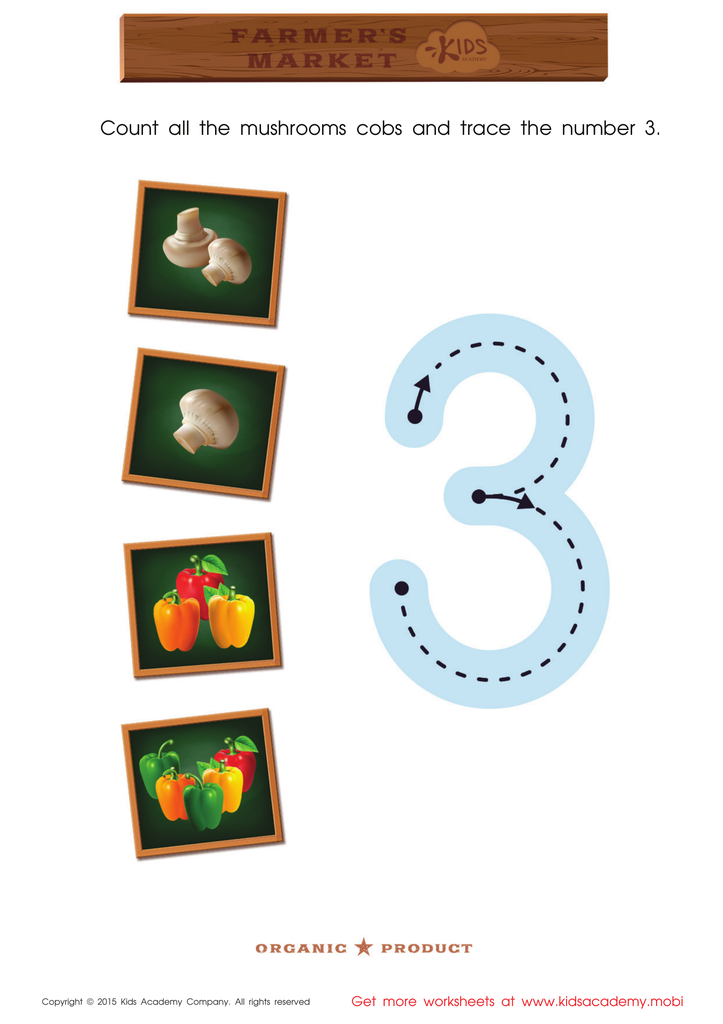
Count the Mushrooms and Trace the Number 3 Printable
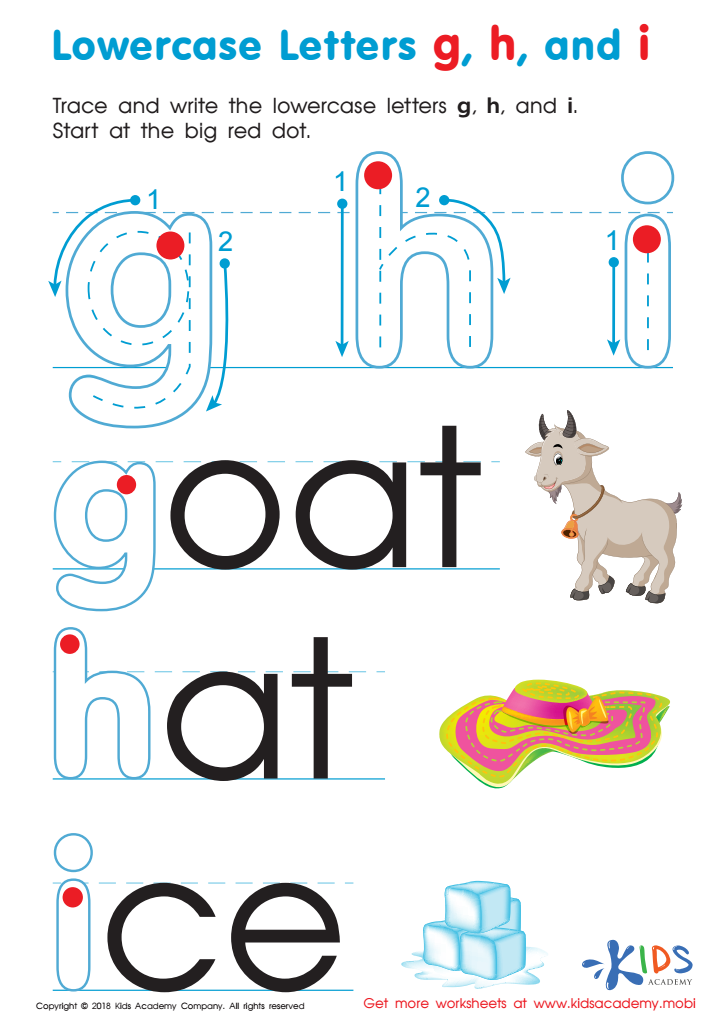
Lowercase Letters g h i Worksheet
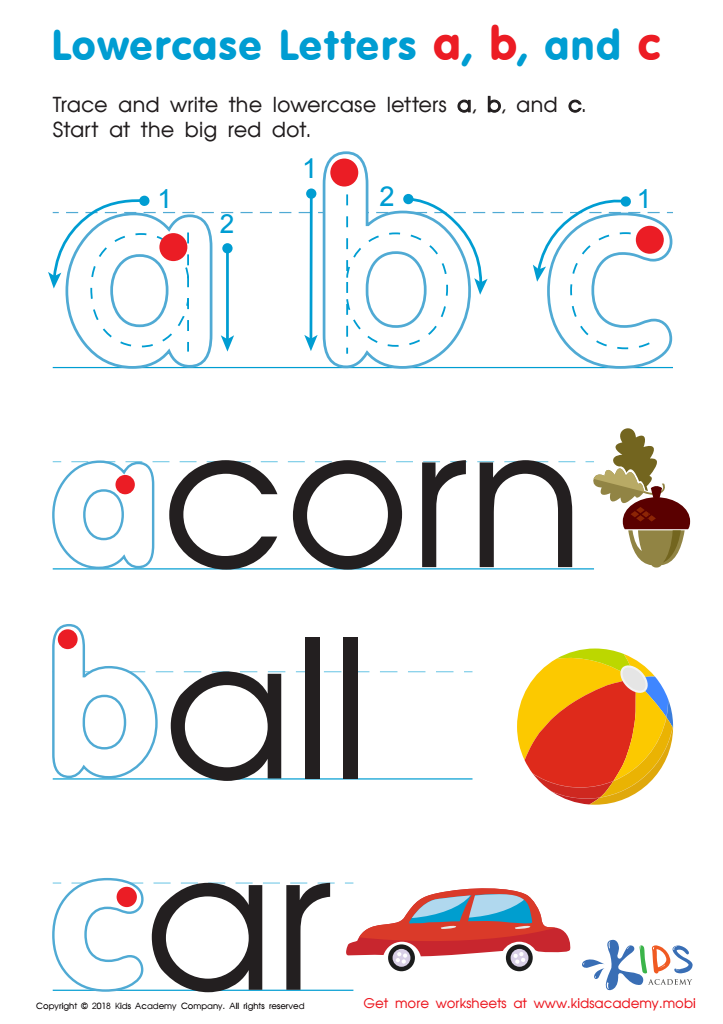
Lowercase Letters a b c Worksheet
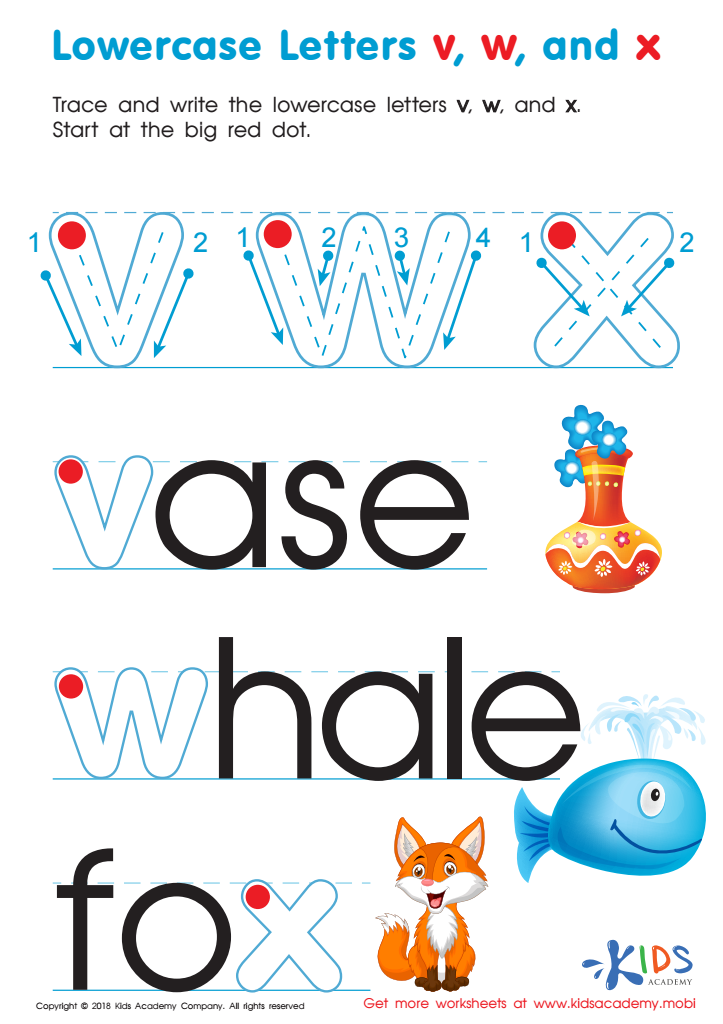
Lowercase Letters v w x Worksheet
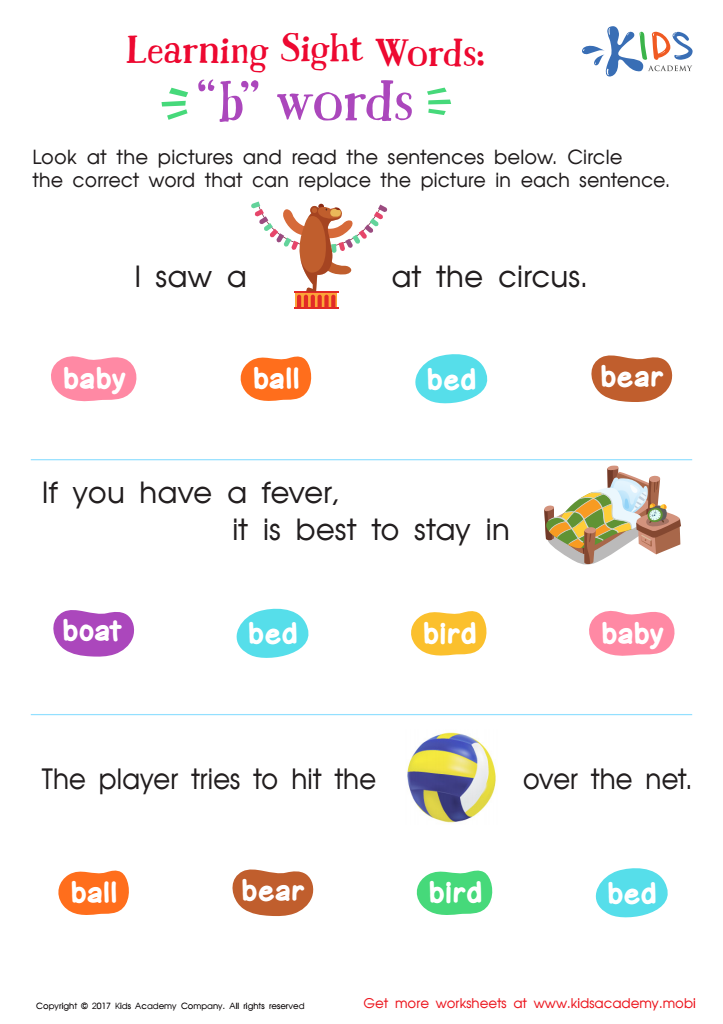
"B" Words Printable Sight Words Worksheet
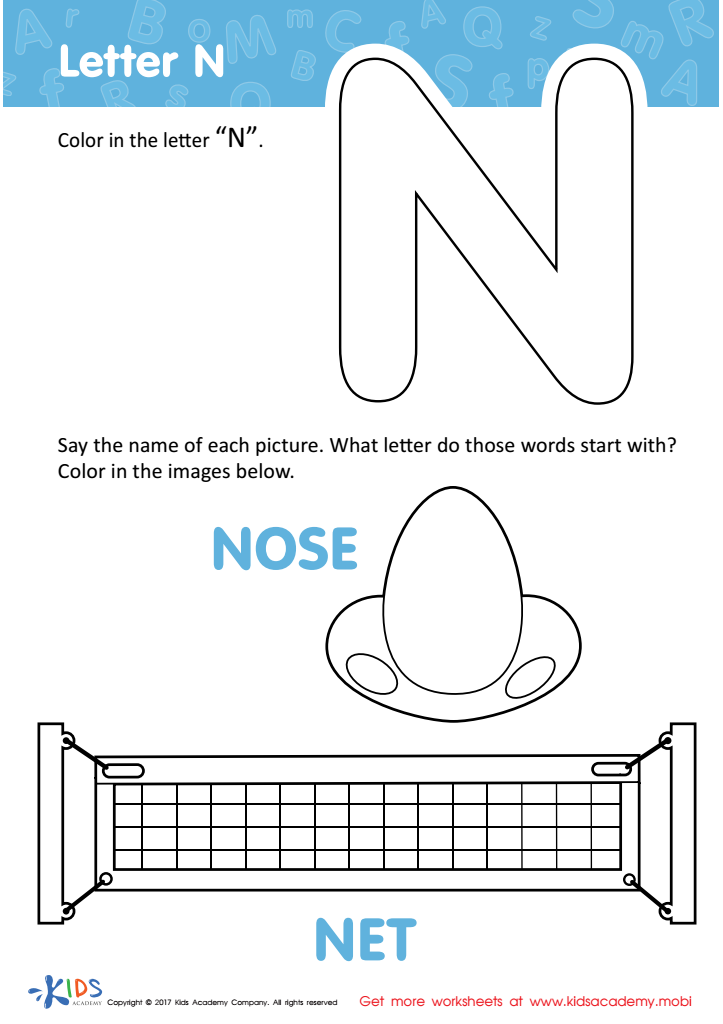
Letter N Coloring Sheet
 Assign to My Students
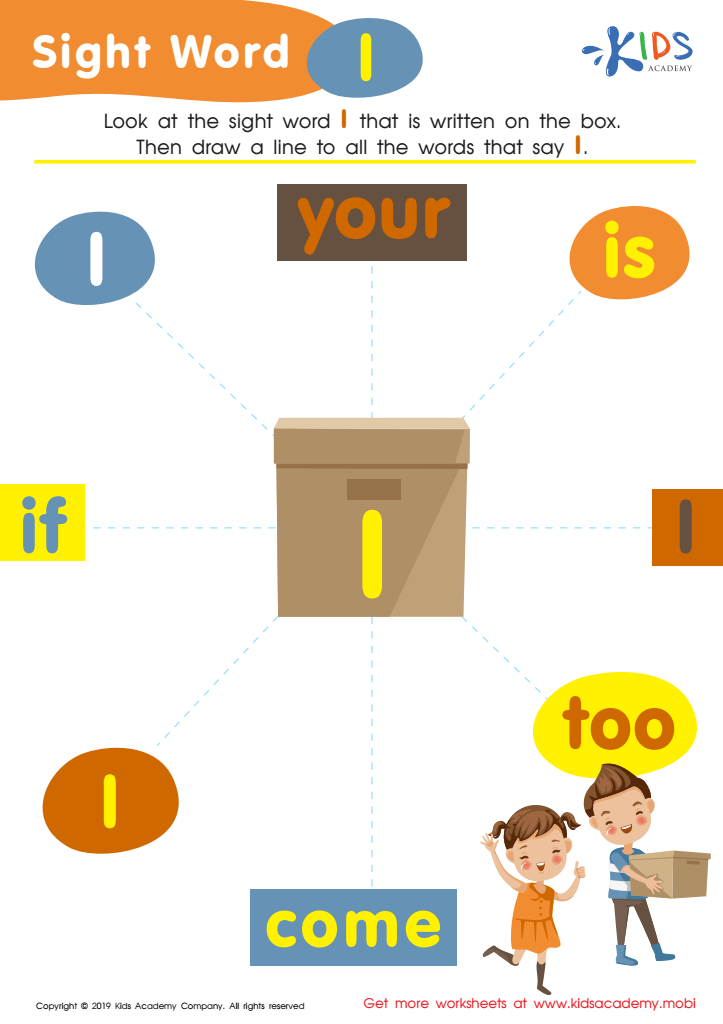
Sight Word I Worksheet
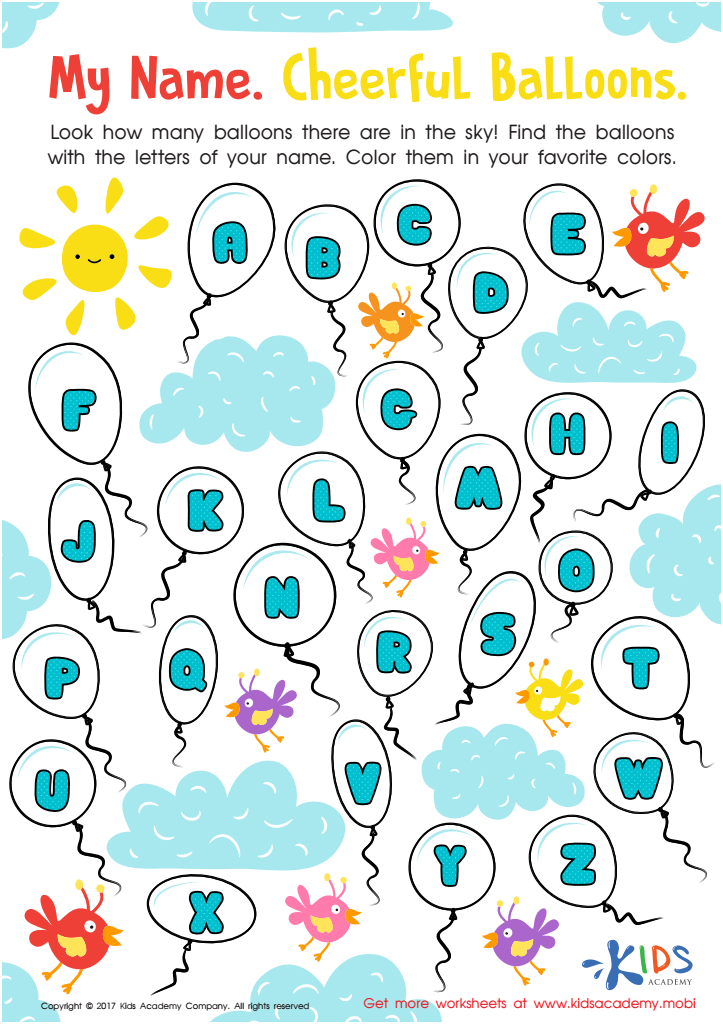
My Name: Cheerful Balloons Worksheet
Assign to My Students
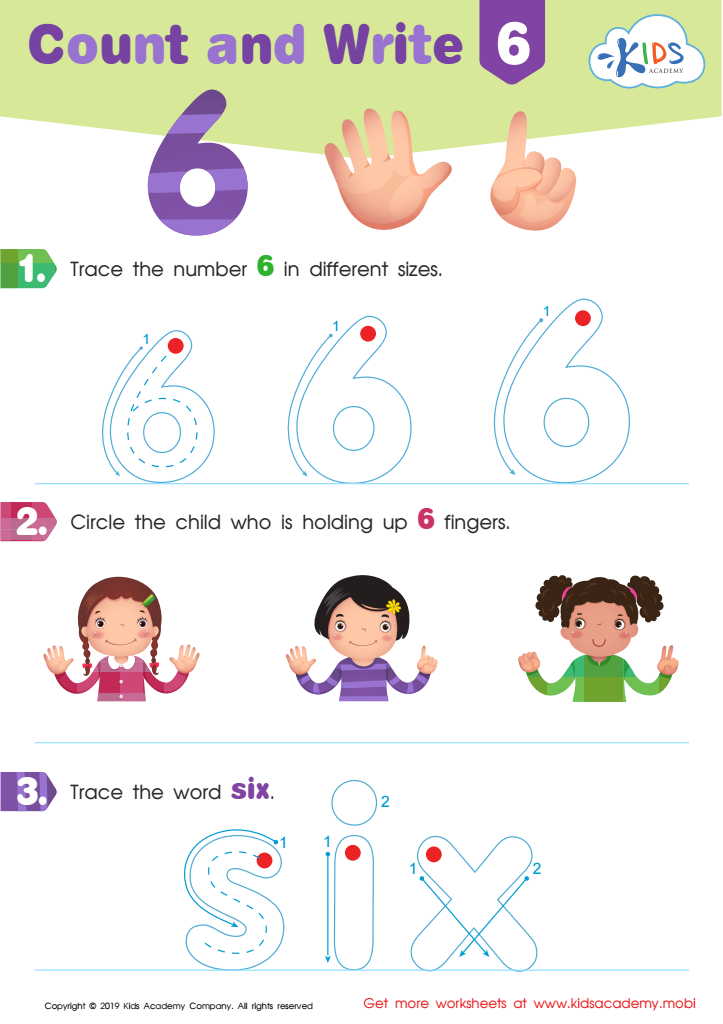
Count and Write 6 Worksheet
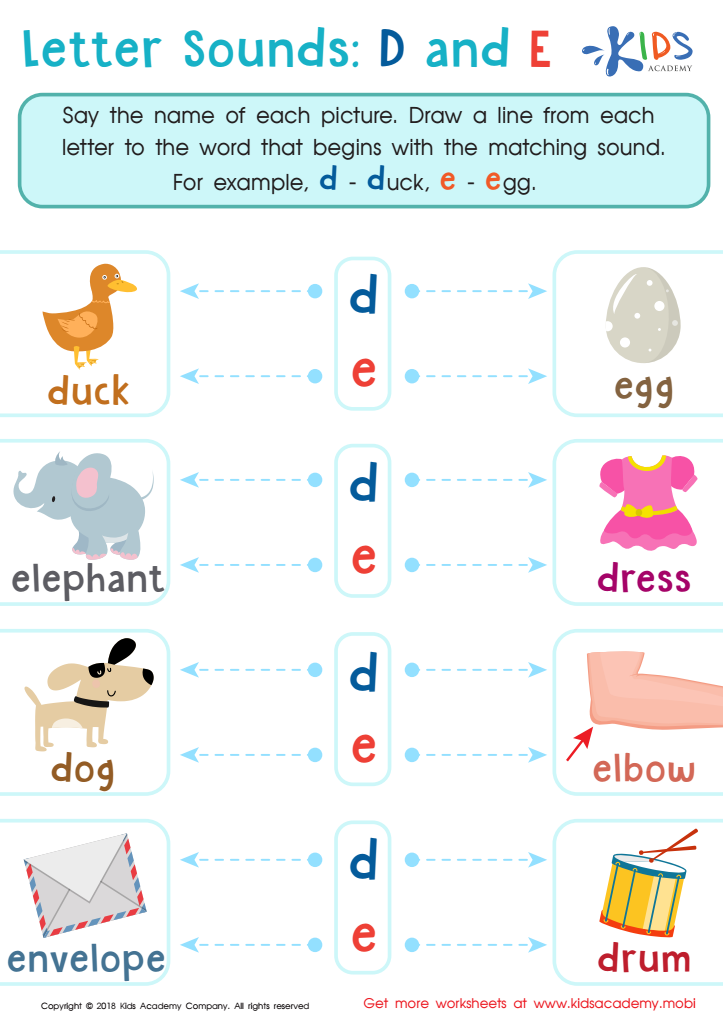
Letter D and E Sounds Worksheet
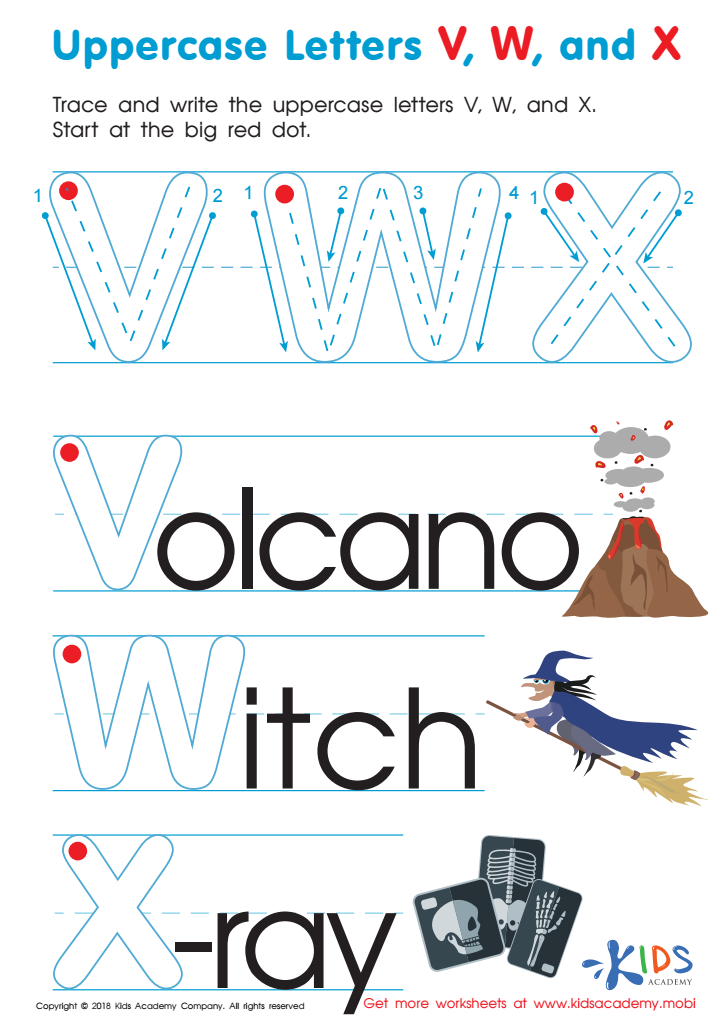
Uppercase Letters V, W, and X Worksheet
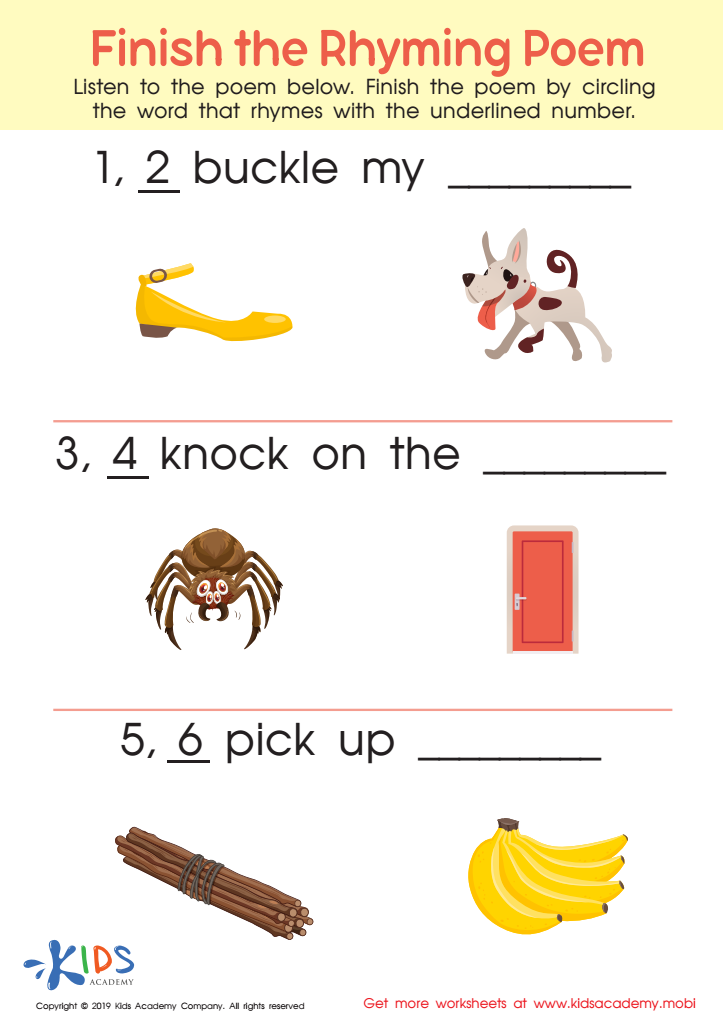
Finish Rhyming Poem Worksheet
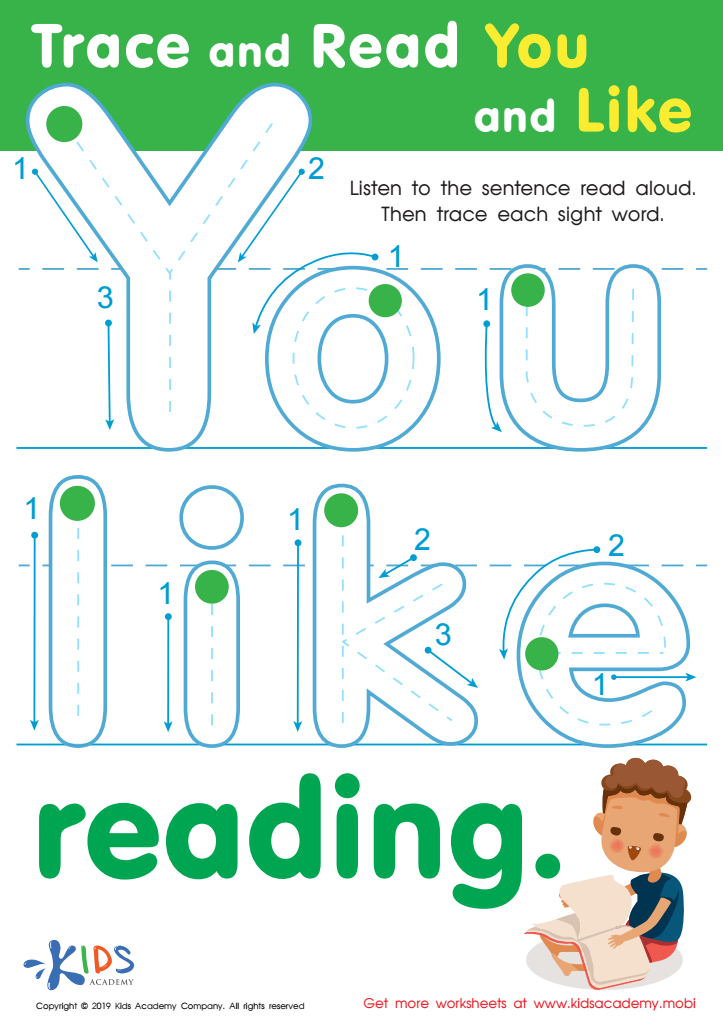
Trace Read You Like Worksheet
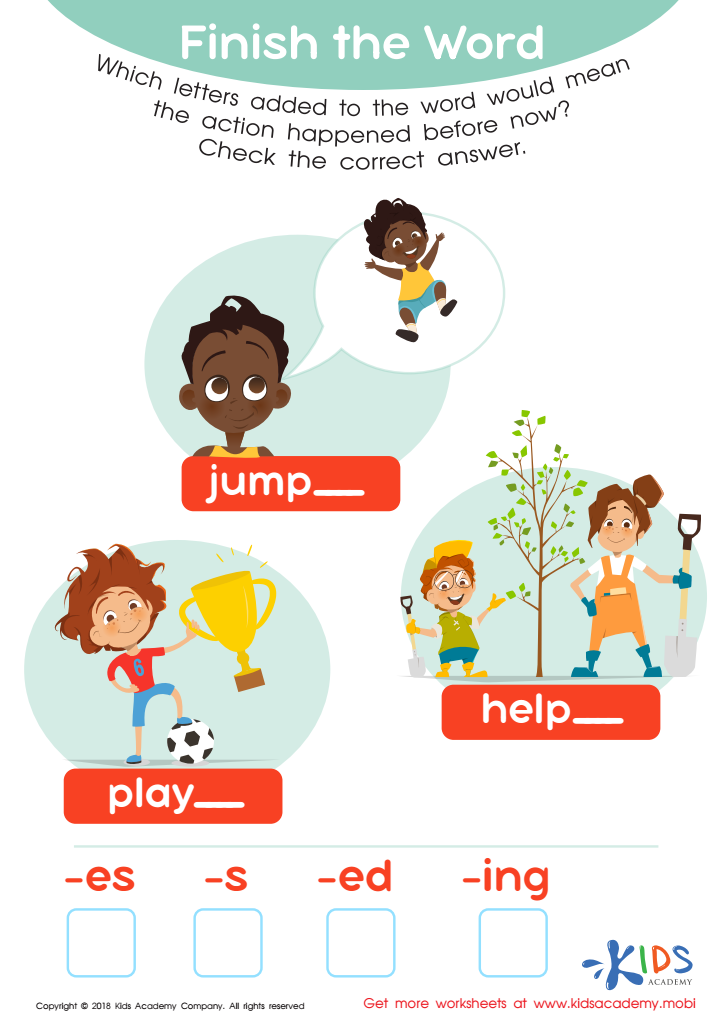
Finish the Word Worksheet








Handwriting practice is crucial for children aged 4-6 as it lays the foundation for their academic success and fine motor skill development. At this early stage, children are exploring the world around them, and the act of writing helps them to express their thoughts and feelings. Engaging in handwriting activities enhances their sensory experiences, encouraging cognitive development as they learn to form letters and words.
Handwriting also fosters fine motor skills, essential for various tasks they will encounter throughout their lives. As children manipulate crayons and pencils, they strengthen the muscles in their hands, leading to improved dexterity and coordination. This skill is not only fundamental for writing but also for tasks such as buttoning shirts, tying shoelaces, and using tools.
Moreover, legible handwriting is important for effective communication in school settings and beyond. Children who practice handwriting develop better reading and writing skills, which are integral for their academic success. By valuing handwriting practice, parents and teachers can help foster a love for writing, boost confidence, and encourage creativity in young learners. In short, nurturing these skills early prepares children for future educational challenges and enhances their overall development.








