
Improving reading skills Worksheets for Ages 4-6
8 filtered results
Difficulty Level
Grade
Age
-
From - To
Subject
Activity
Standards
Enhance your child's reading abilities with our engaging "Improving Reading Skills Worksheets" designed specifically for ages 4-6. These printable activities are crafted to make learning fun while building essential literacy skills. Our worksheets feature interactive exercises that focus on phonics, letter recognition, sight words, and comprehension, ensuring that young learners develop a solid foundation in reading. With colorful illustrations and easy-to-follow instructions, children will enjoy practicing while developing confidence in their reading skills. Perfect for parents and educators alike, these resources are an excellent way to support early literacy development at home or in the classroom. Start your reading adventure today!
Favorites
With answer key
Interactive
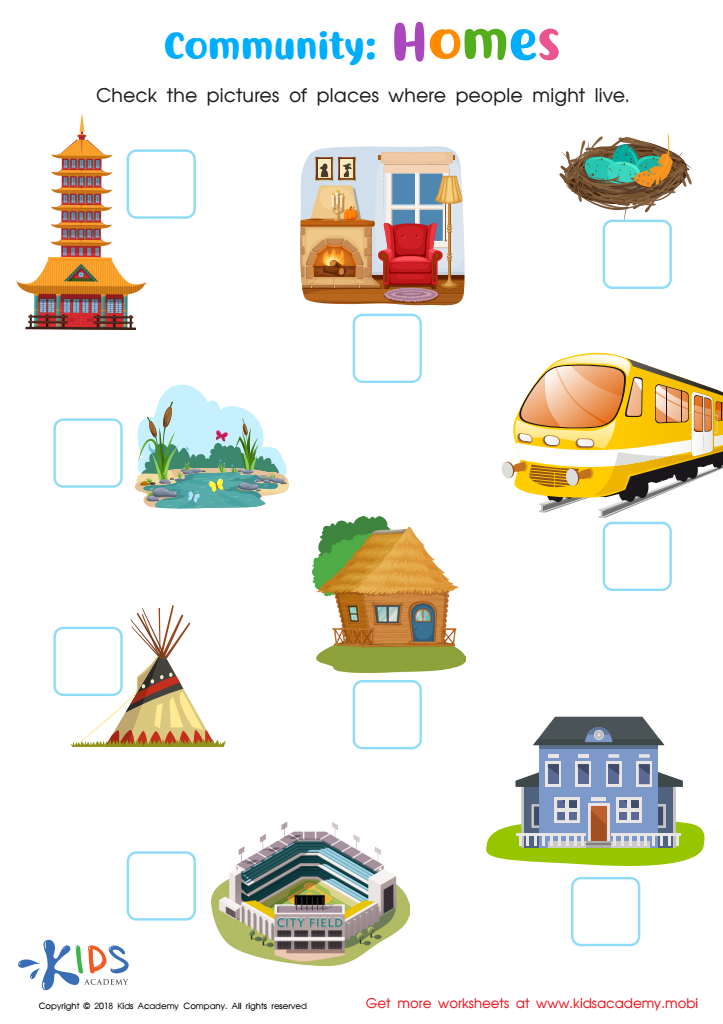
Community: Homes Worksheet
Help your child discover the different types of homes with this free worksheet! Full of colors and pictures, they'll assess which are suitable for people to live in. As they check each picture, they'll use their fine motor skills to draw a conclusion. They'll recognize familiar homes and learn about new ones. There's no place like home!
Community: Homes Worksheet
Worksheet
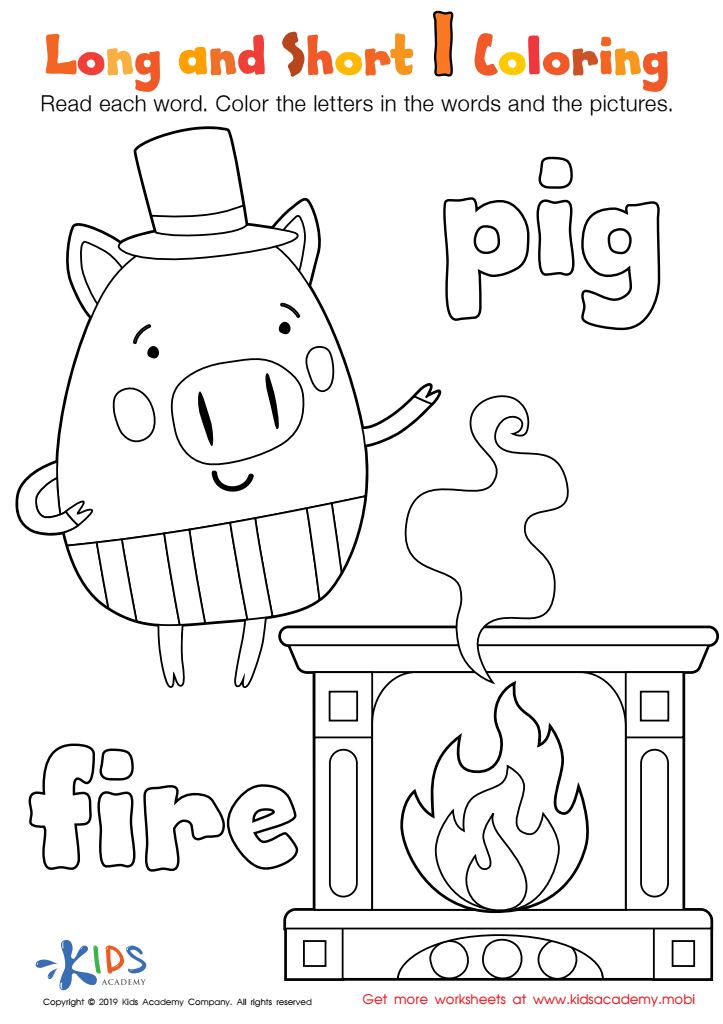
Long and Short I Worksheet
Print the worksheet and have the students read "pig" and "fire". Check for understanding the difference between long and short vowels. Color in words and pictures to make learning phonics fun! This exercise is perfect for introducing the topic to your students.
Download (PDF)
 Assign to My Students
Assign to My Students
Long and Short I Worksheet
Worksheet
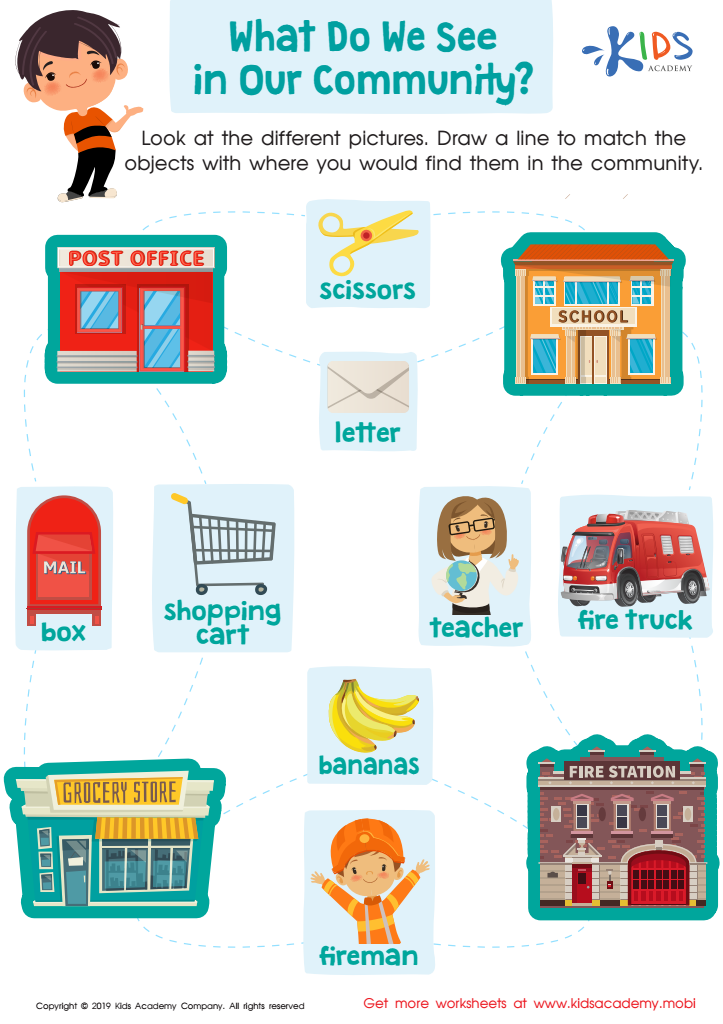
What Do We See in our Community? Worksheet
Kids can learn about citizenship and their place in the world by studying their communities. This free worksheet is a fun way to do it - kids match pictures to what they find in their local community. They can trace the lines to show where they would spot the objects. It's an excellent way to get to know their environment!
What Do We See in our Community? Worksheet
Worksheet
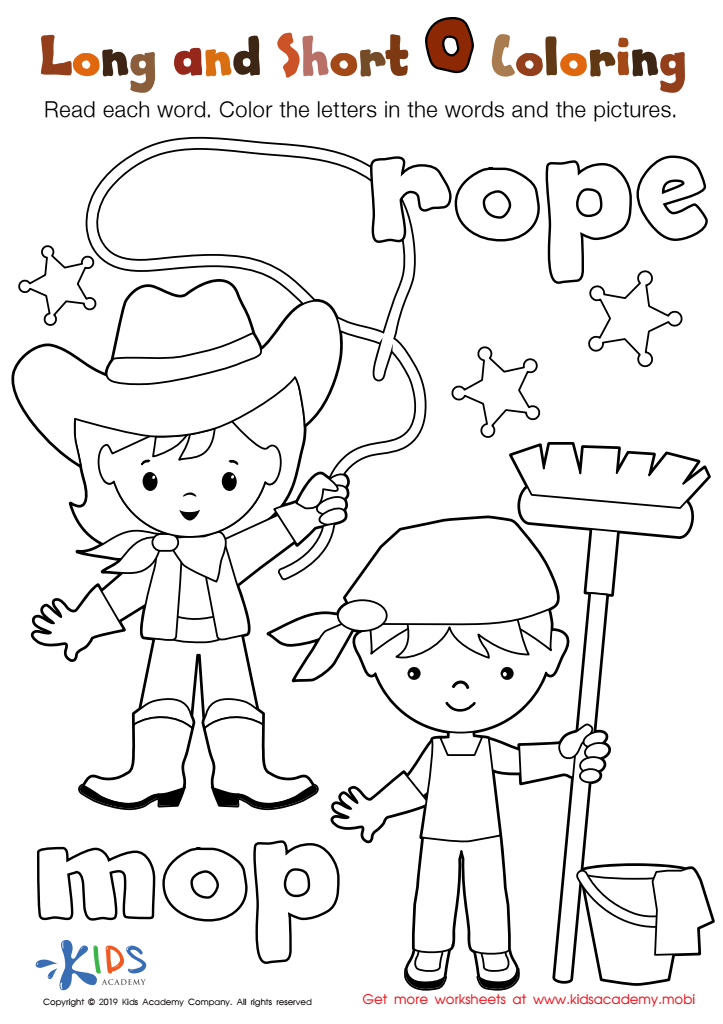
Long and Short O Worksheet
Help your students recognize the difference between long and short «Os» with this fun printout. Let them read and color-in "rope" and "mop" simultaneously. Listen to the different sounds, then color the words and pictures. Great for classes, it'll make your phonics lesson memorable and enjoyable.
Download (PDF)
Assign to My Students
Assign to My Students
Long and Short O Worksheet
Worksheet
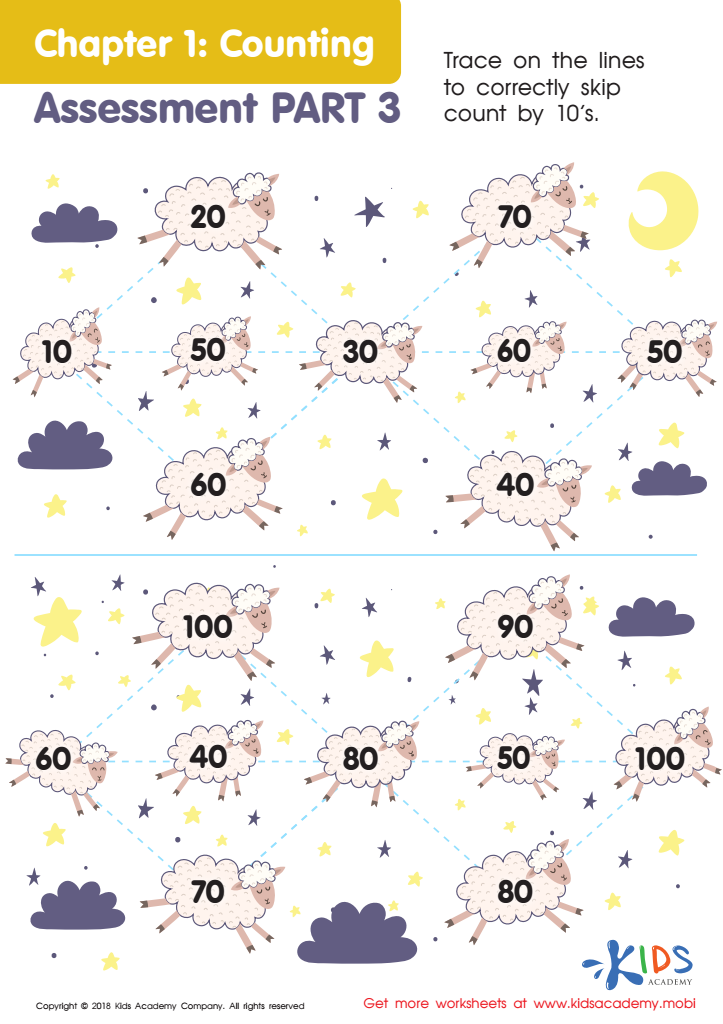
Counting: Assessment 3 Worksheet
This worksheet is great for assessing your child's counting skills. It's a bit more challenging than the usual 'count to fifty' exercises. Have them trace the lines and skip count by 10's to help them learn counting in tens.
Counting: Assessment 3 Worksheet
Worksheet
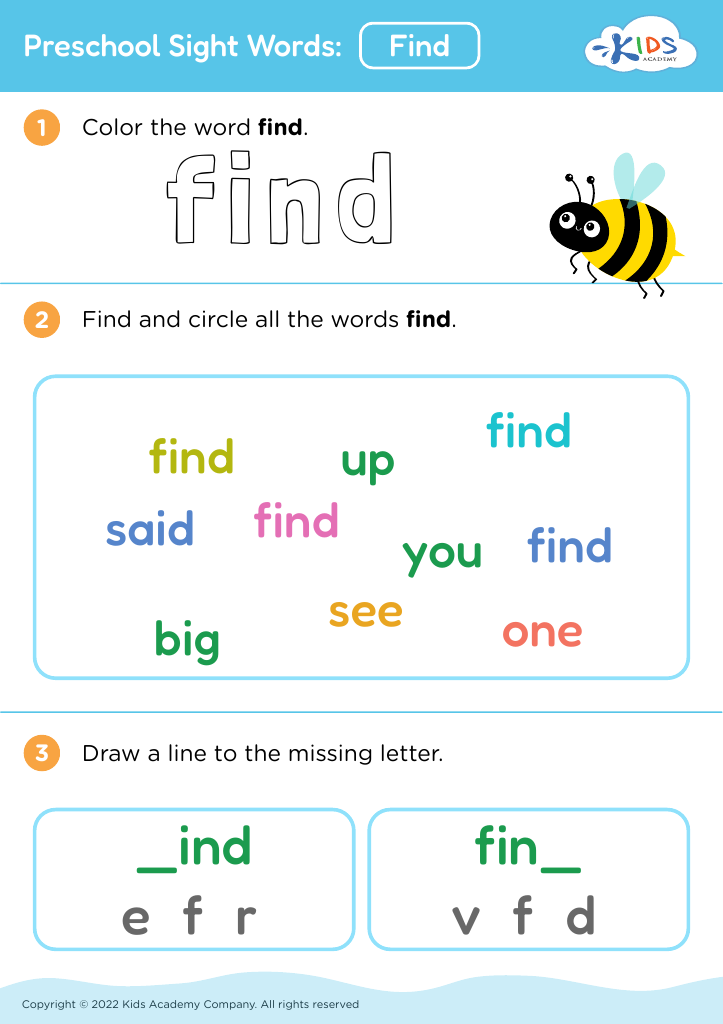
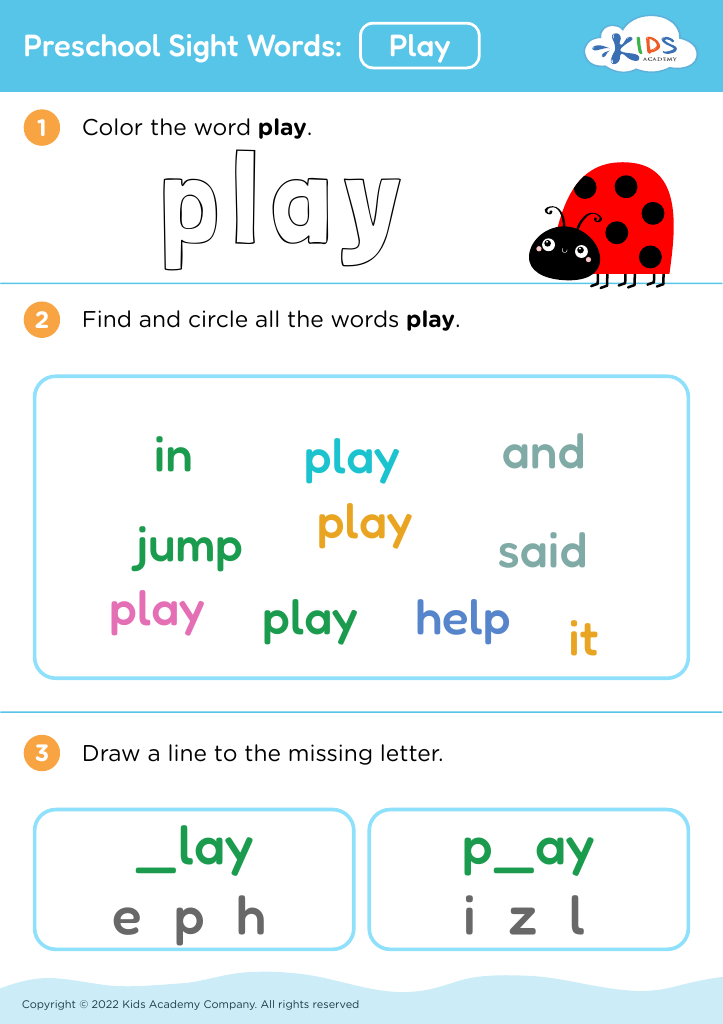
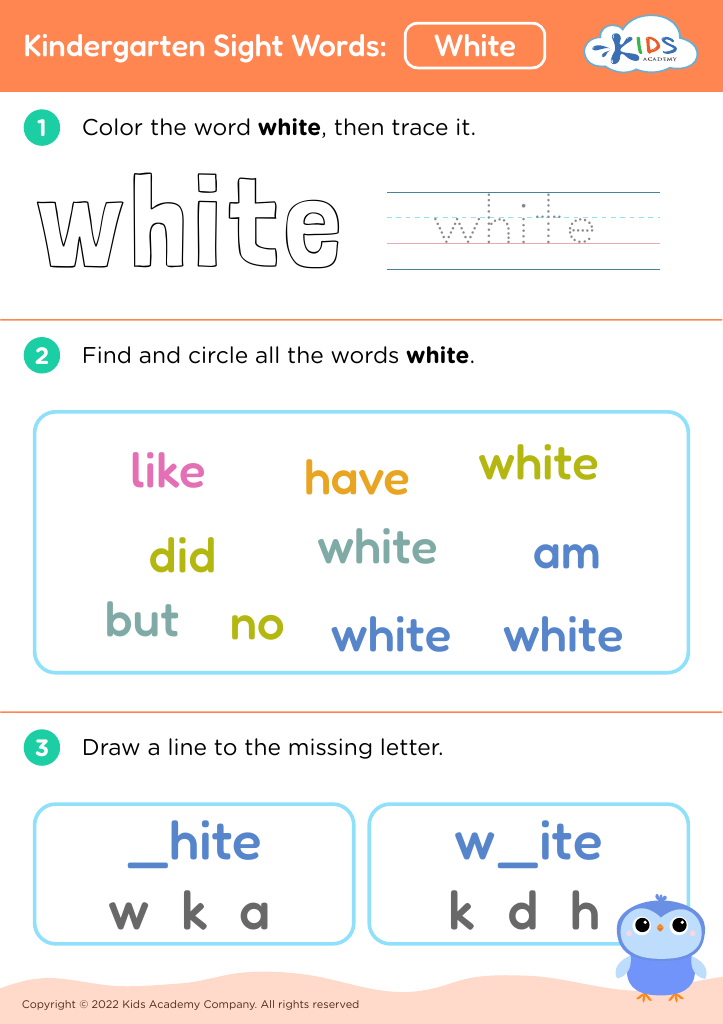
Join Kids Academy for Free
Who is primarily going to use this learning content?






Improving reading skills for children aged 4 to 6 is crucial for their overall development and future academic success. At this young age, children are rapidly acquiring language, vocabulary, and cognitive skills that form the foundation for literacy. A strong beginning in reading enhances not only their ability to understand and enjoy books but also improves their language development and communication skills.
Furthermore, early literacy is closely associated with academic achievement. Research shows that children who develop reading skills early are more likely to perform well in school and pursue higher education. Moreover, strong reading abilities can bolster a child's confidence and love for learning, instilling a lifelong passion for exploration and knowledge.
Lack of foundational reading skills can lead to struggles in later grades, potentially impacting self-esteem and engagement. By focusing on reading skills at this critical developmental stage, parents and teachers can ensure children are not only prepared to succeed academically but are also better equipped to navigate the world around them. Early interventions, such as reading together, phonics games, and storytelling, can create positive experiences and set children on a path to literacy and lifelong learning. This reinforces the importance of prioritizing reading skill development in the early years.








