Logical Reasoning Worksheets for Ages 4-6 - Page 2
48 filtered results
-
From - To
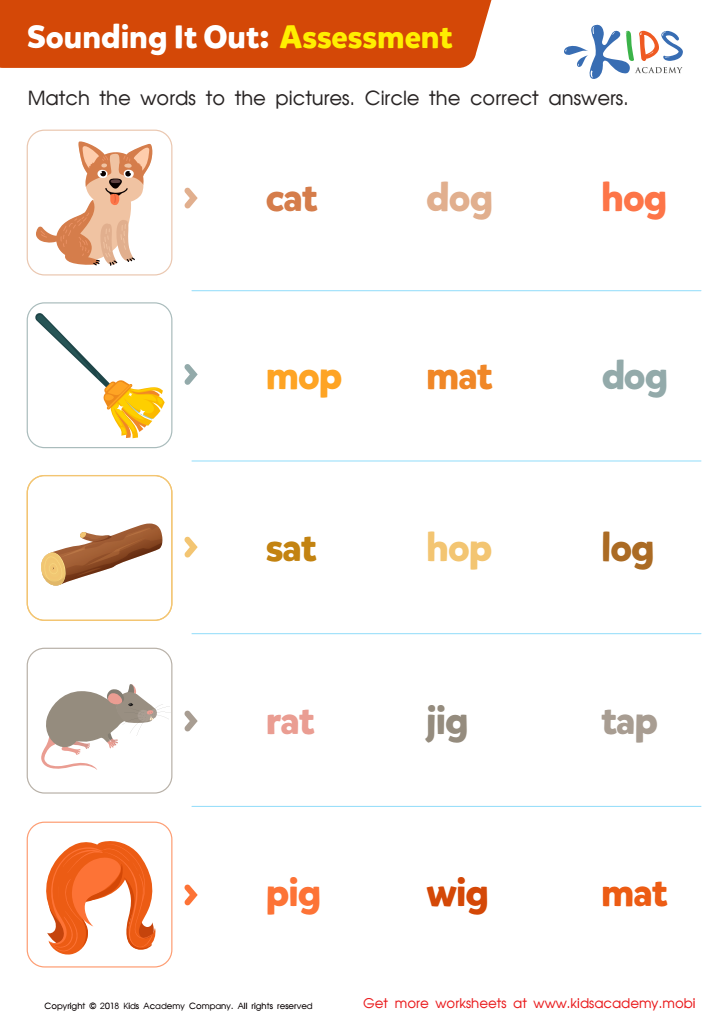
Sounding it Out: Assessment Worksheet
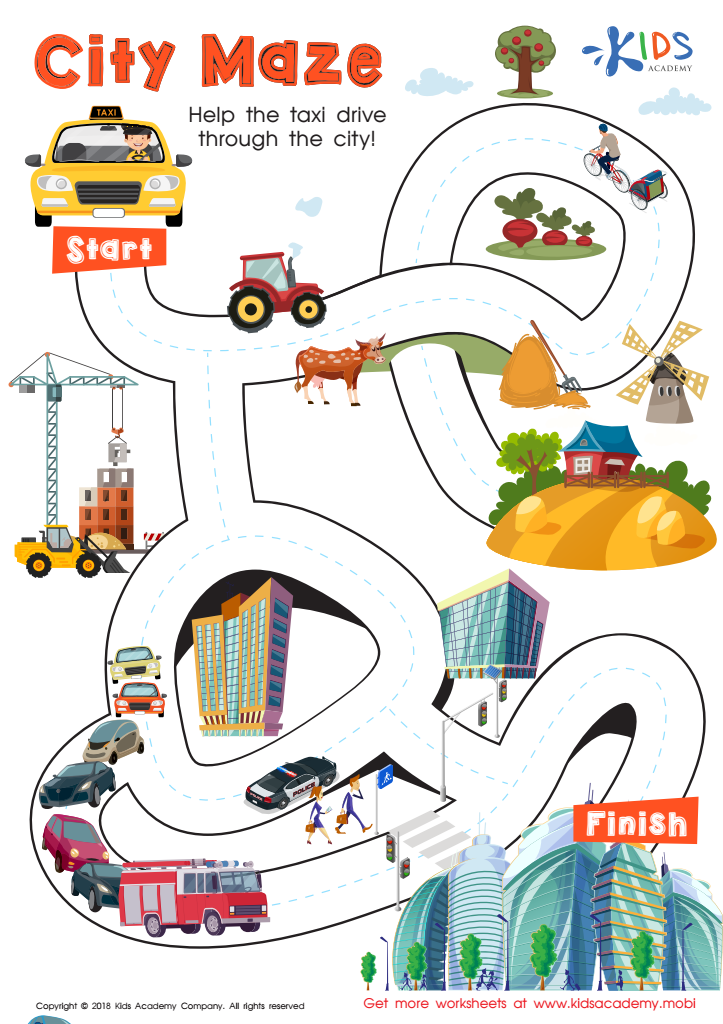
City Maze Worksheet
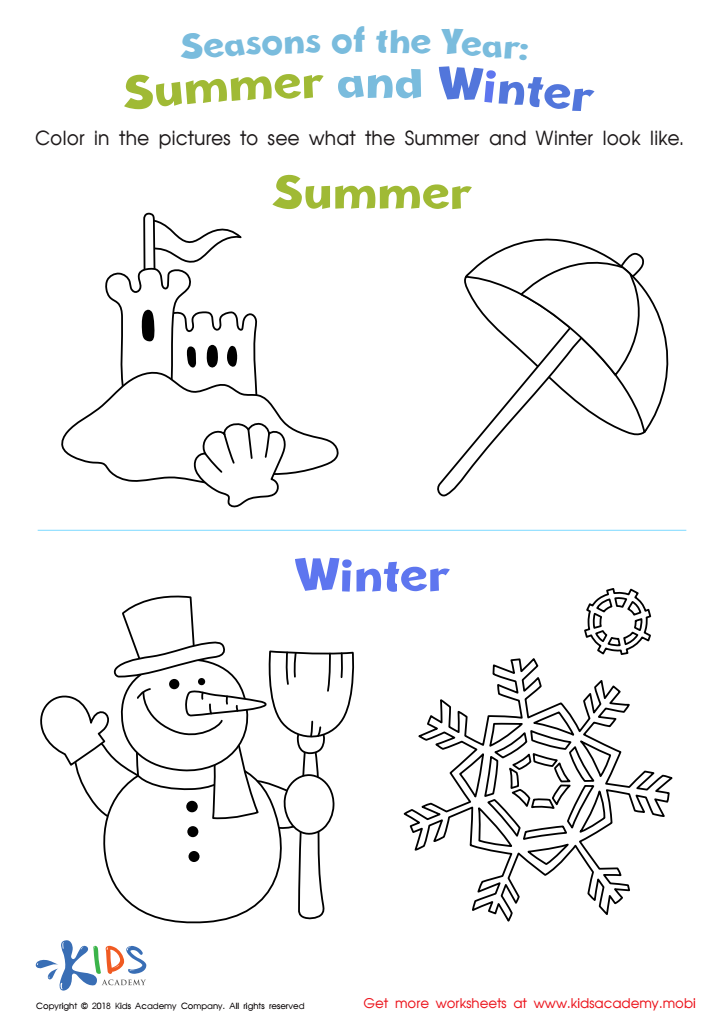
Summer and Winter Worksheet
 Assign to My Students
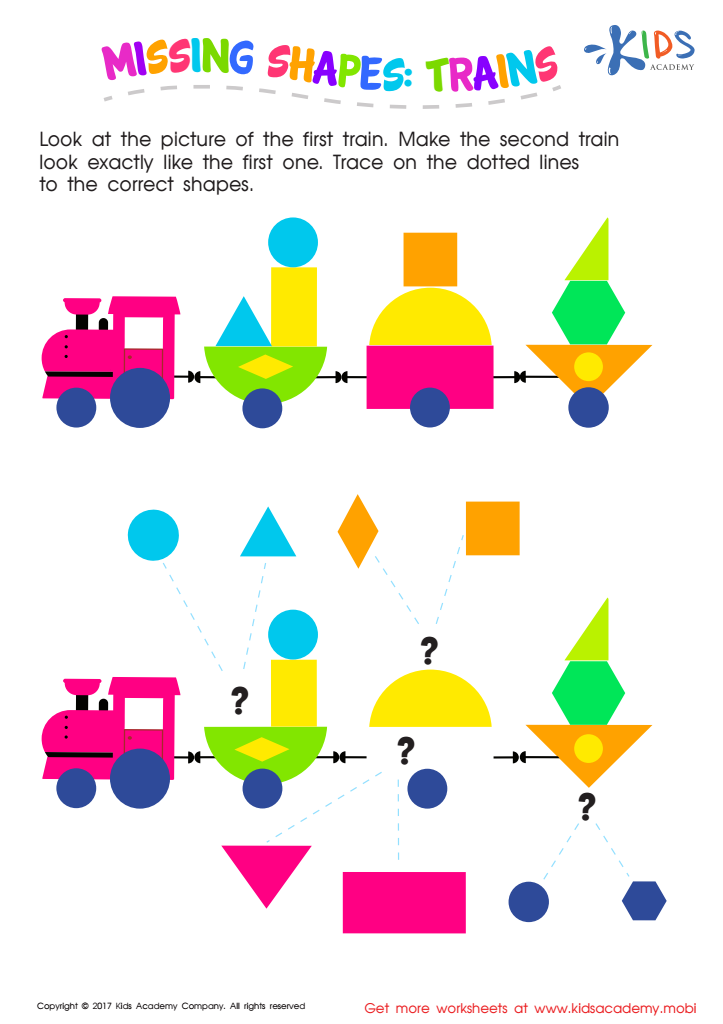
Missing Shapes: Trains Worksheet
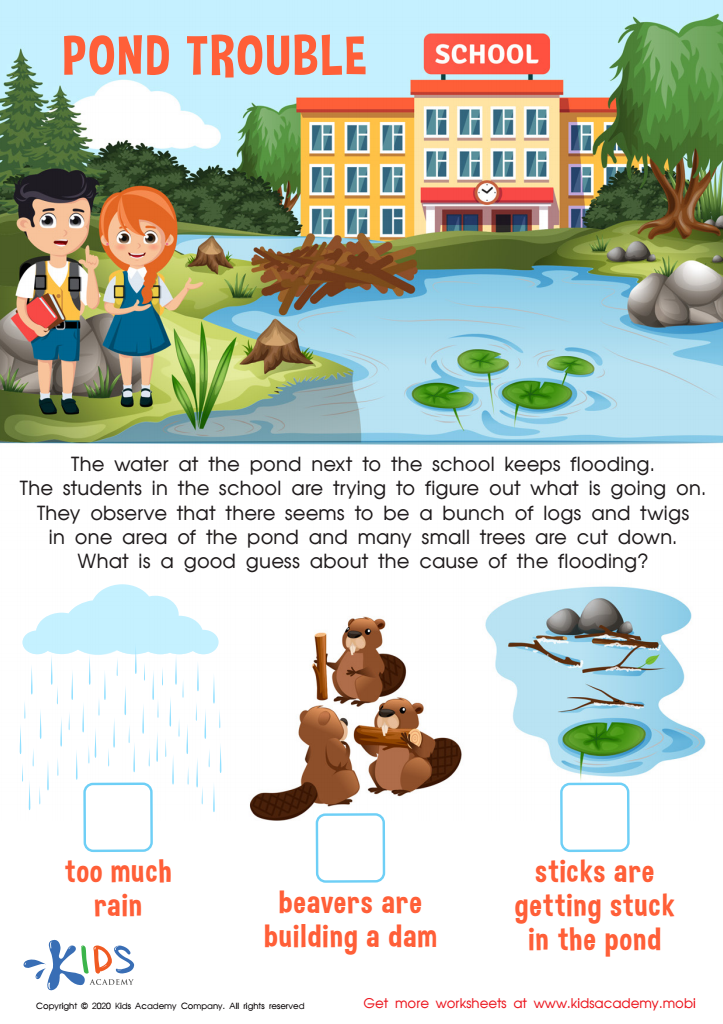
Pond Trouble Worksheet
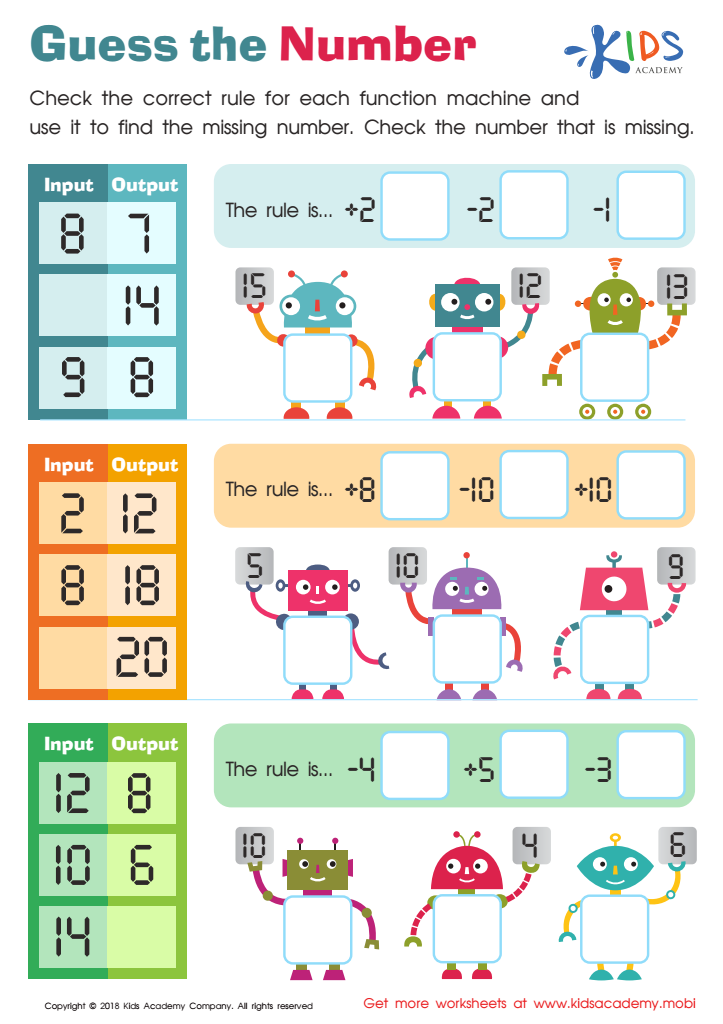
Guess the Number Worksheet
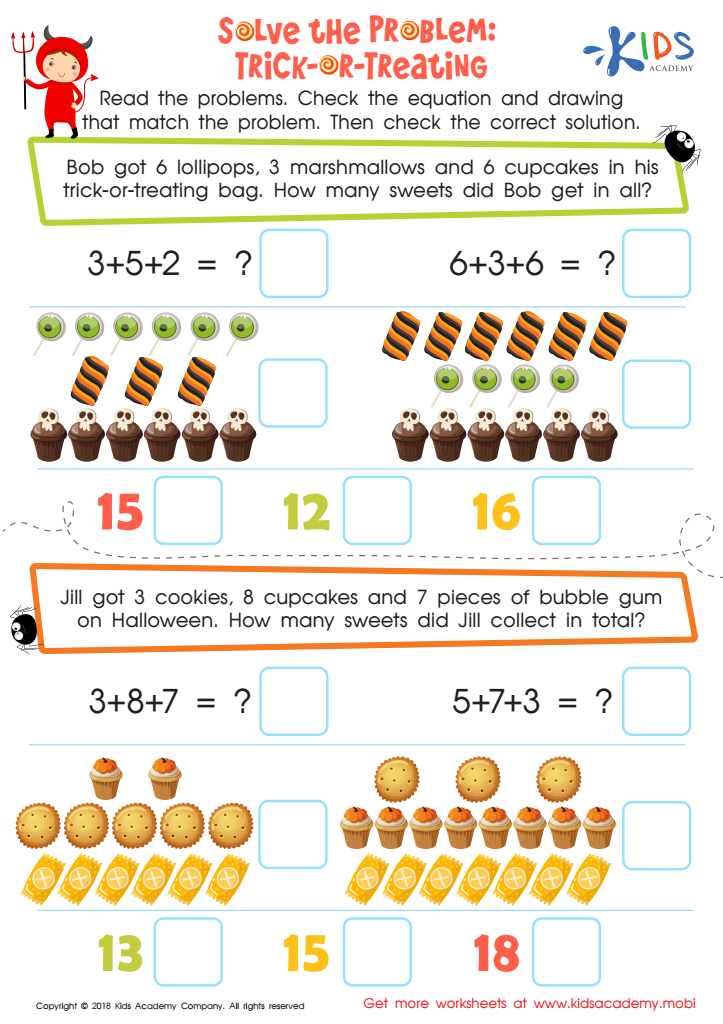
Solve the Problem: Trick–or–treating Worksheet
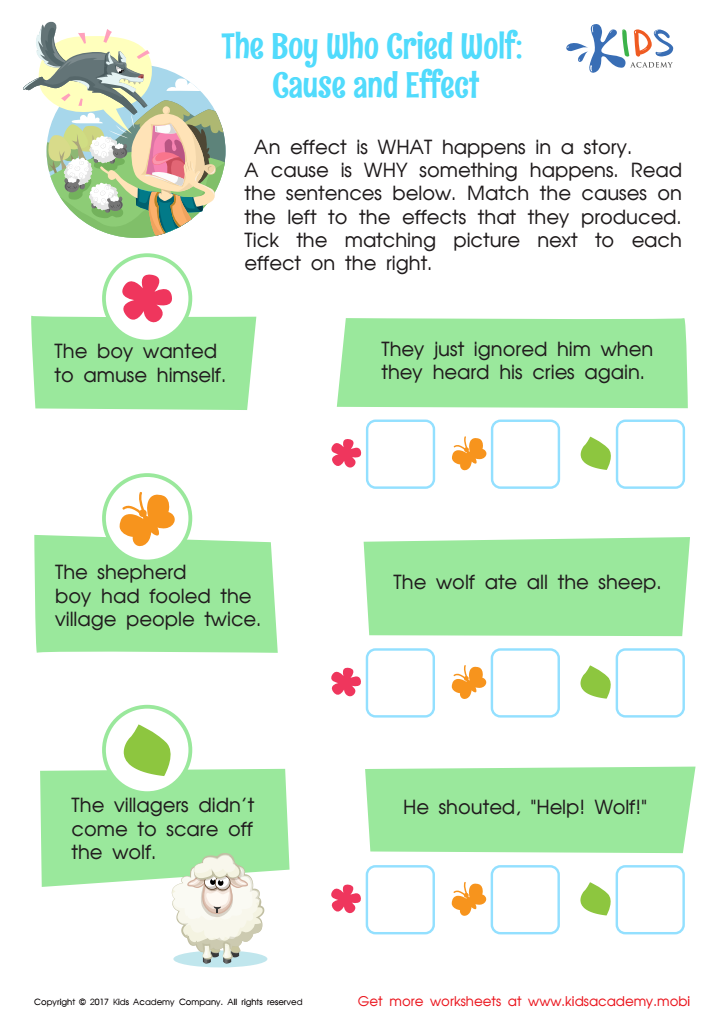
The Boy Who Cried Wolf: Cause and Effect Worksheet
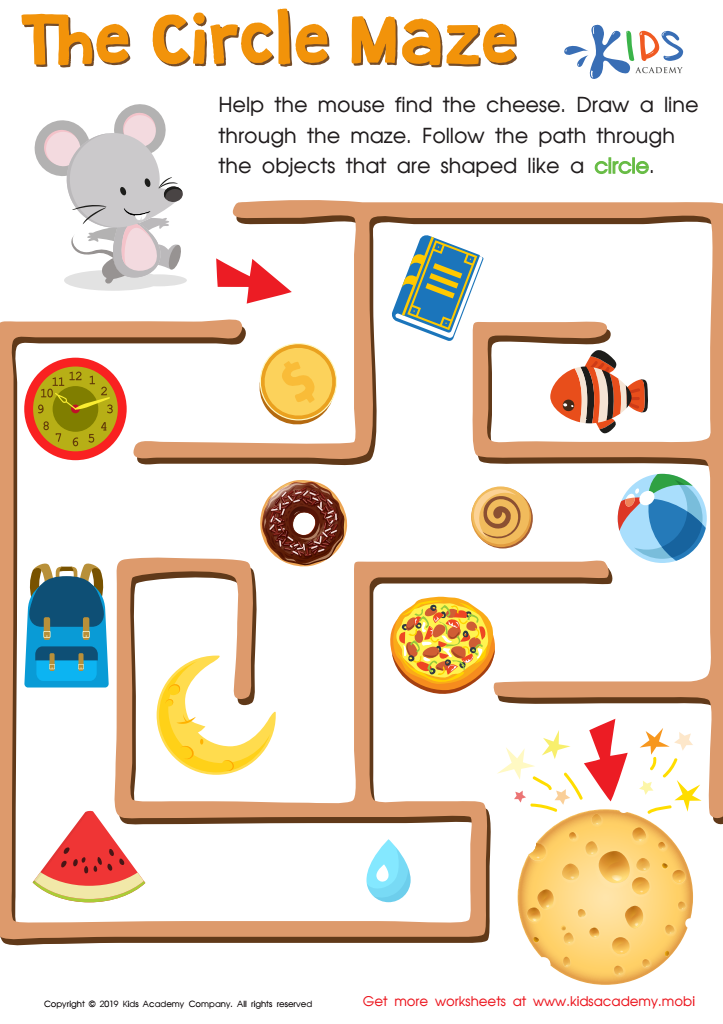
The Circle Maze Worksheet
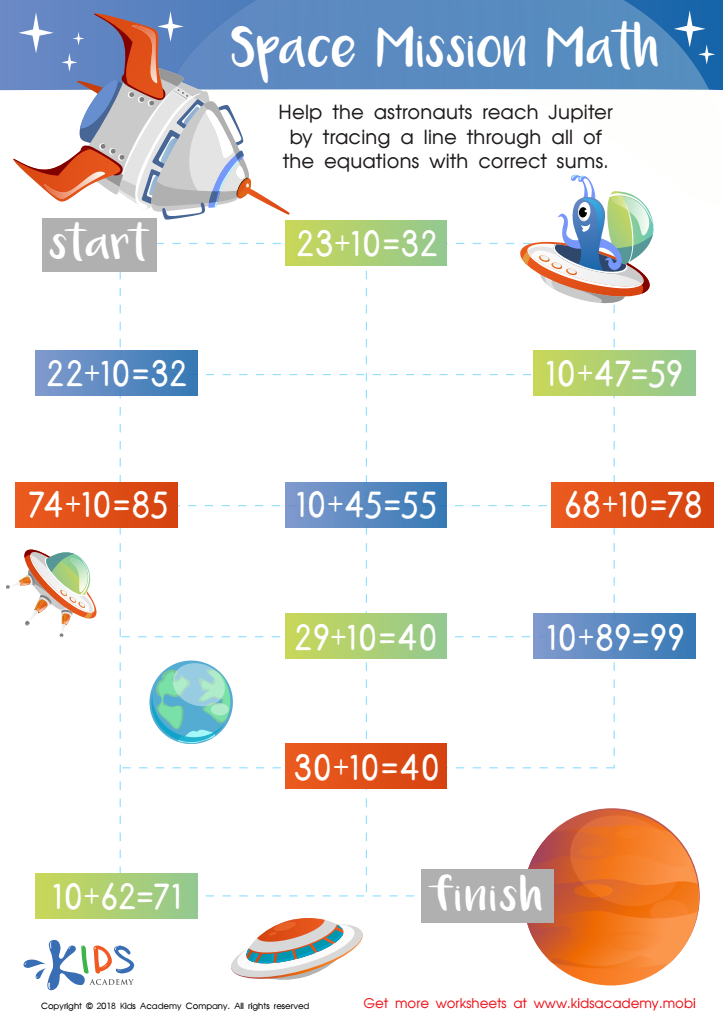
Space Mission Math Worksheet
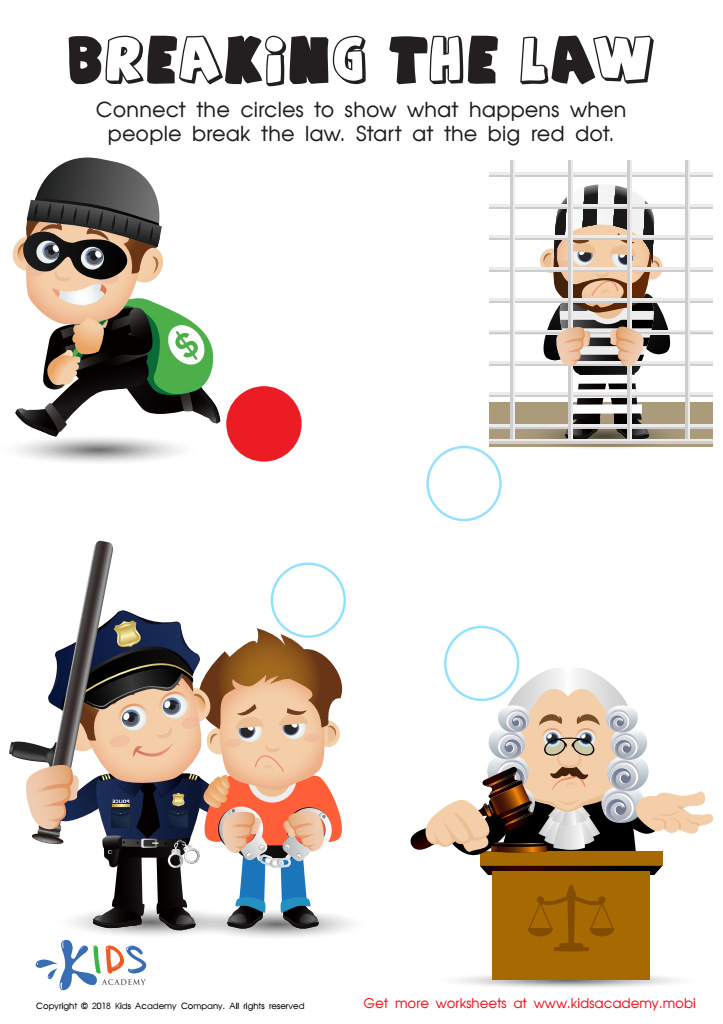
Breaking the Law Worksheet
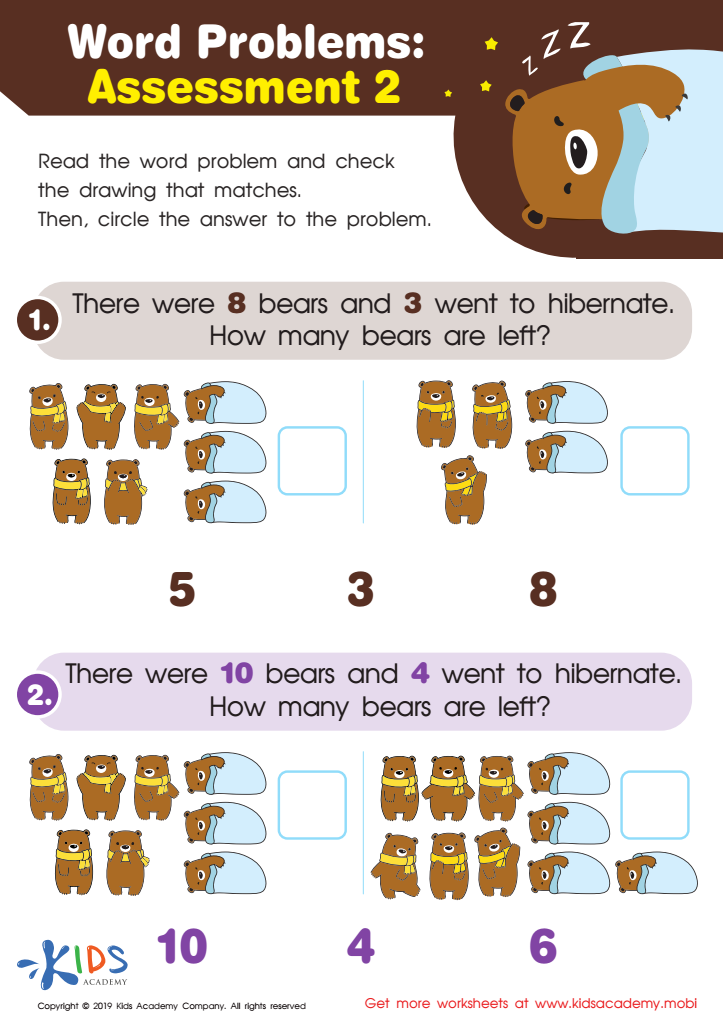
Word Problems: Assessment 2 Worksheet
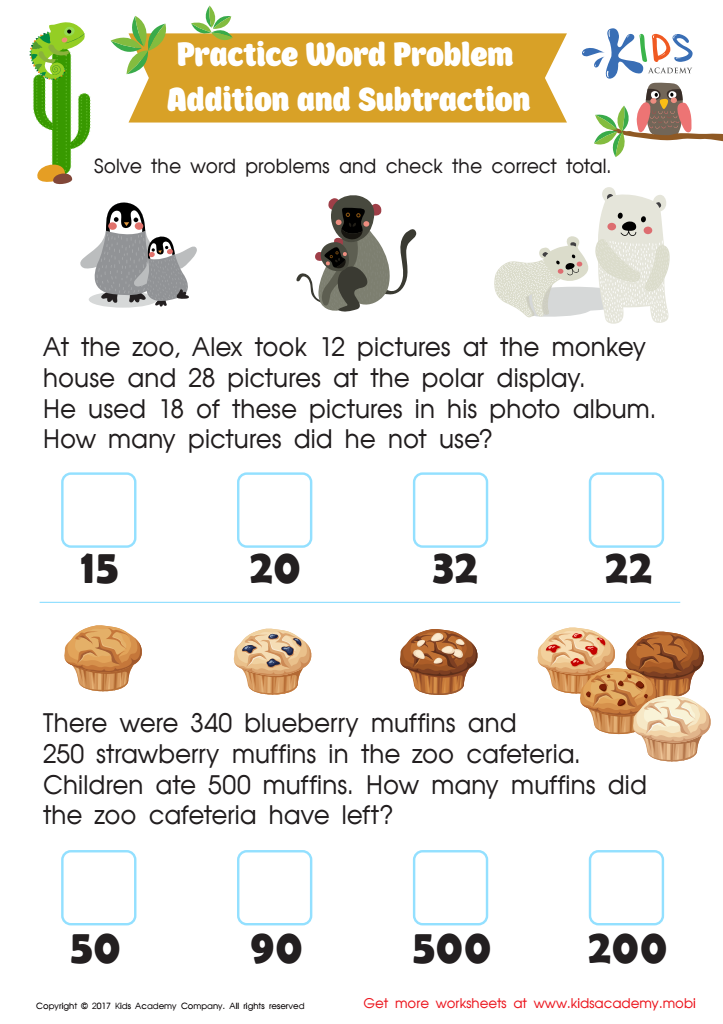
Addition and Subtraction: Word Problems Worksheet
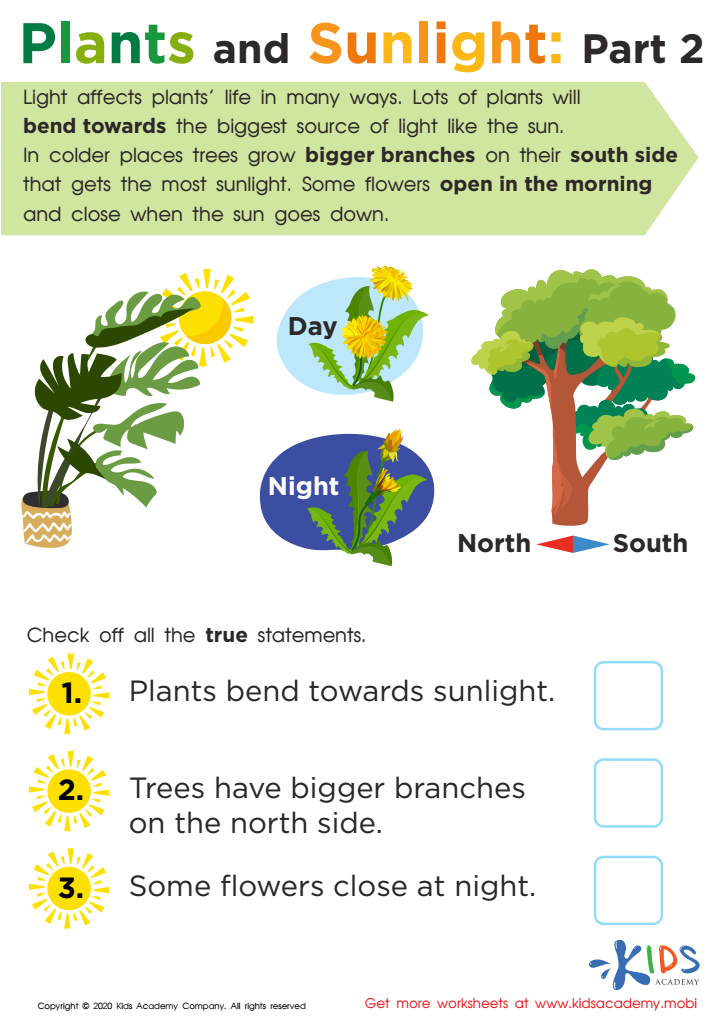
Plants and Sunlight: Part 2 Worksheet
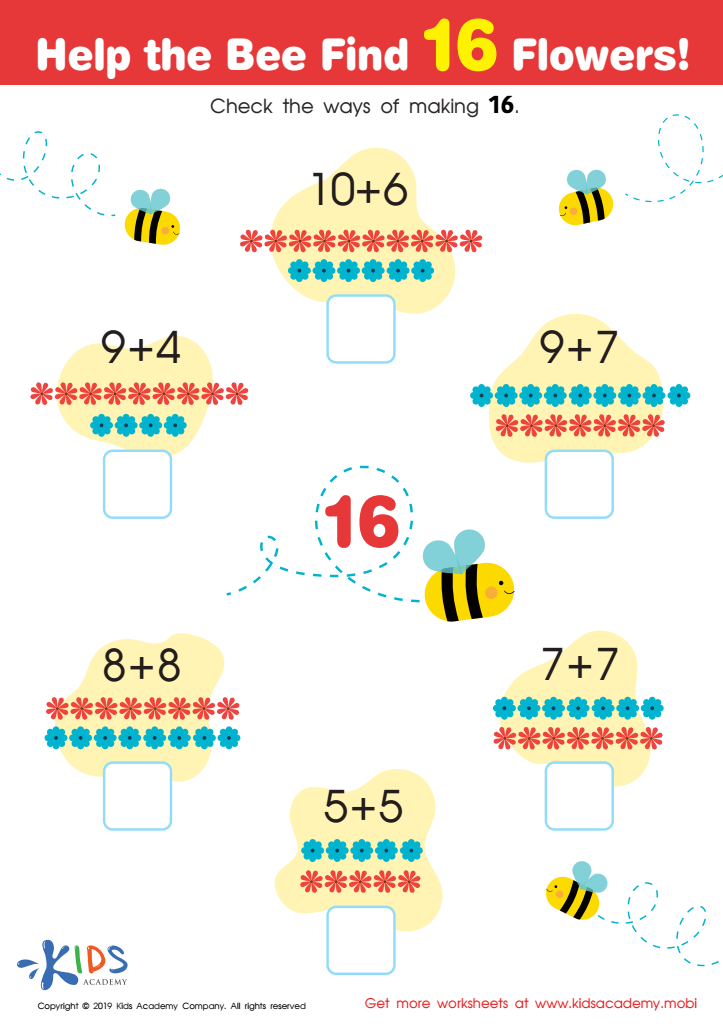
Help the Bee Find 16 Flowers Worksheet
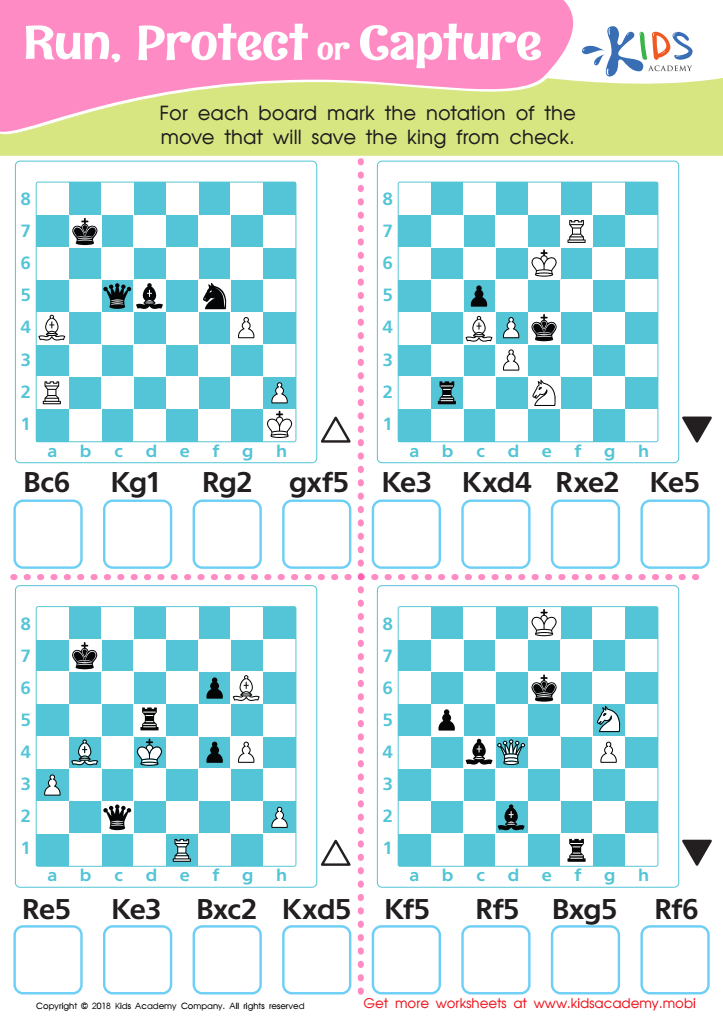
Run, Protect or Capture Worksheet
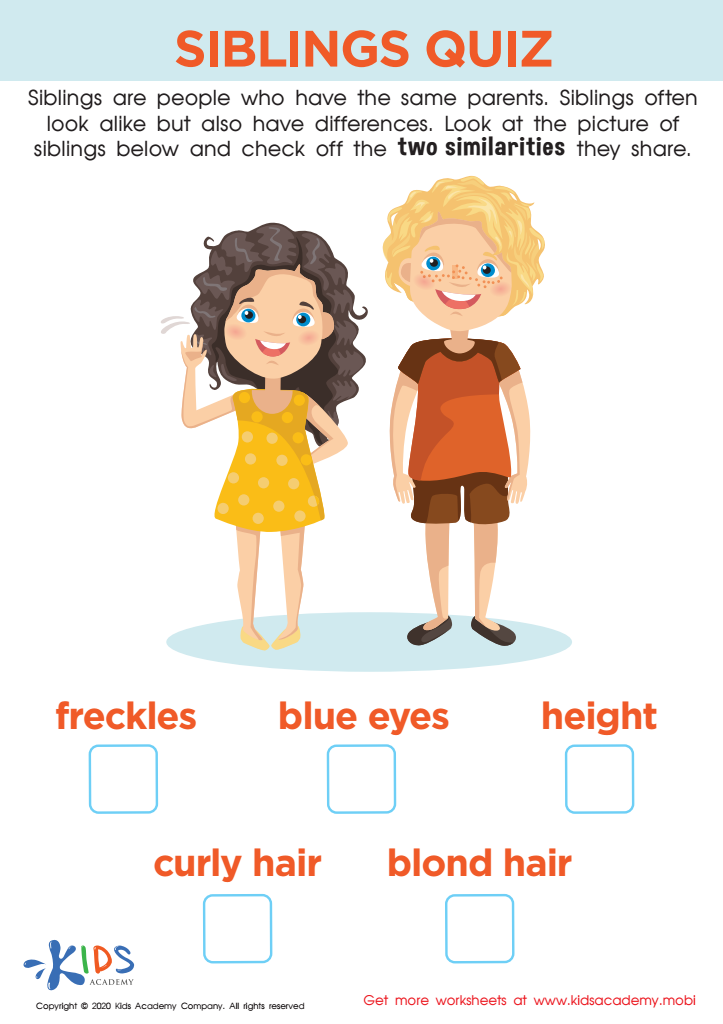
Siblings Quiz Worksheet
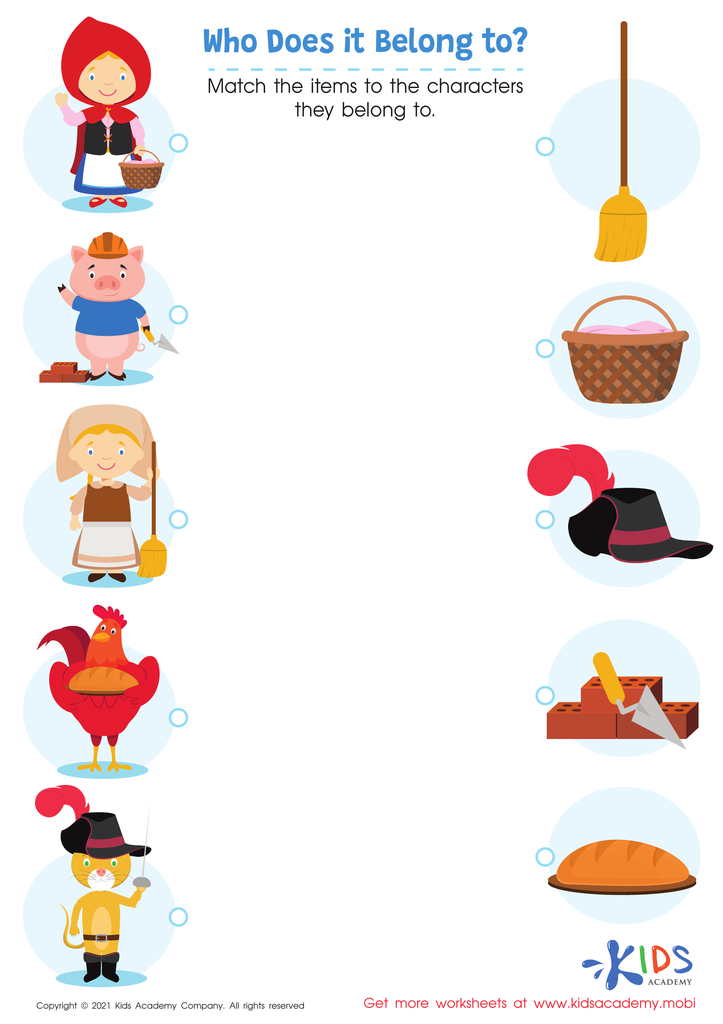
Who Does It Belong To? Worksheet
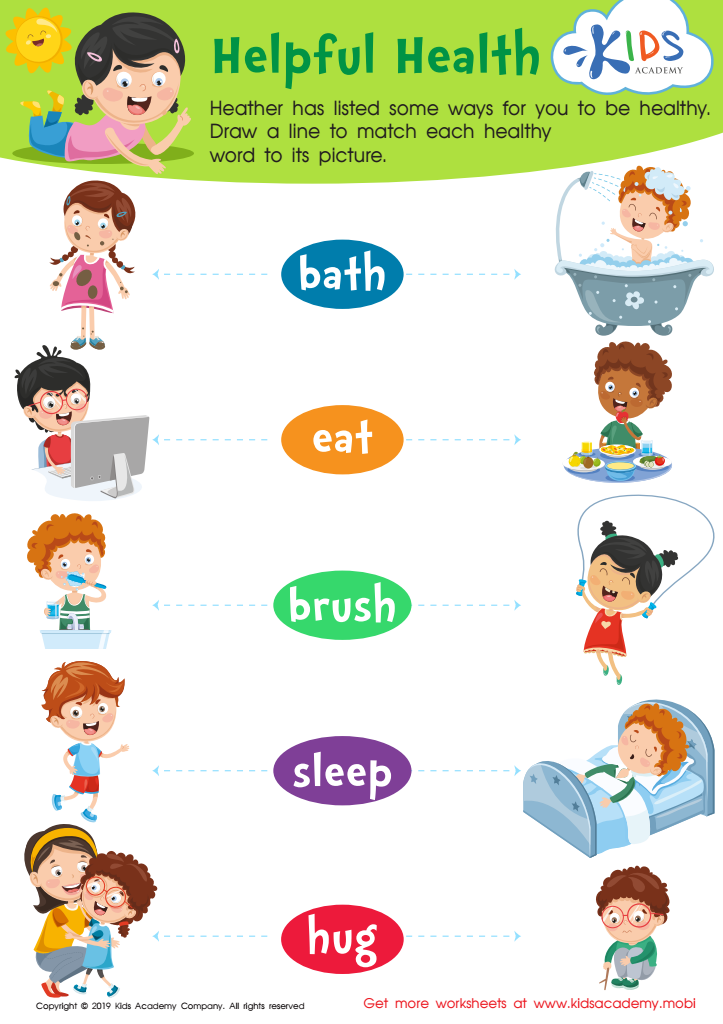
Helpful Health Worksheet
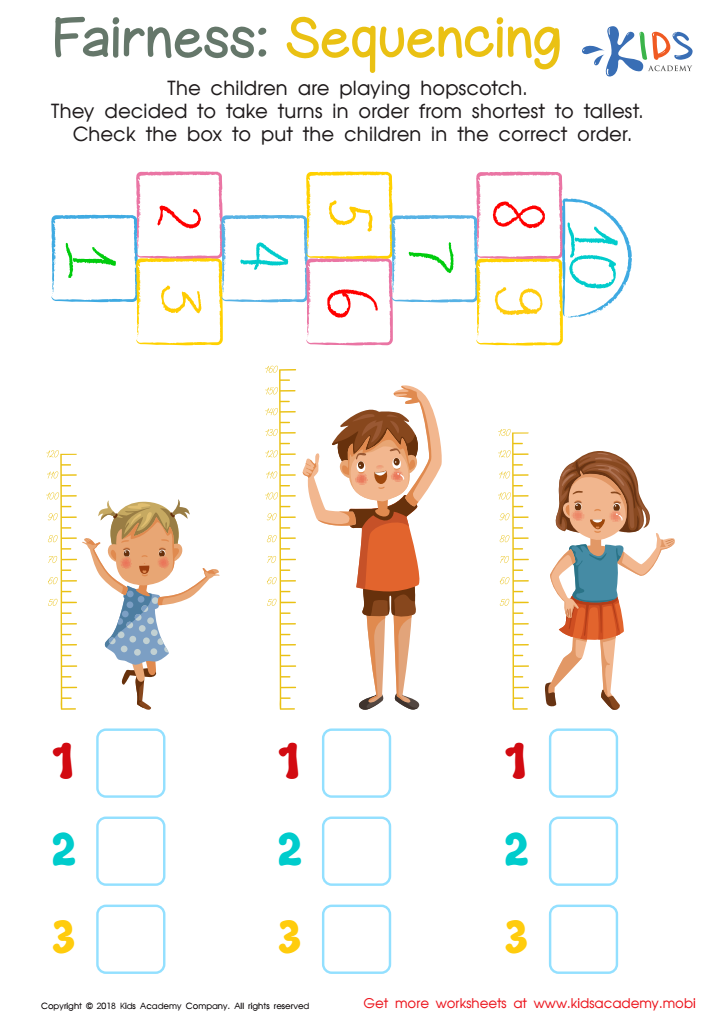
Fairness: Sequencing Worksheet
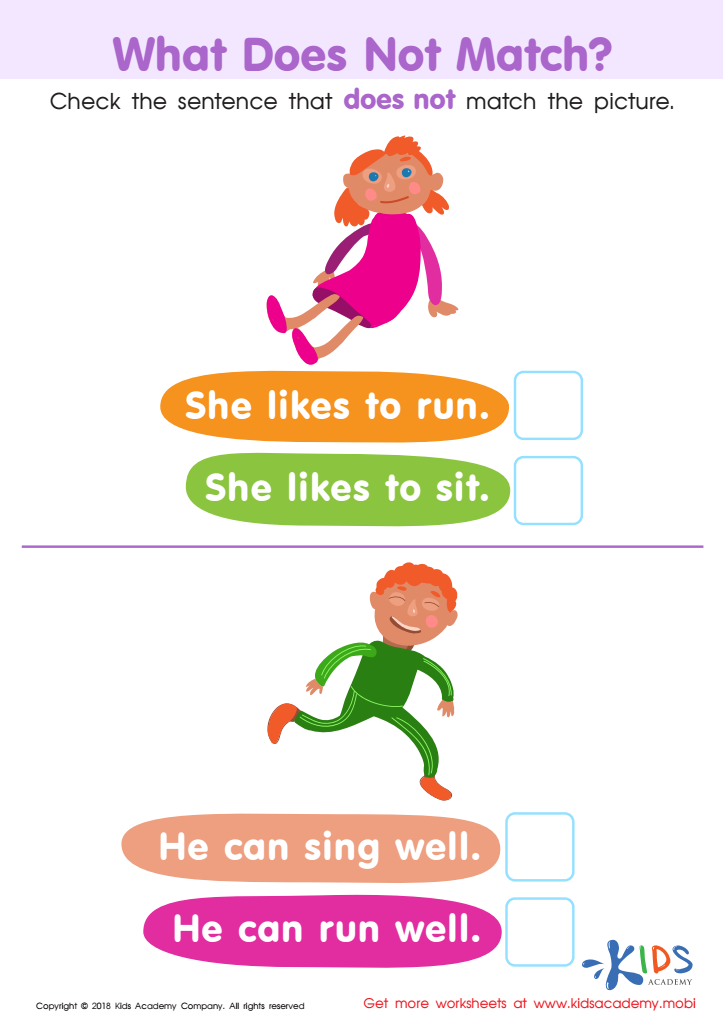
What Does Not Match? Worksheet







Logical reasoning is a foundational skill that significantly influences a child's cognitive development, especially for those aged 4-6. During these formative years, children are naturally curious and eager to understand how the world works. Engaging them in activities that promote logical reasoning not only enhances their problem-solving skills but also fosters critical thinking abilities essential for future learning.
Parents and teachers should care about logical reasoning because it empowers children to make sense of their environment. By encouraging activities such as puzzles, games, and discussions that challenge their thinking, adults can cultivate curiosity and a love for learning. These experiences help children make connections and learn the importance of evidence-based reasoning, promoting healthier social interactions and successful communication.
Moreover, children who develop logical reasoning skills early on often perform better academically as they progress through school. These skills enable them to comprehend and analyze information, contributing to their overall academic competence. Thus, prioritizing logical reasoning in early education not only enriches a child's current understanding but also lays a robust foundation for lifelong learning. Ultimately, fostering logical reasoning supports children in becoming thoughtful, independent thinkers prepared to navigate future educational and life challenges.








