Mathematical reasoning Worksheets for Ages 4-6 - Page 2
36 filtered results
-
From - To
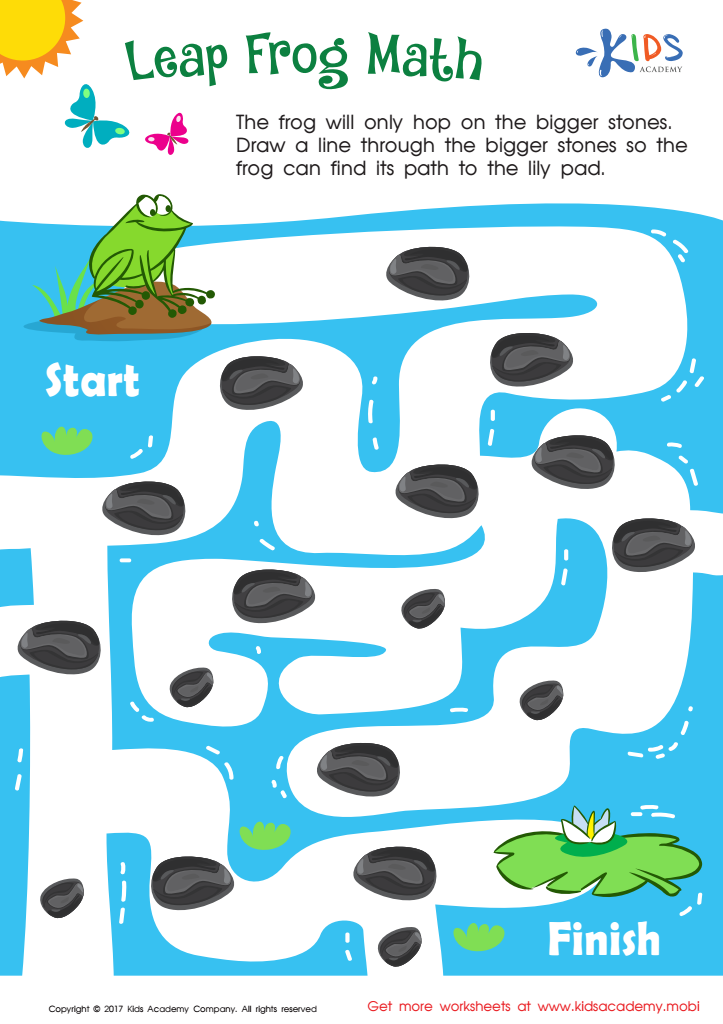
Math Puzzle Worksheet
 Assign to My Students
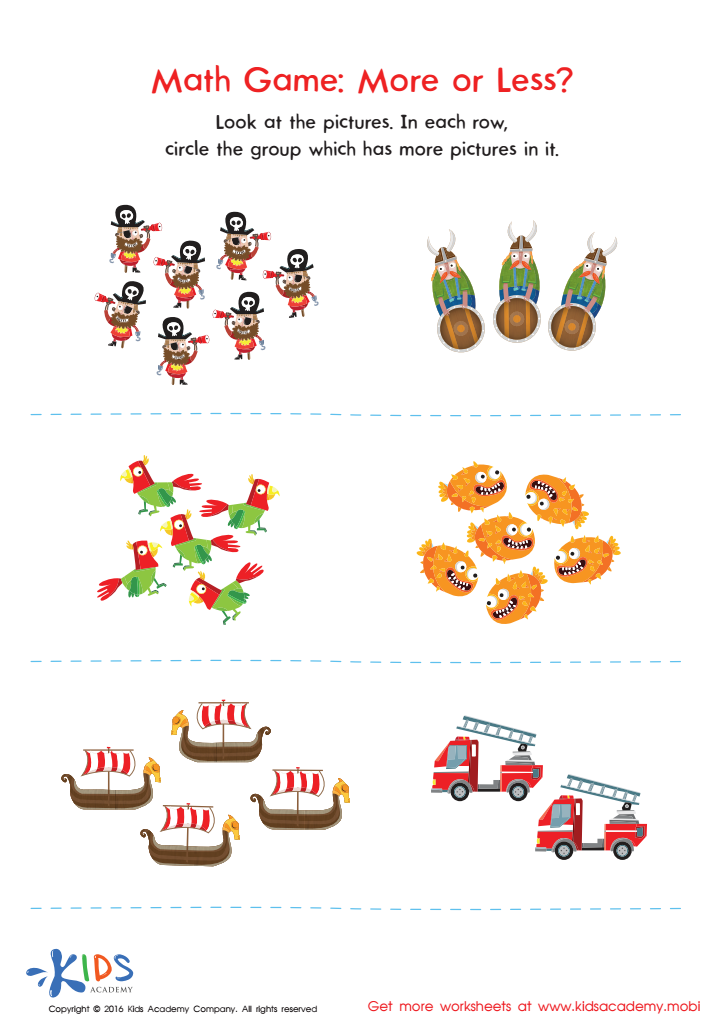
More or Less Worksheet
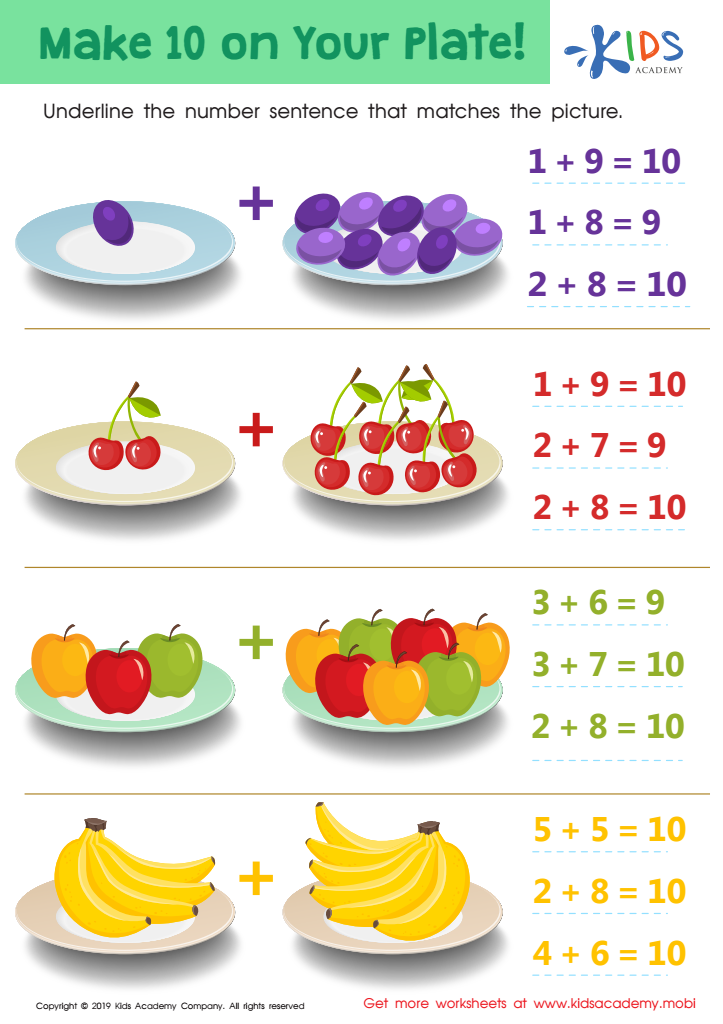
Make 10 on Your Plate! Worksheet
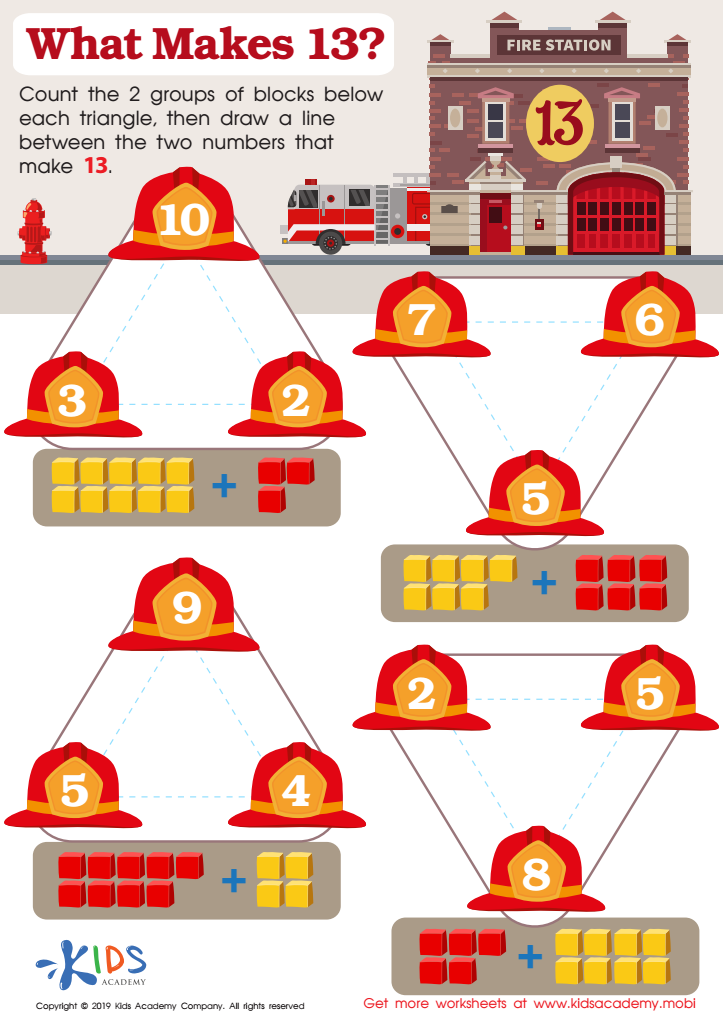
What Makes 13 Worksheet
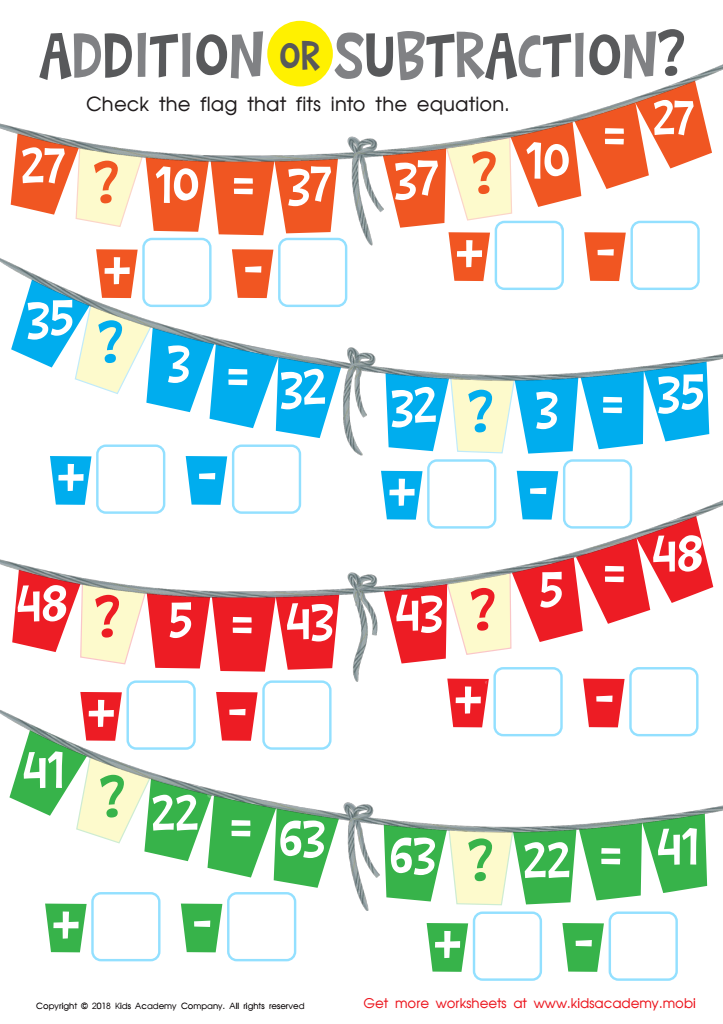
Addition or Subtraction? Worksheet
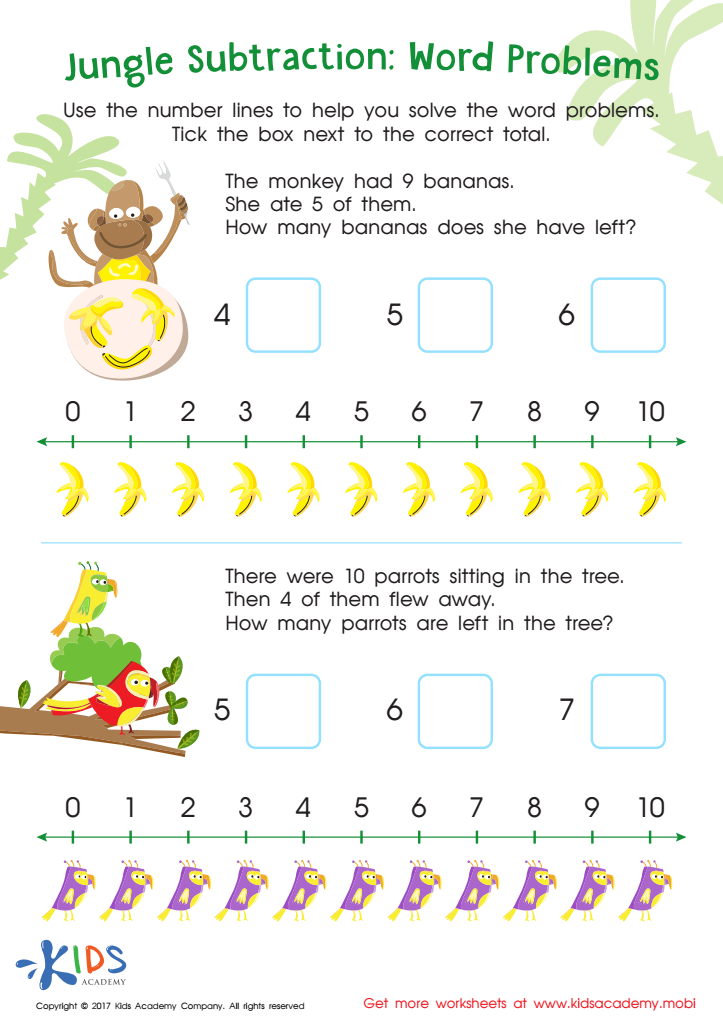
Jungle Subtraction Word Problems Substraction Worksheet








Mathematical reasoning for children aged 4-6 is crucial as it lays the foundation for essential life and academic skills. This developmental stage is when children are most receptive to learning through exploration and play, making it an ideal time to introduce basic mathematical concepts in a way that is engaging and enjoyable.
Introducing mathematical reasoning early helps children develop problem-solving abilities and critical thinking. These skills are applicable beyond mathematics, benefiting overall cognitive development. For instance, reasoning skills foster children's ability to make connections, understand cause and effect, and comprehend complex patterns, which are vital in subjects like science and reading.
By engaging in activities that promote mathematical reasoning, such as counting, sorting, and recognizing shapes, young children learn to approach problems methodically. This enhanced approach boosts their confidence and enthusiasm toward learning. Additionally, early exposure to math concepts helps prevent anxiety around the subject in later years, setting a positive tone for future academic pursuits.
Moreover, fostering a solid foundation in mathematics equips children with skills they'll need throughout their lives, from financial literacy to daily decision-making. As such, parents and teachers play a crucial role in creating a stimulating environment that encourages curiosity and joy in learning mathematics, promoting lifelong academic achievement and personal growth.








