
Nature appreciation Worksheets for Ages 4-6
6 filtered results
Difficulty Level
Grade
Age
-
From - To
Subject
Activity
Standards
Explore the wonders of the natural world with our Nature Appreciation Worksheets designed specifically for children ages 4-6! These engaging, colorful printables encourage young learners to connect with nature through fun activities that develop observation skills, enhance vocabulary, and promote environmental awareness. Each worksheet features interactive exercises—such as matching animals to their habitats, coloring lush landscapes, and identifying plants and wildlife—making learning a joyous adventure. Perfect for home or classroom settings, our Nature Appreciation Worksheets inspire curiosity and foster a love for the environment in your little ones. Spark their interest in nature today and watch them bloom!
Favorites
With answer key
Interactive
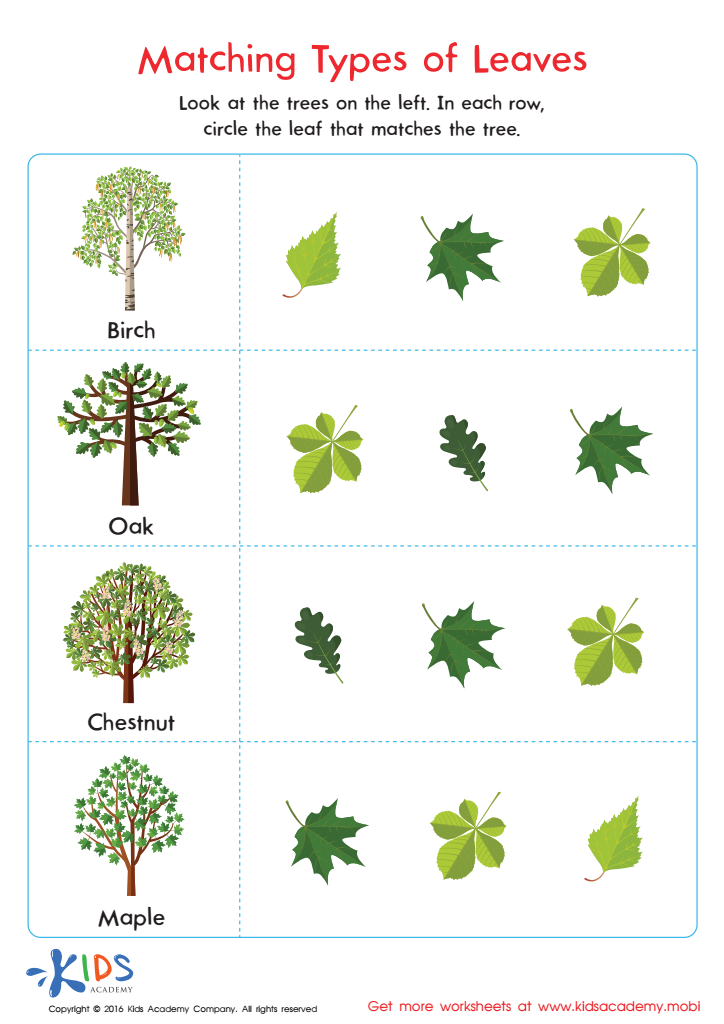
Matching Types of Leaves Printable
Trees are beautiful and essential to life. Show your child the joy of learning about them with this leaf worksheet. It teaches tree identification and encourages observing nature. Expand the learning with additional activities about trees!
 Assign to My Students
Matching Types of Leaves Printable
Worksheet
Join Kids Academy for Free
Who is primarily going to use this learning content?




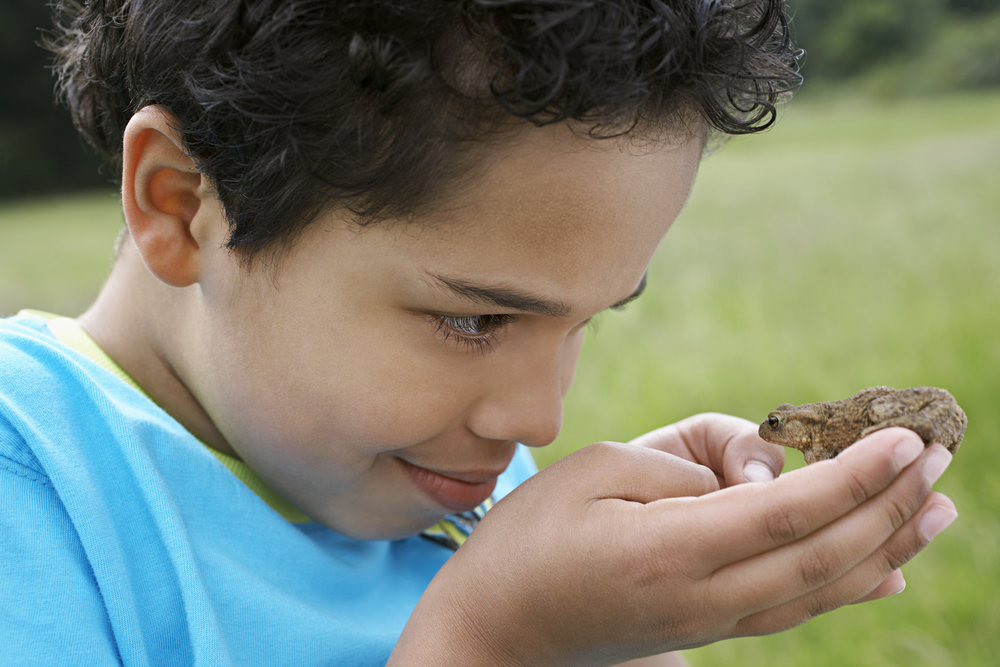



Nature appreciation is essential for children aged 4-6, forming the foundation for their emotional, cognitive, and social development. Engaging with nature helps young children develop a sense of wonder and curiosity about the world around them. Parents and teachers should care about fostering this appreciation because it enhances observational skills, creativity, and problem-solving abilities. When children explore natural settings, they learn critical thinking through hands-on experiences, such as noticing the changing seasons or recognizing different plants and animals.
Moreover, nature play encourages physical activity, which is vital for healthy growth and development. Outdoor play facilitates motor skills while allowing children to explore boundaries and develop social skills, such as sharing and teamwork during group activities.
Understanding and respecting nature also instills values of empathy and environmental stewardship at an early age. Teaching kids about ecosystems and the importance of caring for their environment promotes lifelong responsible behaviors toward our planet.
Lastly, time spent in nature has been shown to reduce stress and anxiety levels, contributing to better emotional well-being. In this fast-paced, technology-driven world, prioritizing nature appreciation provides young children with the grounding connection they need for holistic growth and development, setting the stage for their future interactions with the environment.








