Number Sequencing Worksheets for Ages 4-6 - Page 2
29 filtered results
-
From - To
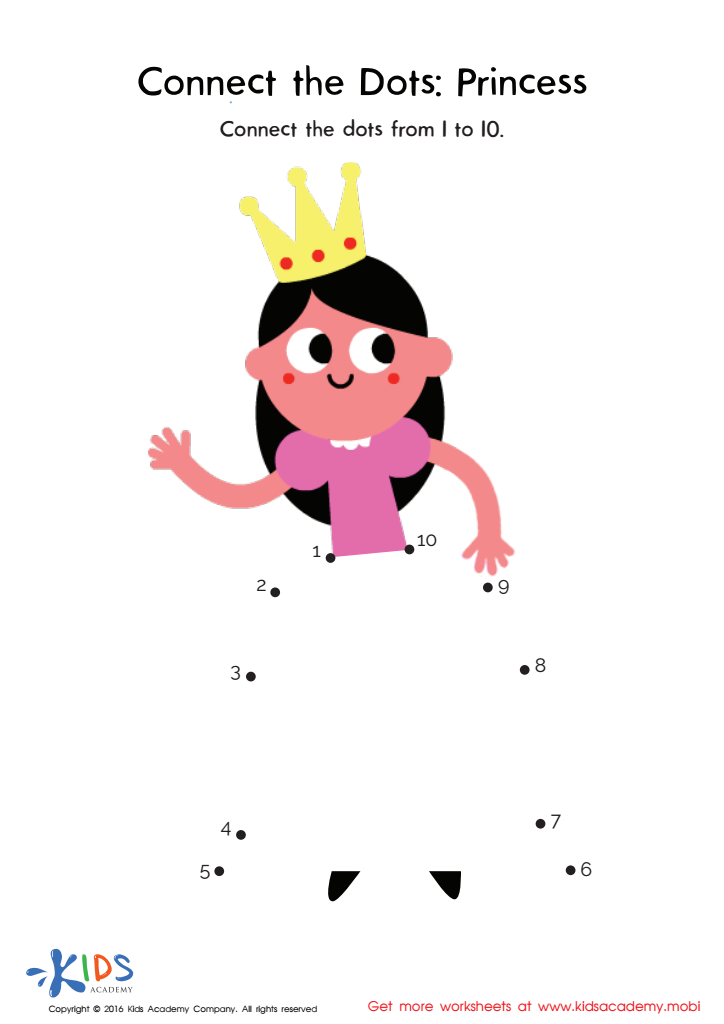
Princess Connect Dots Worksheet
 Assign to My Students
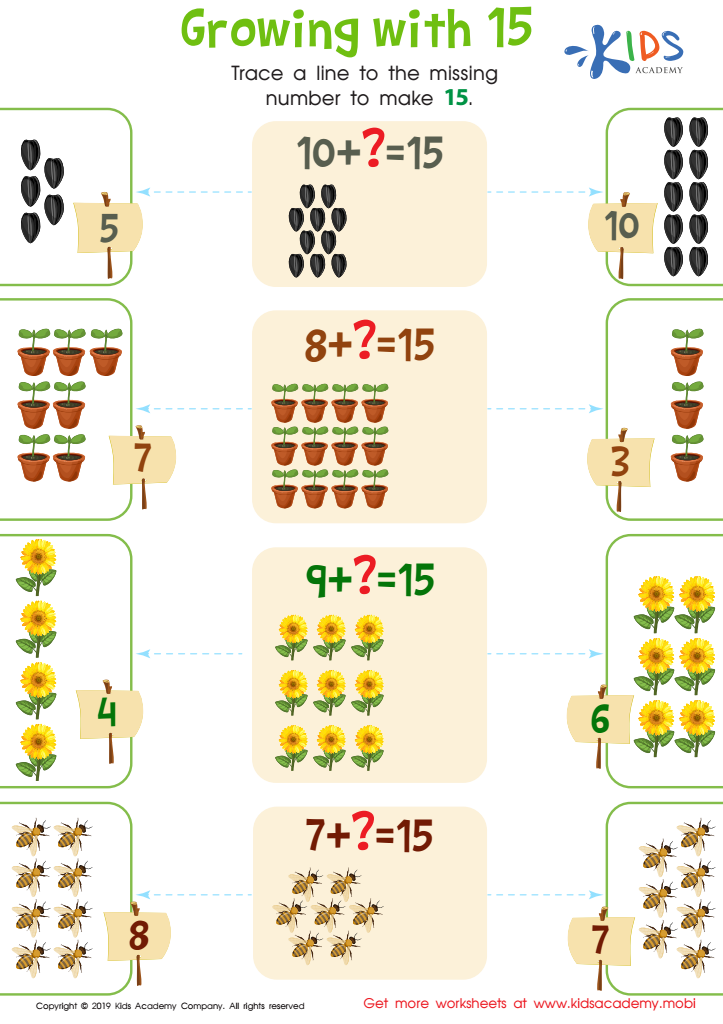
Growing with 15 Worksheet
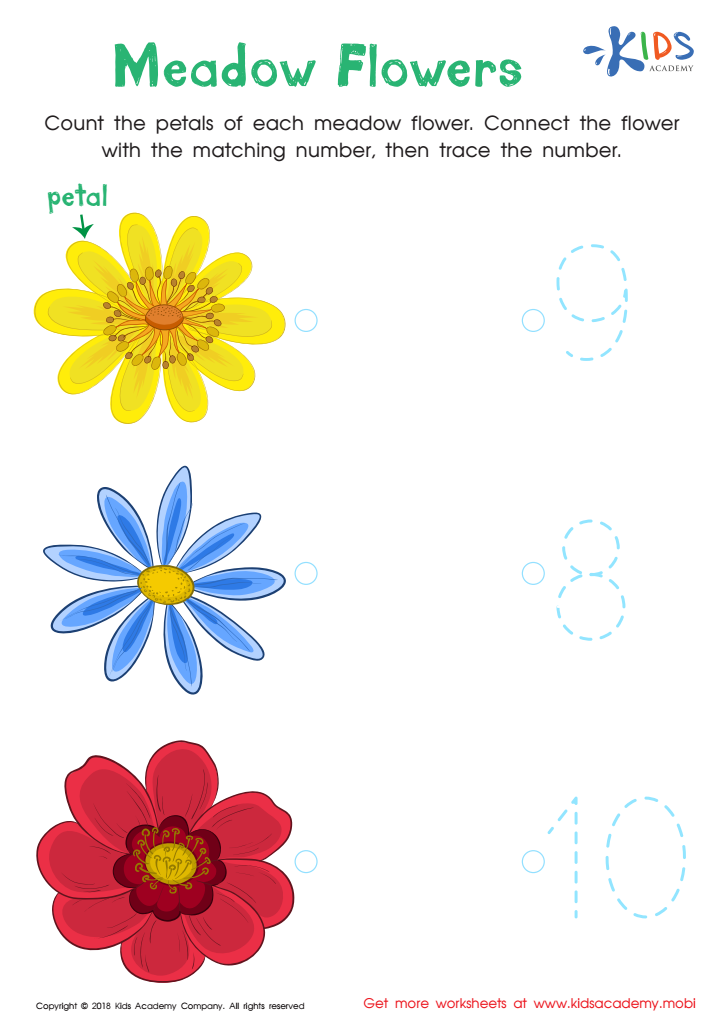
Kindergarten Number Tracing: Medow Flowers Worksheet







Number sequencing is a crucial concept for children aged 4 to 6, laying a foundational skill for future mathematical understanding and cognitive development. First, it helps children grasp the concept of order and organization. Understanding sequences enables them to comprehend patterns, which is essential in mathematics and everyday life. For example, recognizing numbers in ascending order is fundamental for performing addition or subtraction.
Moreover, number sequencing enhances critical thinking skills. Children learn to anticipate what comes next, fostering prediction skills and logical reasoning. This anticipation can transfer to other areas of learning, such as reading and problem-solving.
Additionally, early mastery of sequencing can boost children's confidence in their numerical abilities. As they become more comfortable with sequences, they are more likely to take risks with challenging math problems later on, setting the stage for a positive learning experience.
Parental and teacher support in reinforcing sequential skills through games, songs, and everyday activities reinforces these concepts in a fun and engaging manner. Overall, emphasizing number sequencing is essential as it builds confidence, promotes logical thinking, and ensures a solid mathematical foundation for future success. Investing time in this area is an investment in a child’s bright academic future.








