Practicing multiplication Worksheets for Ages 4-6
6 filtered results
-
From - To
Introducing our engaging "Practicing Multiplication Worksheets for Ages 4-6," designed to make learning fun and interactive for young learners. These worksheets provide a perfect introduction to basic multiplication concepts through colorful visuals and simple exercises. Kids will enjoy practicing with counting objects, matching sets, and solving beginner-friendly problems, all tailored to spark their interest in math. By using these resources, children will strengthen their number sense and develop confidence in their math skills. Ideal for both classroom activities and home learning, our worksheets offer a playful yet educational way to master multiplication fundamentals. Encourage early math mastery today!
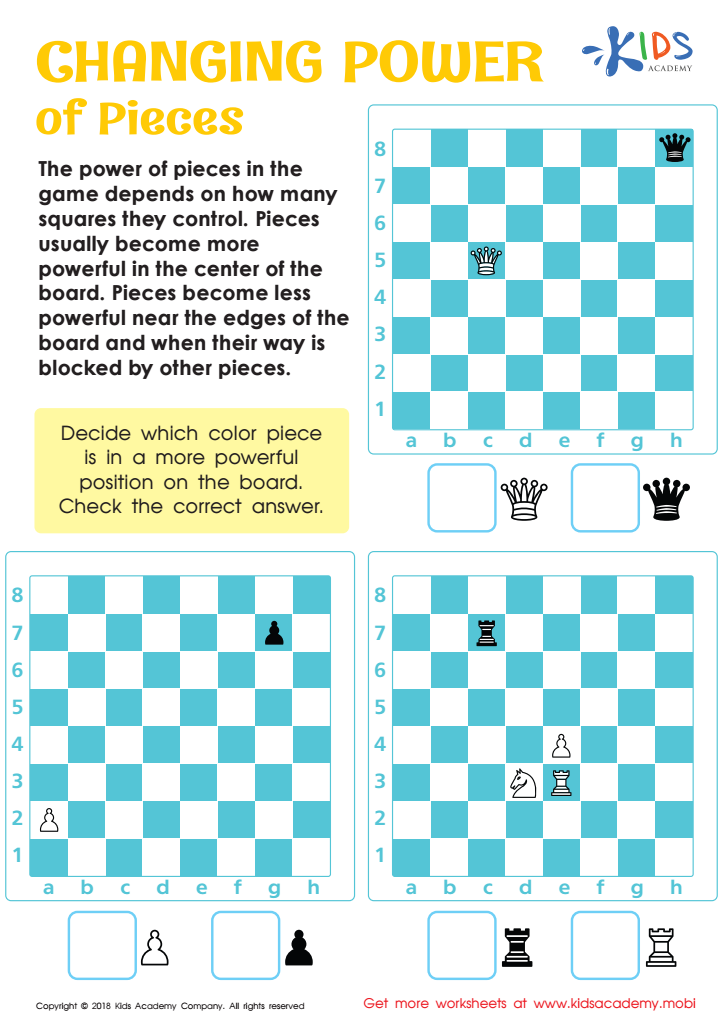
Changing Power of Chess Pieces Worksheet
 Assign to My Students
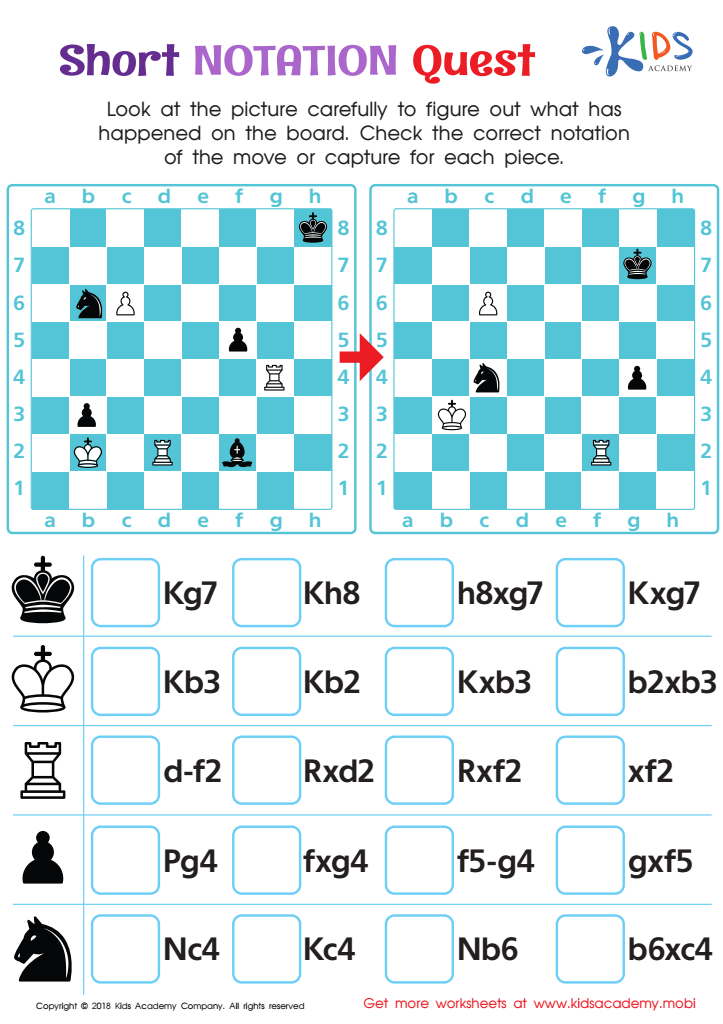
Short Notation Quest Worksheet
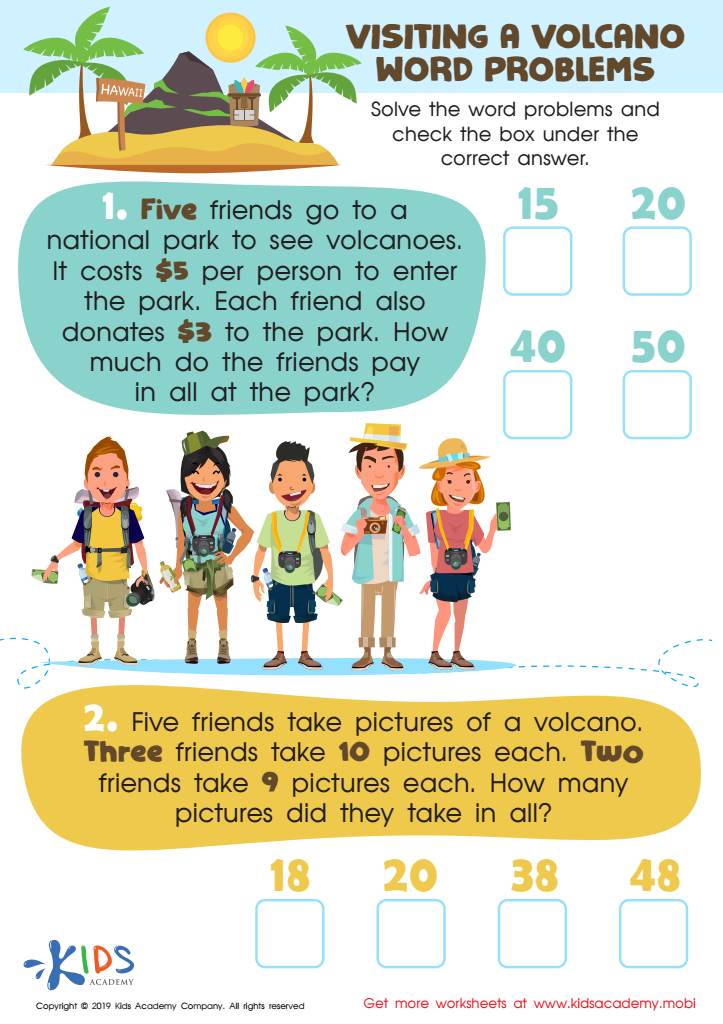
Visiting a Volcano Word Problems Worksheet

Enrichment: Firefighter Ladders Worksheet
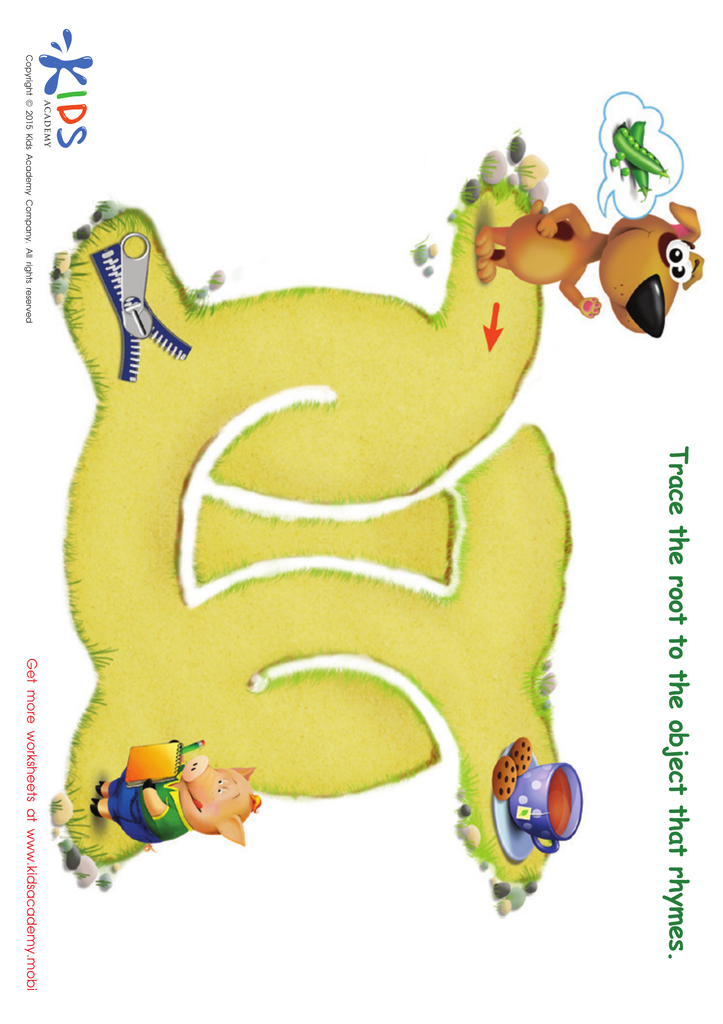
Pea Rhyming Words Worksheet
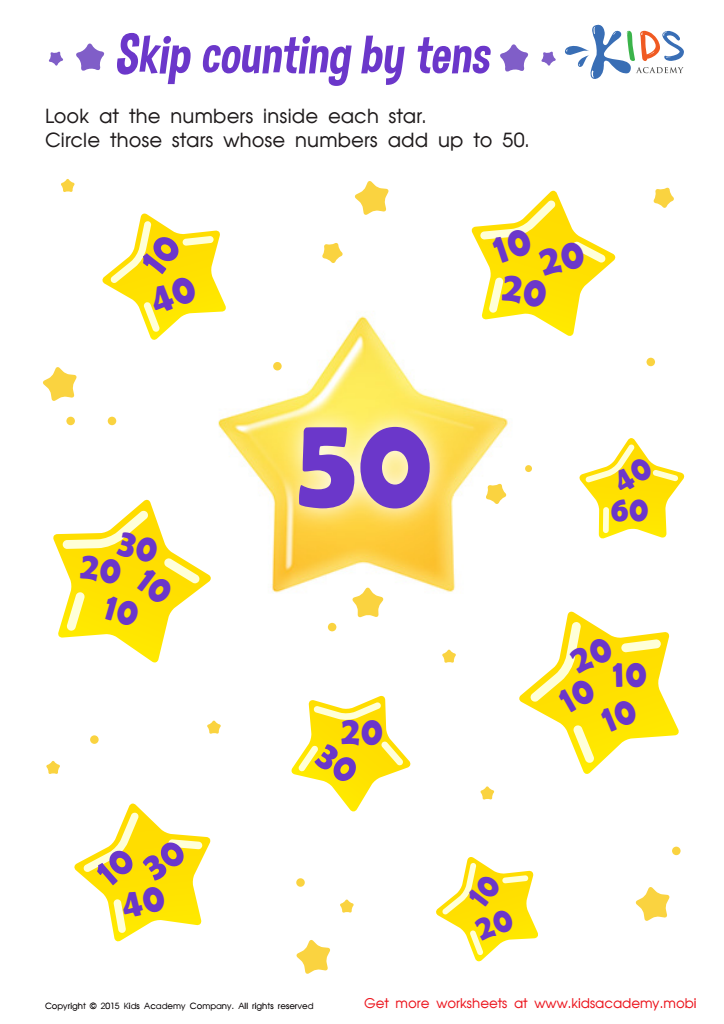
Learn Dozens: Skip Counting by Tens Printable







Practicing multiplication with children aged 4-6 lays a foundation for their future success in math and critical thinking. At this early age, young learners are building essential cognitive skills, and introducing multiplication can enhance their understanding of mathematical concepts like addition and grouping. Multiplication is simply repeated addition, and when children grasp this link, it empowers them to approach mathematics with confidence.
Moreover, engaging in multiplication practice can foster a love for numbers. Interactive activities, such as using colorful counting objects or playing math games, make learning fun and memorable. This approach not only boosts their mathematical skills but also promotes critical early problem-solving and reasoning abilities.
Additionally, mastery of multiplication creates a sense of achievement, reinforcing their self-esteem and encouraging perseverance. When children see their hard work yield positive results, they become more motivated to tackle challenges, both in math and other subjects.
In summary, focusing on multiplication for 4 to 6-year-olds is vital for cognitive development, foundational math skills, and building a positive attitude towards learning. Parents and teachers play a crucial role in this, making early math practice supportive and engaging which ultimately sets the stage for lifelong mathematical proficiency.








