Problem-solving skills development Worksheets for Ages 4-6
3 filtered results
-
From - To
Enhance your child's cognitive abilities with our Problem-Solving Skills Development Worksheets designed specifically for ages 4-6. These engaging and interactive worksheets provide young learners with essential problem-solving techniques through fun activities and challenges. With a variety of exercises, kids will practice critical thinking, logic, and reasoning skills while having a blast! Our easy-to-follow layouts cater to diverse learning styles, ensuring every child can excel. Perfect for homeschooling or classroom use, these worksheets foster a growth mindset and encourage independent thinking. Empower your little ones to tackle challenges head-on and cultivate their problem-solving skills with confidence! Printable and ready for learning!

King and Queen Mate Strategy: Part 1 Worksheet
 Assign to My Students
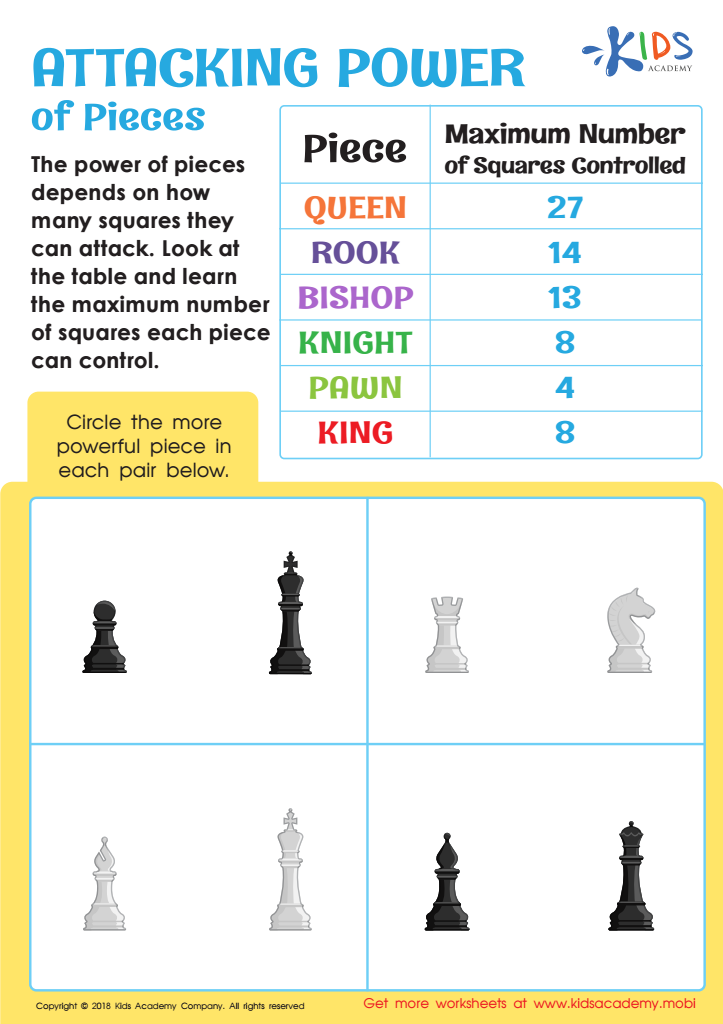
Attacking Power of Chess Pieces Worksheet
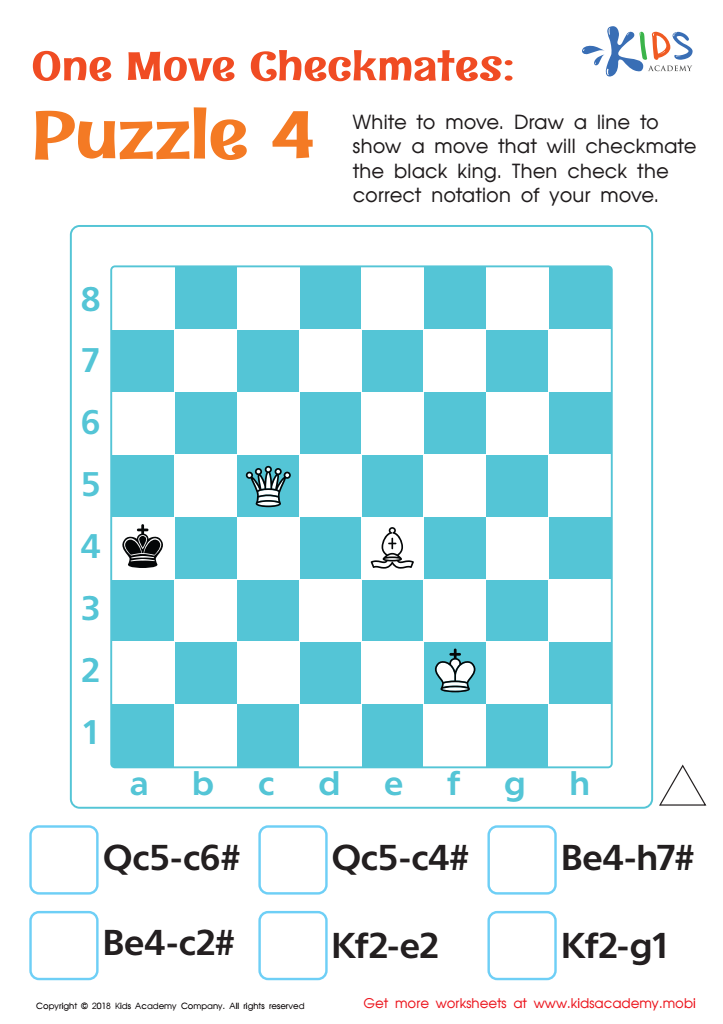
One Move Checkmates: Puzzle 4 Worksheet





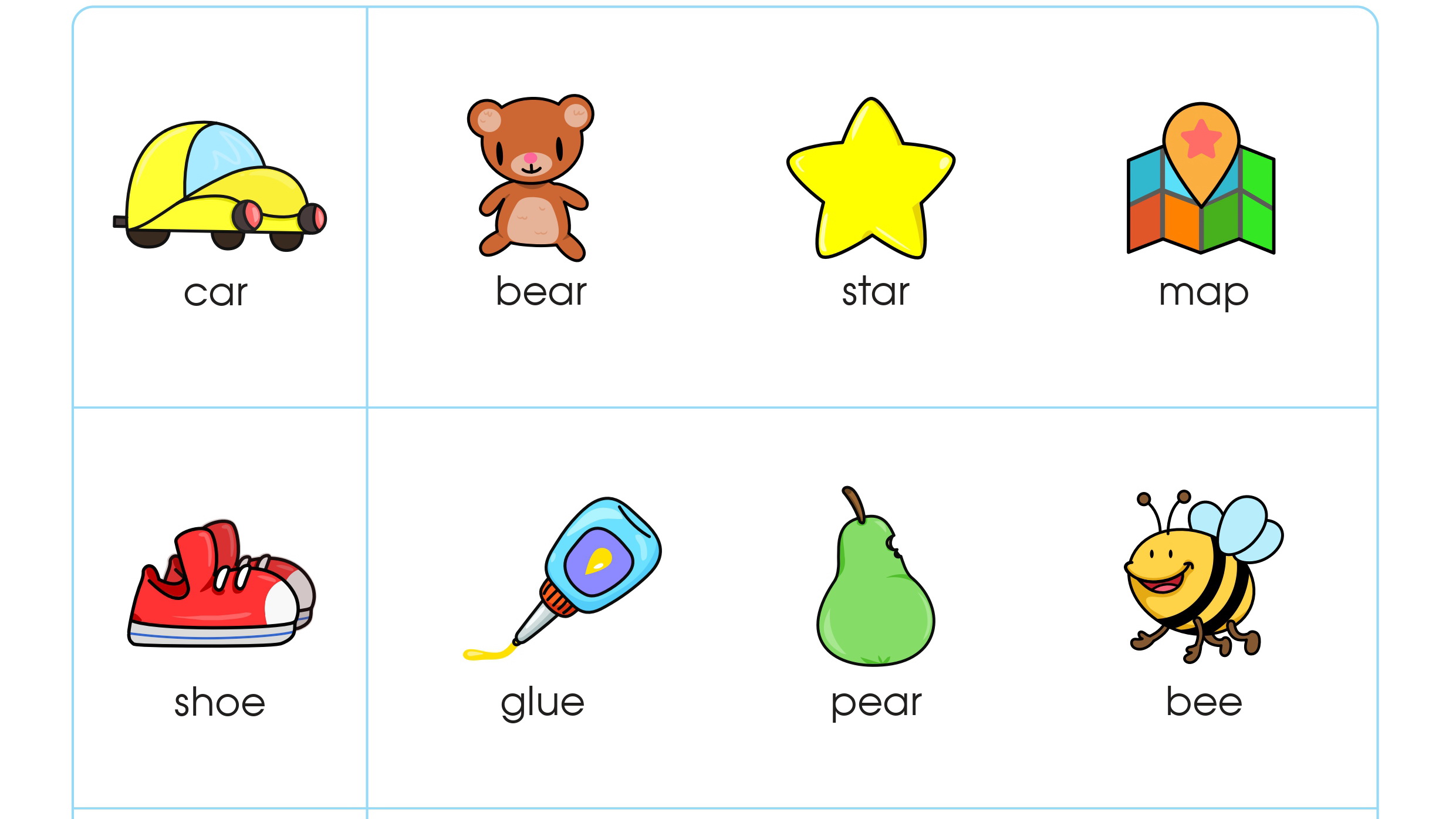


Parents and teachers play a crucial role in the development of problem-solving skills for children aged 4-6, as these skills form the foundation for academic success and personal growth. At this age, children are naturally curious and eager to explore their environment. By fostering problem-solving abilities, adults can help children learn how to think critically and creatively, enabling them to navigate challenges with confidence.
Developing problem-solving skills encourages children to ask questions, make decisions, and try different strategies to find solutions. These abilities also enhance cognitive development, promoting logical reasoning and analytical thinking. For example, when children face puzzles or games, they learn persistence and resilience—key traits for overcoming obstacles both in school and life.
Moreover, strong problem-solving skills contribute to social-emotional development. Children learn to collaborate with peers, negotiate, and communicate effectively, which builds teamwork and interpersonal skills. Supporting this area of growth equips them to handle future academic pressures and relationships more adeptly.
In sum, investing time and resources into problem-solving skill development for young children will have long-lasting effects on their education, relationships, and overall well-being, ultimately preparing them to become competent and adaptable adults.








