Spatial reasoning Worksheets for Ages 4-6
11 filtered results
-
From - To
Enhance your child's spatial awareness skills with our engaging spatial reasoning worksheets designed for ages 4-6. These fun and educational worksheets help young learners develop vital skills, such as understanding shapes, patterns, and positions. Through various interactive activities, children will improve their problem-solving abilities and visual perception while boosting their confidence. Perfect for at-home learning or classroom use, our worksheets offer a strong foundation for success in math and science. Encourage your little one's cognitive development and make learning enjoyable with our high-quality, printable spatial reasoning worksheets from Kids Academy!
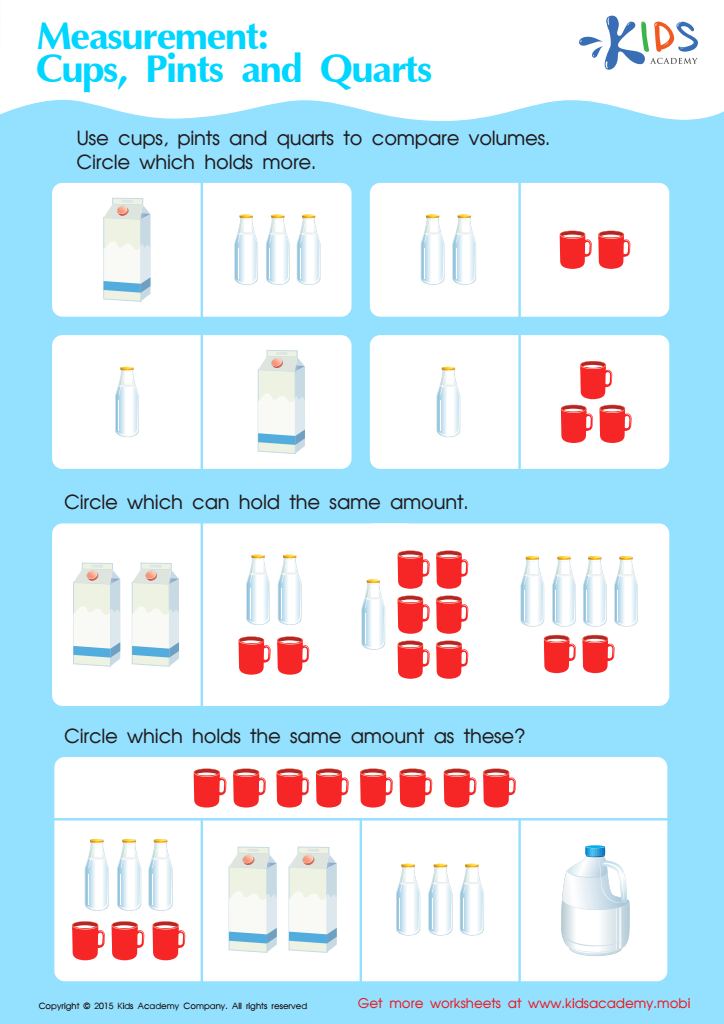
Measurement: Compare Volumes Worksheet
 Assign to My Students
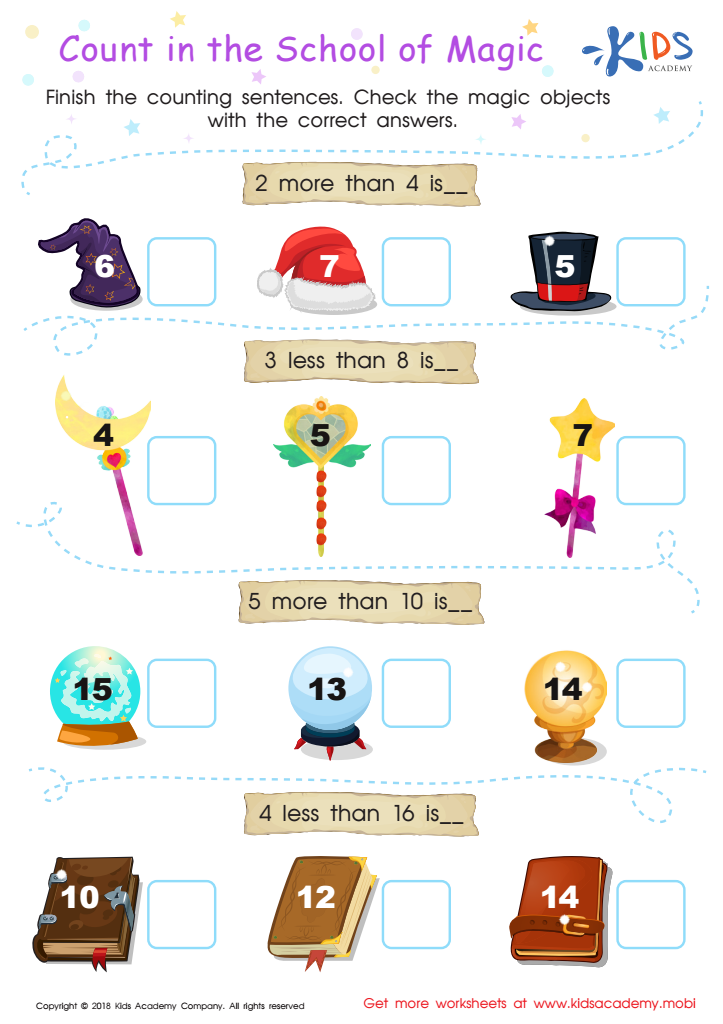
Count in the School of Magic Worksheet
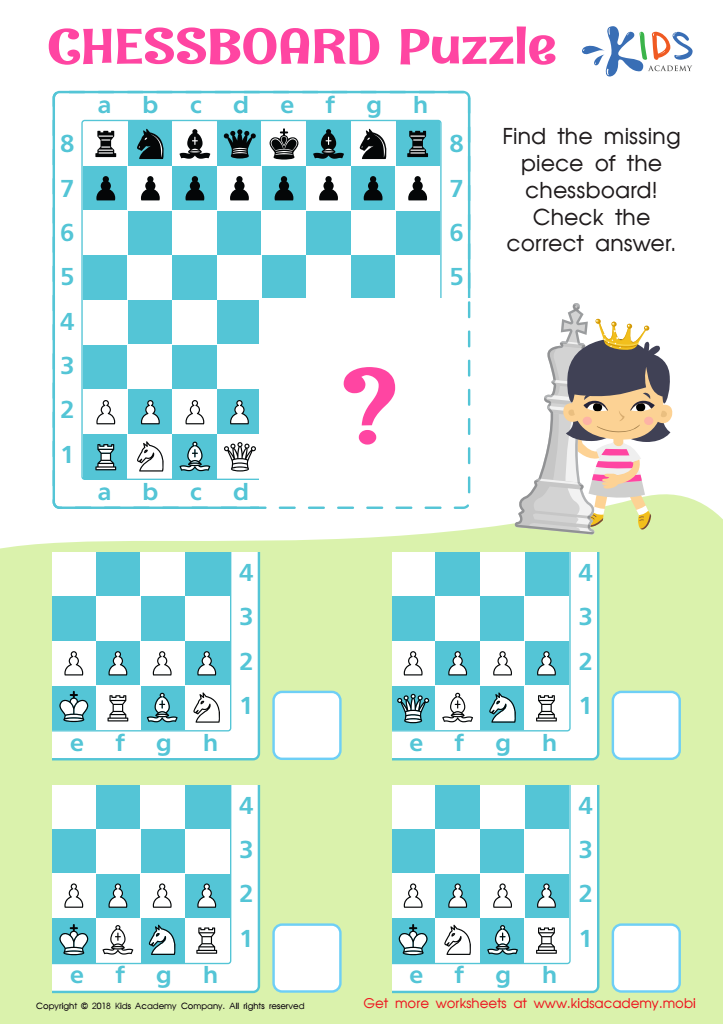
Chessboard Puzzle Worksheet
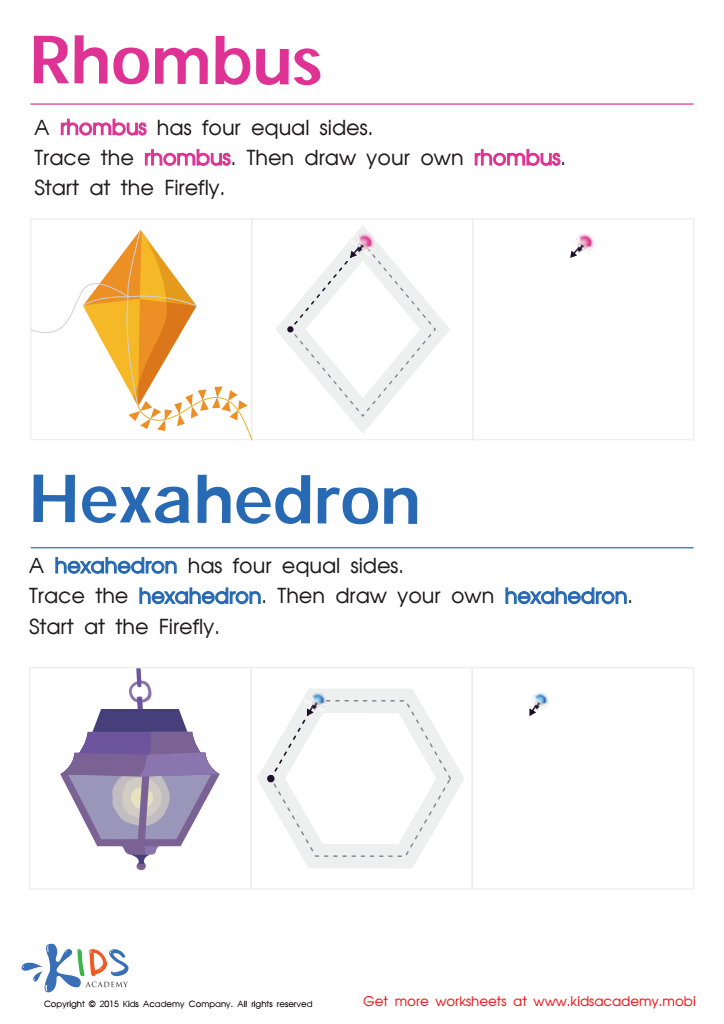
Draw a Rhombus And a Hexahedron Printable
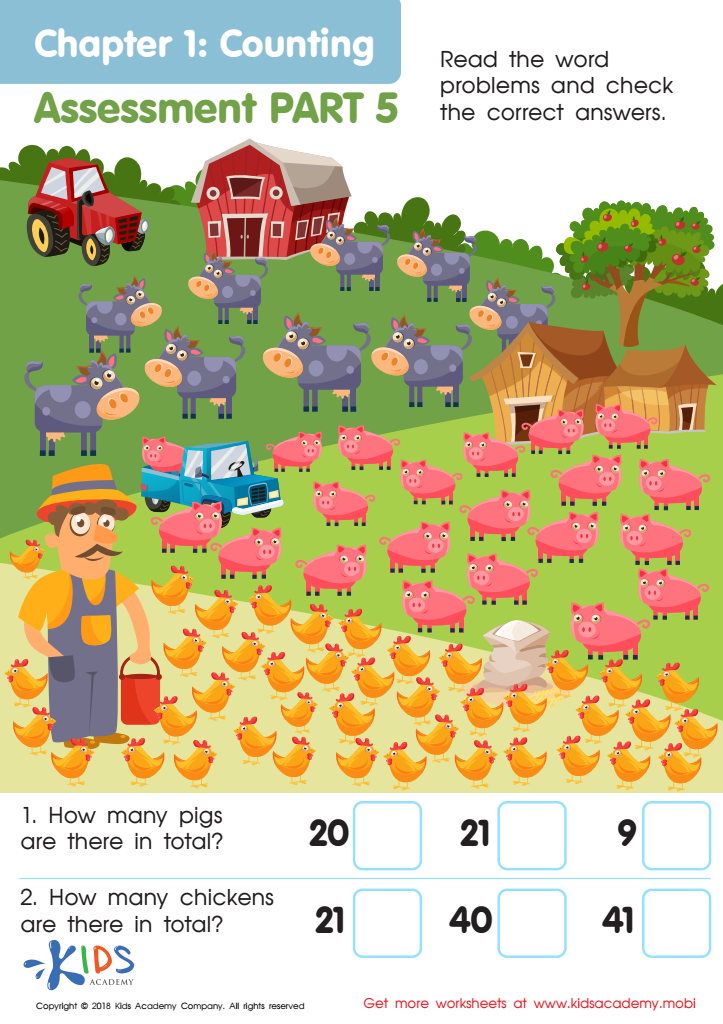
Counting: Assessment 5 Worksheet
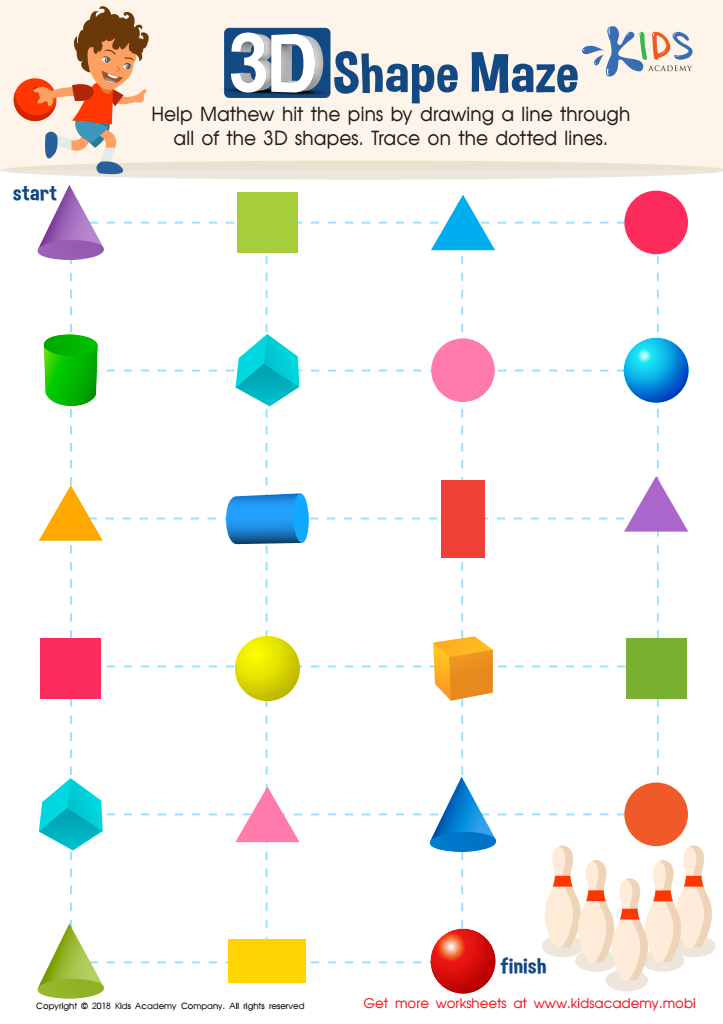
Shapes Maze Geometry Worksheet
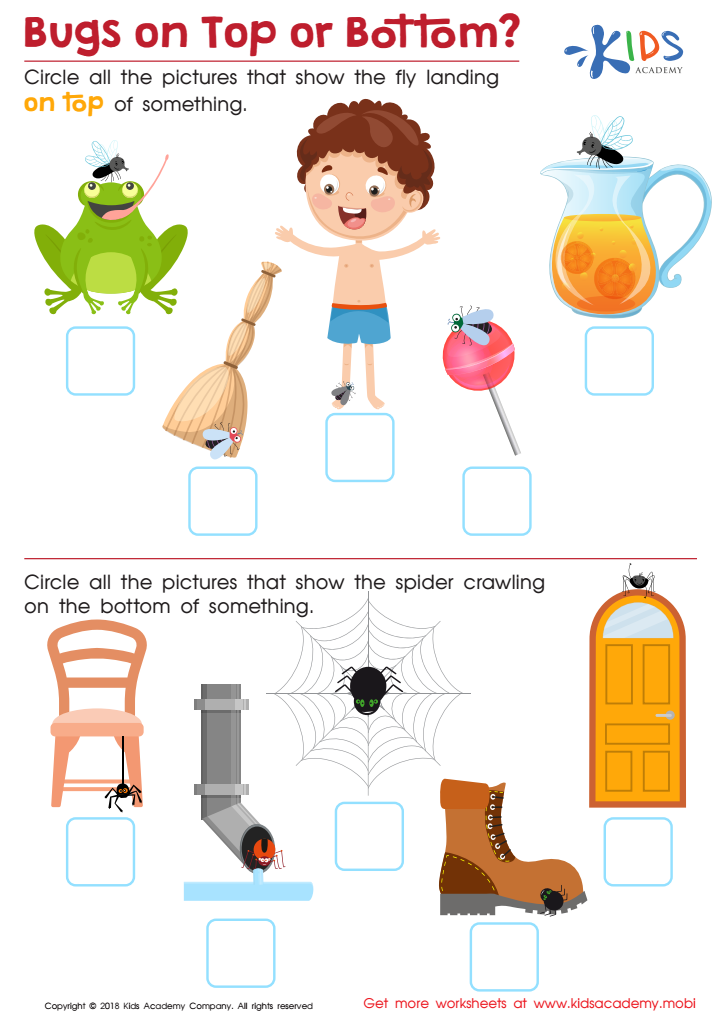
Bugs on Top or Bottom? Worksheet
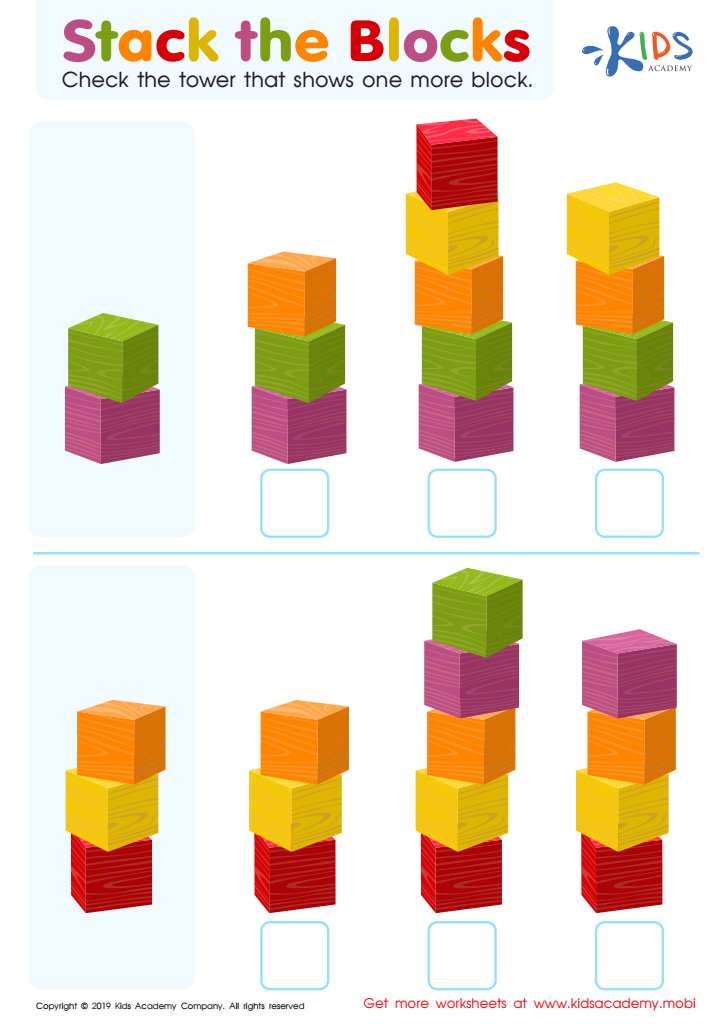
Stack the Blocks Worksheet
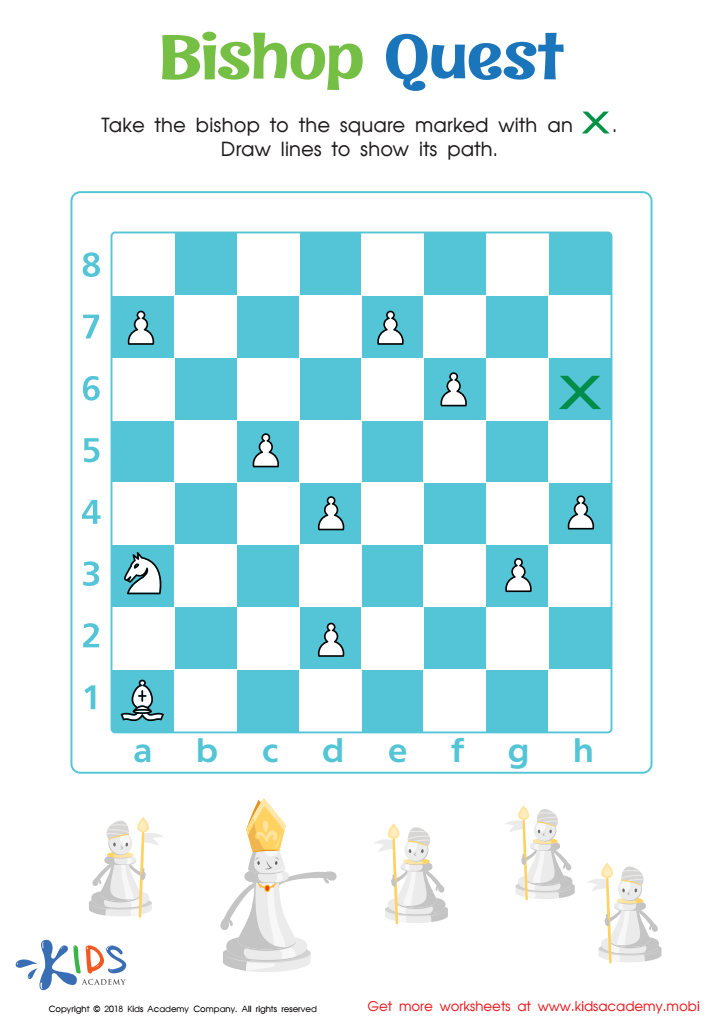
Bishop Quest Worksheet
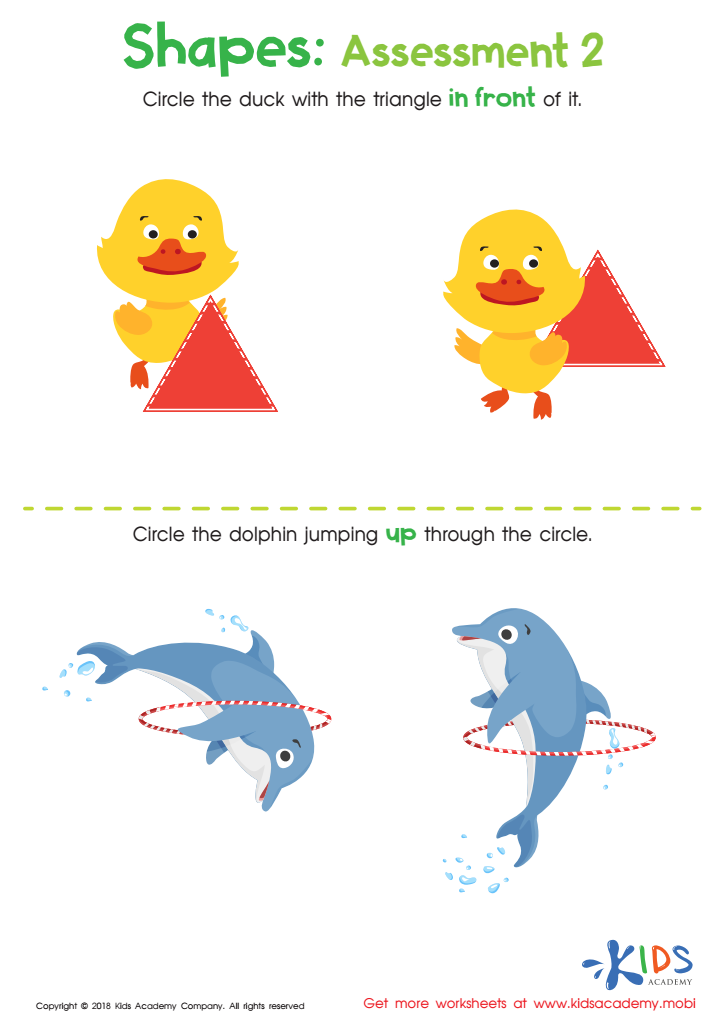
Geometry – Assessment 2 Worksheet
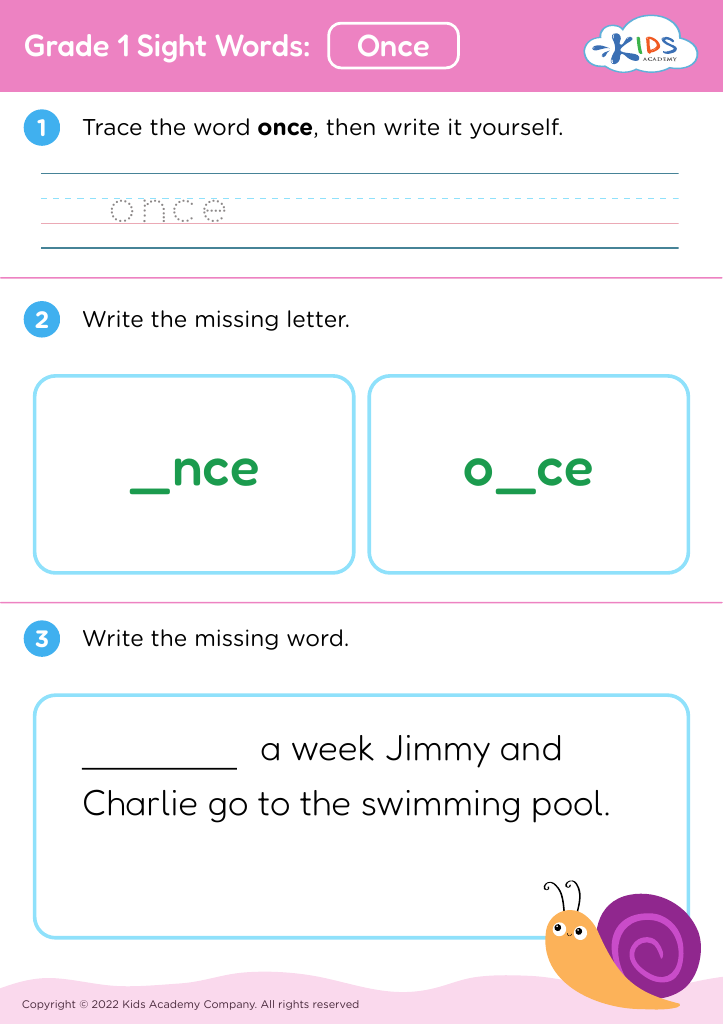


.jpg)




Spatial reasoning, or the ability to understand and remember the spatial relations among objects, is a foundational skill that significantly impacts a child's development. Parents and teachers should care about nurturing spatial reasoning in children aged 4-6 because it plays a crucial role in their cognitive development and future academic success.
First, strong spatial skills are linked to better performance in mathematics. For example, understanding geometric shapes, patterns, and solving puzzles requires the ability to visualize and manipulate objects mentally. Early proficiency in these areas lays a strong foundation for more complex math concepts encountered in later school years.
Second, spatial reasoning supports problem-solving and critical thinking. By engaging in activities like building blocks, drawing, or doing simple jigsaw puzzles, children learn to approach problems from different angles, fostering creativity and adaptability.
Moreover, spatial reasoning is vital in everyday tasks such as navigating spaces, understanding diagrams, and even tying shoelaces. Enhancing these skills during early childhood helps children become more independent and confident in their abilities.
Lastly, spatial skills are crucial for many future professions, including architecture, engineering, and the arts. Encouraging the development of these abilities early on can open doors to a wide range of career opportunities and support lifelong learning.
In summary, prioritizing spatial reasoning for children aged 4-6 lays a crucial groundwork not just for academic achievement, particularly in STEM fields, but also for competent problem-solving and essential everyday tasks.








