Understanding numerical values Worksheets for Ages 4-6
4 filtered results
-
From - To
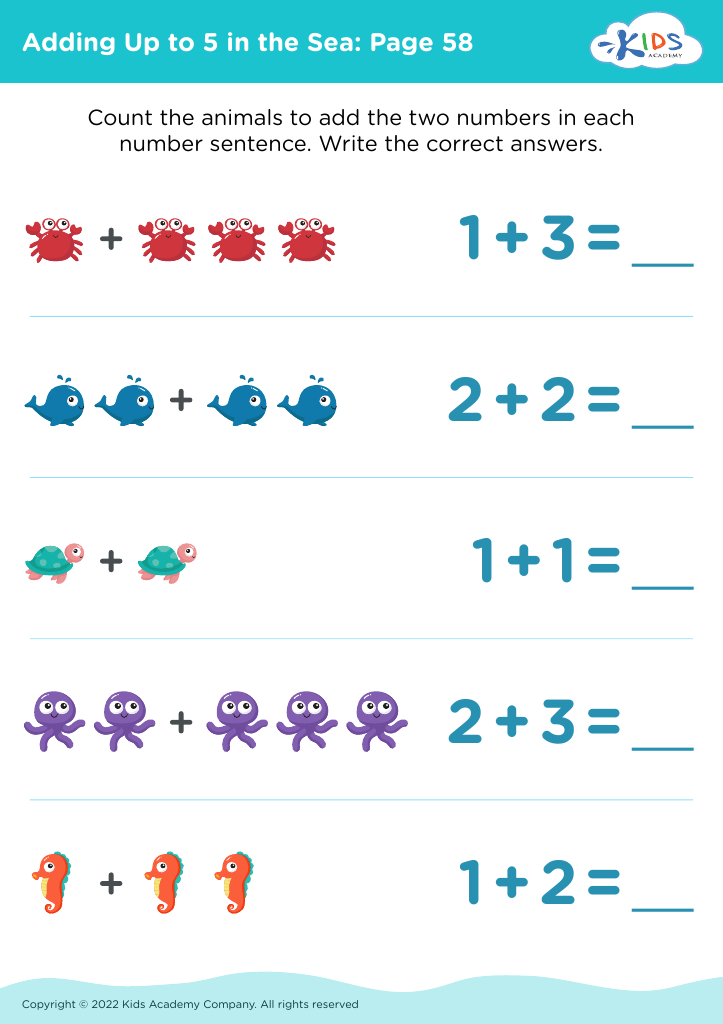
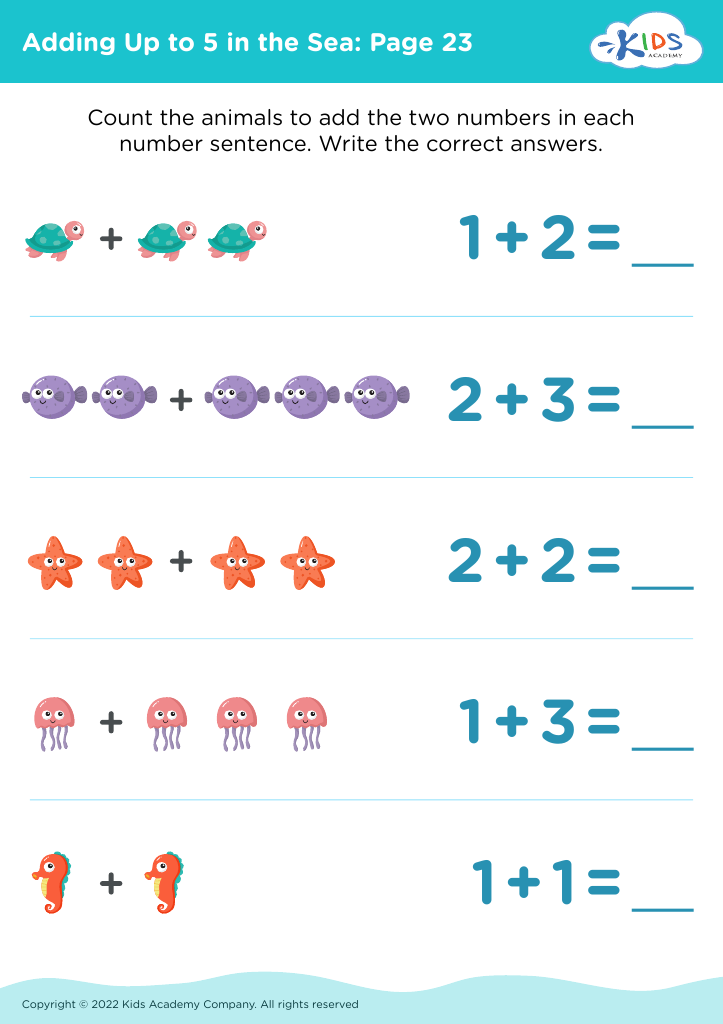
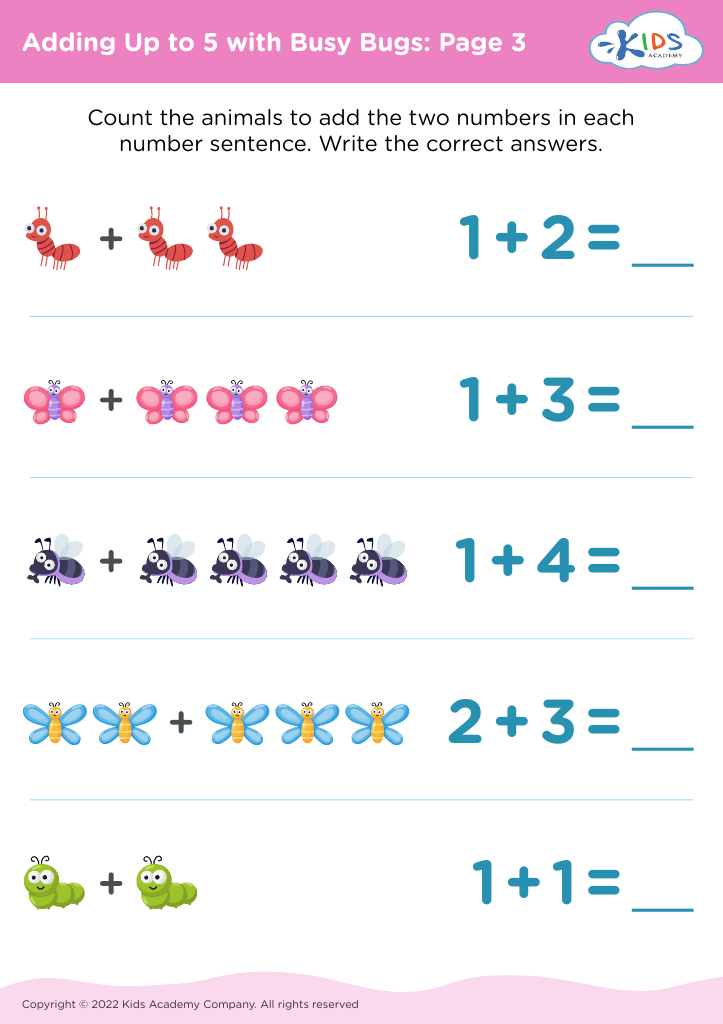
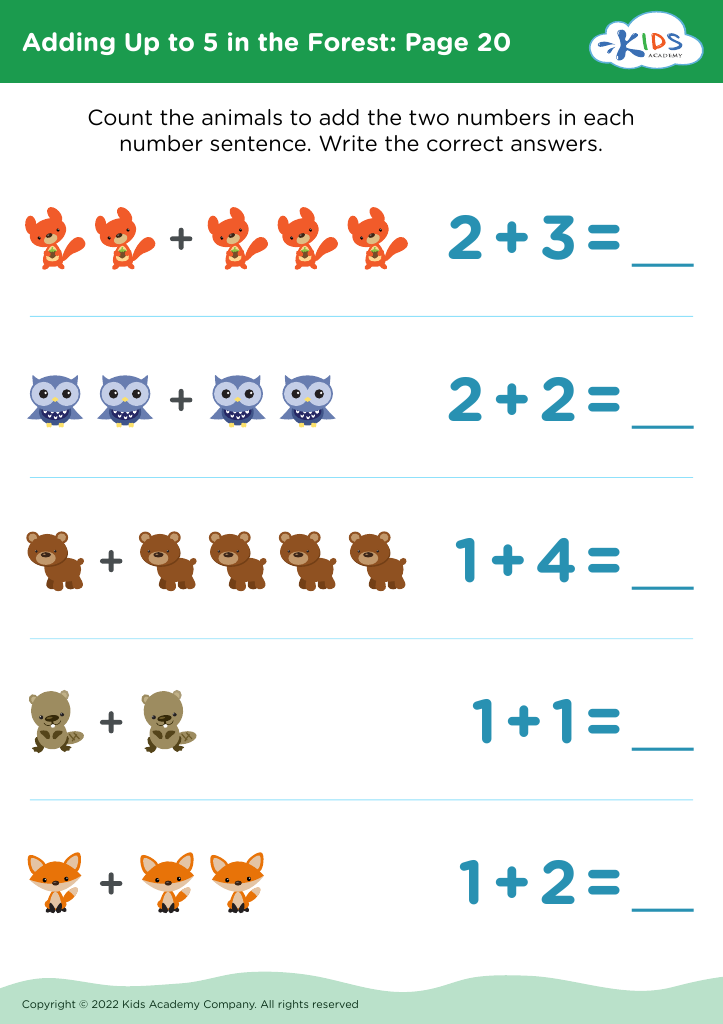
Explore our Understanding Numerical Values Worksheets designed for young learners aged 4-6. These engaging, printable resources help children grasp basic number concepts through fun activities and colorful visuals. Our worksheets reinforce counting, number recognition, and the relationship between quantities and their corresponding digits, providing a foundational understanding of numbers. With activities tailored to different skill levels, children will enjoy mastering numerical values while developing critical thinking and fine motor skills. Ideal for homeschooling, preschool, or early kindergarten settings, these worksheets make learning numbers enjoyable and accessible. Start nurturing your child's numerical skills today with our comprehensive collection!








Understanding numerical values is crucial for children aged 4-6 as it lays the foundation for their mathematical development and overall cognitive skills. At this early age, children are naturally curious and eager to learn; introducing them to numerical concepts helps harness this curiosity in a constructive way. By grasping the basics of numbers, children enhance their problem-solving abilities, critical thinking skills, and logical reasoning.
Moreover, early numeracy skills contribute to academic success in later grades. When children understand numerical values, they can better engage with more complex mathematical concepts, improve their proficiency in subjects like science and engineering, and be prepared for standardized tests. Additionally, numeracy is integral to daily life—whether they are cooking, shopping, or planning activities—enabling children to make sense of the world around them.
By nurturing an understanding of numbers, parents and teachers build a child’s confidence and creativity in their approach to learning. They encourage children to explore, ask questions, and find joy in discovering how numbers operate. Early familiarity with numerical values isn't just about academics; it fosters a well-rounded development that impacts emotional and social growth as well. Prioritizing numeracy education during these formative years is essential for a well-prepared future.








