Understanding time Worksheets for Ages 4-6
5 filtered results
-
From - To
Explore our "Understanding Time Worksheets" designed specifically for children aged 4-6! These engaging and interactive worksheets help young learners grasp fundamental concepts related to time, such as reading clocks, distinguishing between morning and afternoon, and understanding daily routines. Featuring colorful visuals and simple instructions, our activities make learning about time fun and accessible. Perfect for home or classroom use, these worksheets help little ones develop essential skills while building confidence in their abilities. Encourage your child's curiosity about the world around them as they learn to manage and appreciate time in creative ways. Download today and start their journey to mastering time!
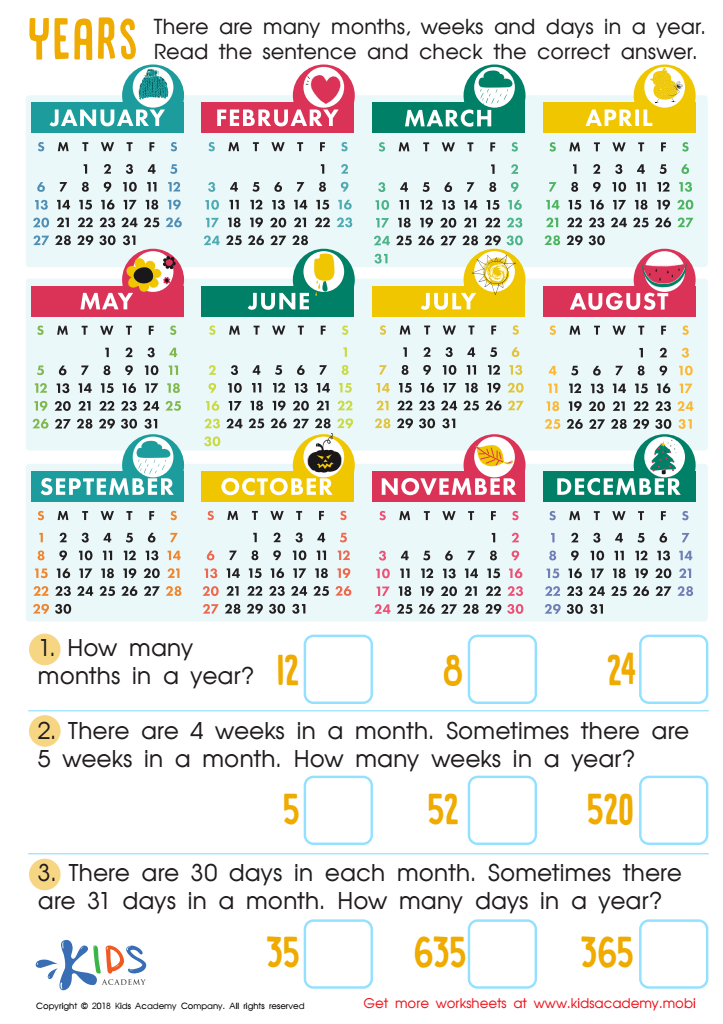
Years Worksheet
 Assign to My Students
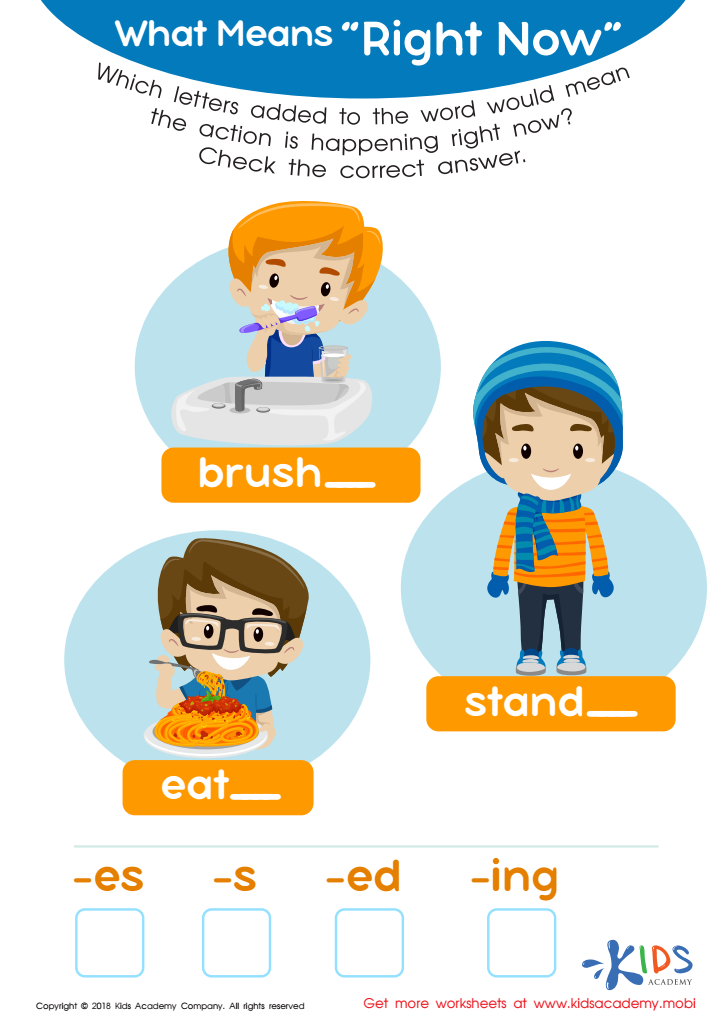
What Means "Right Now" Worksheet
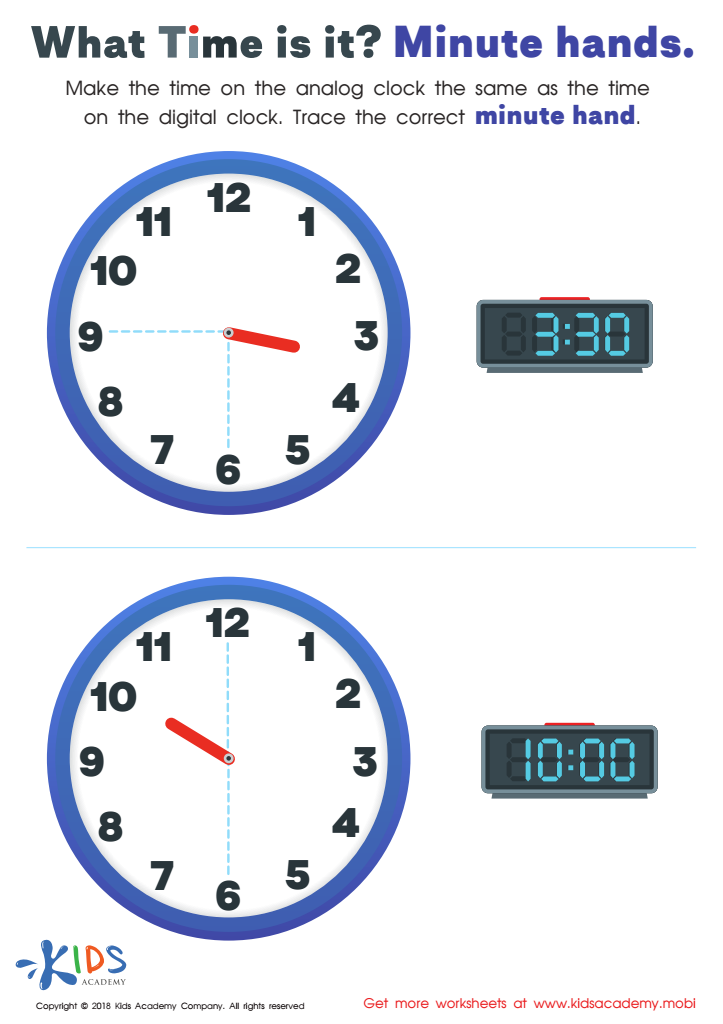
What Time Is it? Minute Hands Worksheet
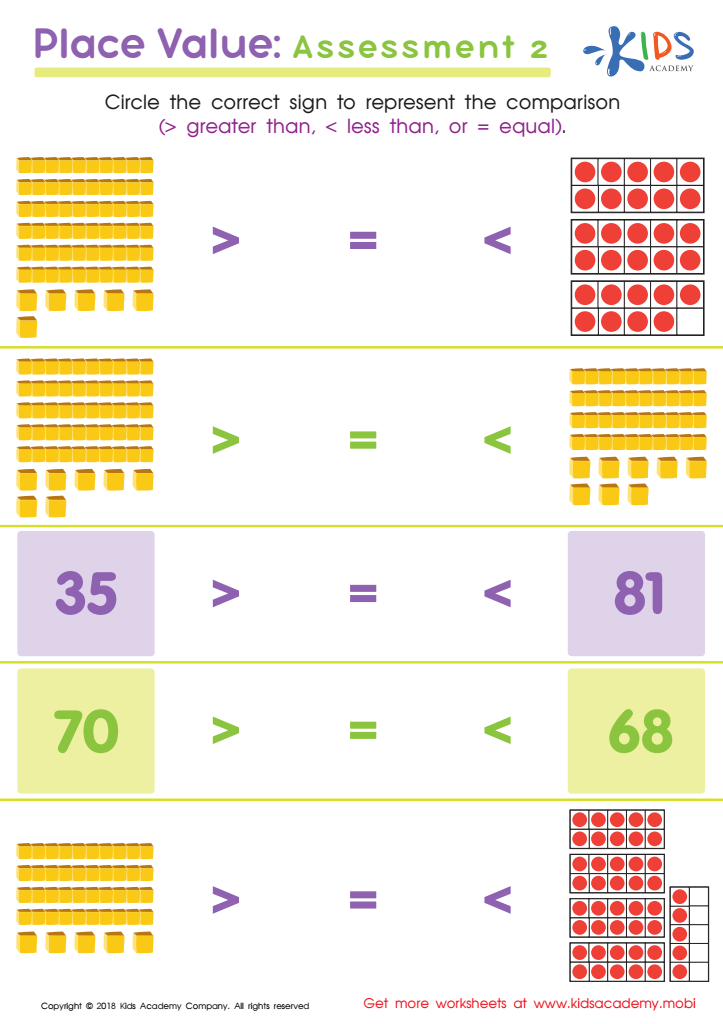
Place Value: Assessment 2 Worksheet
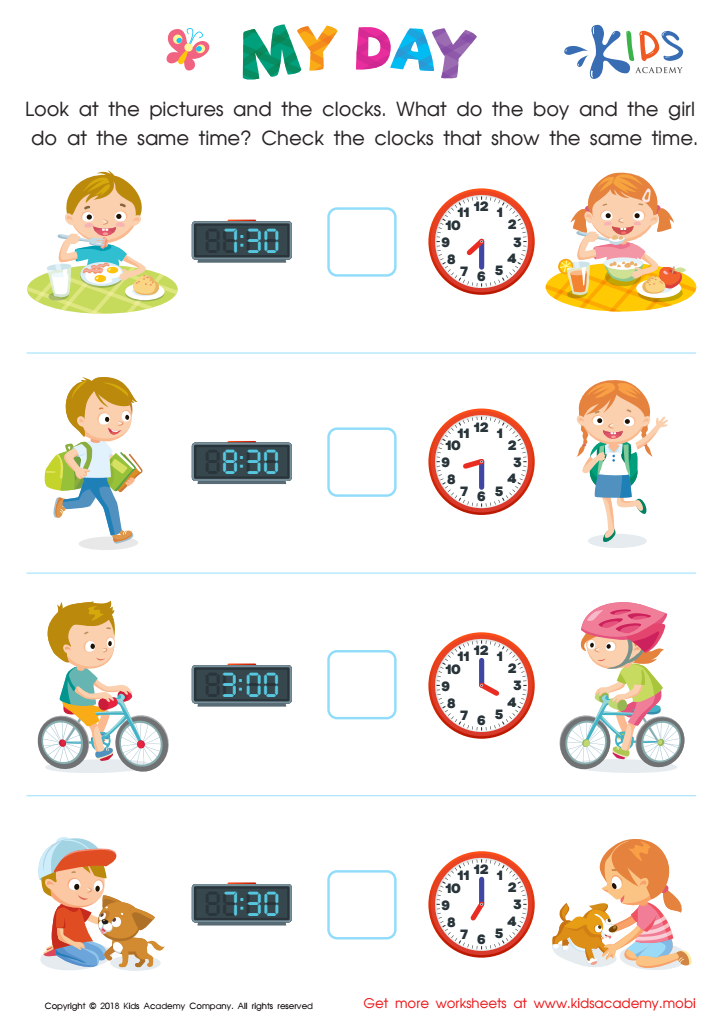
My Day Worksheet







Understanding time is a foundational skill for children aged 4 to 6, making it crucial for parents and teachers. At this age, children begin to develop an awareness of routines, schedules, and the sequence of events, which helps them feel more secure and organized in their daily lives. Learning to tell time introduces concepts such as past, present, and future, enhancing cognitive development and critical thinking skills.
Moreover, grasping the concept of time fosters independence. As children learn to understand clocks and timers, they gain the ability to manage their activities, like knowing when to start preparing for bed or when to switch tasks. This autonomy is empowering and contributes to their self-confidence.
In the educational realm, learning time is linked to essential skills across subjects, from mathematics to storytelling. It encourages punctuality, responsibility, and respect for others' time, vital for social interactions.
Finally, engaging in time-related activities cultivates language skills as children learn to discuss and express their understanding of temporal concepts. Overall, prioritizing time education in early childhood sets the stage for successful learning and personal development, serving both academic needs and life skills.








