Visual-motor skills Worksheets for Ages 4-6
5 filtered results
-
From - To
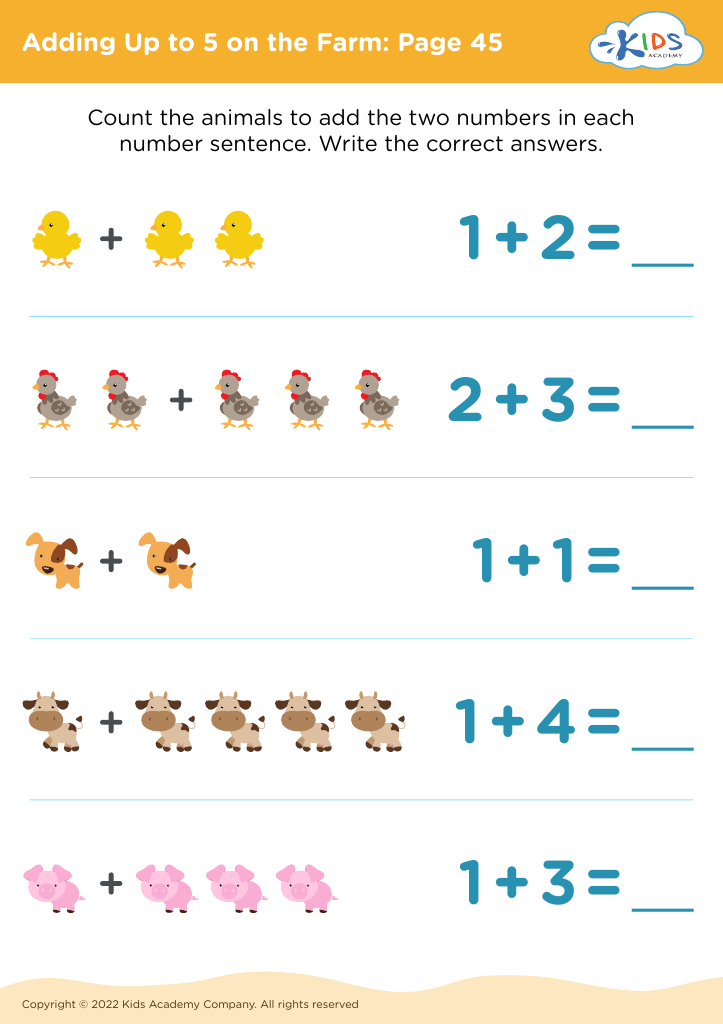
Enhance your child's development with our Visual-Motor Skills Worksheets for ages 4-6! Specially designed to improve hand-eye coordination, these engaging activities help preschoolers and kindergarteners refine essential skills for writing, drawing, and everyday tasks. Each worksheet combines fun and learning, featuring tracing, cutting, and matching exercises that align with early education standards. Inspire confidence and build foundational abilities in a playful and supportive way. Perfect for home or classroom use, these printable sheets provide a solid base for future academic success. Get started today and watch your child's visual-motor skills soar!
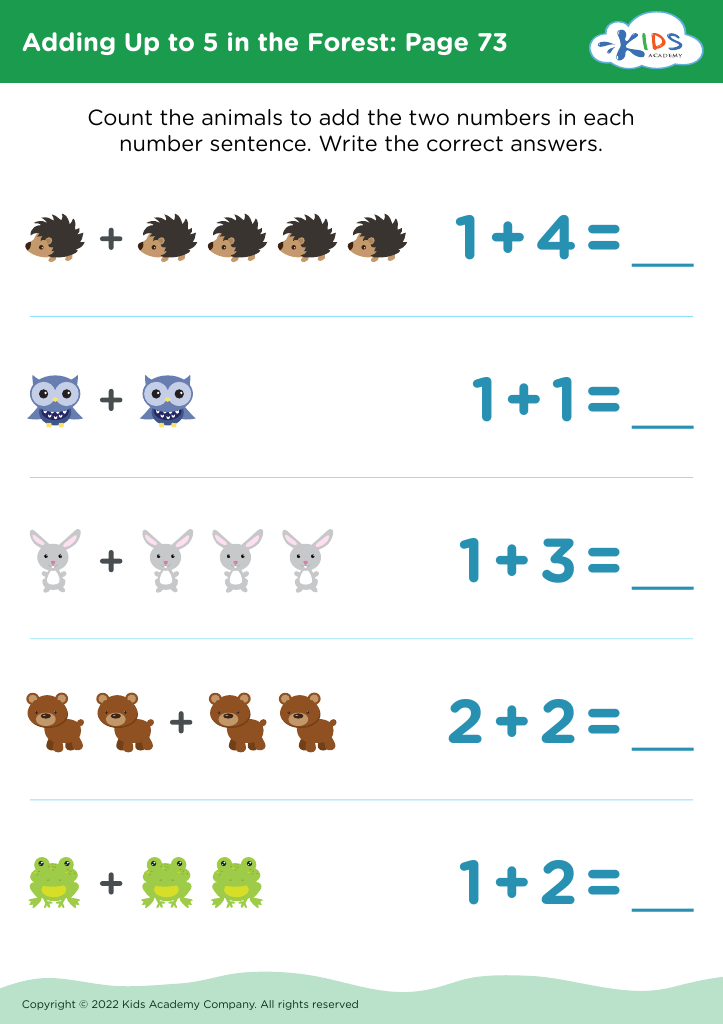
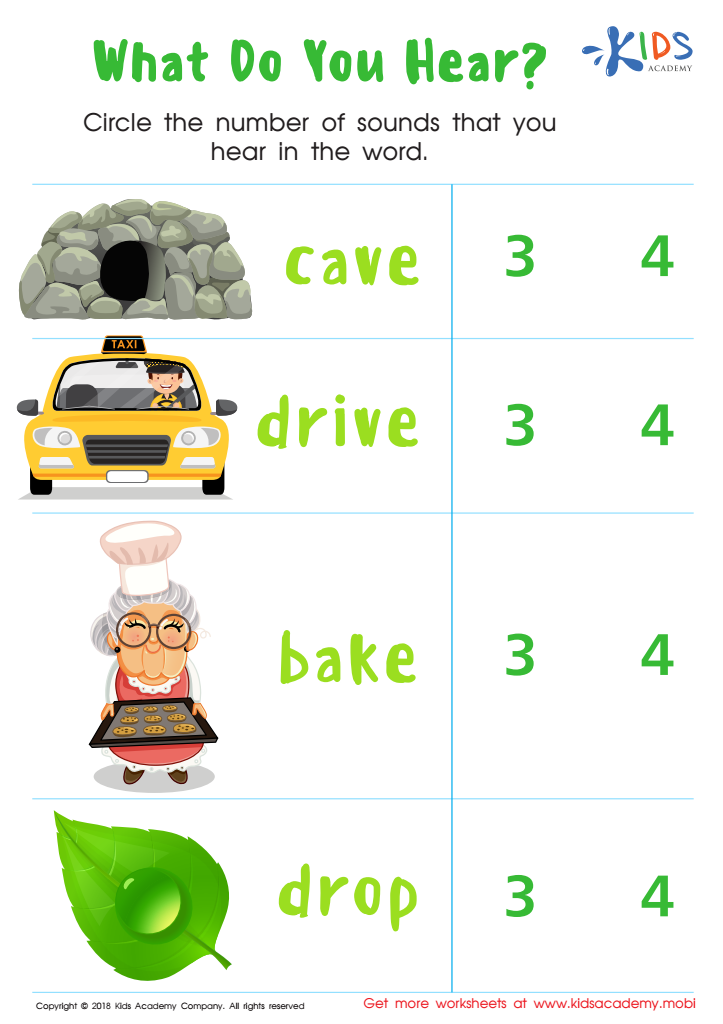
What Do You Hear? Worksheet
 Assign to My Students
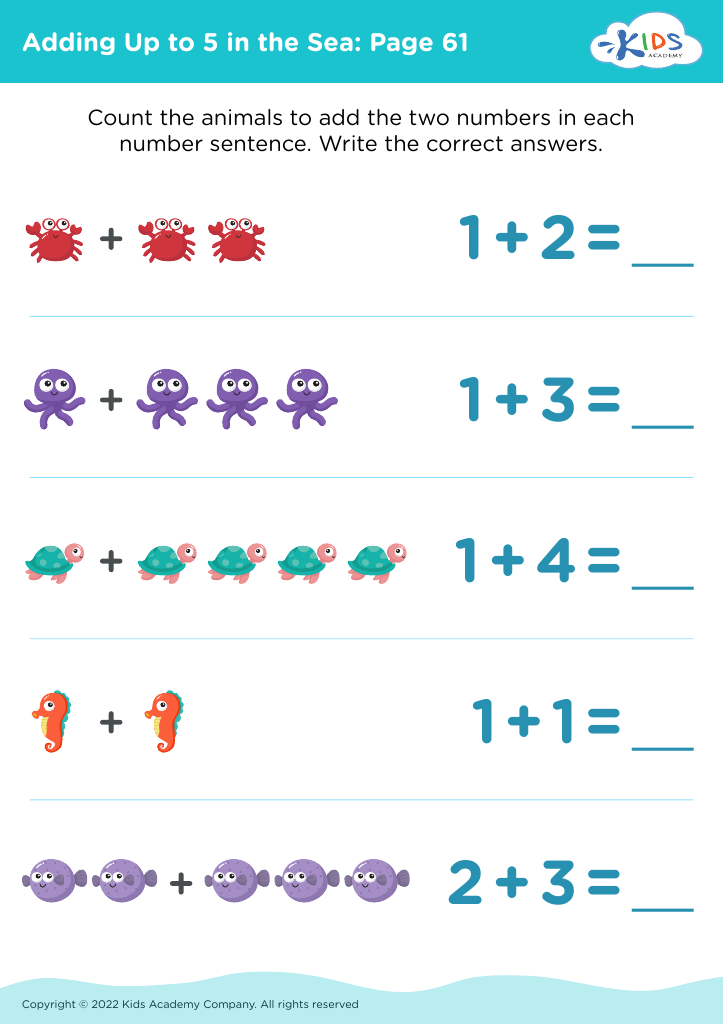
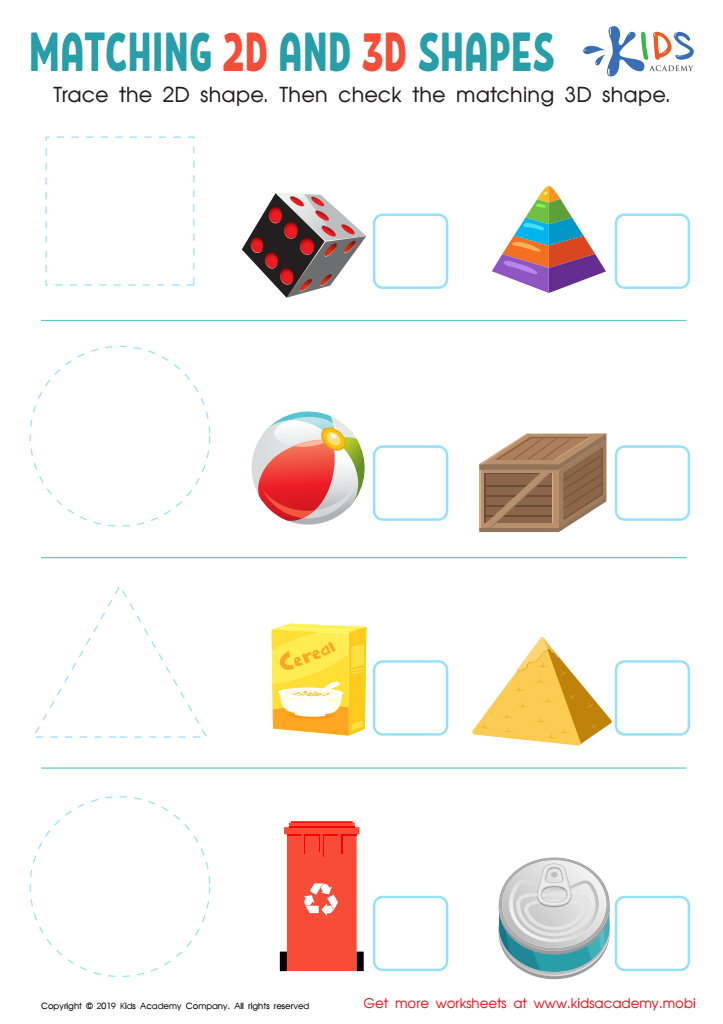
Matching 2D and 3D Shapes Worksheet







Visual-motor skills are critical for children ages 4-6 as they directly impact a child's ability to perform a wide range of everyday tasks effectively. These skills involve the coordinated control of eye movement with hand movement, crucial for activities such as writing, cutting with scissors, drawing, and even playing sports. During these formative years, developing strong visual-motor skills can lay the foundation for academic success and overall confidence.
For teachers, recognizing the importance of these skills ensures that they implement activities that help fine-tune coordination, which can make learning more engaging and less frustrating for young children. Activities like tracing shapes, building with blocks, and participating in simple crafts not only entertain but develop essential hand-eye coordination, preparing children for more complex tasks.
Parents should be aware of these skills because they are pivotal in their child's ability to interact with their environment. Encouraging play that involves building, drawing, and even basic puzzles can enhance these skills at home. Early intervention and emphasis on visual-motor development can support children in avoiding future difficulties with reading, writing, and even social integration as these skills are also linked to physical activities and playtime interactions. Thus, fostering these skills early promotes well-rounded development and sets the stage for future learning and interpersonal success.








