Vocabulary development Worksheets for Ages 4-6 - Page 2
59 filtered results
-
From - To
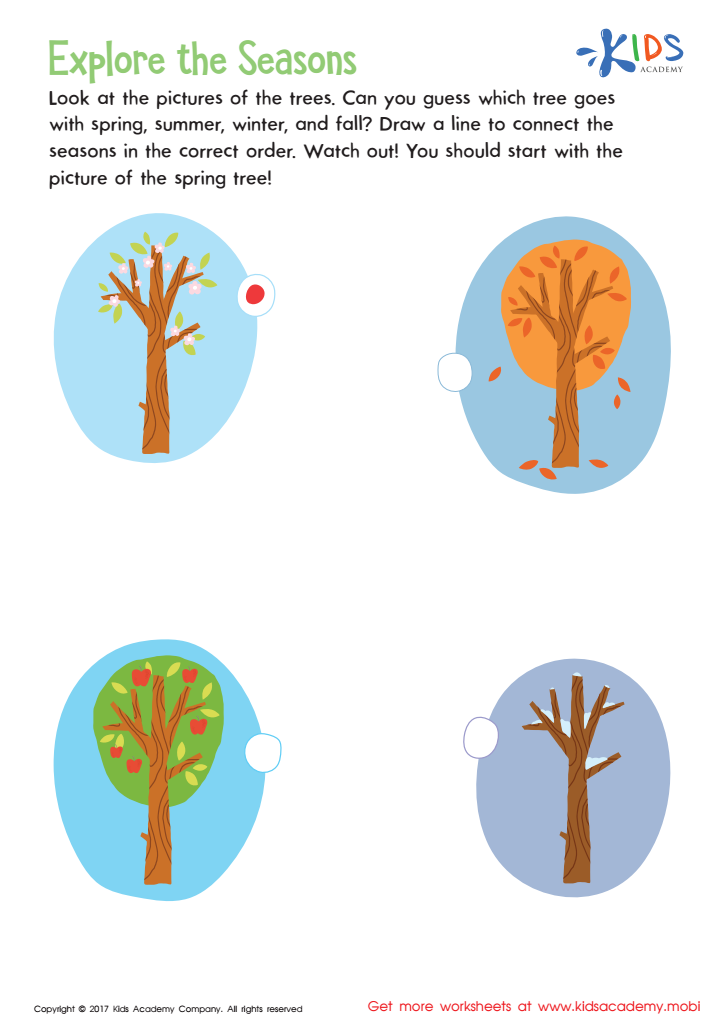
Explore the Seasons Worksheet
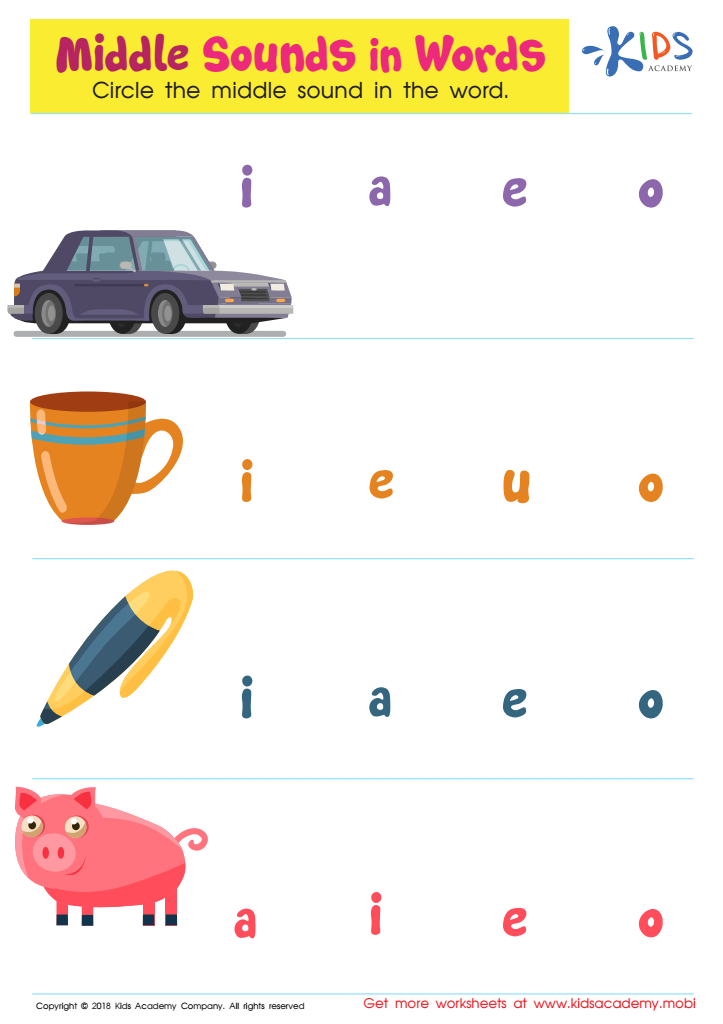
Middle Sounds in Words Worksheet
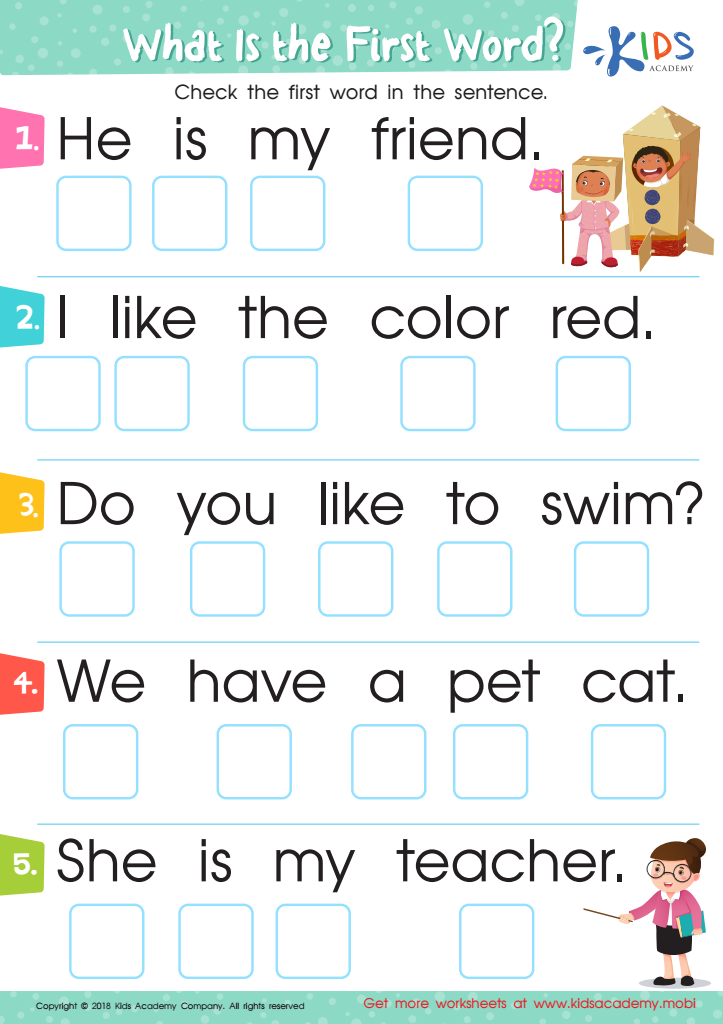
What is the First Word? Worksheet
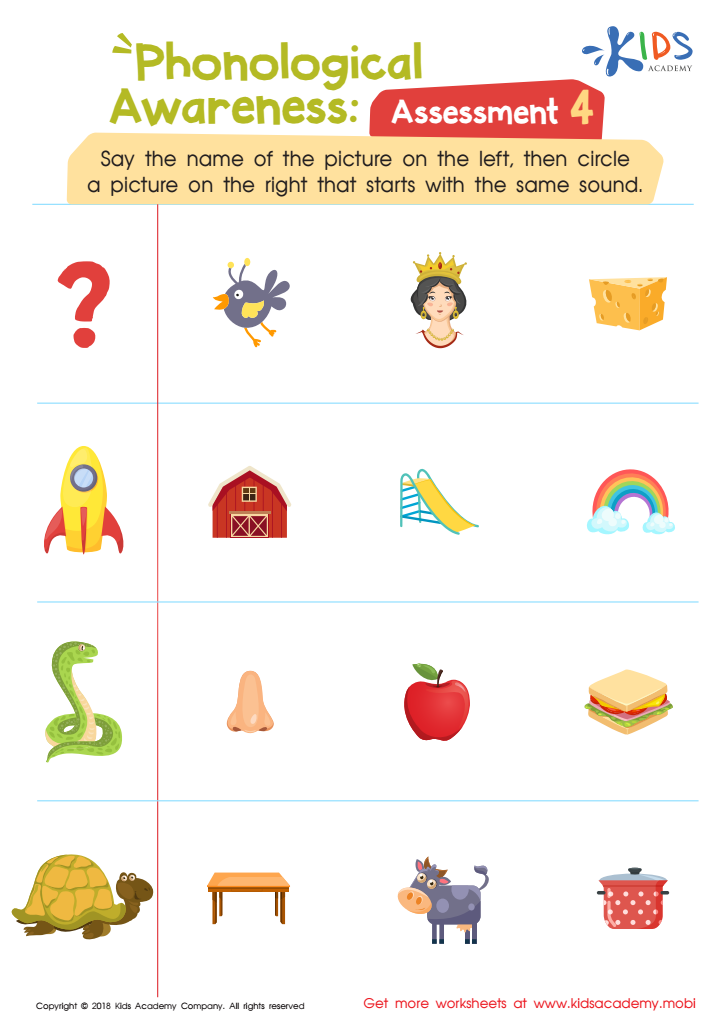
Phonological Awareness: Assessment 4 Worksheet

Night Sky Search Worksheet
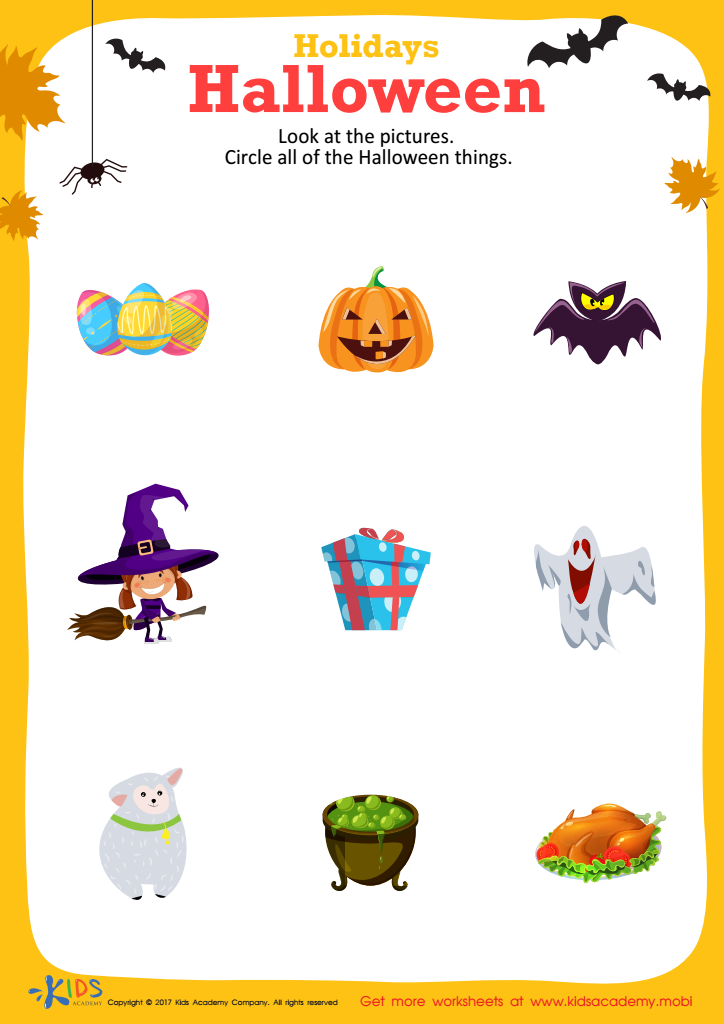
Halloween Holiday Worksheet
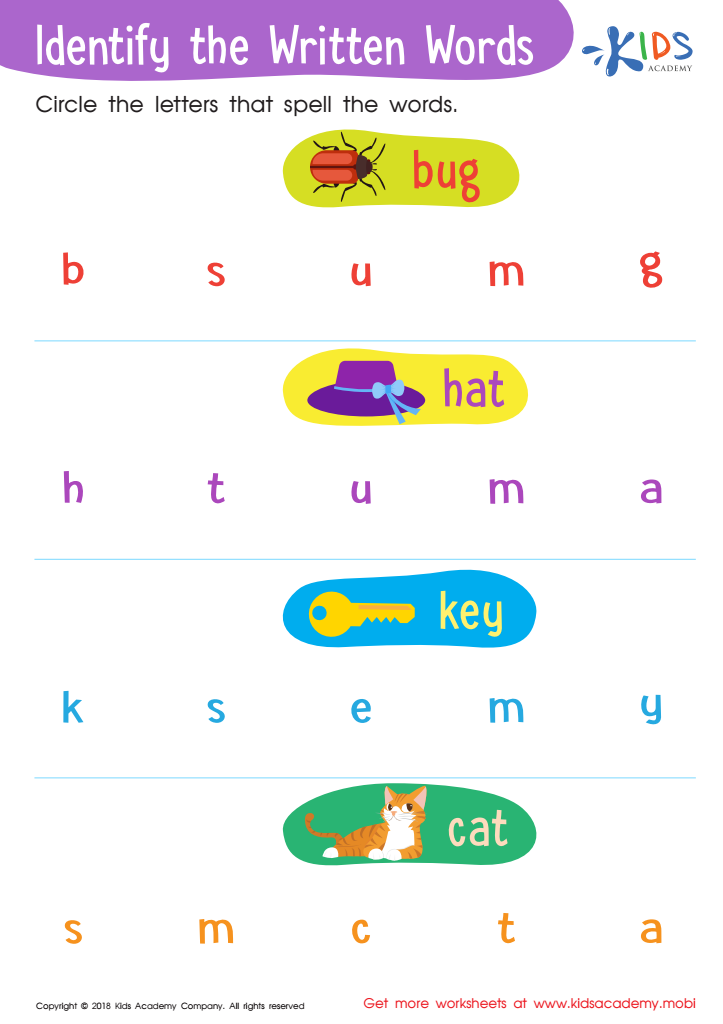
Identify the Written Words Worksheet
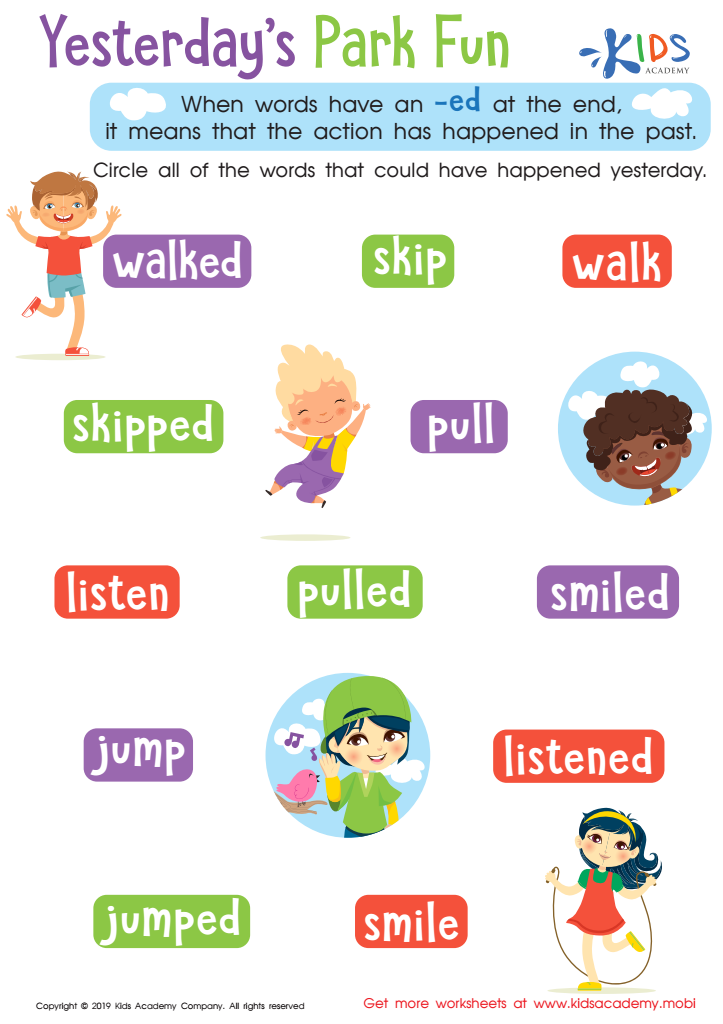
Yesterday's Park Fun Worksheet
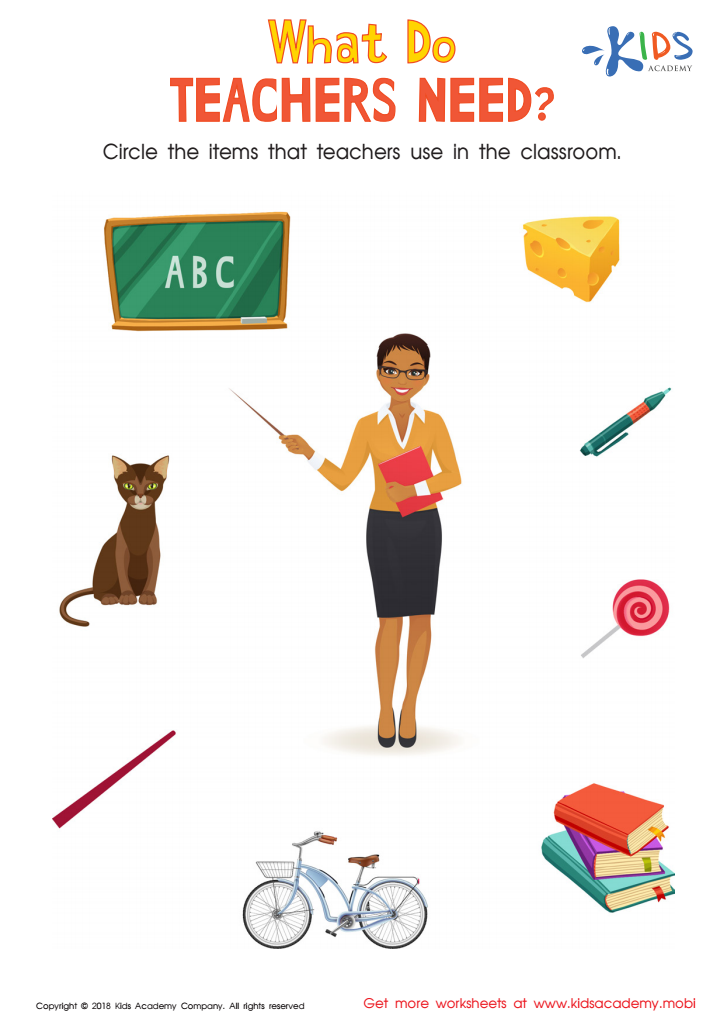
What Do Teachers Need Worksheet
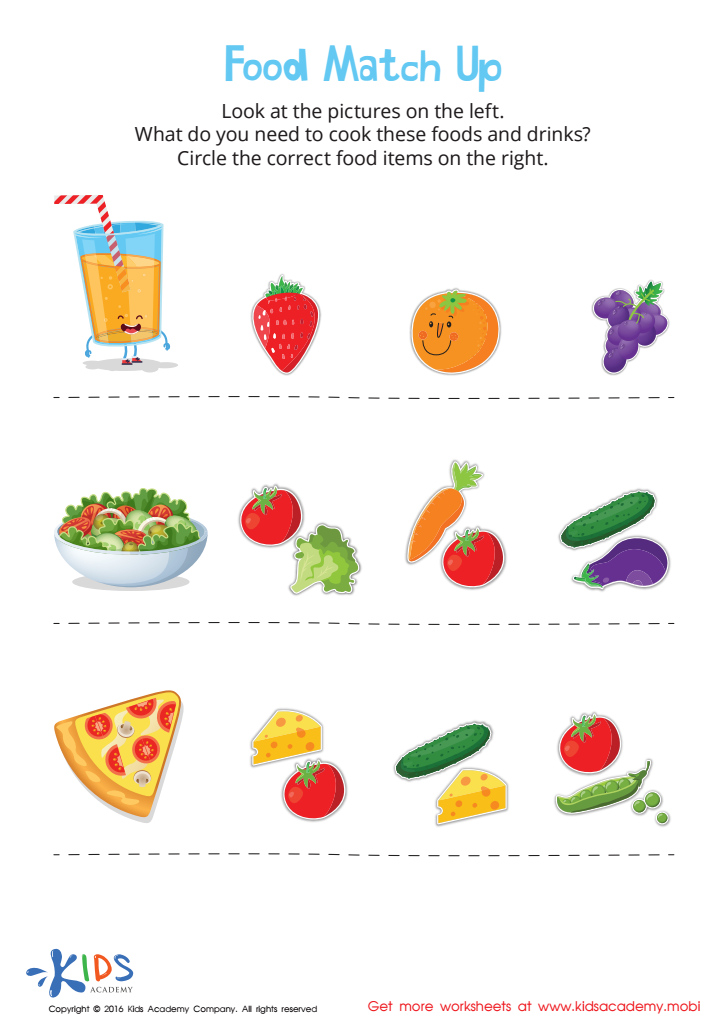
Food Match Up Worksheet

Musical Band Worksheet
 Assign to My Students
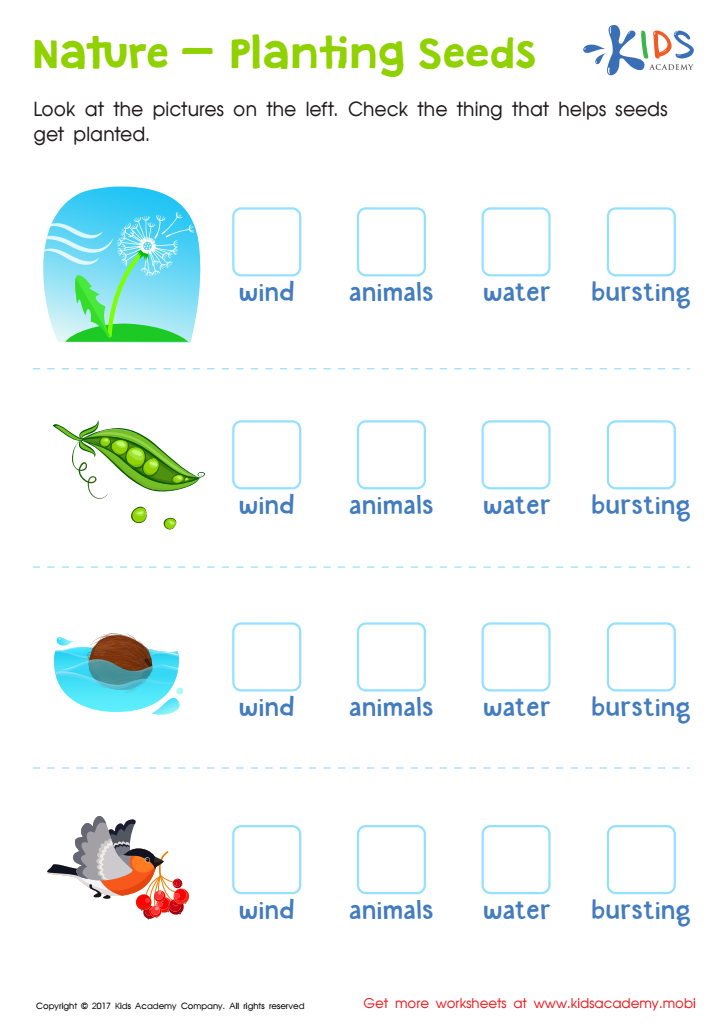
Nature Planting Seeds Worksheet
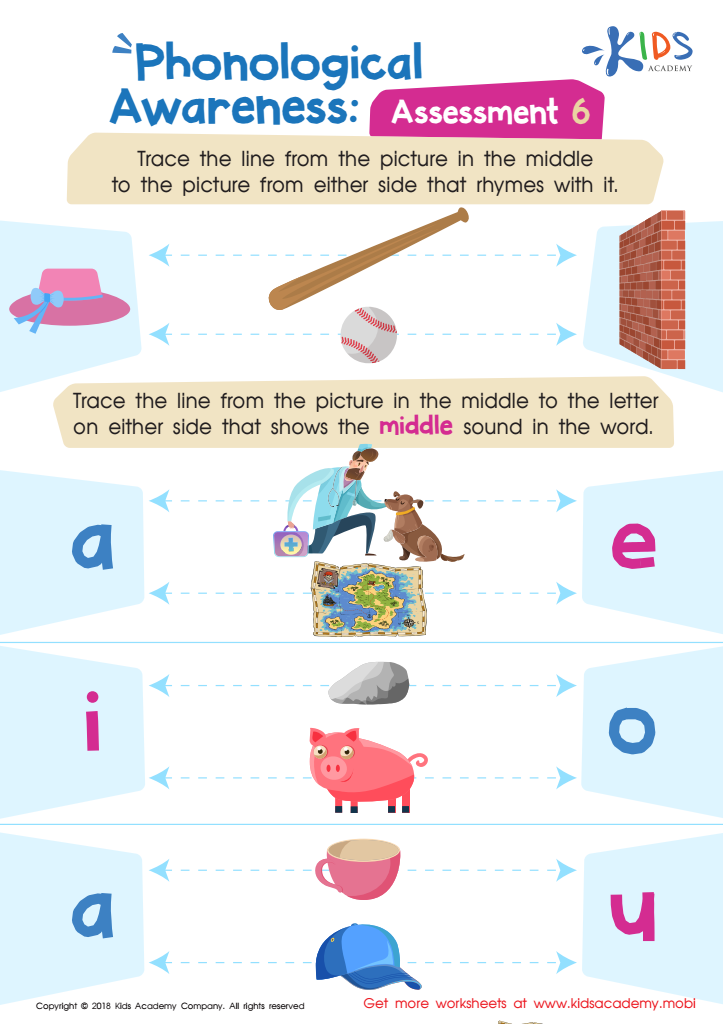
Phonological Awareness: Assessment 6 Worksheet
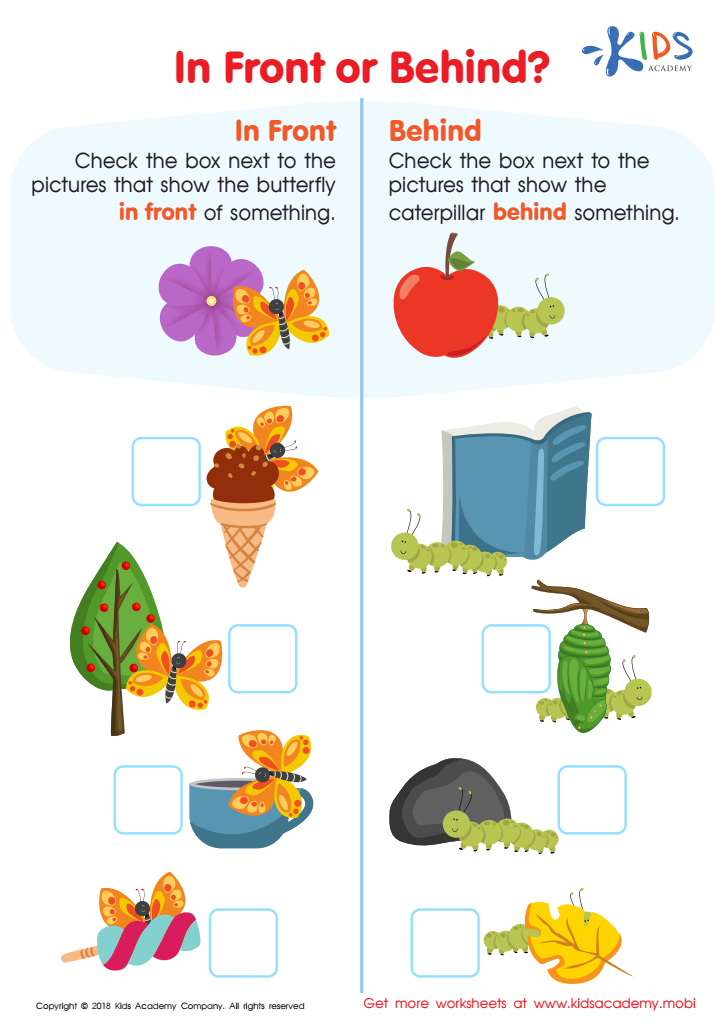
In Front or Behind Worksheet
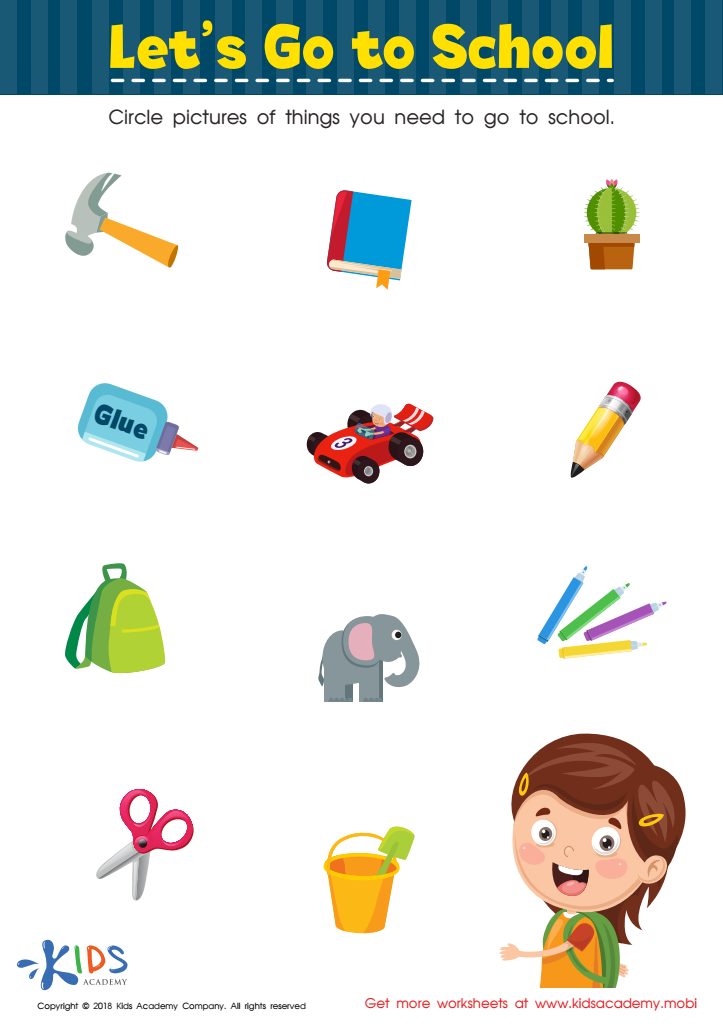
Let's Go to School! Worksheet
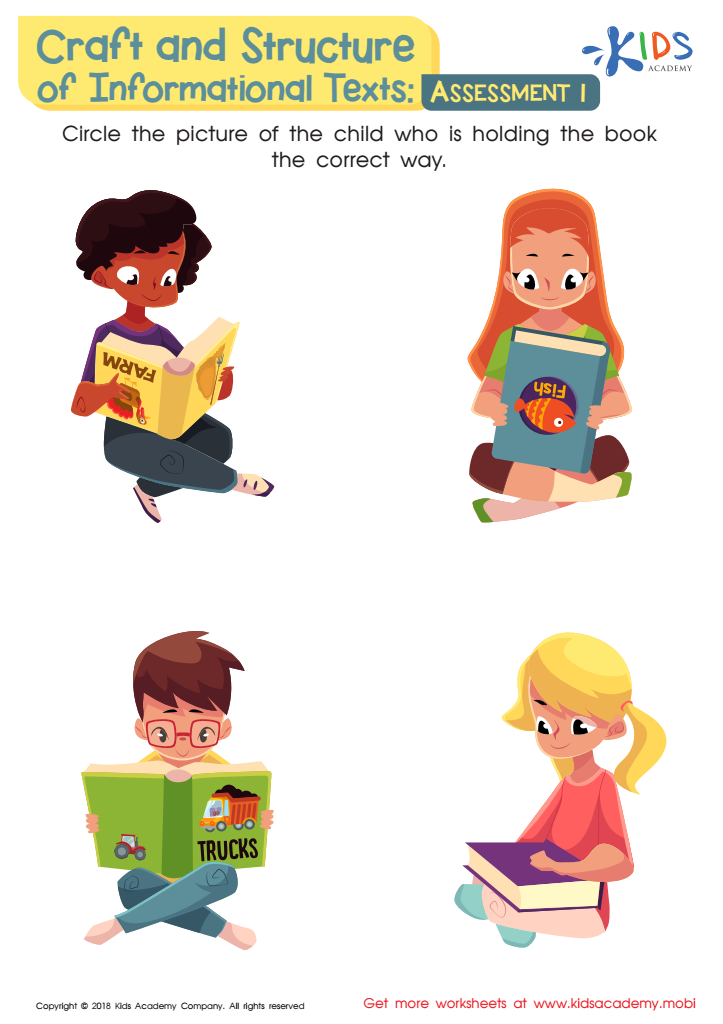
Craft and Structure of Informational Texts: Assessment 1 Worksheet

Turkey Thanksgiving Day Worksheet
Assign to My Students
The Three Little Pigs Worksheet
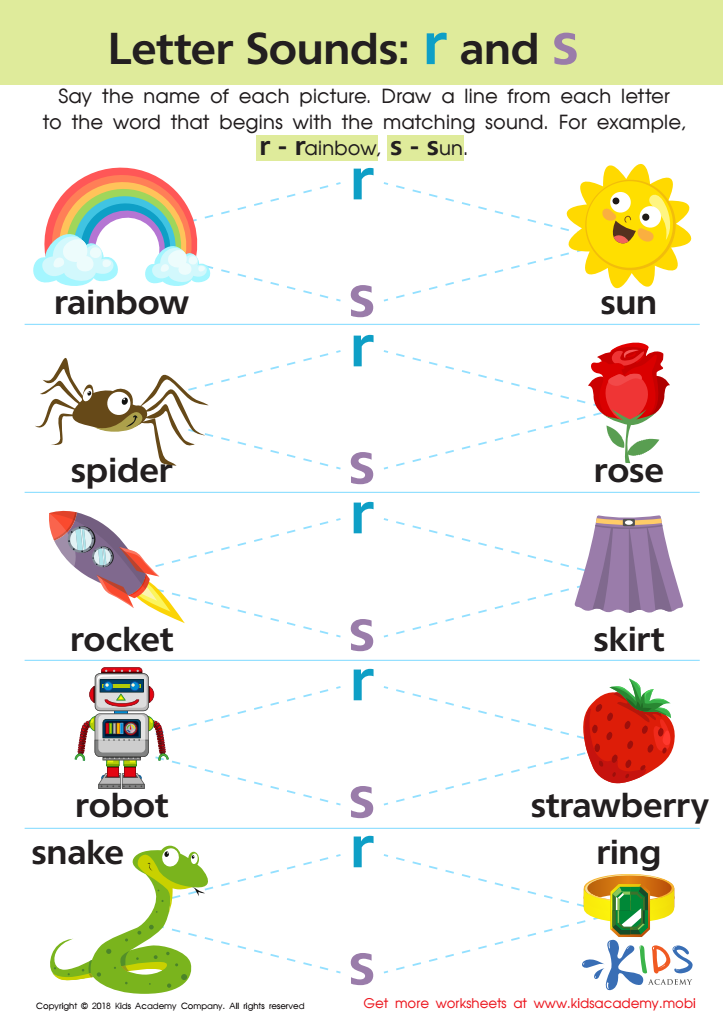
Letter R and S Sounds Worksheet
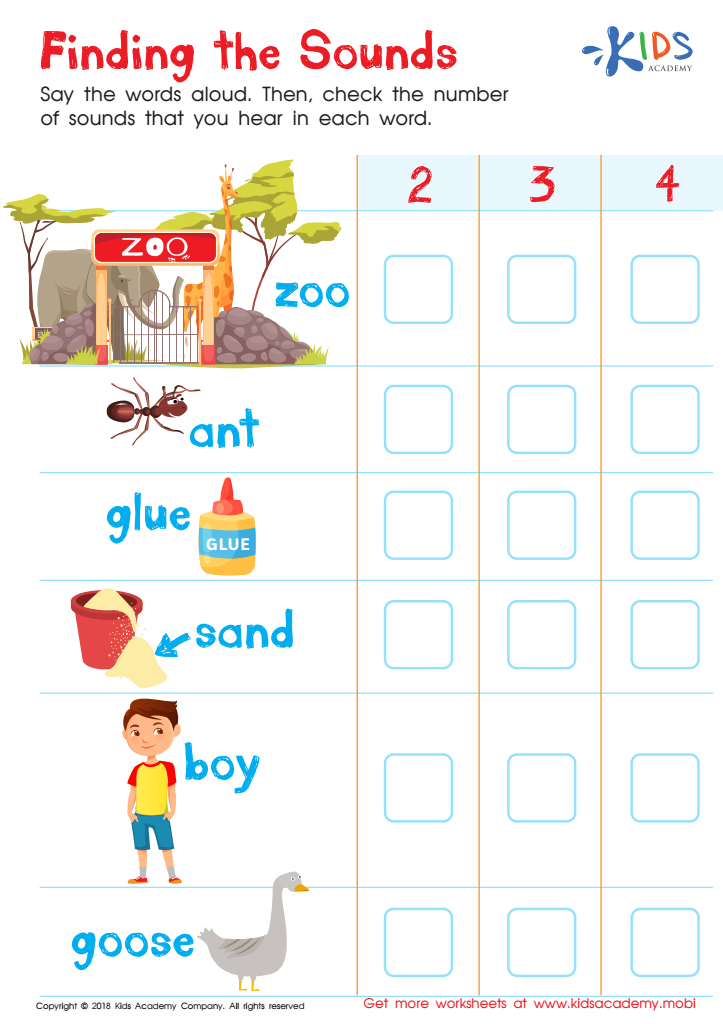
Finding the Sounds Worksheet
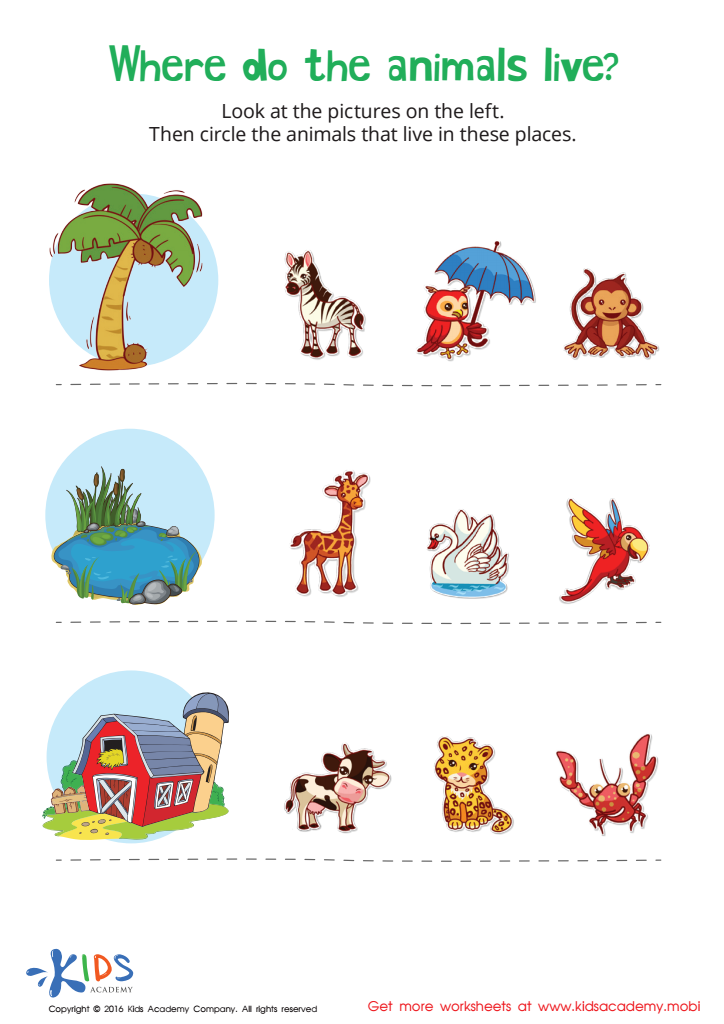
Where Animals Live Worksheet
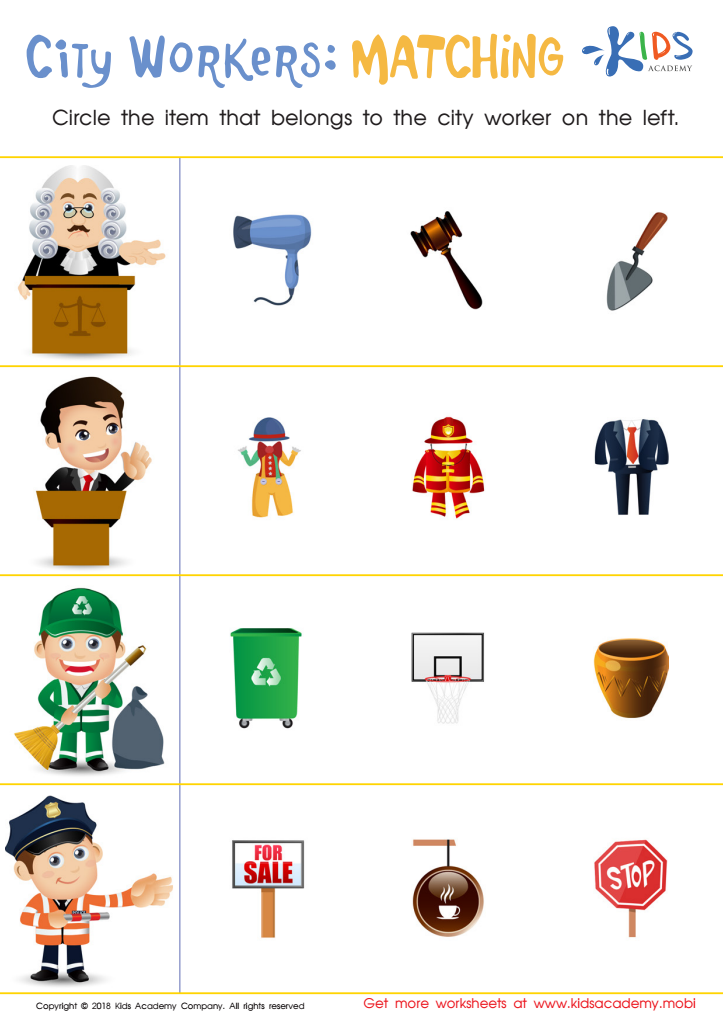
City Workers: Matching Worksheet
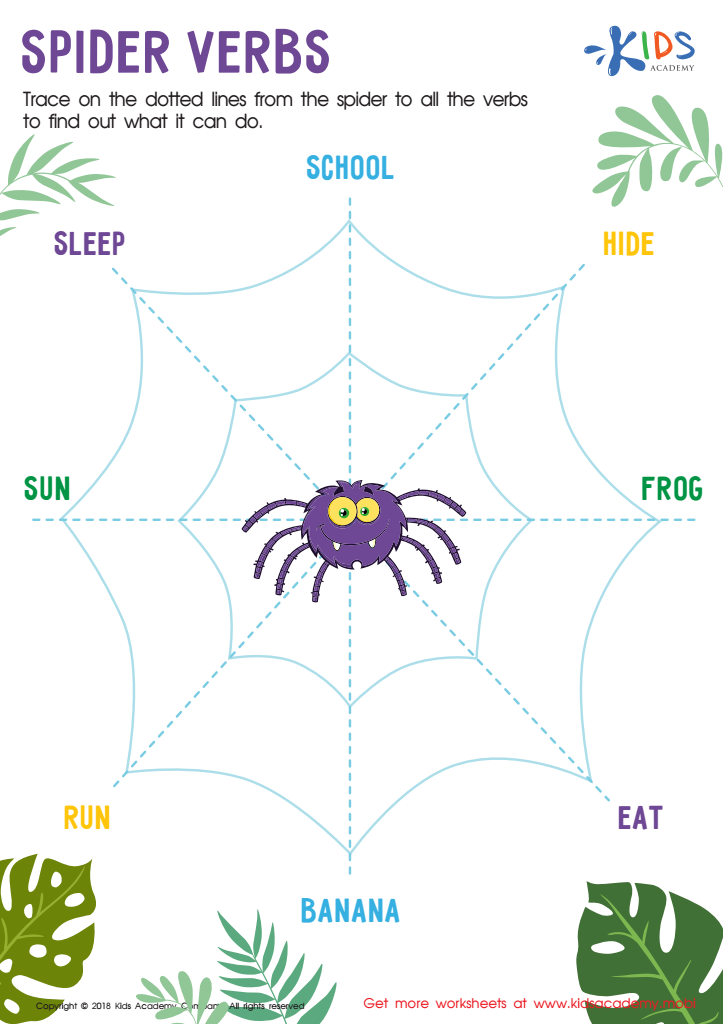
Spider Verbs Worksheet
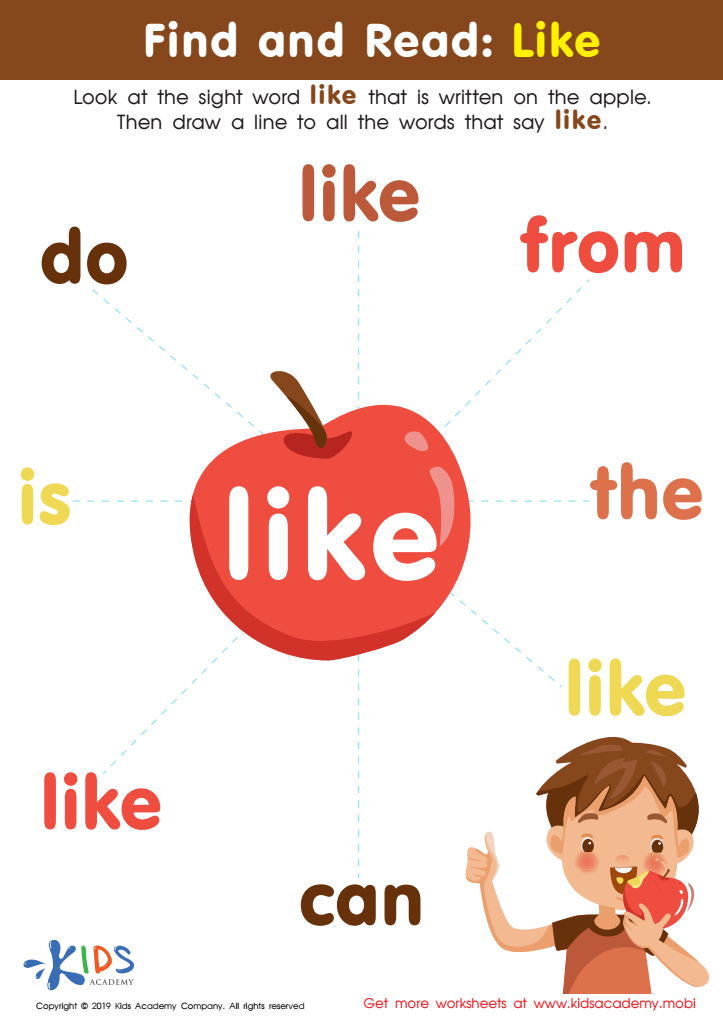
Find and Read: Like Worksheet




.jpg)


Vocabulary development is crucial for children ages 4-6 as it lays the groundwork for their overall communication skills and academic success. During these formative years, children engage in significant cognitive and linguistic growth. A rich vocabulary boosts their ability to express thoughts, emotions, and ideas, leading to improved interactions with peers, teachers, and family members.
Parents and teachers play pivotal roles in this development by providing language-rich environments. By introducing new words through reading, conversations, and games, adults can foster curiosity and comprehension in young learners. Vocabulary knowledge not only enhances reading skills but also aids in listening and speaking abilities, which are key for building confidence and social relationships.
Moreover, a strong vocabulary contributes to better academic performance across various subjects. As children learn to decode language, those with expansive vocabularies often excel in comprehension and critical thinking. This early focus on vocabulary can set a foundation for lifelong learning and literacy. Choosing to prioritize vocabulary development means investing in a child's future, enabling them to succeed in school, communicate effectively, and ultimately, navigate the world with confidence. Encouraging vocabulary development through engaging activities and interactions should be a collective responsibility of both parents and teachers.








