Vocabulary expansion Worksheets for Ages 4-6 - Page 2
139 filtered results
-
From - To

Community Buildings Worksheet
 Assign to My Students
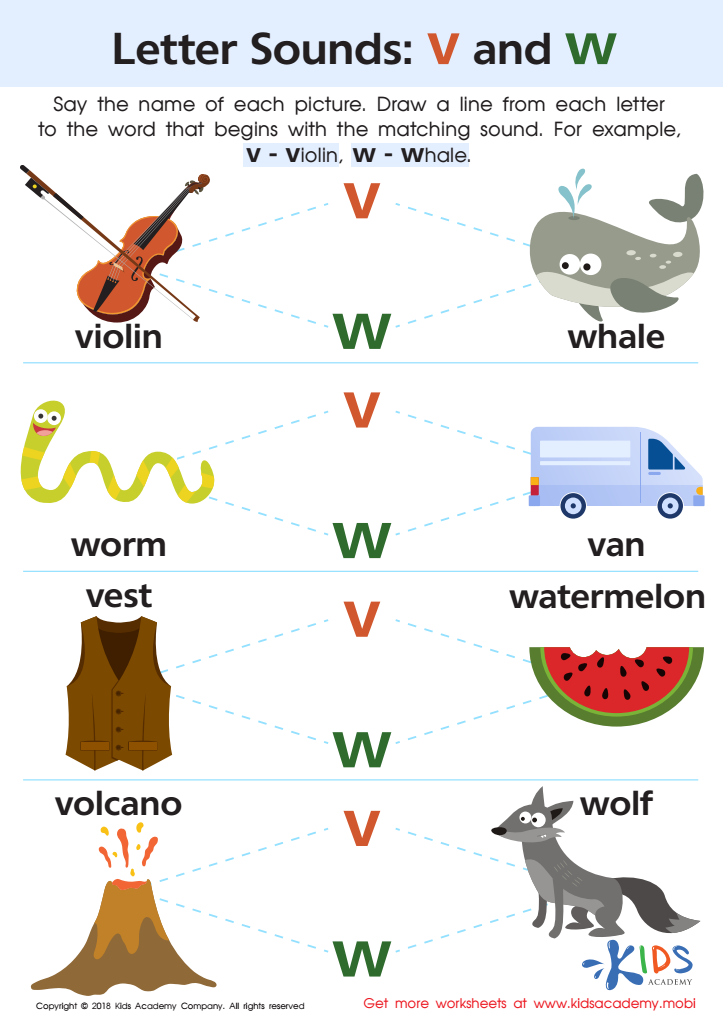
Letter V and W Sounds Worksheet

Short Vowel Sound U Worksheet Worksheet
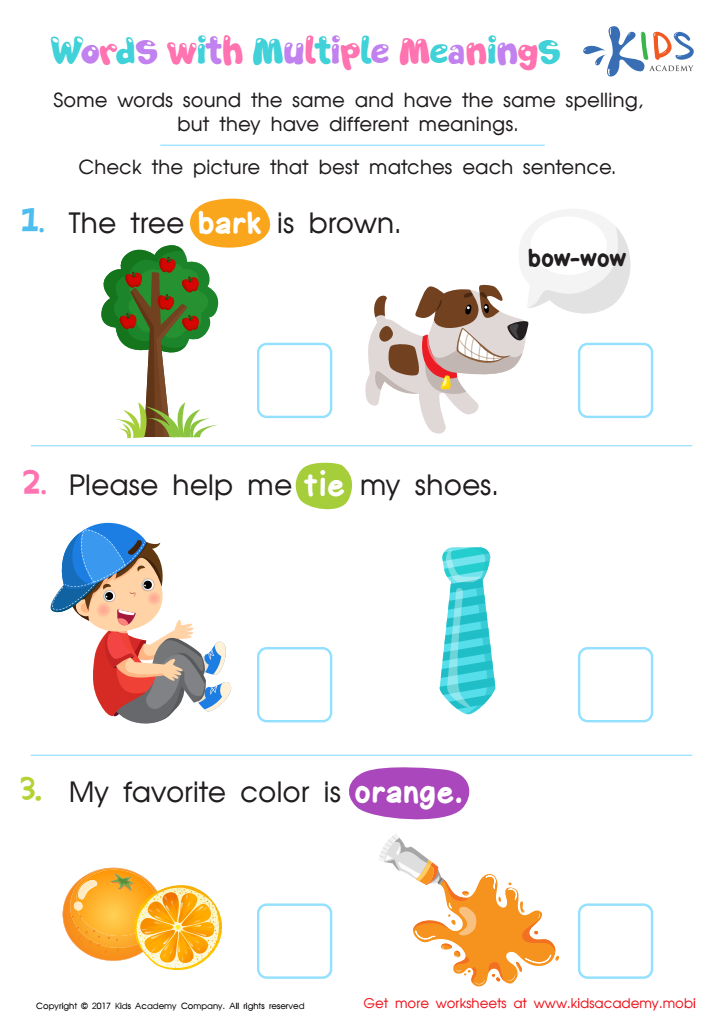
Words with Multiple Meanings Worksheet
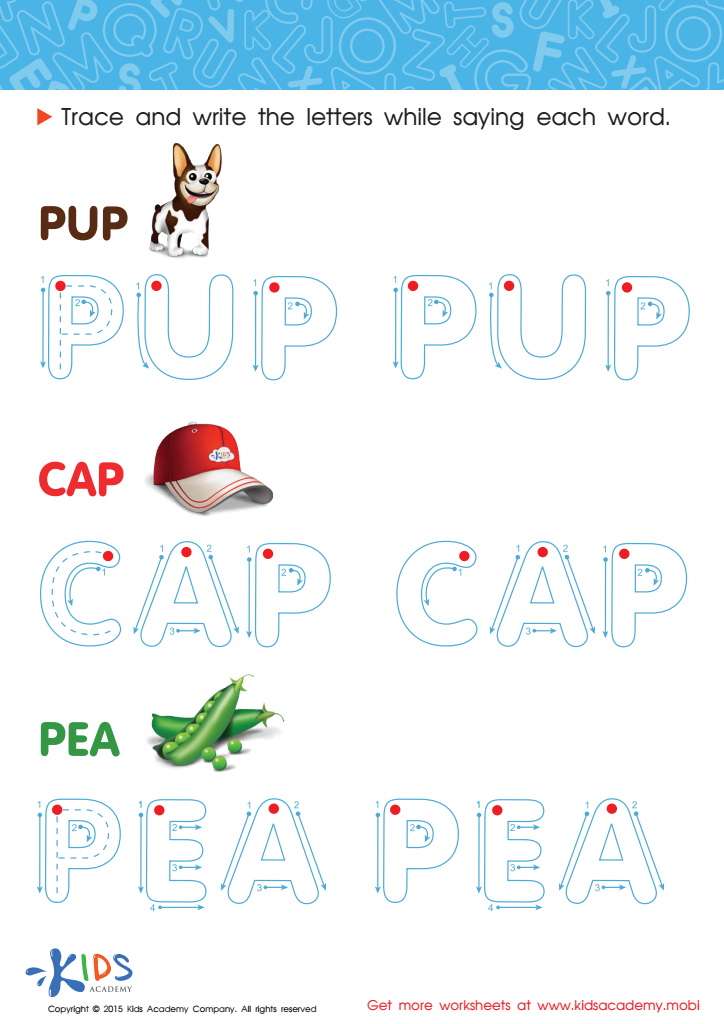
A Pup, a Cap and a Pea Spelling Worksheet
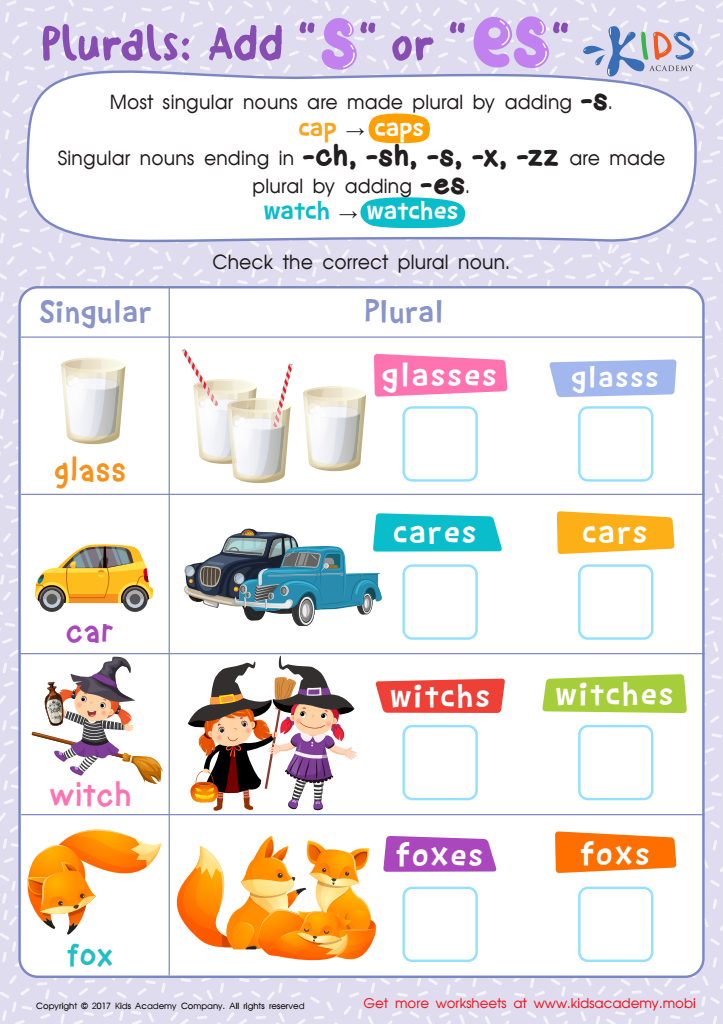
Plurals: "–es" or "–es"? Worksheet
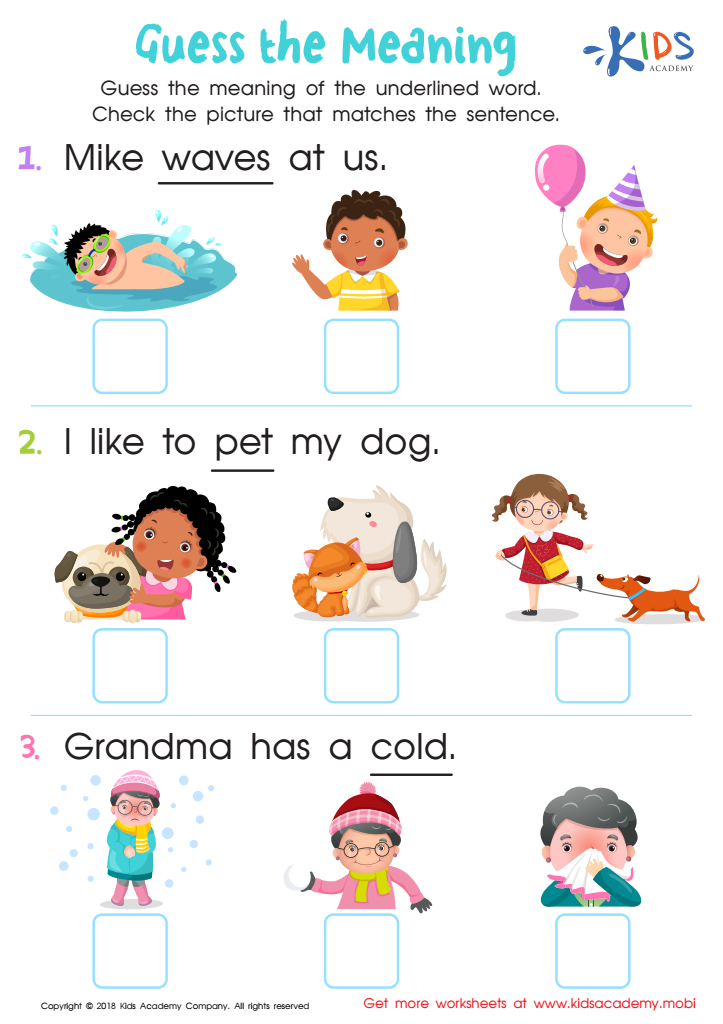
Guess the Meaning Worksheet
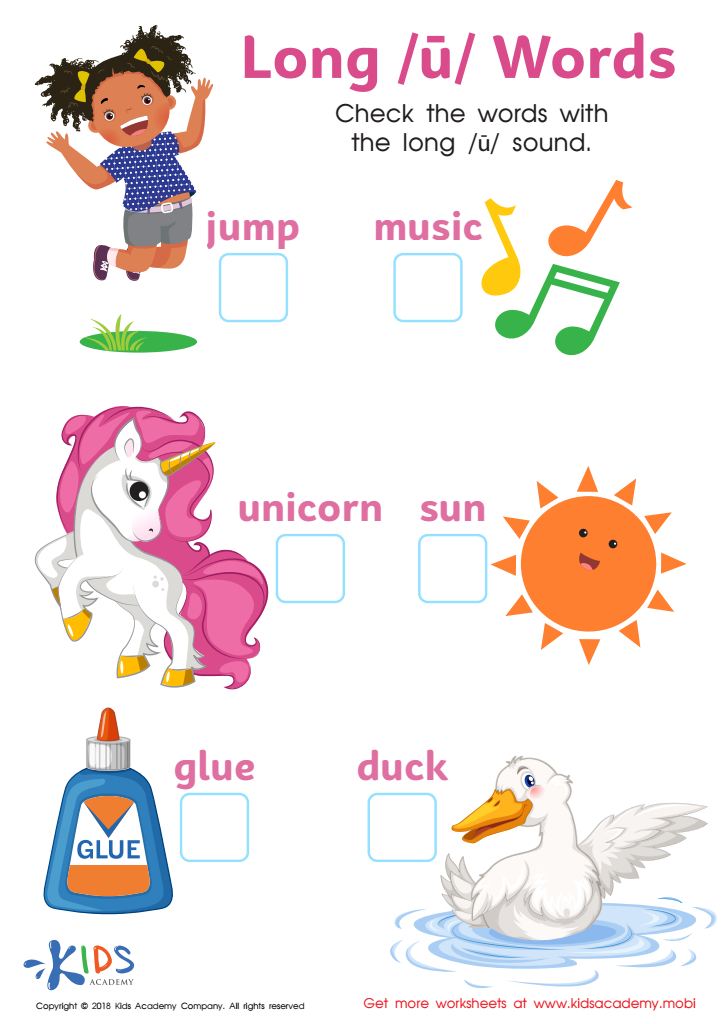
Long U Words Reading Worksheet
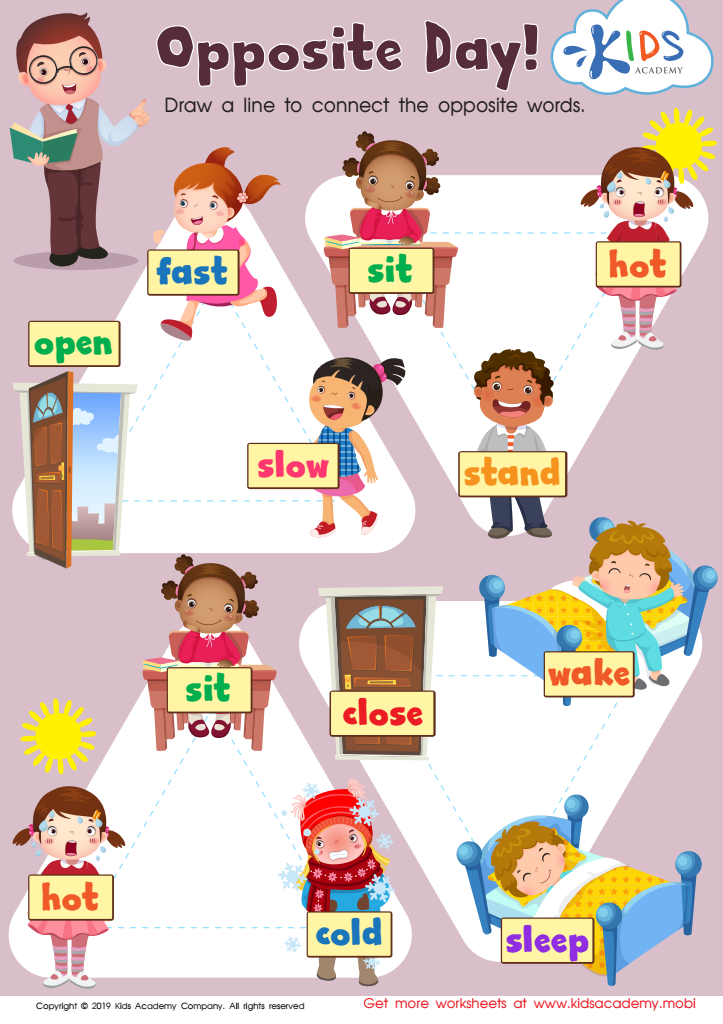
Opposite Day Worksheet
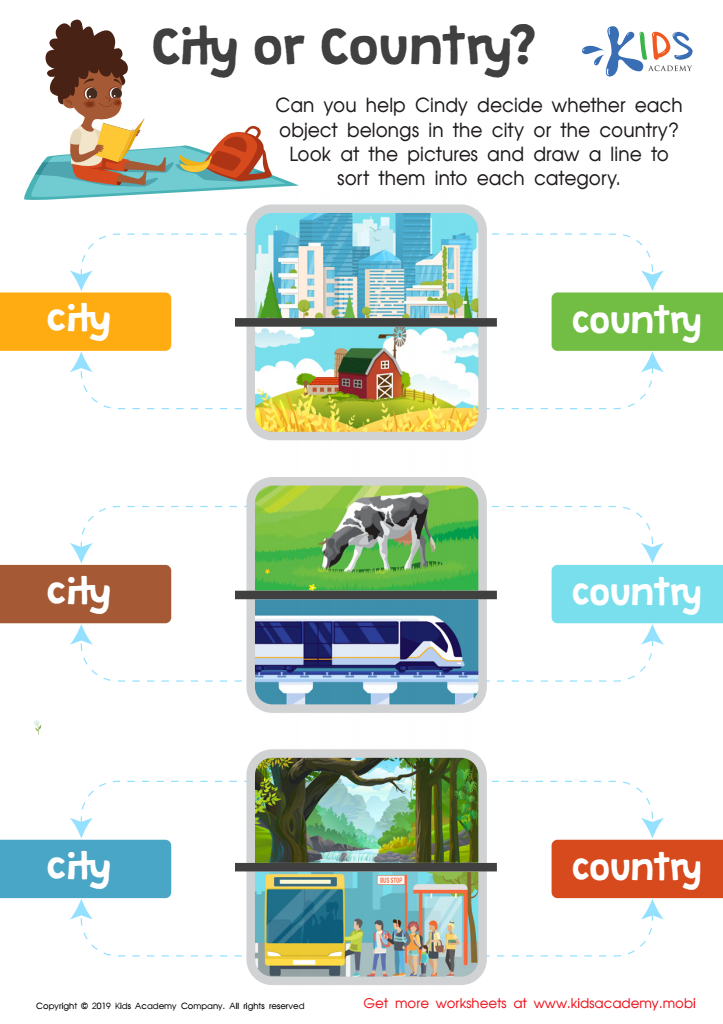
City or Country? Worksheet
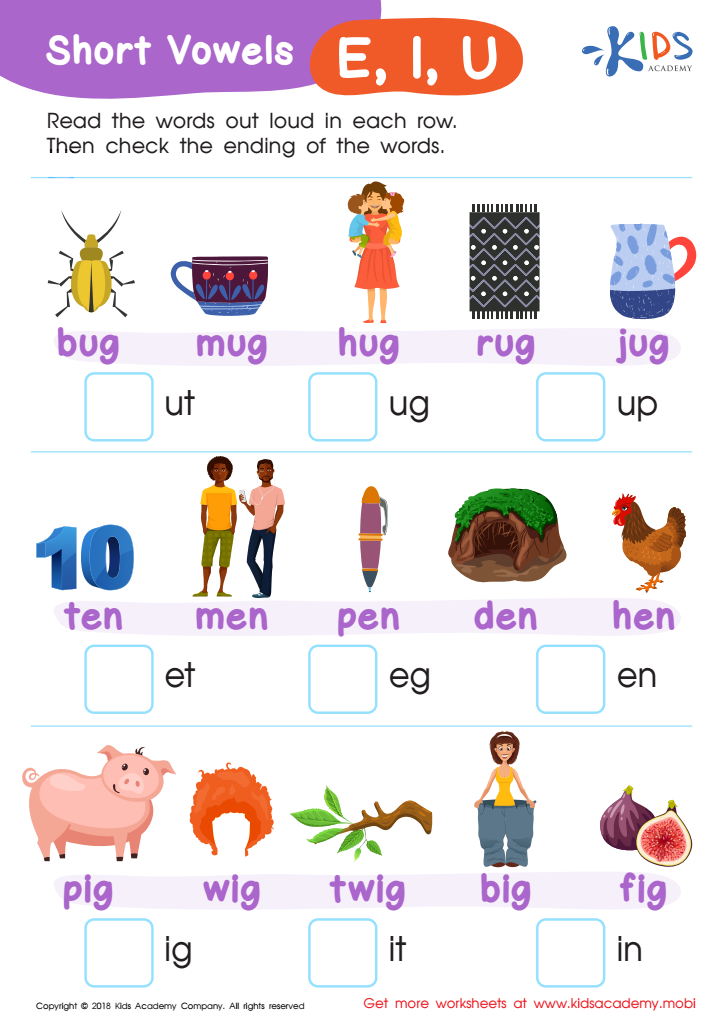
Short Vowels /e/, /i/, and /u/ Worksheet
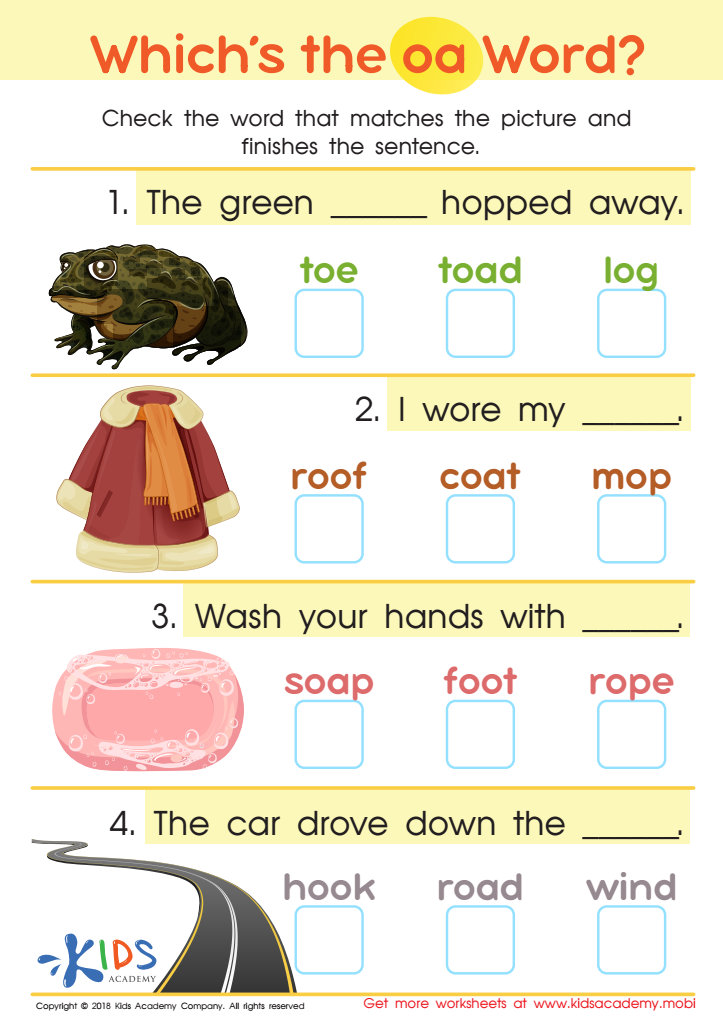
Which's the OA Word? Worksheet
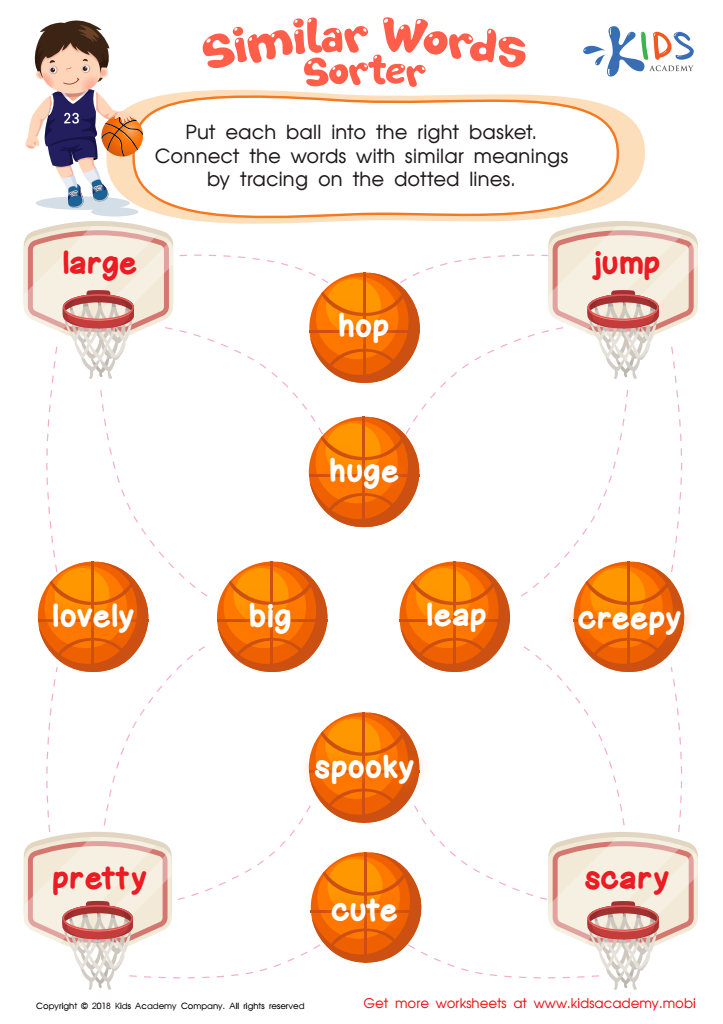
Similar Words Worksheet
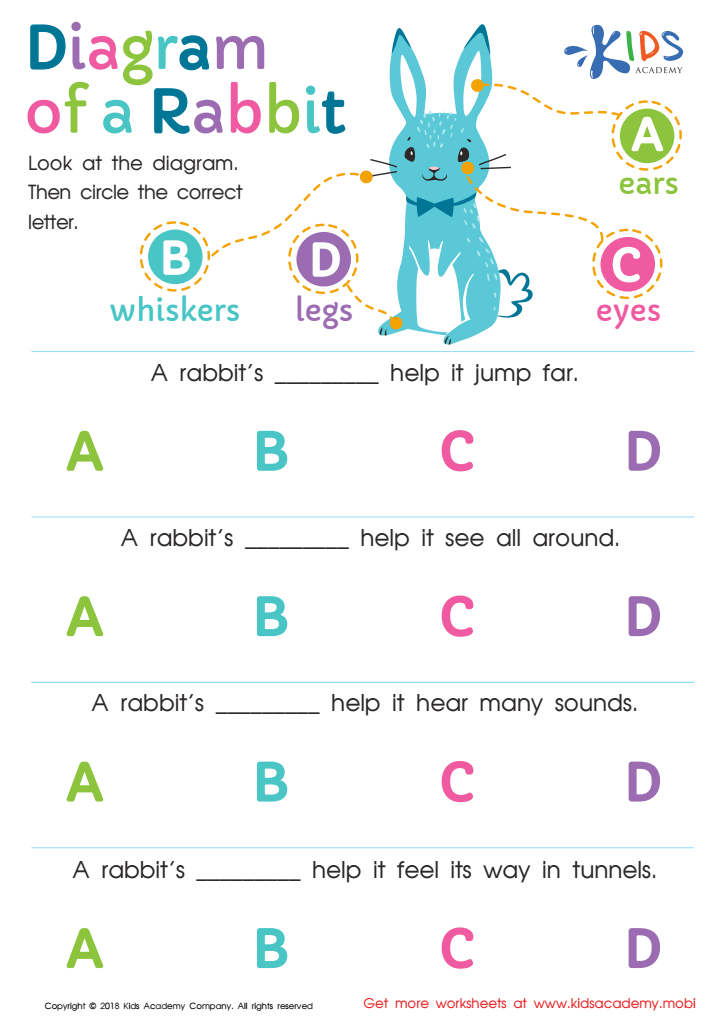
Diagram of a Rabbit Worksheet
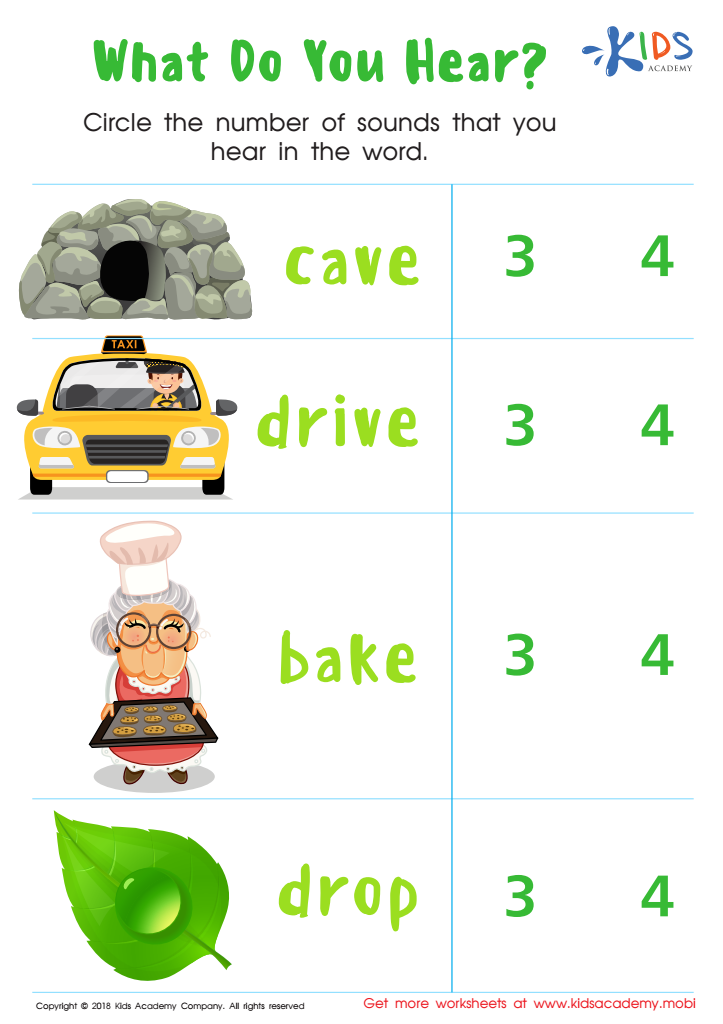
What Do You Hear? Worksheet

Knights Bingo Worksheet
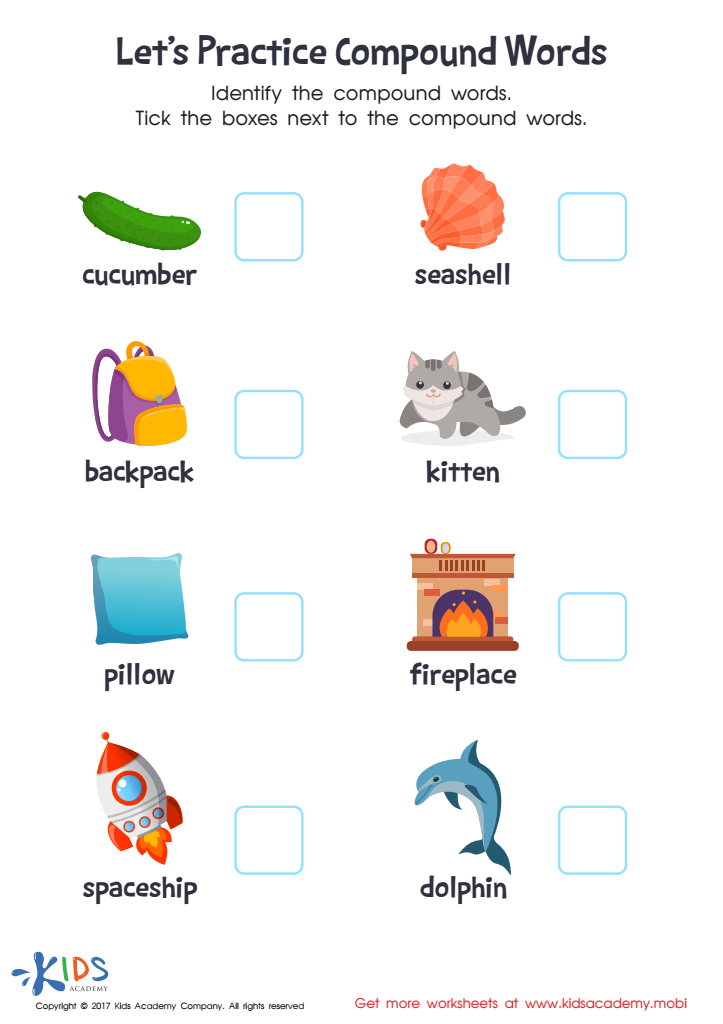
Let's Practice Compound Words Word Structure Worksheet
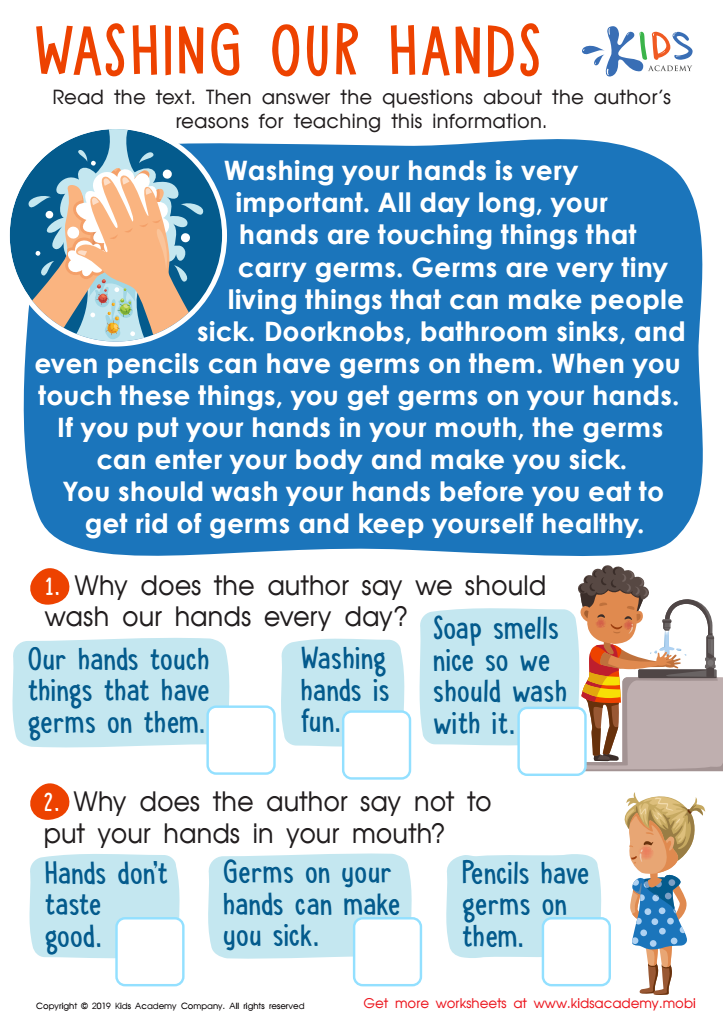
Washing Our Hands Worksheet
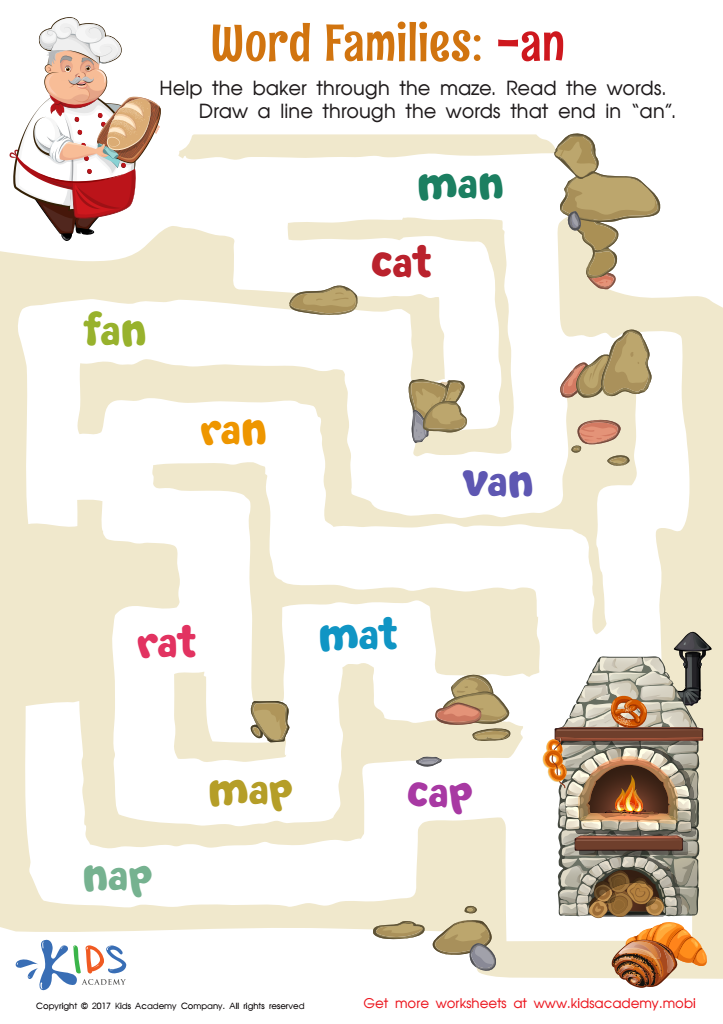
Words Families "an" Spelling Worksheet
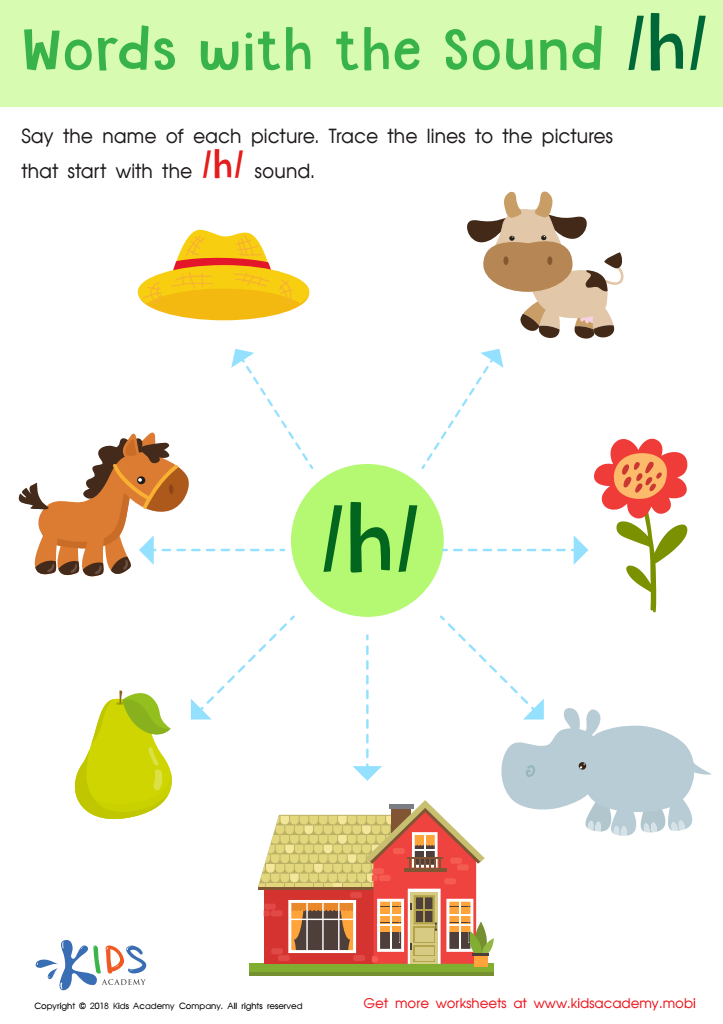
Words with sound h Reading Worksheet
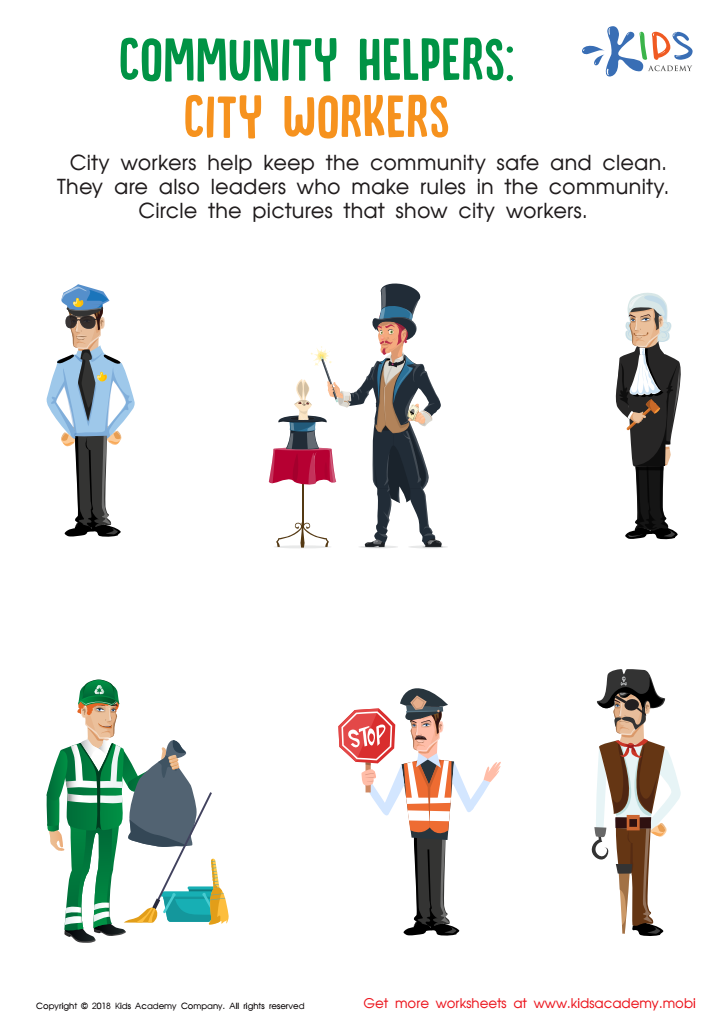
City Workers Community Helpers Worksheet
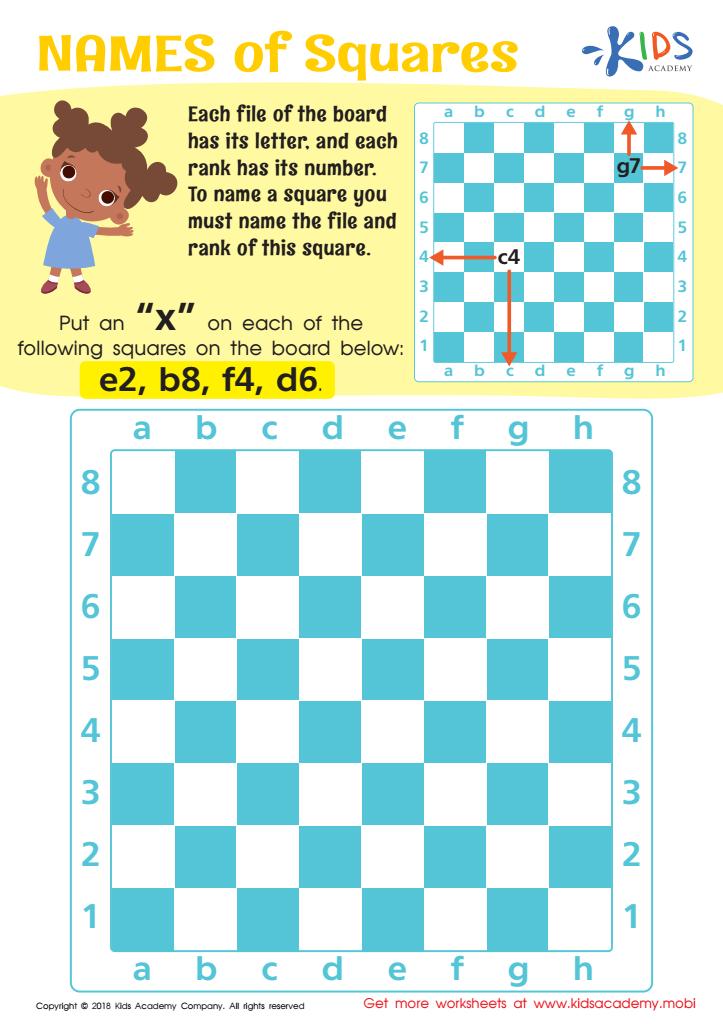
Names of Squares Worksheet
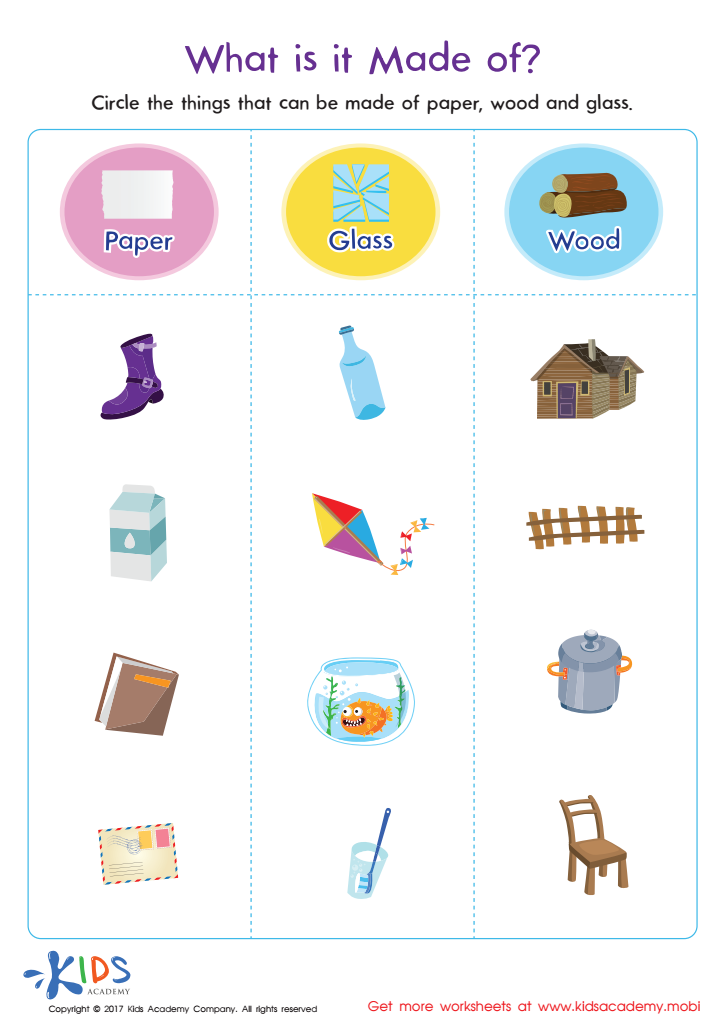
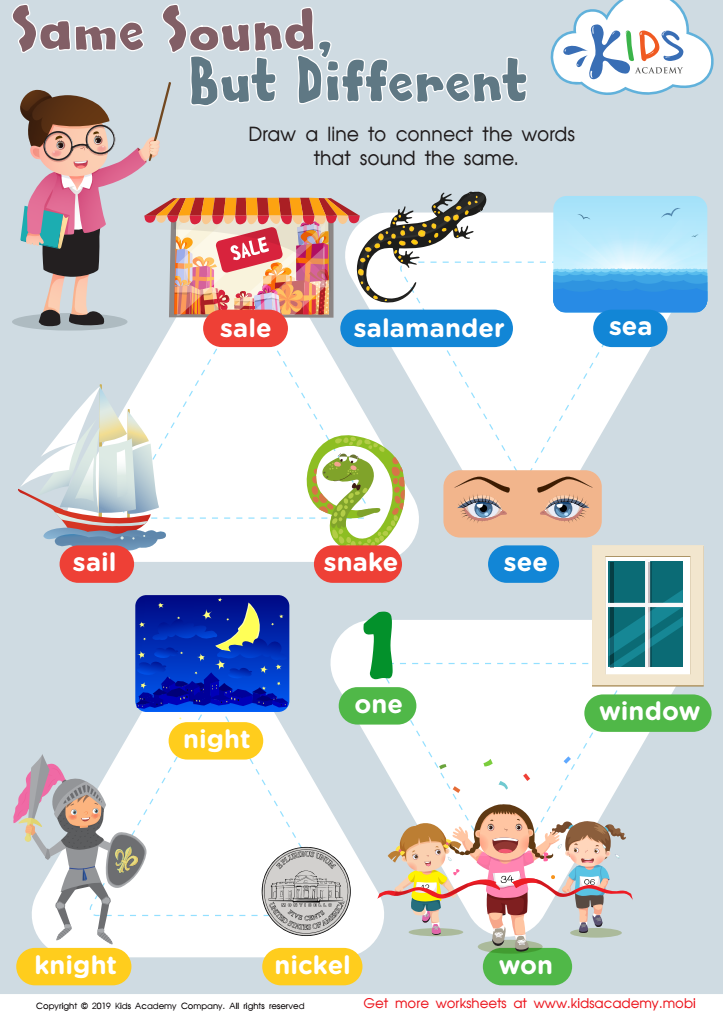
Sound Different Worksheet





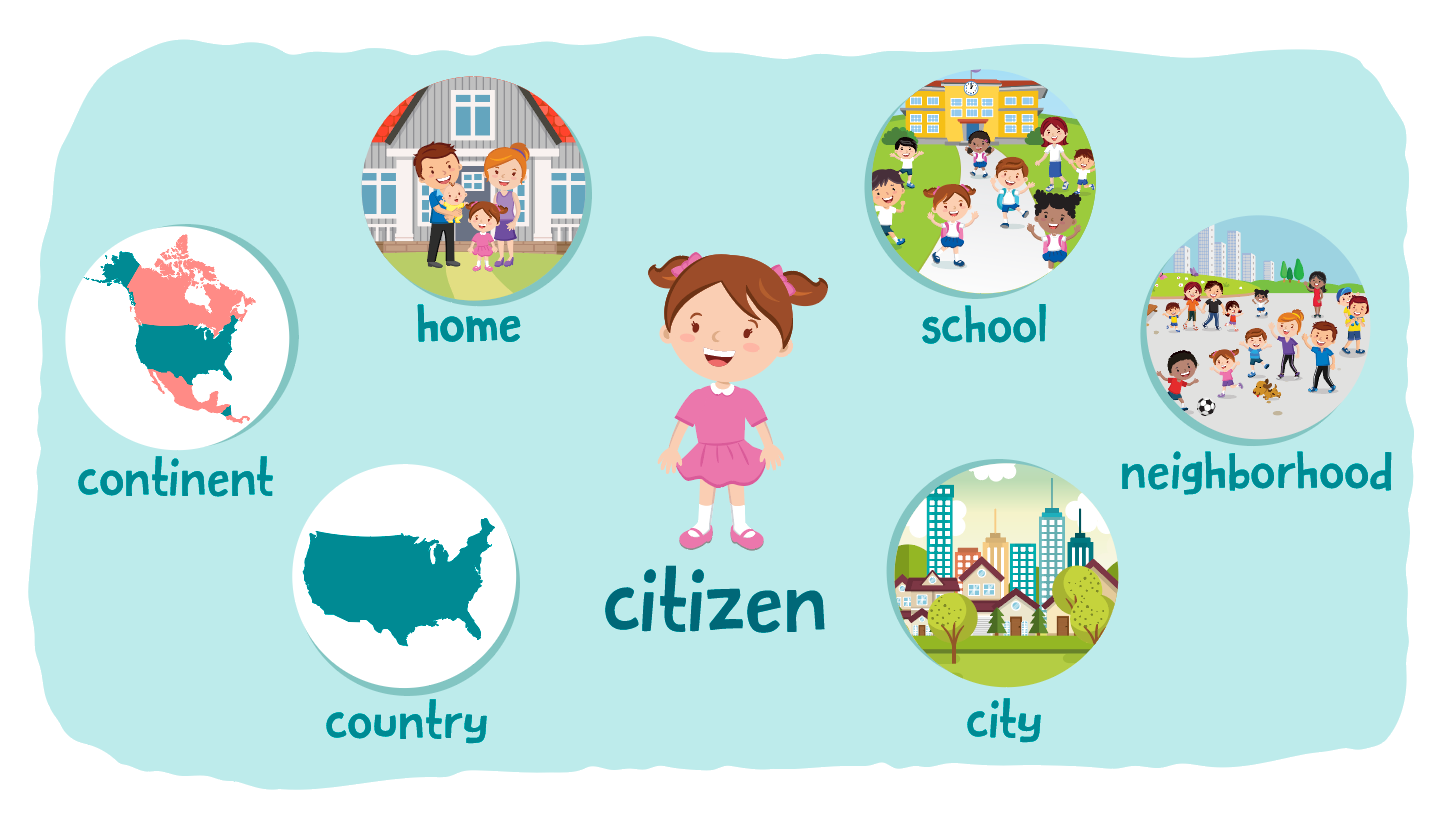


Vocabulary expansion is a crucial aspect of a child’s development for ages 4-6, and both parents and teachers should prioritize it for several compelling reasons. At this stage, children’s brains are like sponges, absorbing language and information at an astonishing rate. A rich vocabulary enhances their ability to communicate effectively, which is fundamental for their social and emotional development.
Firstly, an extensive vocabulary helps children express their thoughts, needs, and emotions more clearly, reducing frustration and behavioral issues that arise from miscommunication. Secondly, vocabulary is directly linked to academic success; children with a broader range of words comprehend reading material better and perform well in literacy-related tasks. This early advantage often leads to a positive attitude towards learning, laying the groundwork for future educational attainment.
Moreover, vocabulary expansion fosters critical thinking and cognitive development. As children learn new words, they also learn to categorize objects, understand relationships, and grasp abstract concepts, thereby enhancing their problem-solving skills. Parents and teachers act as pivotal guides; through daily conversations, storytelling, and reading, they can introduce new and diverse words.
In essence, investing in vocabulary development during these years ensures that children have the tools they need for successful communication, learning, and social interaction throughout life. Prioritizing this aspect of early education sets the stage for a well-rounded, confident, and capable individual.








