Logical Reasoning Addition and Subtraction Word Problems Worksheets for Ages 4-6
5 filtered results
-
From - To
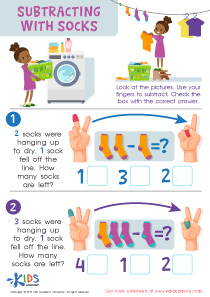
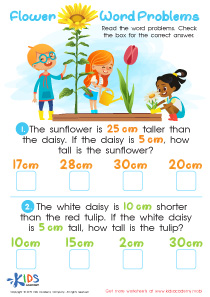
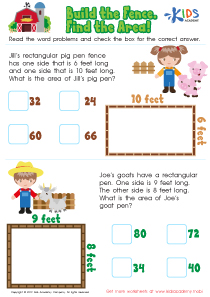
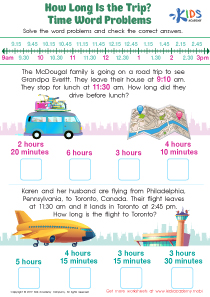
Welcome to our engaging collection of Logical Reasoning Addition and Subtraction Word Problems Worksheets, specifically designed for children ages 4-6! These worksheets provide young learners with a fun and interactive way to enhance their math skills through real-life scenarios. By solving age-appropriate word problems, kids will not only practice addition and subtraction but also develop critical thinking and reasoning abilities. Each worksheet encourages them to analyze, apply logic, and enhance their problem-solving skills in context. Ideal for classroom or home use, these engaging activities lay a strong foundation for a lifelong love of math. Start exploring today!
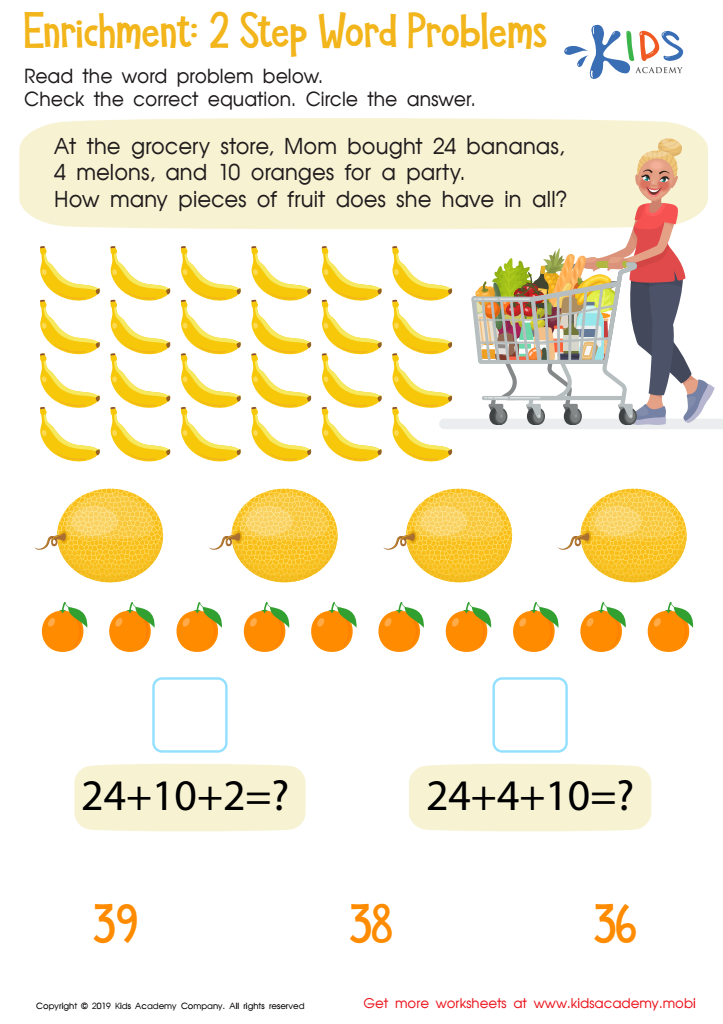
Enrichment -2 Step Word Problems Worksheet
 Assign to My Students
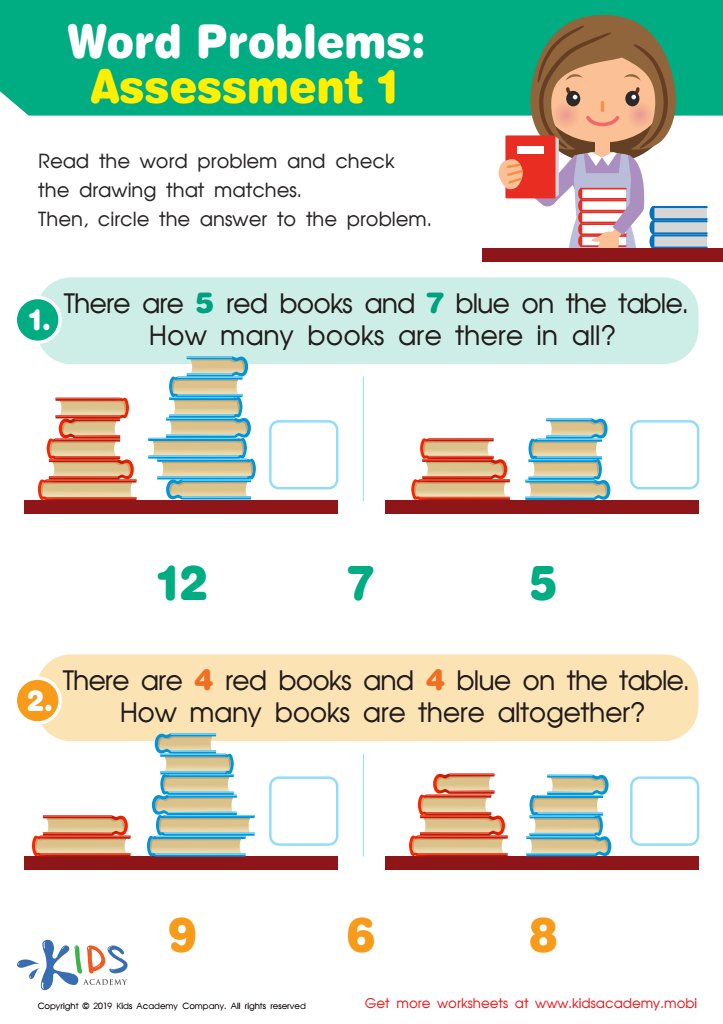
Word Problems: Assessment 1 Worksheet
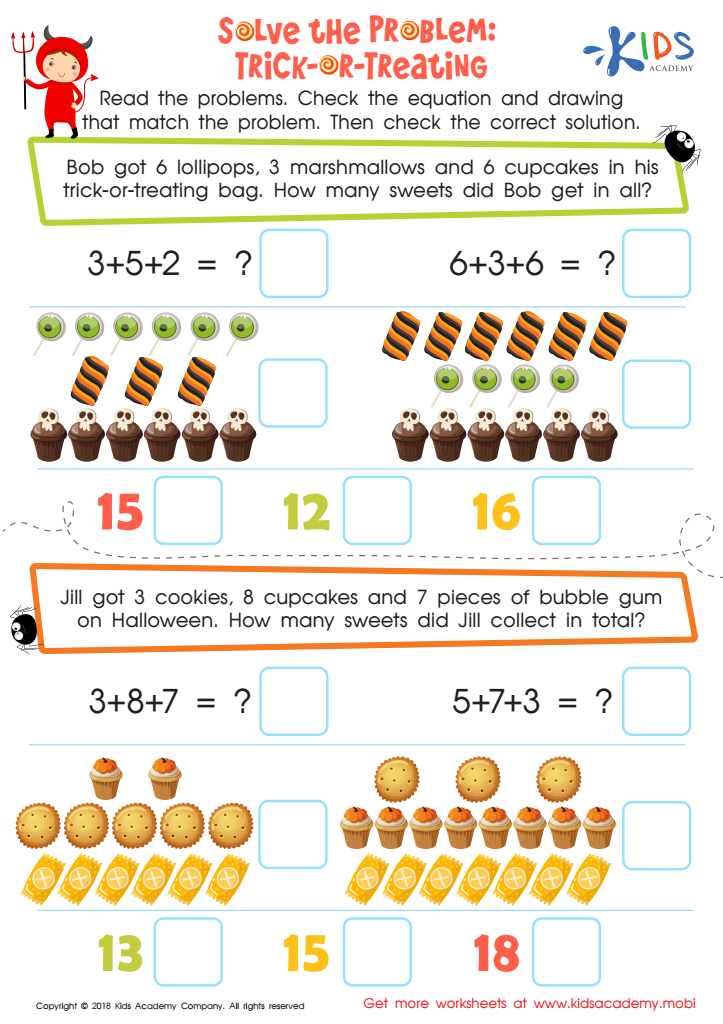
Solve the Problem: Trick–or–treating Worksheet
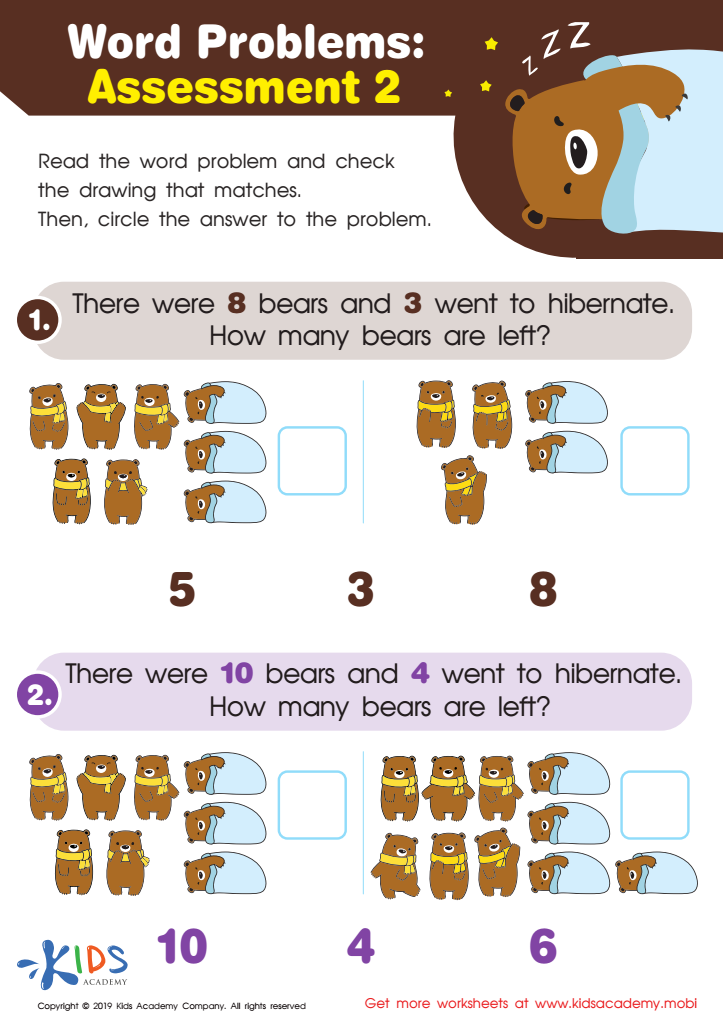
Word Problems: Assessment 2 Worksheet
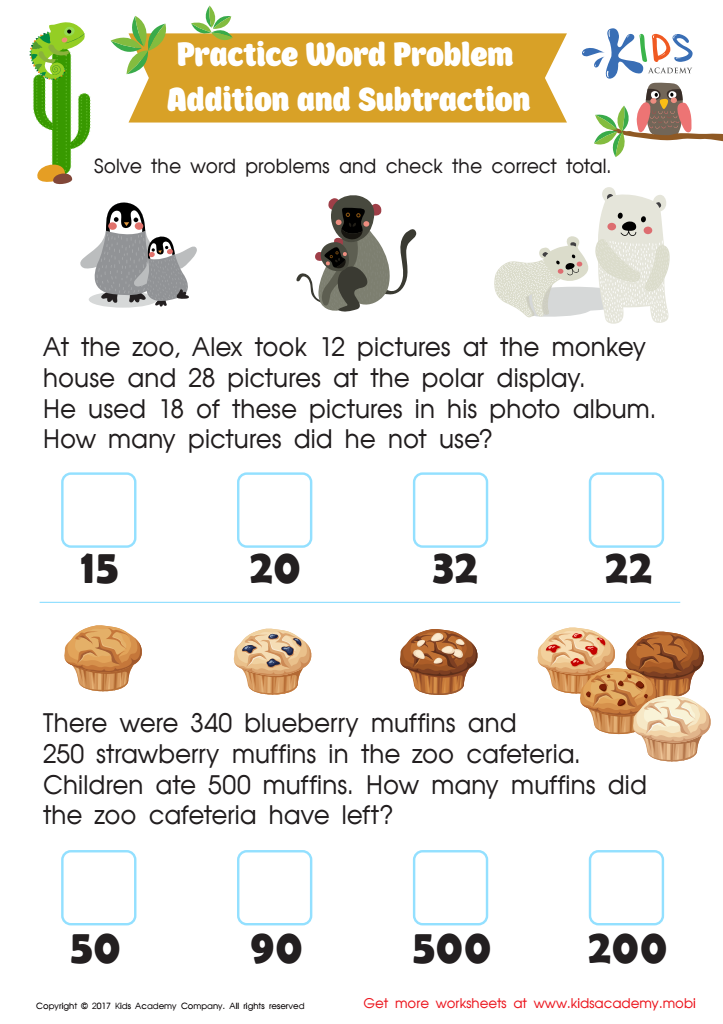
Addition and Subtraction: Word Problems Worksheet








Parents and teachers should recognize the importance of logical reasoning, specifically through addition and subtraction word problems for children aged 4-6, as it lays a foundational skill set for mathematics and critical thinking. Engaging young learners in these activities goes beyond mere computation; it fosters their ability to understand, analyze, and solve problems, skills that are crucial for their overall cognitive development.
Logical reasoning helps children to make connections between numbers and real-life situations, enhancing their understanding of math in a practical context. As they learn to decode word problems, they practice reading comprehension, which is essential for their academic journey. Moreover, tackling these scenarios challenges their minds, encouraging them to think creatively and strategically about problem-solving.
Additionally, early exposure to logical reasoning through word problems encourages persistence and resilience, as children learn to navigate through challenges. It nurtures their confidence in mathematics, setting a positive attitude towards this subject as they progress through grades. Ultimately, teaching logical reasoning through word problems equips children with essential tools they will use throughout their education and in everyday life, underscoring the importance of incorporating these exercises into their learning experiences.