Basic arithmetic practice Addition & Subtraction Worksheets for Ages 4-6
13 filtered results
-
From - To
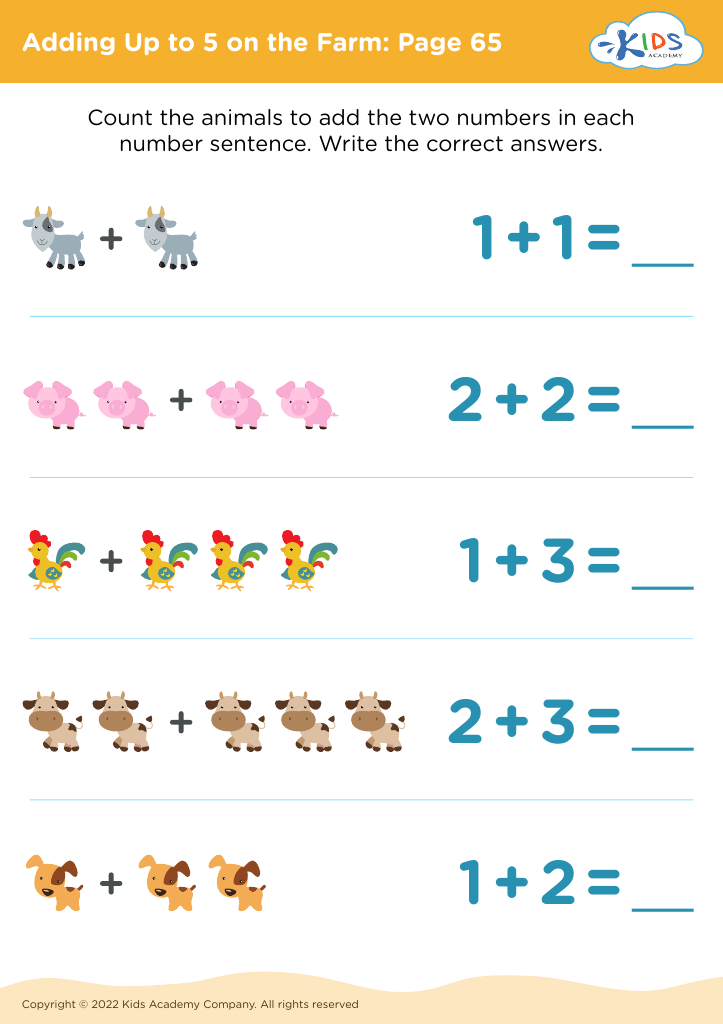
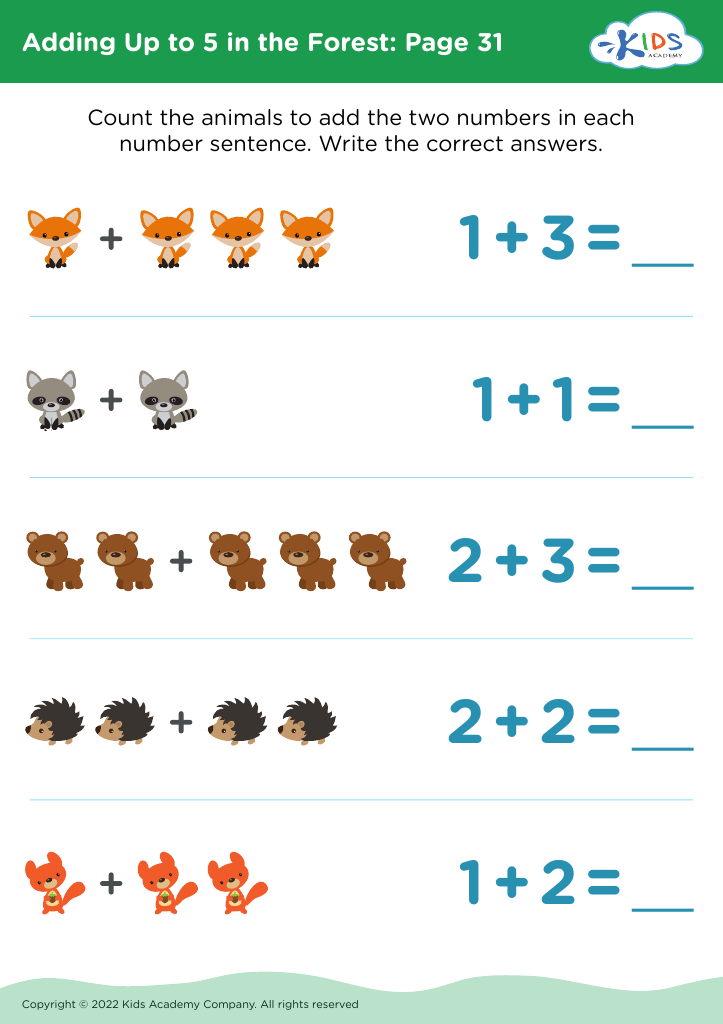
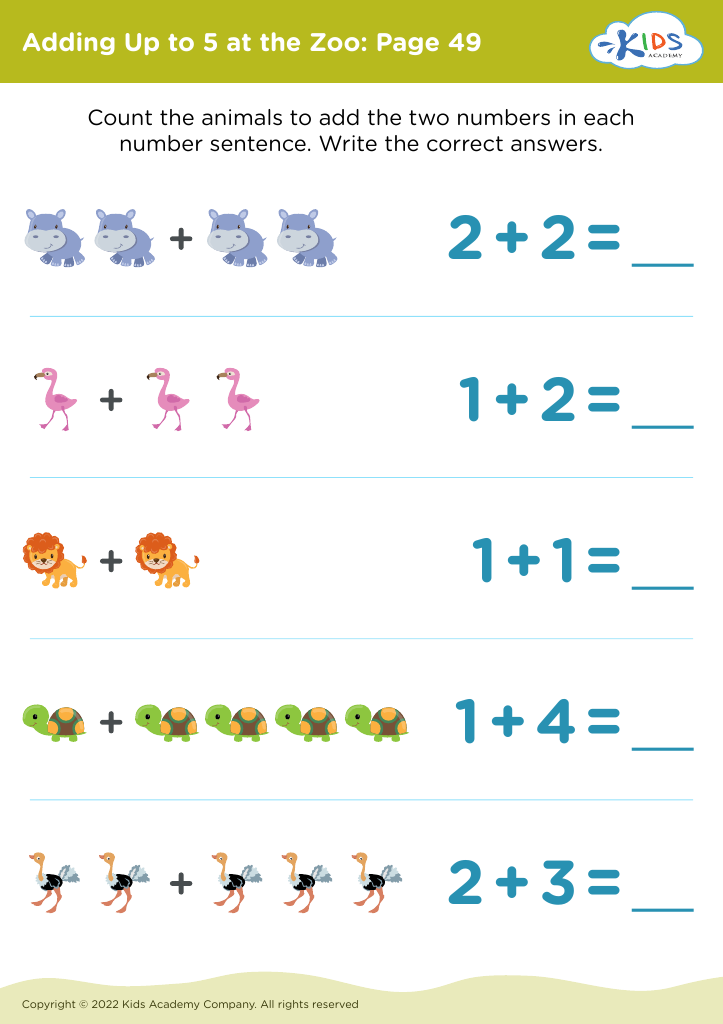
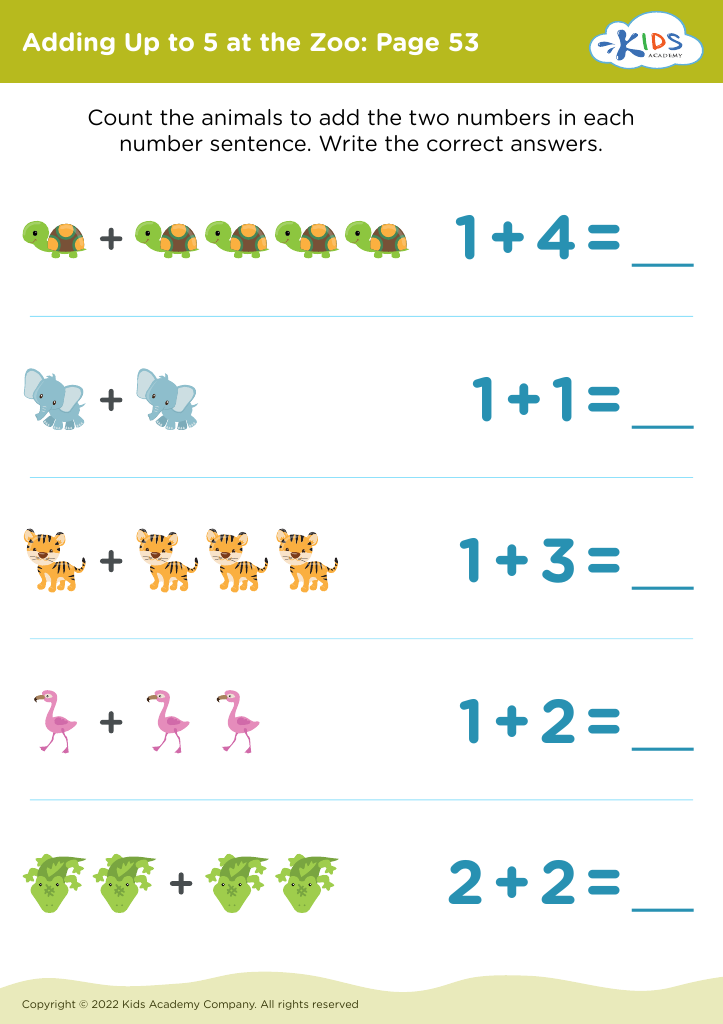
Welcome to our Basic Arithmetic Practice Worksheets for Ages 4-6! Designed to introduce young learners to the foundational concepts of addition and subtraction, our engaging worksheets are perfect for early math exploration. Featuring colorful visuals and simple problems, these activities make learning fun while helping children build confidence in their math skills. Parents and educators can utilize these resources to support children’s understanding of basic arithmetic operations. Encourage critical thinking and problem-solving abilities in your little ones as they connect numbers and enjoy the thrill of completing each worksheet. Start your child's math journey today with our vibrant and educational materials!
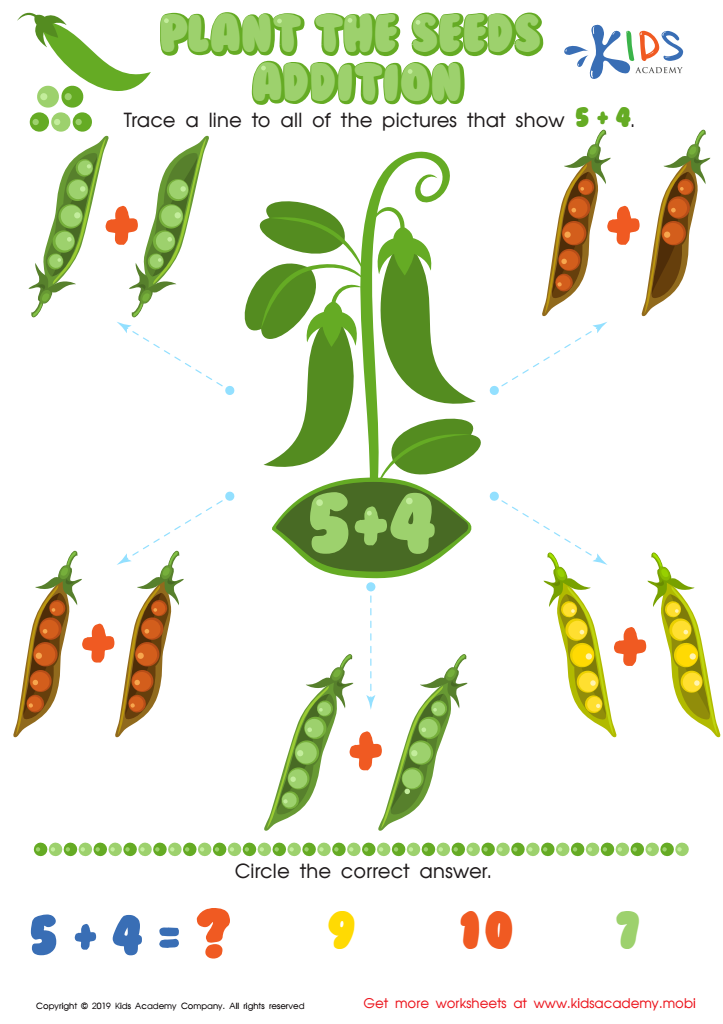
Plant the Seeds Addition Worksheet
 Assign to My Students
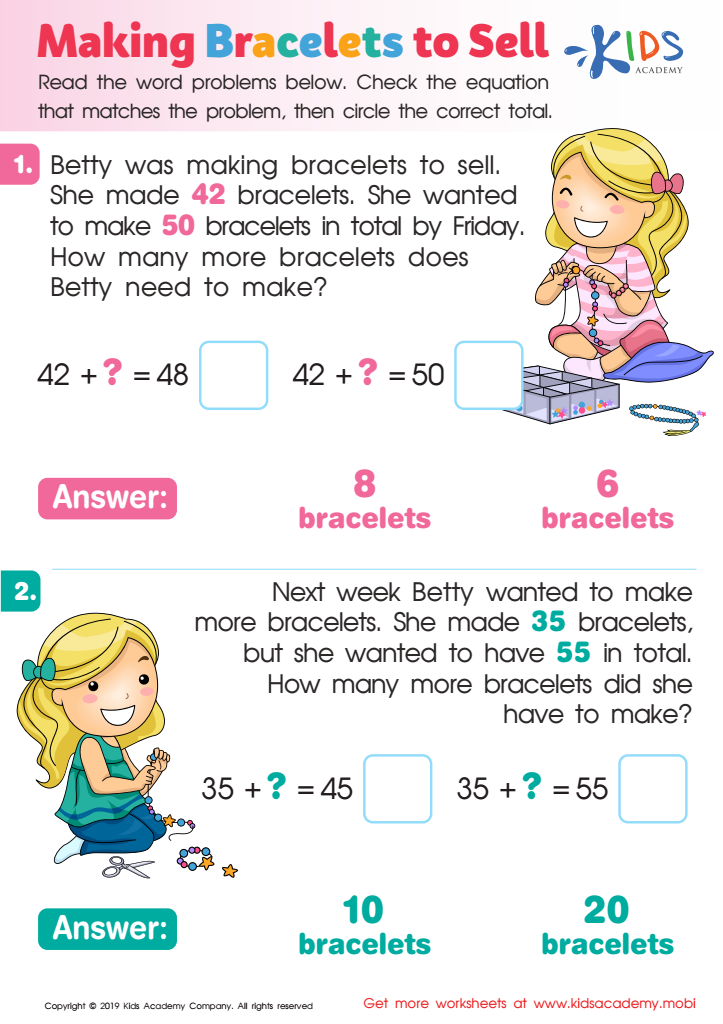
Making Bracelets to Sell Worksheet
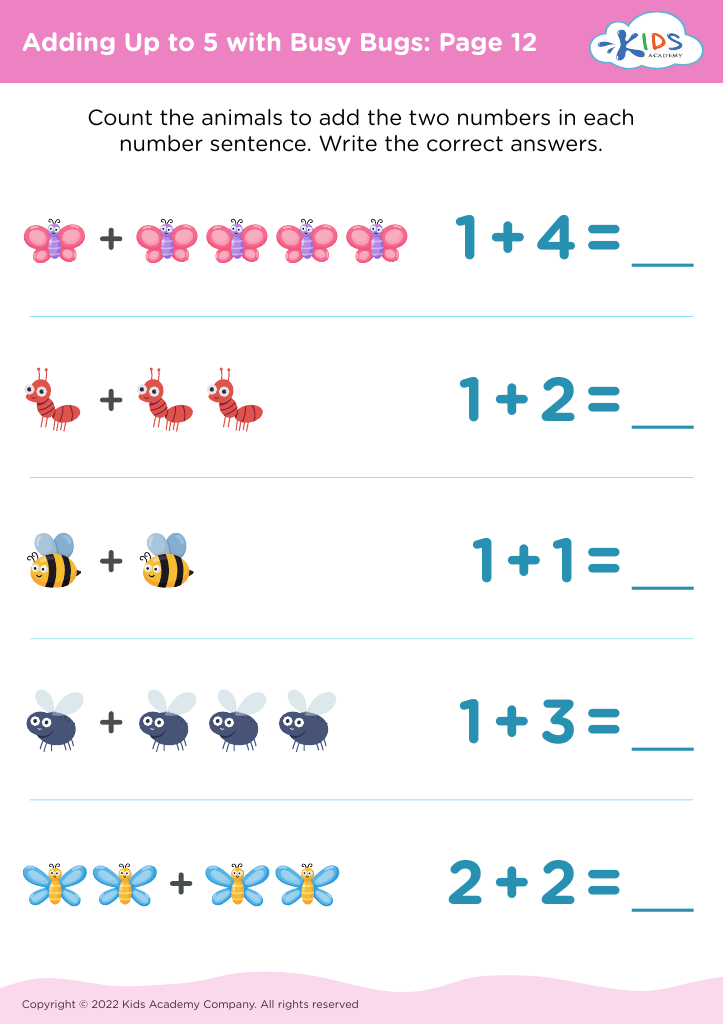
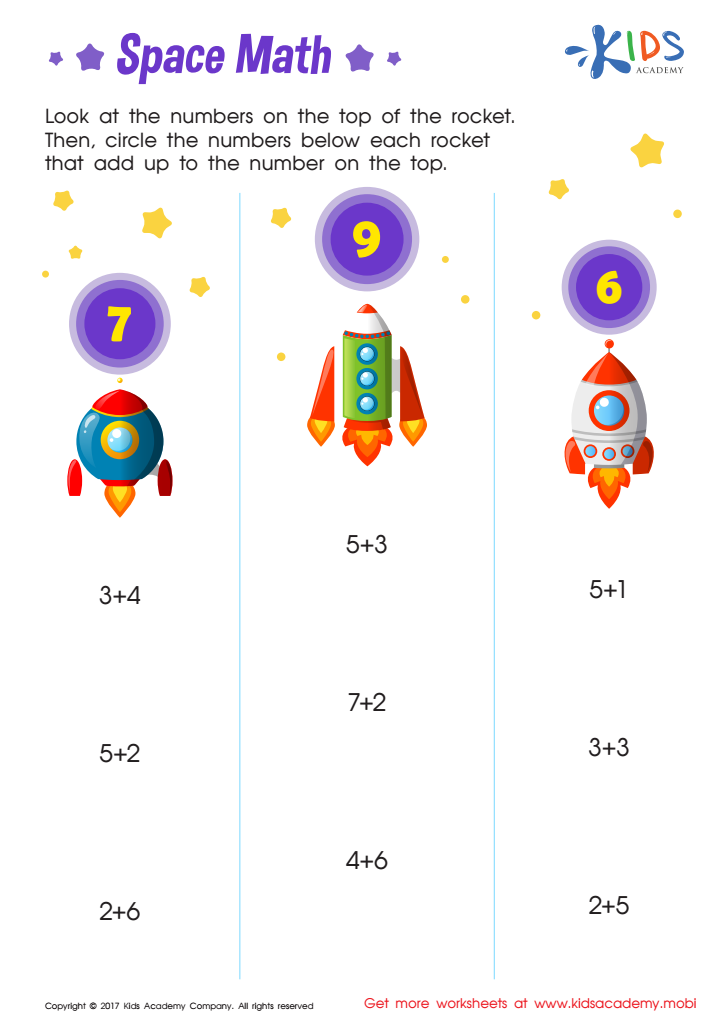
Addition: Space Math Worksheet
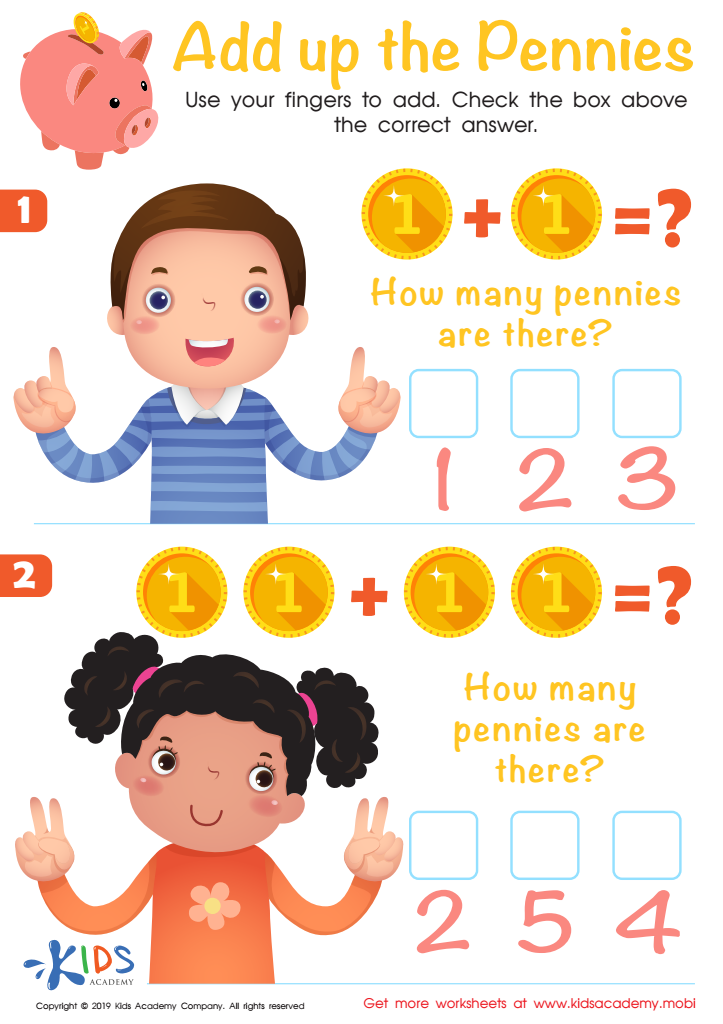
Add up the Pennies Worksheet
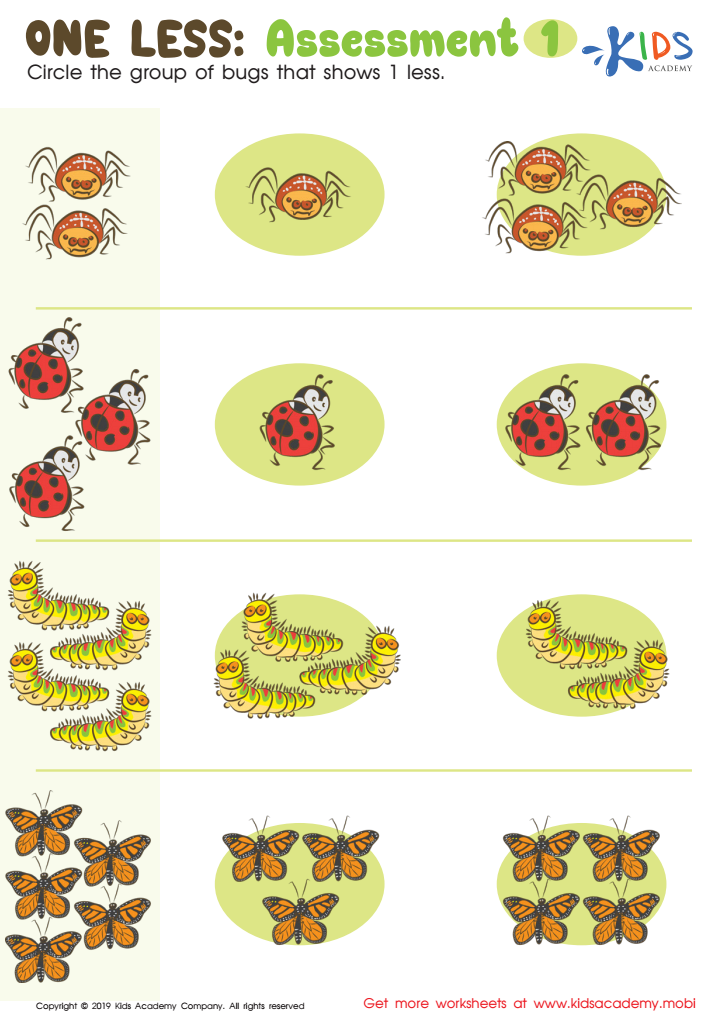
One Less: Assessment 1 Worksheet








Basic arithmetic practice, particularly in addition and subtraction, is essential for children aged 4-6 as it lays the groundwork for their future mathematical understanding. At this age, children are in a critical developmental stage where they begin to grasp foundational concepts that will be pivotal throughout their education. Engaging in addition and subtraction helps enhance their number recognition, counting skills, and problem-solving abilities.
Parents and teachers should care because early proficiency in these skills fosters confidence in learners, making them more enthusiastic about math as they progress to more complex topics. Furthermore, mastering these basic operations nurtures cognitive skills such as logical thinking and reasoning. It also develops fine motor skills through hands-on activities, reinforcing learning through play, which is crucial at this age.
Regular practice can make a significant difference in children's ability to approach math with a positive mindset, reducing anxiety around the subject as they grow. By integrating fun and engaging methods to teach arithmetic, parents and teachers can encourage a lifelong appreciation for math, not only benefiting academic success but also essential life skills such as budgeting, time management, and critical thinking.








