Mathematical reasoning Addition & Subtraction Worksheets for Ages 4-6
20 filtered results
-
From - To
Enhance your child's math skills with our "Mathematical Reasoning Addition & Subtraction Worksheets for Ages 4-6." Specially designed for young learners, these engaging worksheets build a strong foundation in essential arithmetic concepts. Each activity encourages logical thinking, problem-solving, and a thorough understanding of addition and subtraction. Vibrant illustrations and age-appropriate challenges make learning fun and effective for preschoolers and kindergarteners. Ideal for parents and teachers alike, our worksheets prepare children for future math success by fostering confidence and competence in their early mathematical journey. Download now to support your child's path to excellence in math!
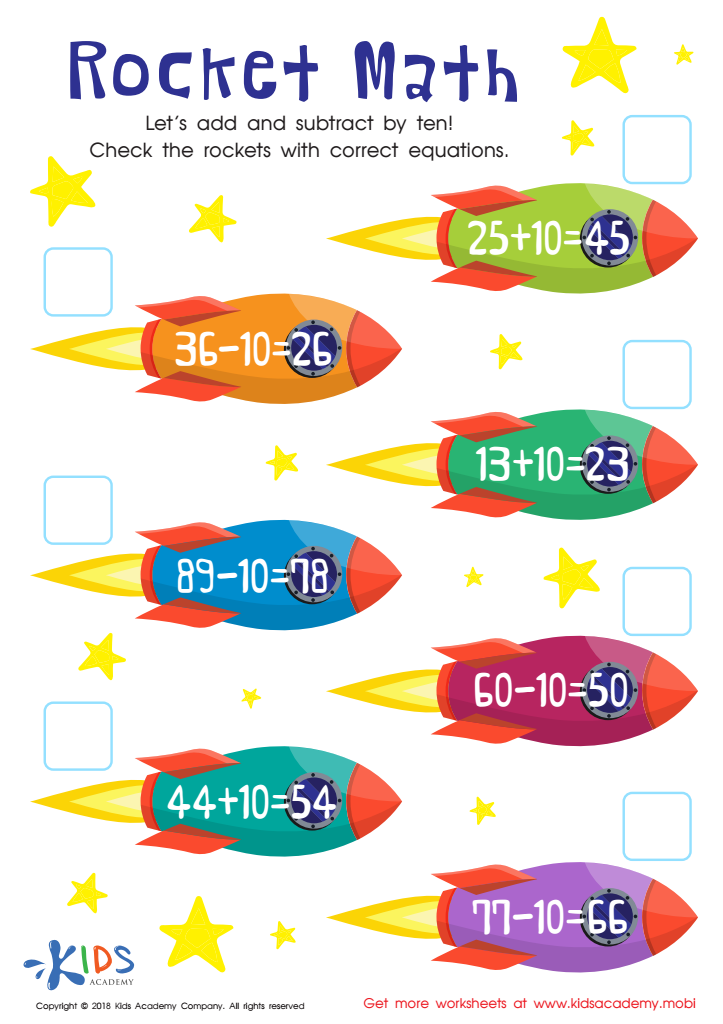
Rocket Math Worksheet
 Assign to My Students
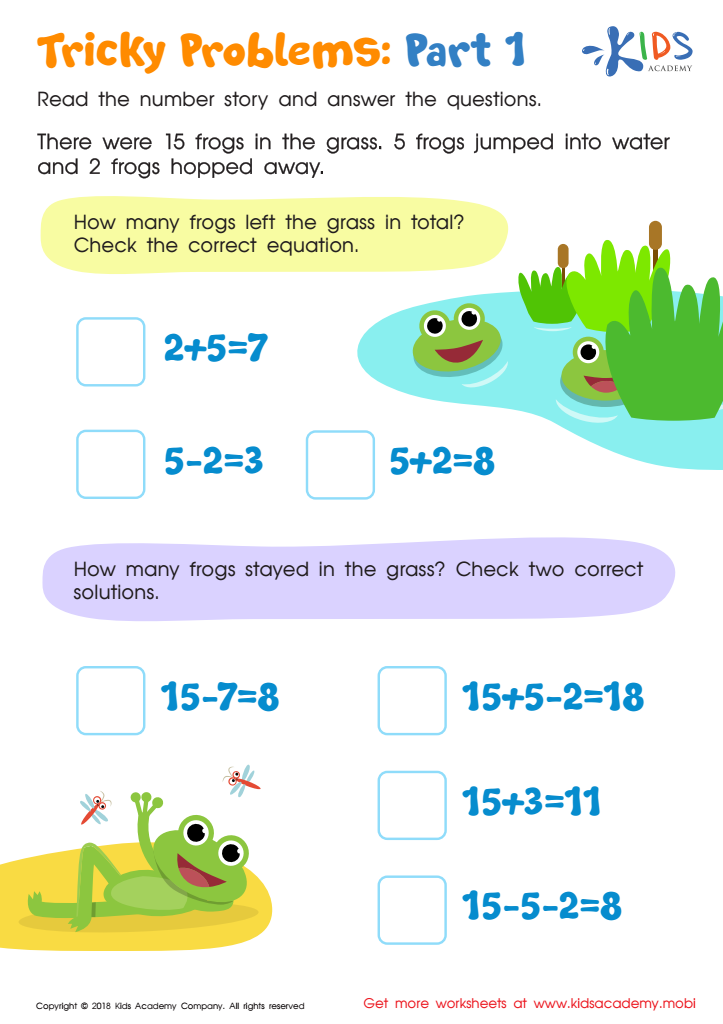
Tricky Problems Worksheet: Part 1
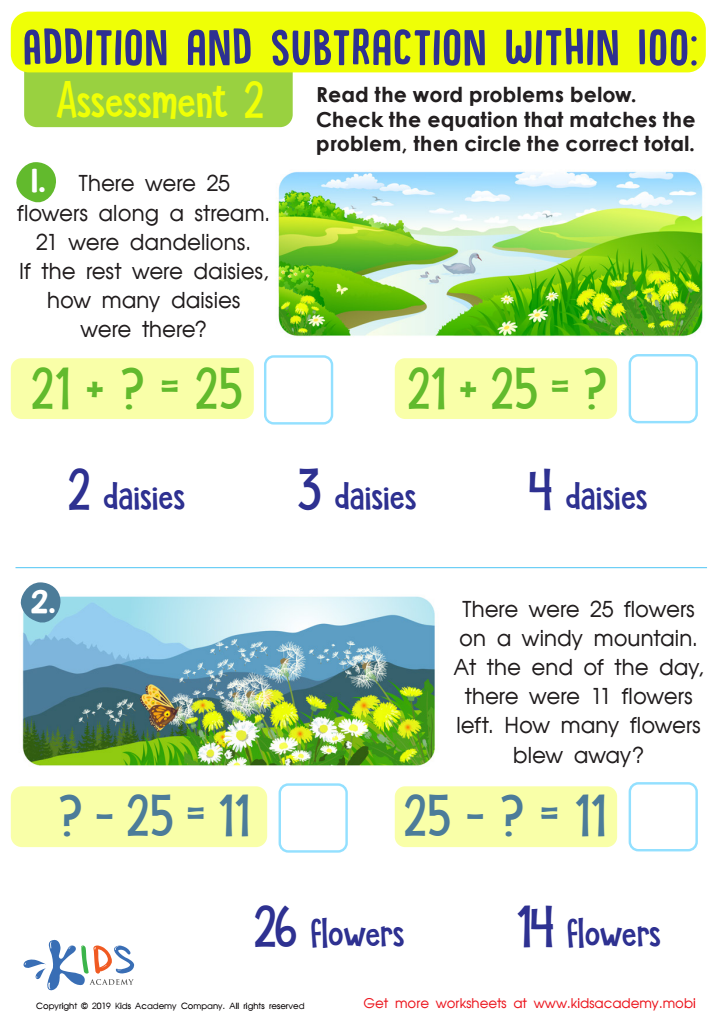
Assessment 2 Math Worksheet
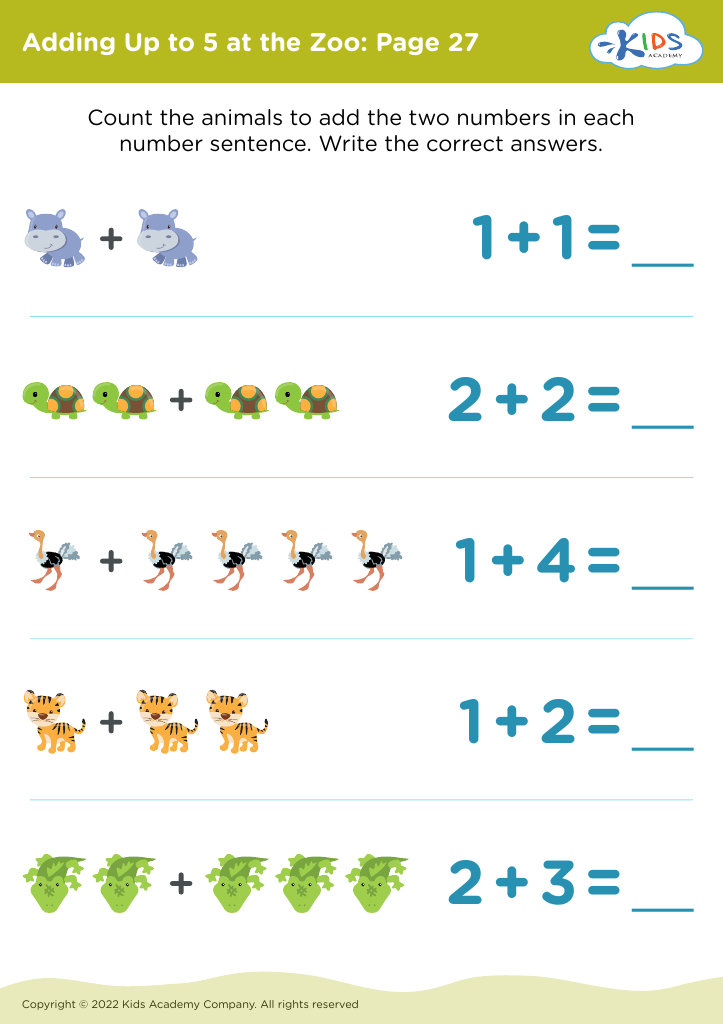
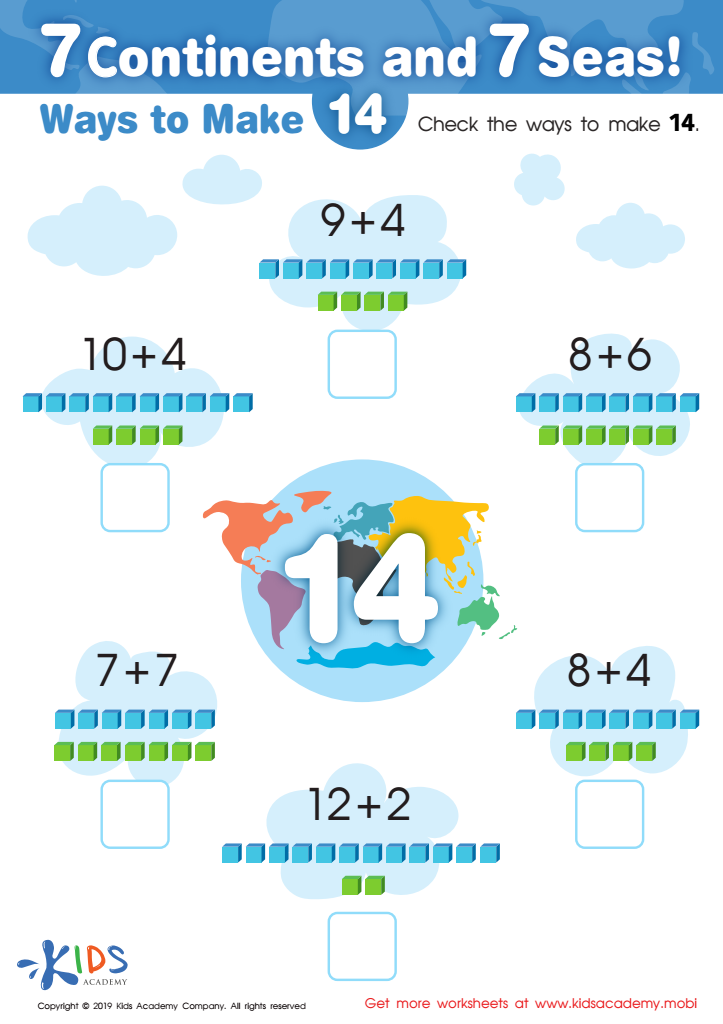
7 Continents and 7 Seas Worksheet
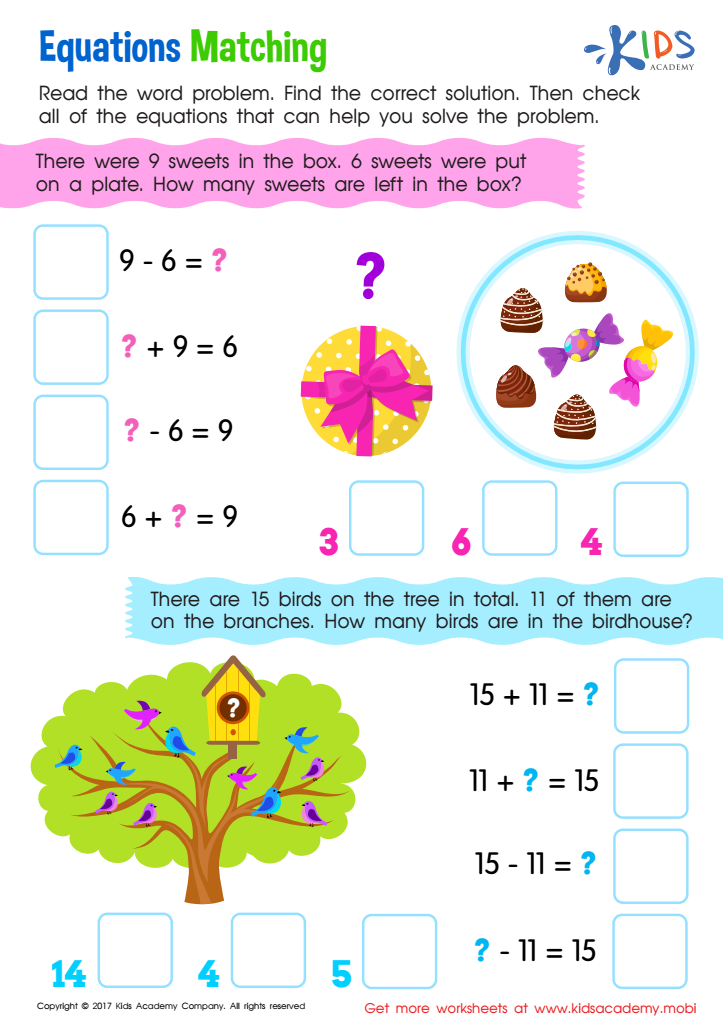
Equations Matching Word Problems Worksheet
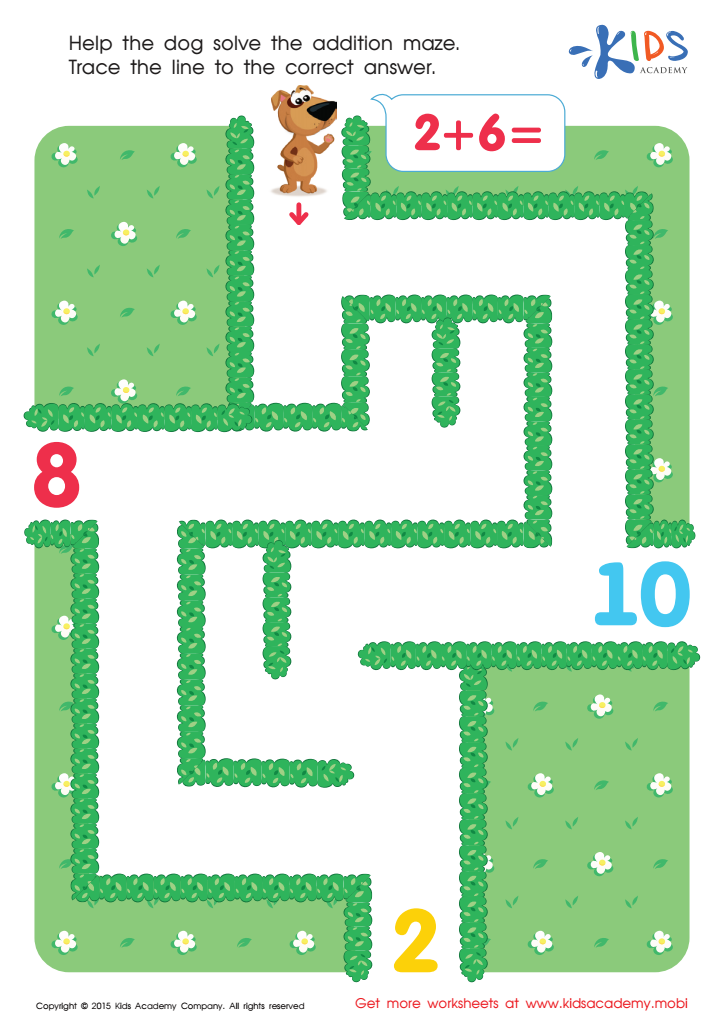
Two Plus Six Addition Worksheet
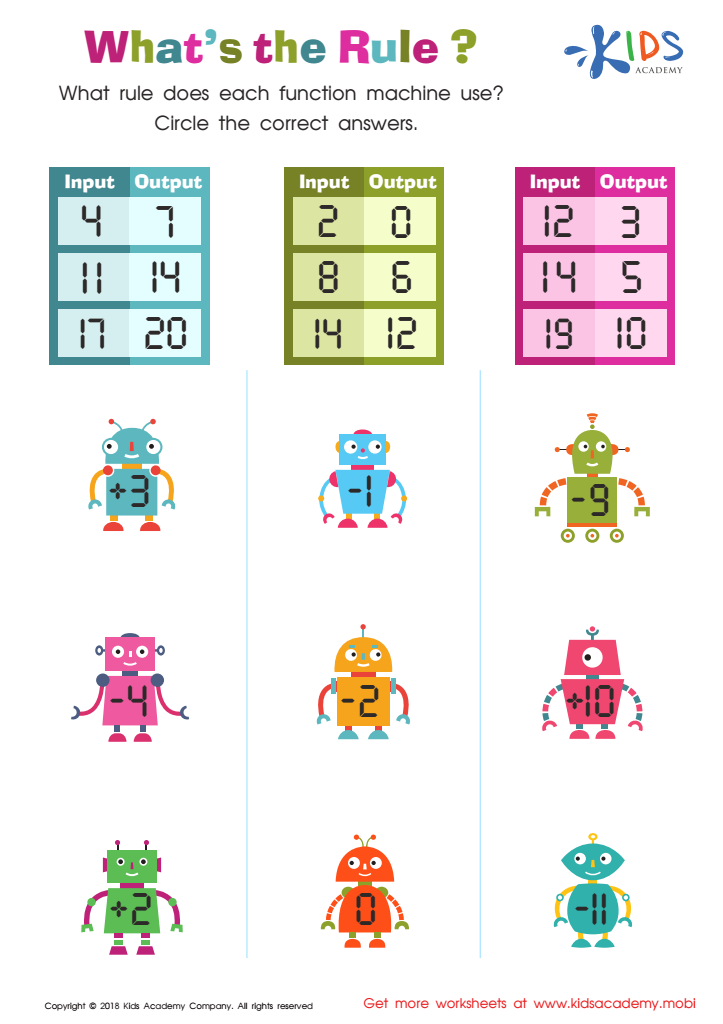
What's the Rule Worksheet
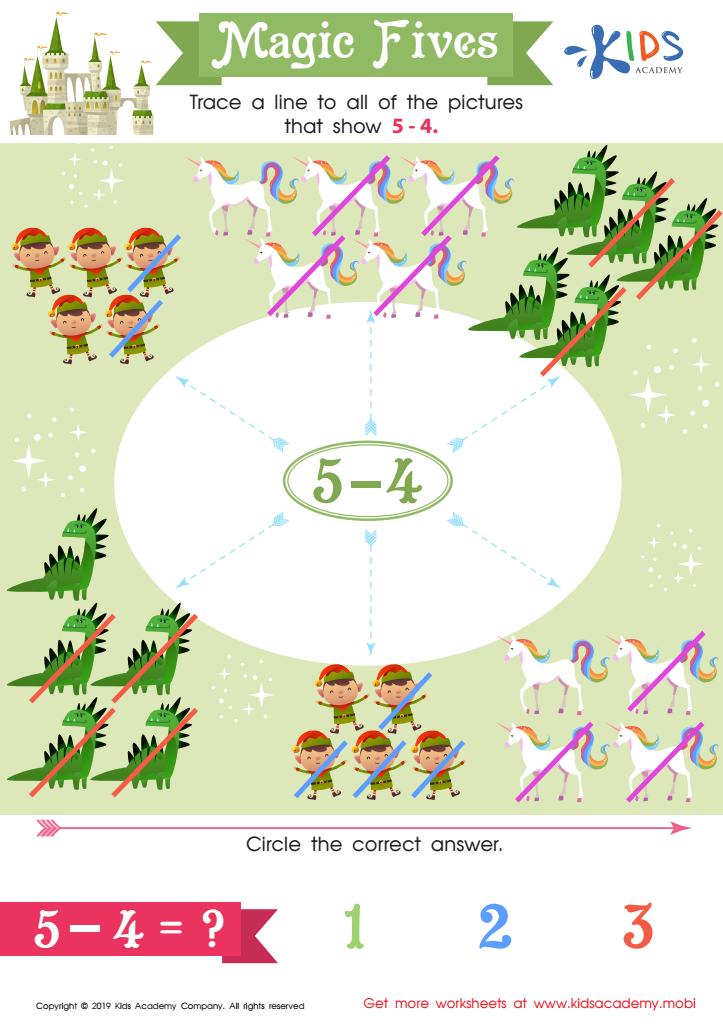
Magic Fives Worksheet
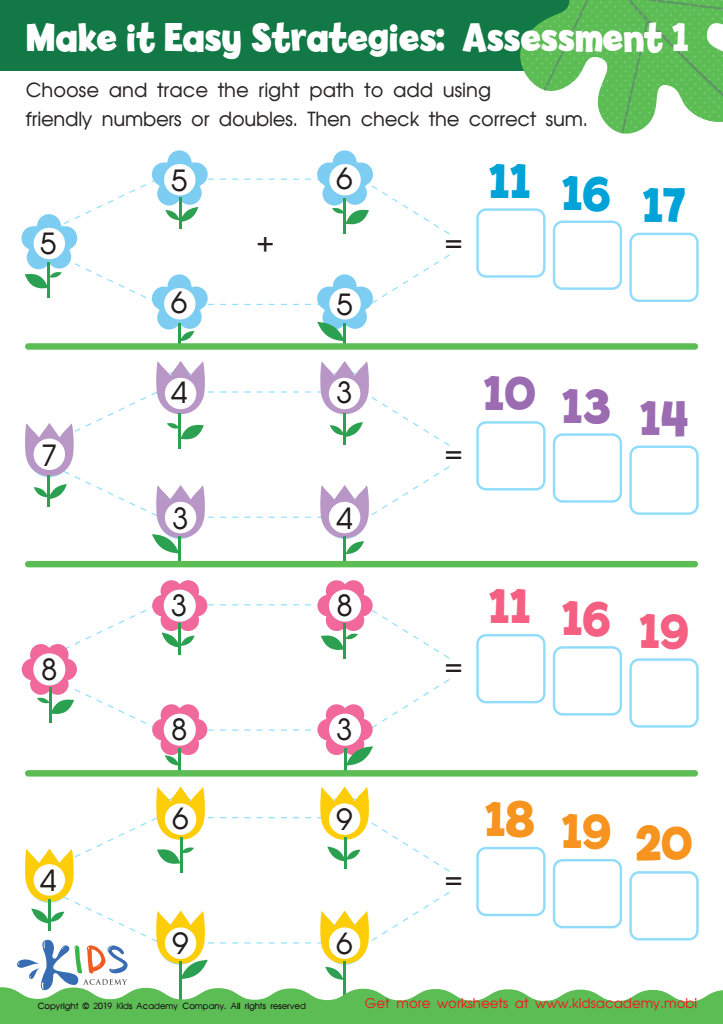
Make it Easy Strategies: Assessment 1 Worksheet
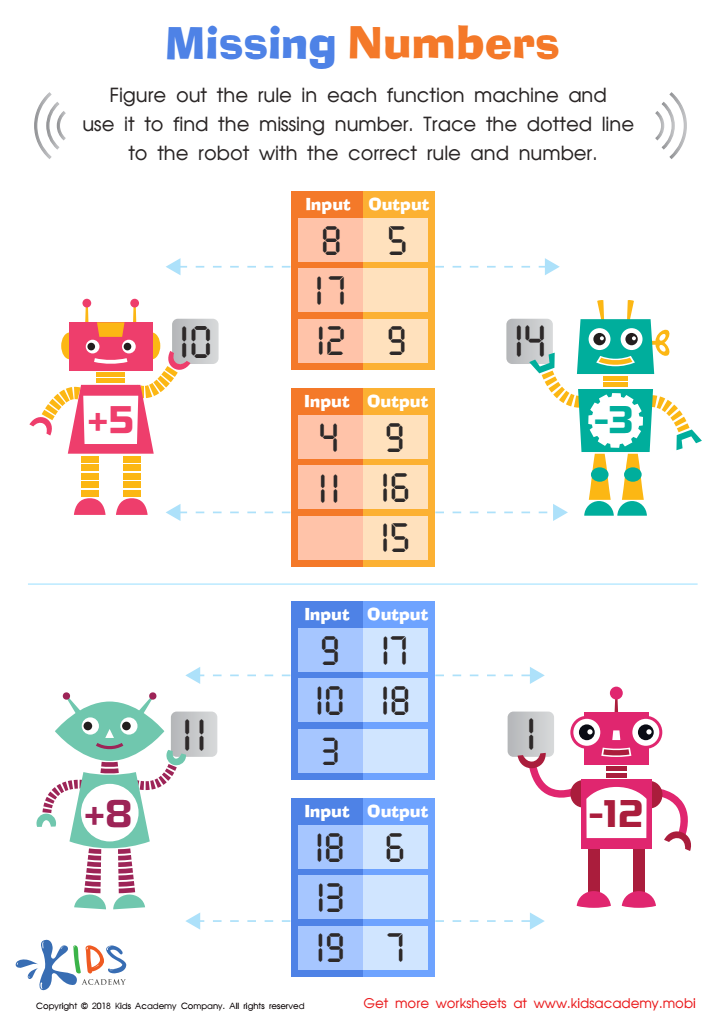
Missing Numbers Worksheet
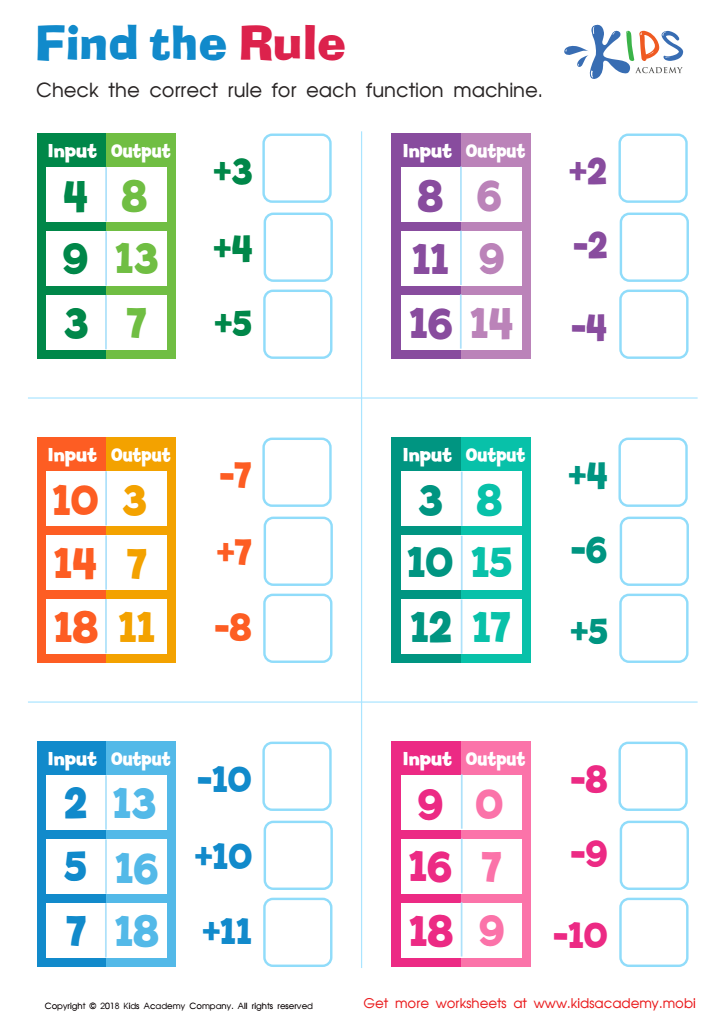
Find the Rule Worksheet
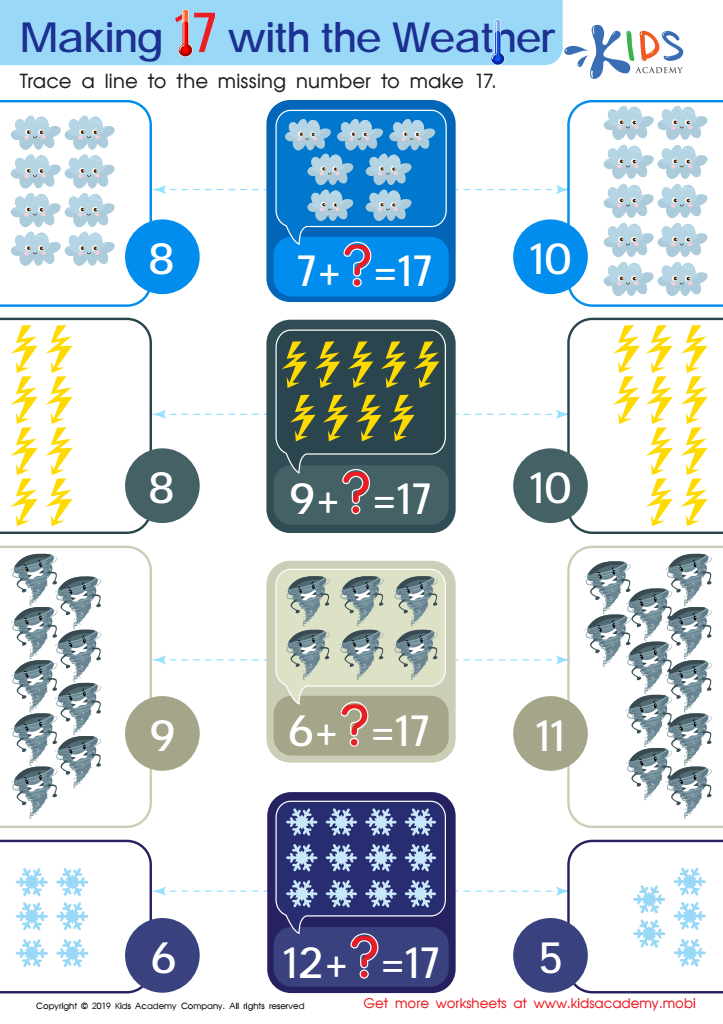
Making 17 with the Weather Worksheet
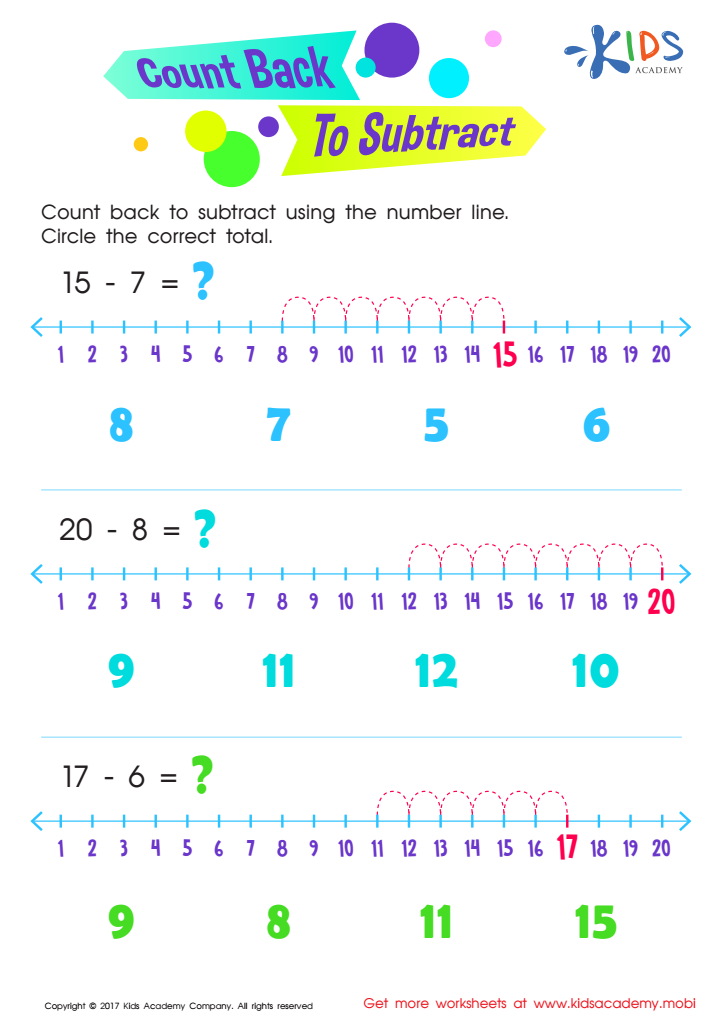
Count Back to Subtract Substraction Worksheet
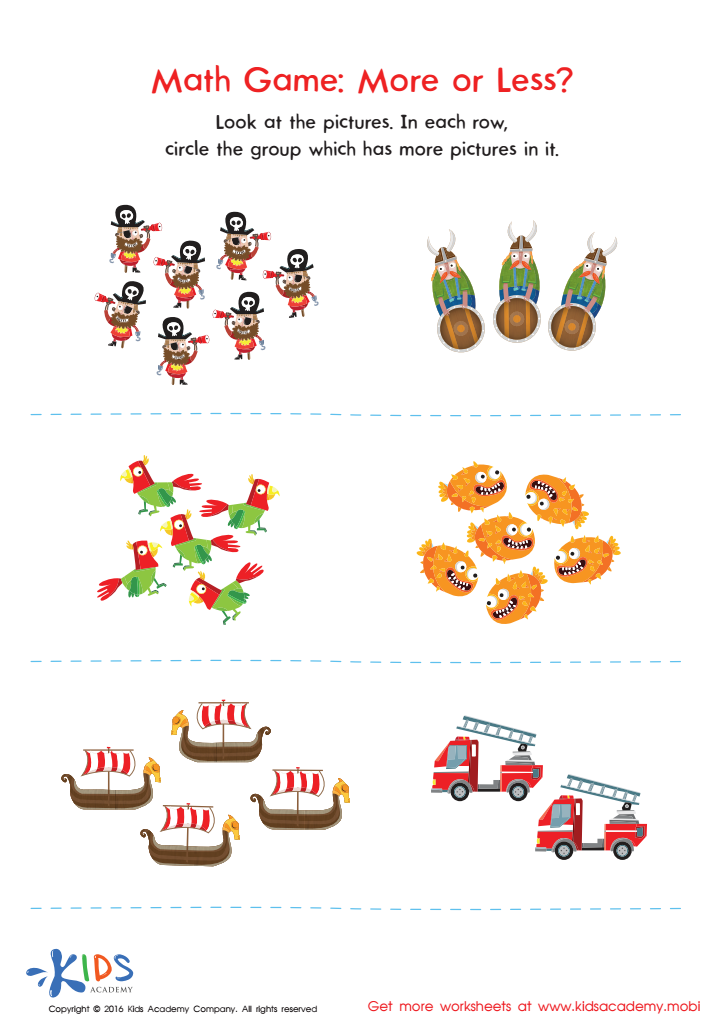
More or Less Worksheet
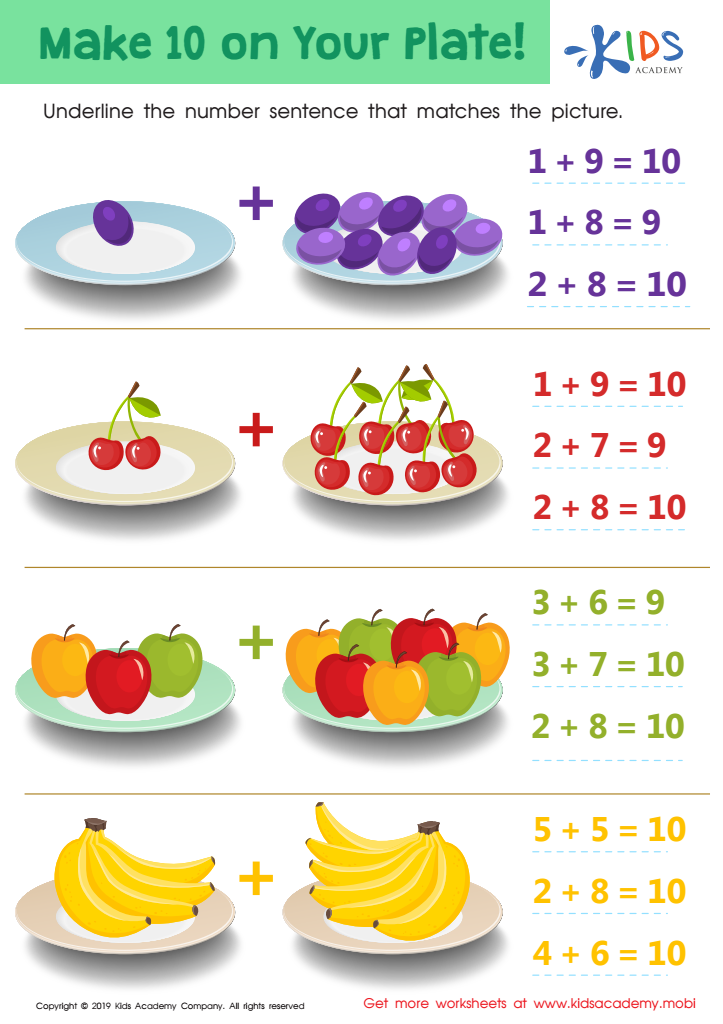
Make 10 on Your Plate! Worksheet
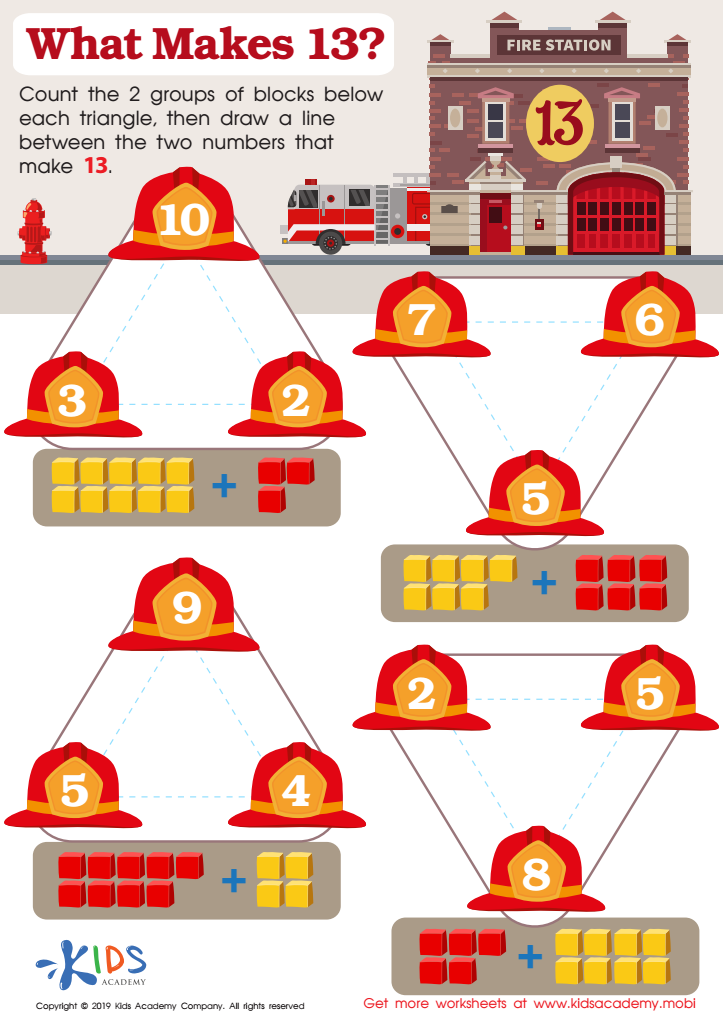
What Makes 13 Worksheet
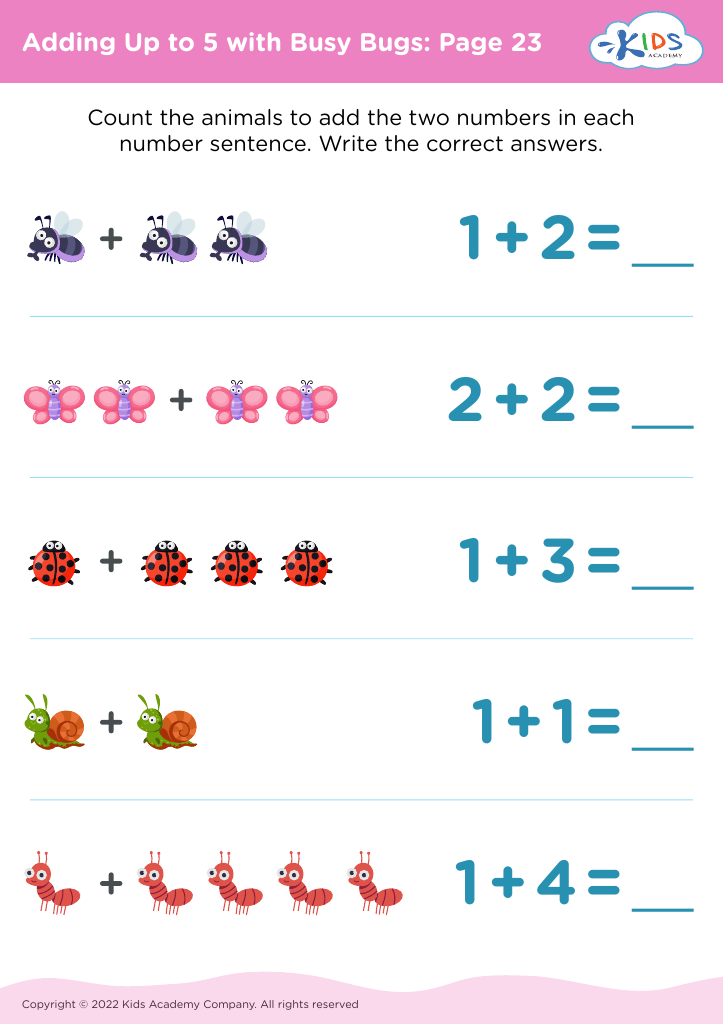
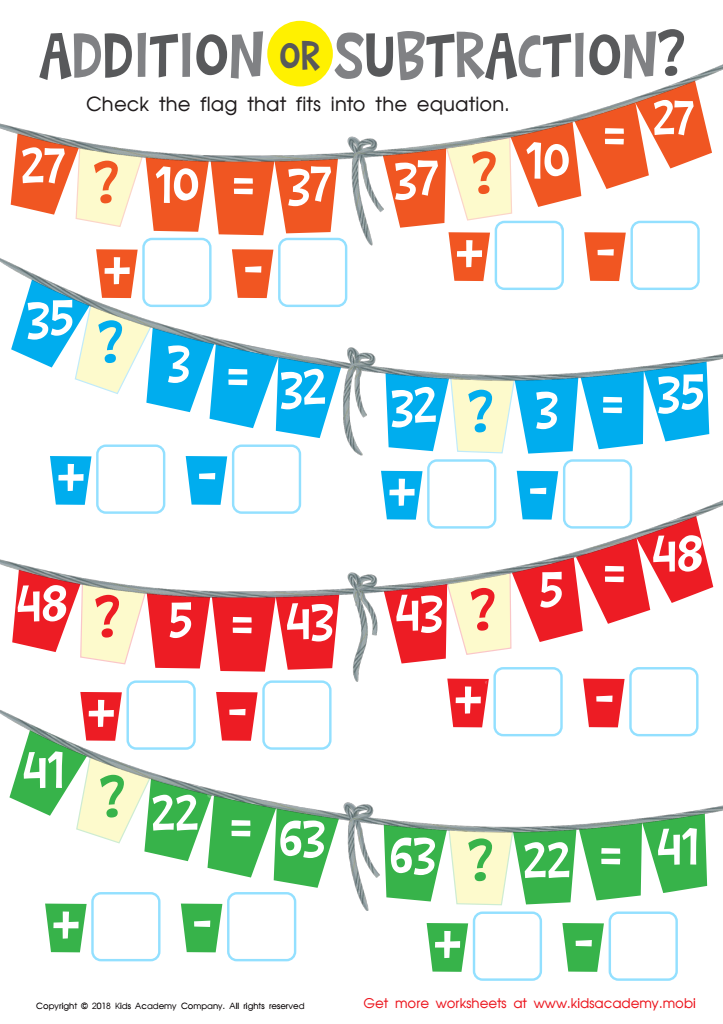
Addition or Subtraction? Worksheet
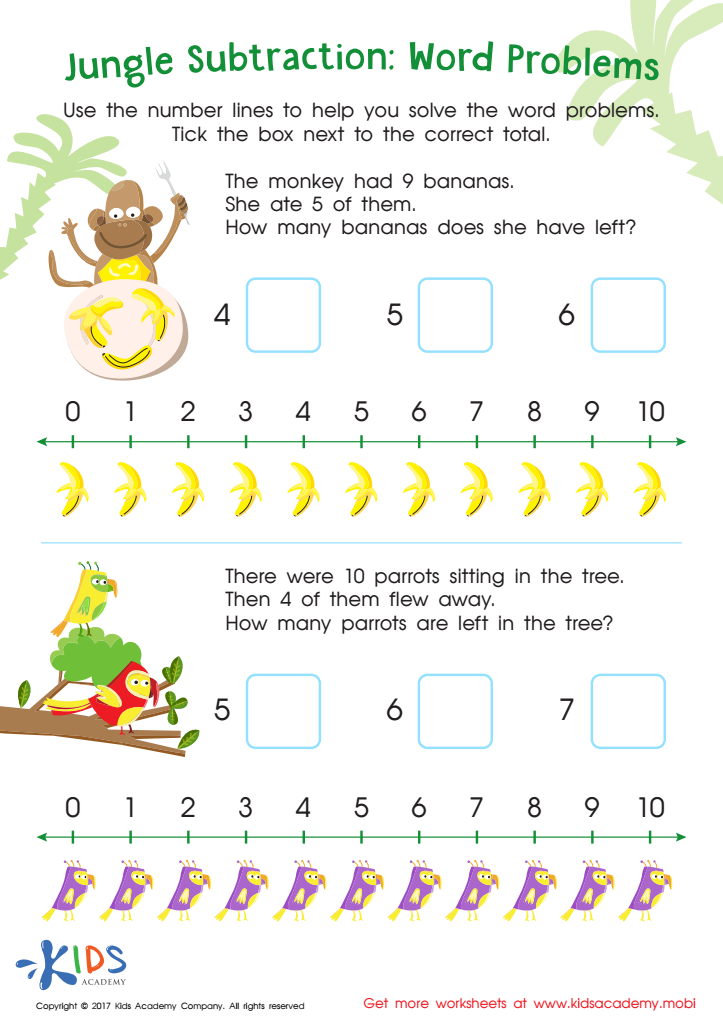
Jungle Subtraction Word Problems Substraction Worksheet








Parents and teachers should care about fostering mathematical reasoning in addition and subtraction for children ages 4-6 because these foundational skills are critical for cognitive development and academic success. During these formative years, kids are exceptionally receptive to new information, making it the ideal time to introduce fundamental math concepts. Learning addition and subtraction not only enhances their arithmetic abilities but also hones their problem-solving skills, logical thinking, and ability to make connections between numbers.
Understanding these basic operations builds a scaffold for more complex mathematical concepts they will encounter later. It promotes numerical fluency, which is essential for their future success in STEM (Science, Technology, Engineering, and Mathematics) subjects. Additionally, early success in math can boost a child’s confidence, making them more likely to engage positively with educational tasks in the future.
Furthermore, by practicing addition and subtraction, children develop perseverance and patience as they learn to approach problems methodically and find solutions. Encouraging mathematical reasoning through everyday activities can make math approachable and fun, embedding a lifelong appreciation for learning. It's also crucial for preparing them to make sense of and solve real-world practical problems, laying the groundwork for competent, thoughtful adults. Thus, investing time in these skills from an early age has manifold benefits that extend well beyond the classroom.








