Understanding patterns Addition & Subtraction Worksheets for Ages 4-6
6 filtered results
-
From - To
Boost your child's mathematical skills with our "Understanding Patterns: Addition & Subtraction Worksheets for Ages 4-6" from Kids Academy! Tailored for young learners, these engaging and colorful worksheets are designed to introduce and reinforce the foundational concepts of addition and subtraction through pattern recognition. Perfect for building confidence and enhancing problem-solving abilities, our worksheets help children understand math fundamentals in a fun and interactive way. Ideal for both classroom and home use, these resources align with educational standards and create a solid early math foundation. Encourage a love for learning as your child masters math with confidence!
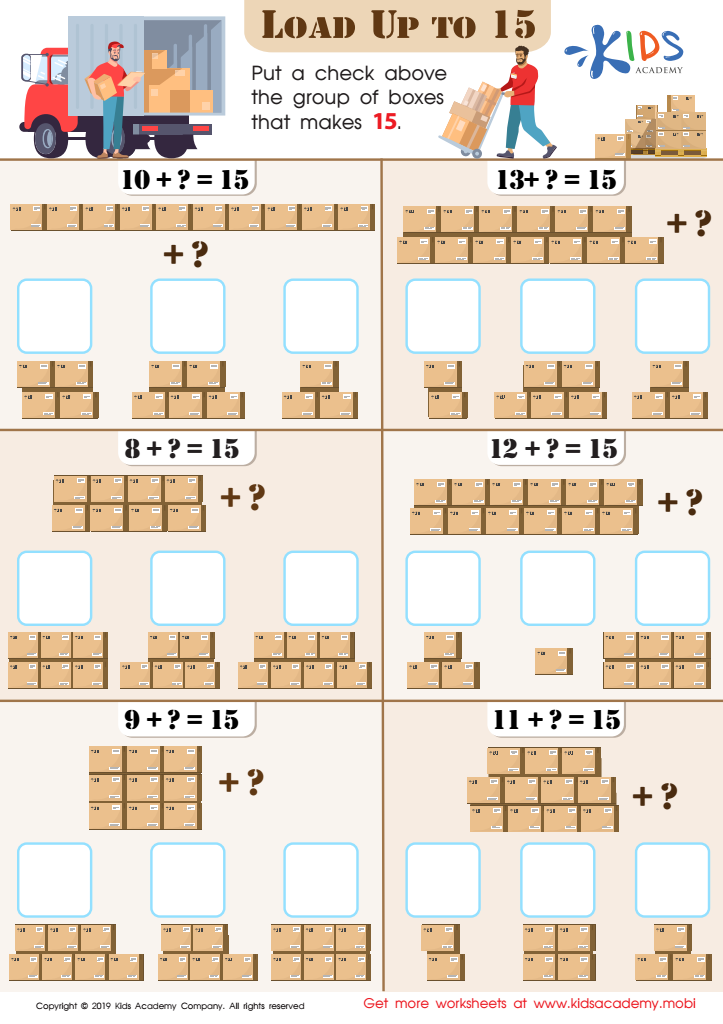
Load up to 15 Worksheet
 Assign to My Students
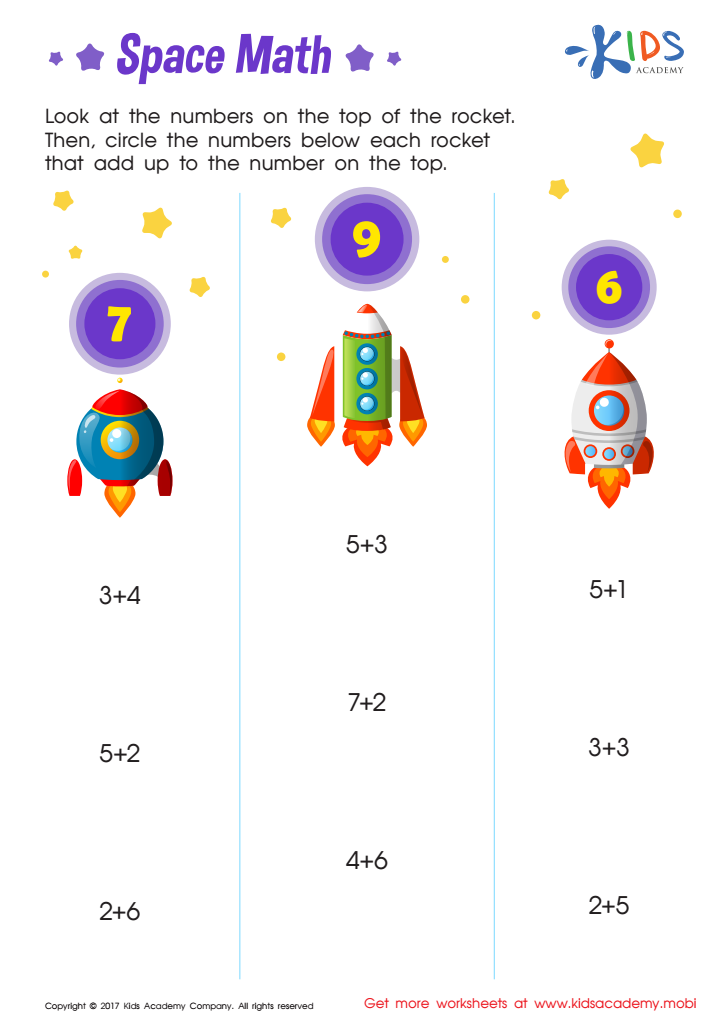
Addition: Space Math Worksheet
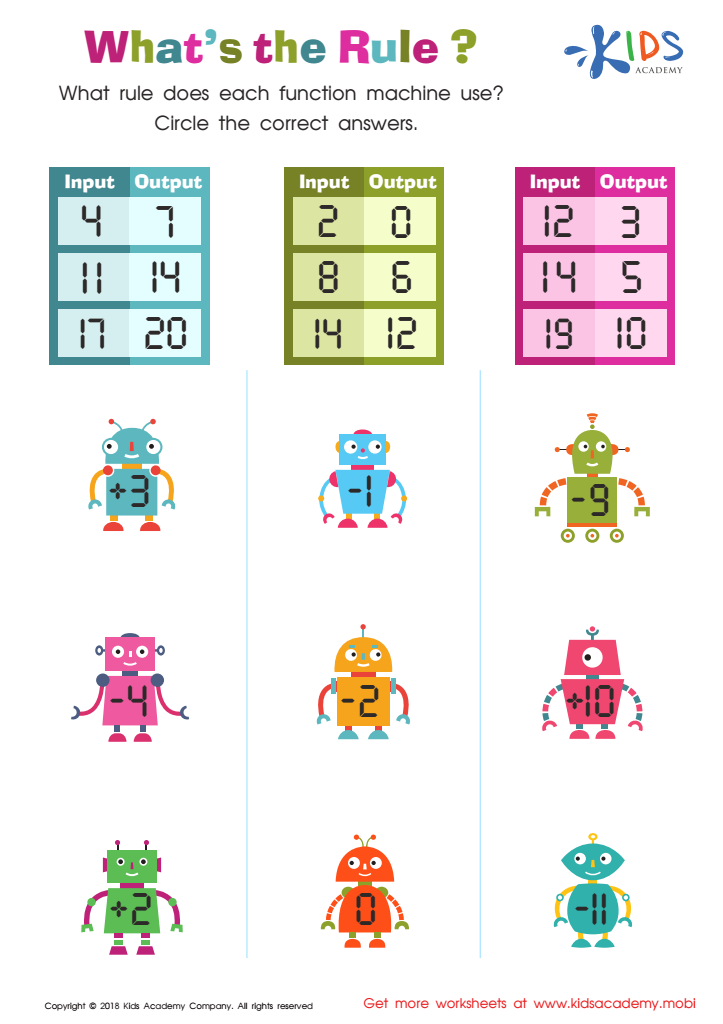
What's the Rule Worksheet
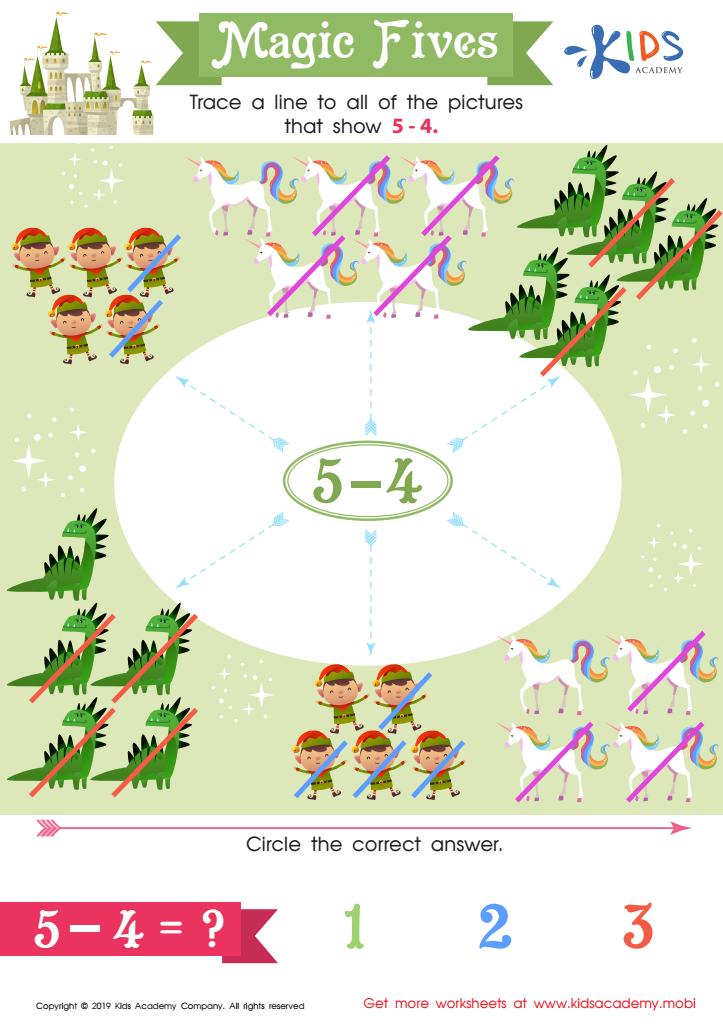
Magic Fives Worksheet
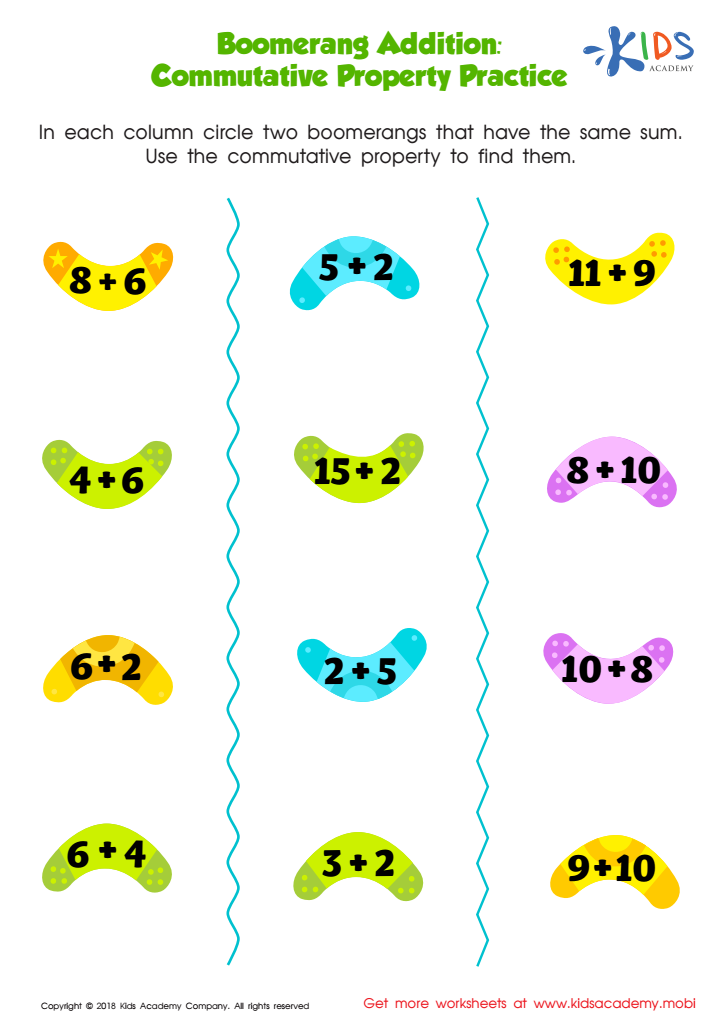
Boomerang Addition Worksheet
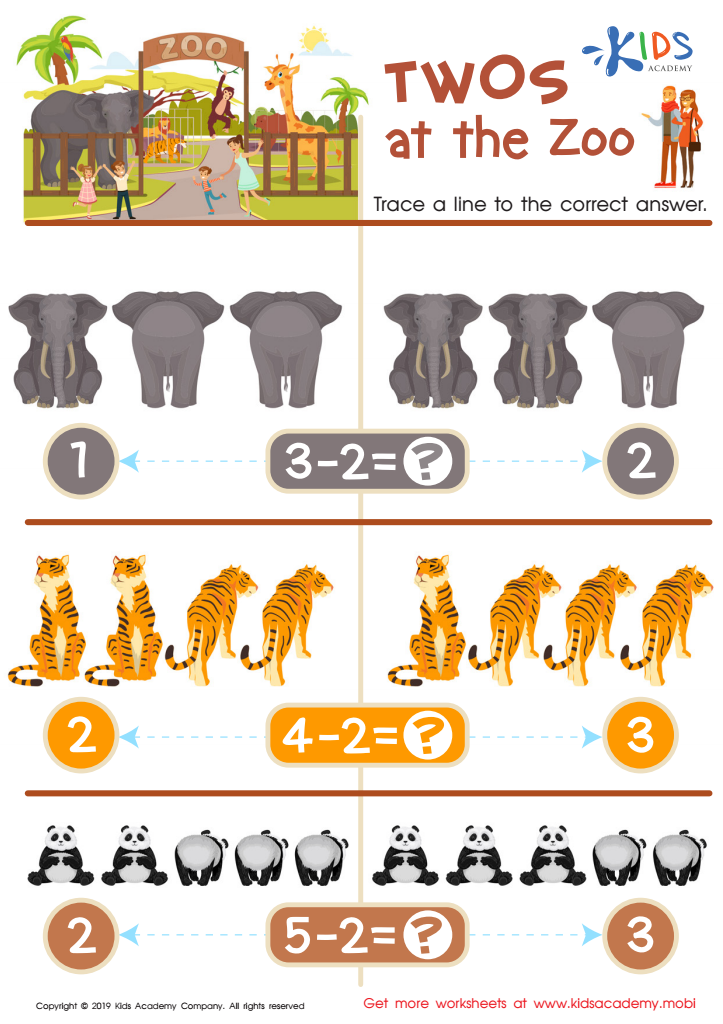
Twos at the Zoo Worksheet








Understanding patterns in addition and subtraction is crucial for young children, ages 4-6, for several reasons. At this developmental stage, grasping these mathematical concepts sets a solid foundation for future learning and cognitive development. Recognizing patterns helps children make sense of the world around them, enhancing their problem-solving skills and logical thinking.
Early exposure to addition and subtraction introduces them to the basic principles of mathematics, fostering a positive attitude towards the subject. This understanding can boost their confidence and set them up for success in more advanced mathematical concepts as they progress in their education. For example, identifying that adding two numbers repeatedly forms a consistent pattern helps children see the predictability and reliability within numbers, which is fundamental for mental arithmetic.
For parents and teachers, nurturing this understanding is critical. It involves creating engaging, fun activities that incorporate these concepts naturally, allowing children to explore and internalize them without feeling pressured. Practical experiences, like counting toys or sharing snacks among friends, can illustrate how numbers work in everyday life, making learning relevant and meaningful. Overall, understanding patterns in addition and subtraction at an early age equips children with essential skills, promoting their intellectual growth and academic proficiency.








