Basic Math Skills Addition Worksheets for Ages 4-6 - Page 2
28 filtered results
-
From - To
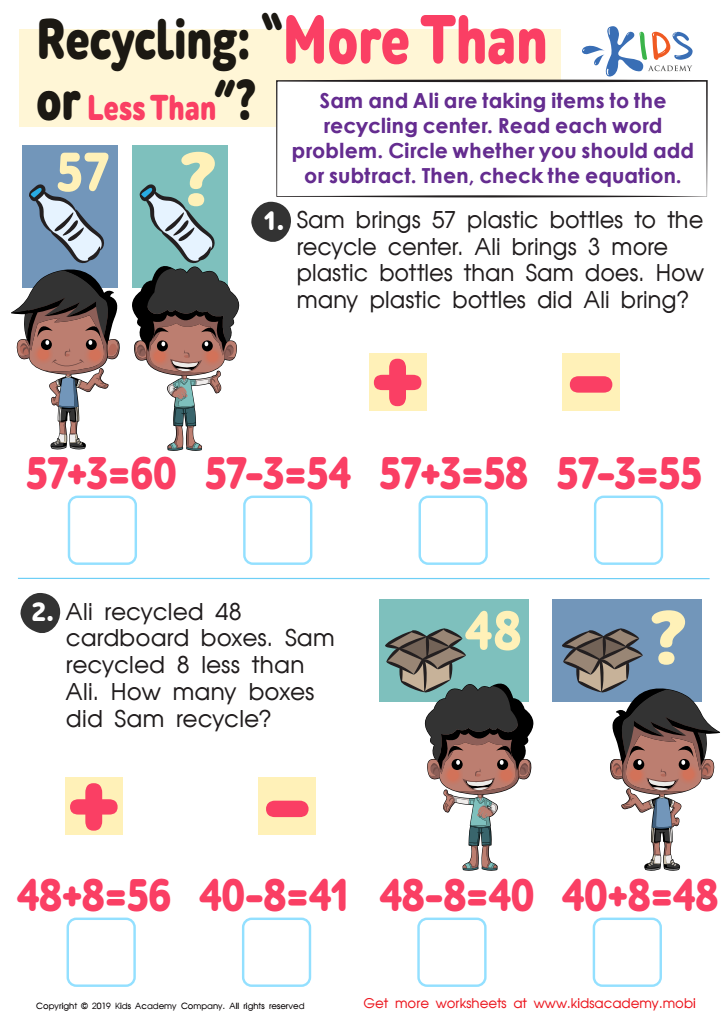
Recycling - More or Less Worksheet
 Assign to My Students
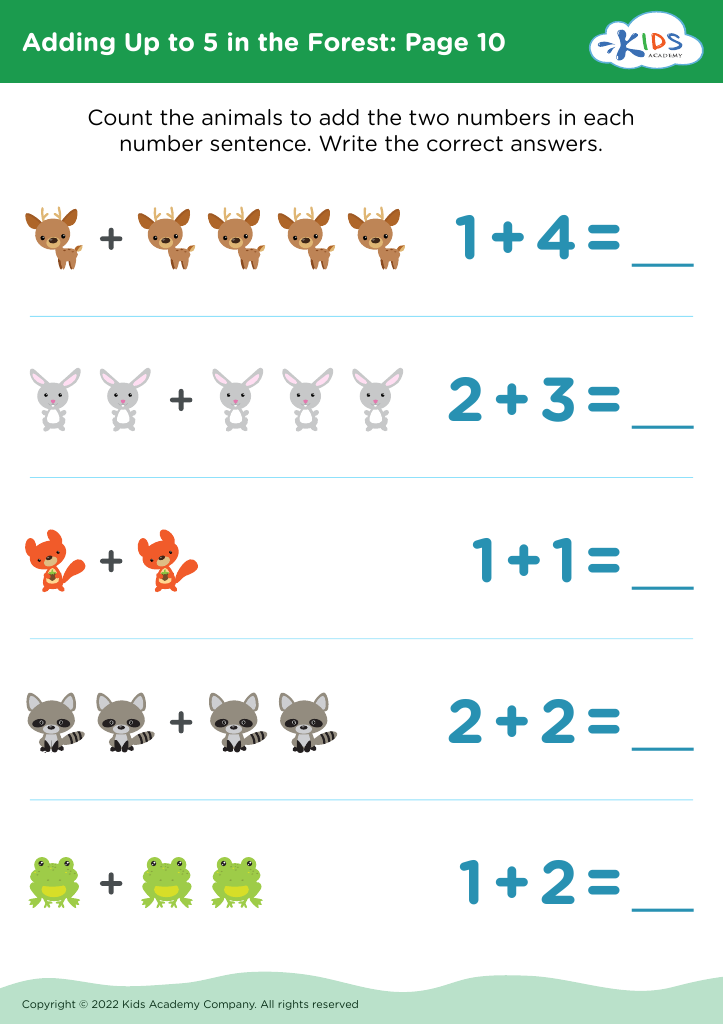
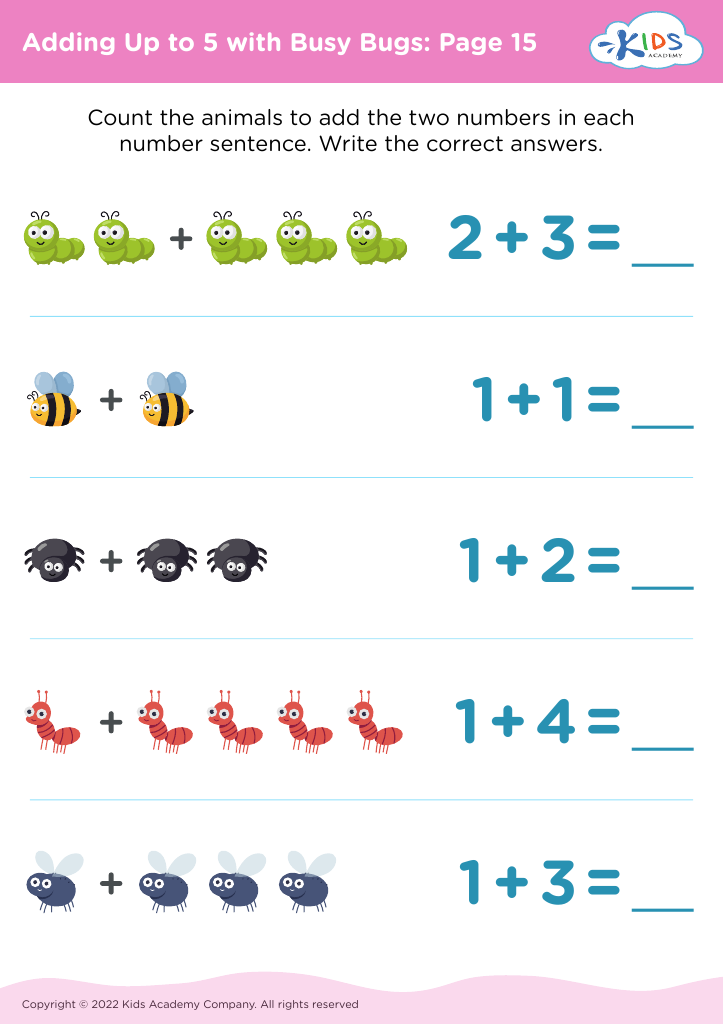






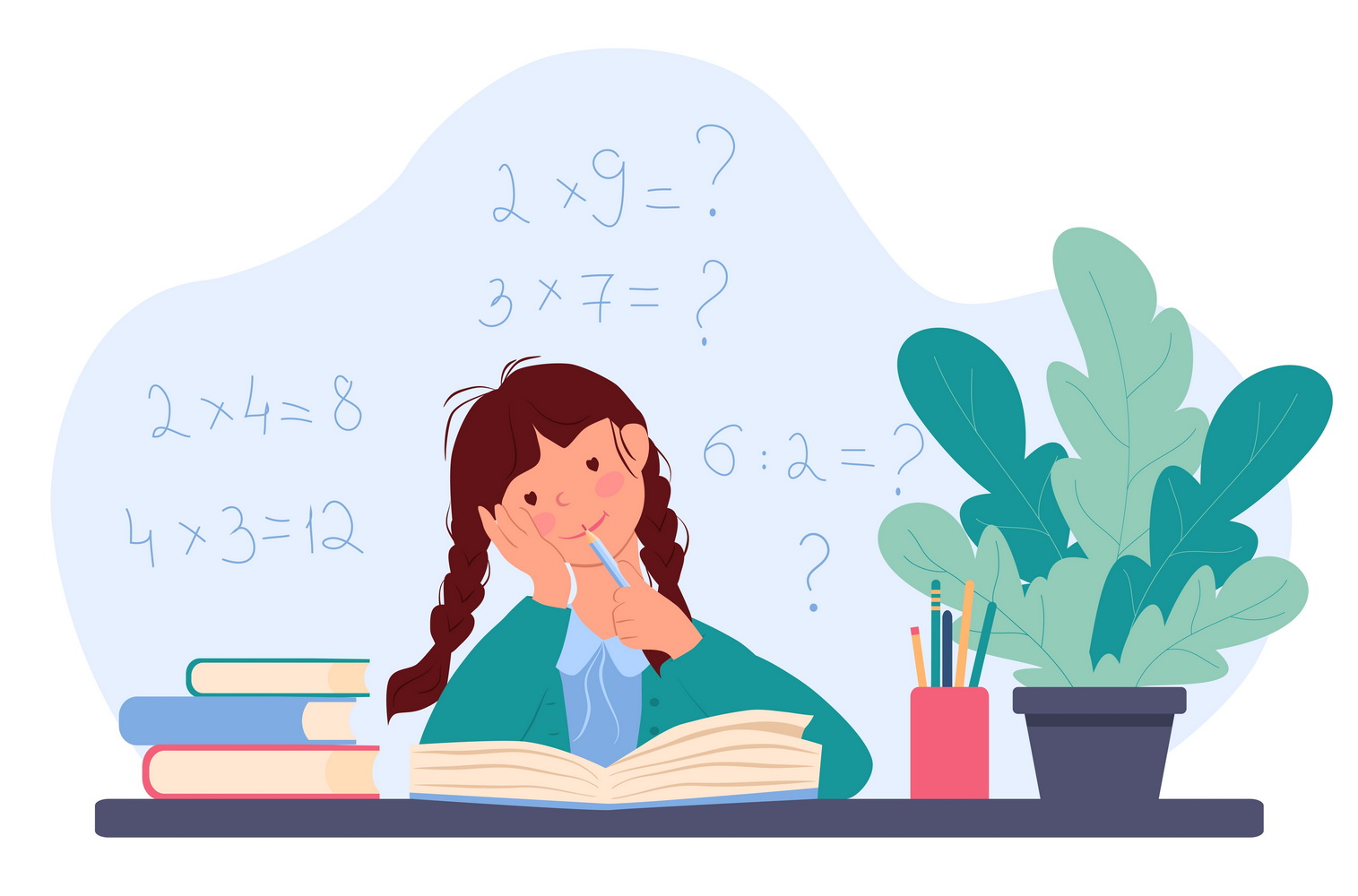

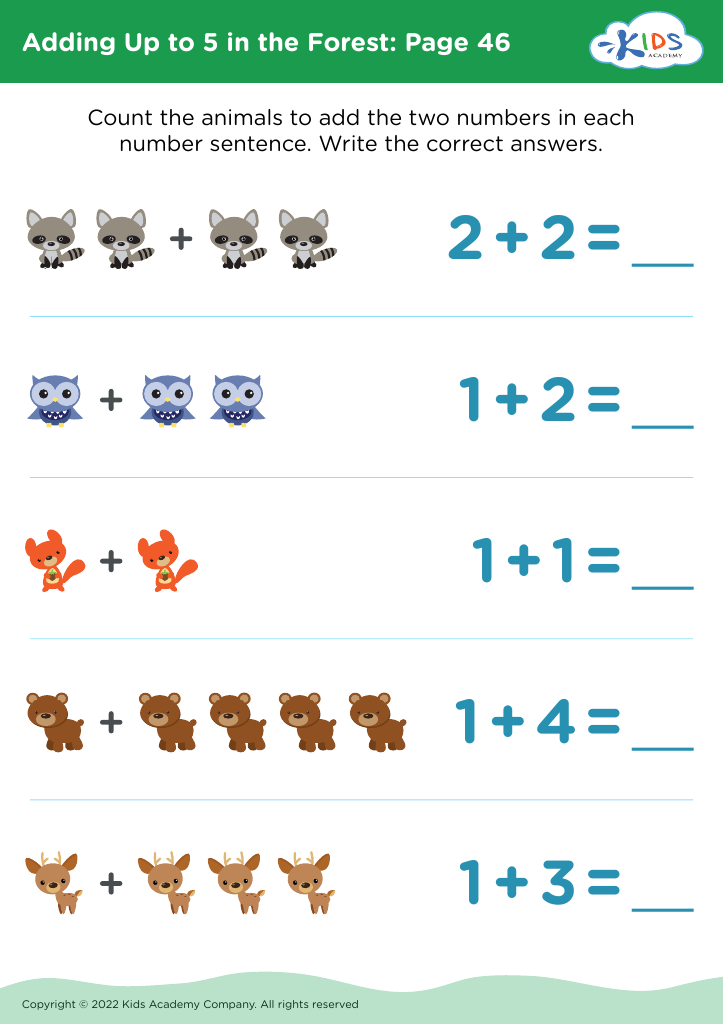
Basic math skills, particularly addition, form the foundation for a child's future learning and critical thinking abilities. For children aged 4-6, practicing addition encourages early numeracy, which is essential for effective problem-solving and logical reasoning. These foundational skills are vital not only in mathematics but across various subjects in school and later in life.
During this age, children's brains are rapidly developing, making it an ideal time for them to absorb new concepts. Learning addition helps foster cognitive development, as it engages children in comparing quantities, recognizing patterns, and enhancing memory. Furthermore, understanding addition promotes confidence, as children celebrate their successes and develop a positive attitude towards mathematics.
Parents and teachers play a crucial role in facilitating this learning experience. They can create engaging and interactive ways for children to practice addition, making it enjoyable and relevant to their everyday lives. Utilizing visual aids, games, and real-life situations allows children to grasp the concept in a tangible way.
Ultimately, instilling basic math skills at a young age not only sets children up for academic success but also equips them with essential life skills as they navigate an increasingly complex world. Investing time in their math education is an investment in their future.








