Problem-Solving Skills Comparing Numbers Worksheets for Ages 4-6
3 filtered results
-
From - To
Enhance your child's problem-solving skills with our engaging Comparing Numbers Worksheets designed specifically for ages 4-6. These colorful, interactive resources provide young learners with essential math practice by fostering their ability to compare numbers through fun activities. Children will develop critical thinking and analytical skills as they work with various exercises, including matching, ranking, and finding greater or lesser values. Our worksheets are aligned with early learning goals, ensuring that your child builds a strong foundation in mathematics while having fun. Perfect for classroom use or at home, our resources support a love for learning and promote creativity in early education.
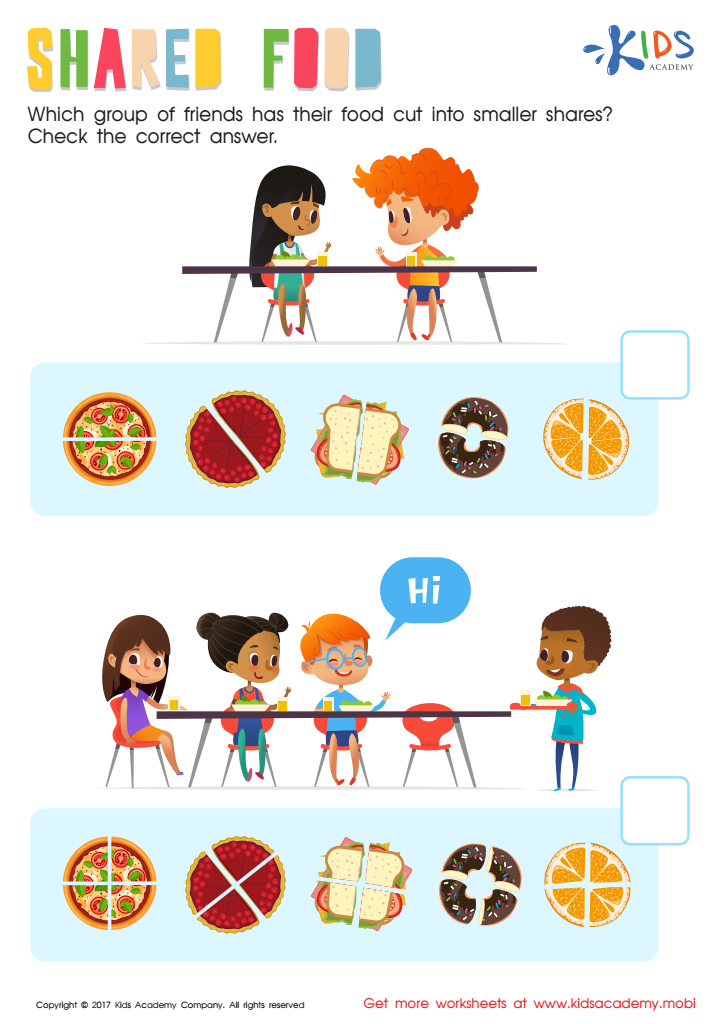
Shared Food Worksheet
 Assign to My Students


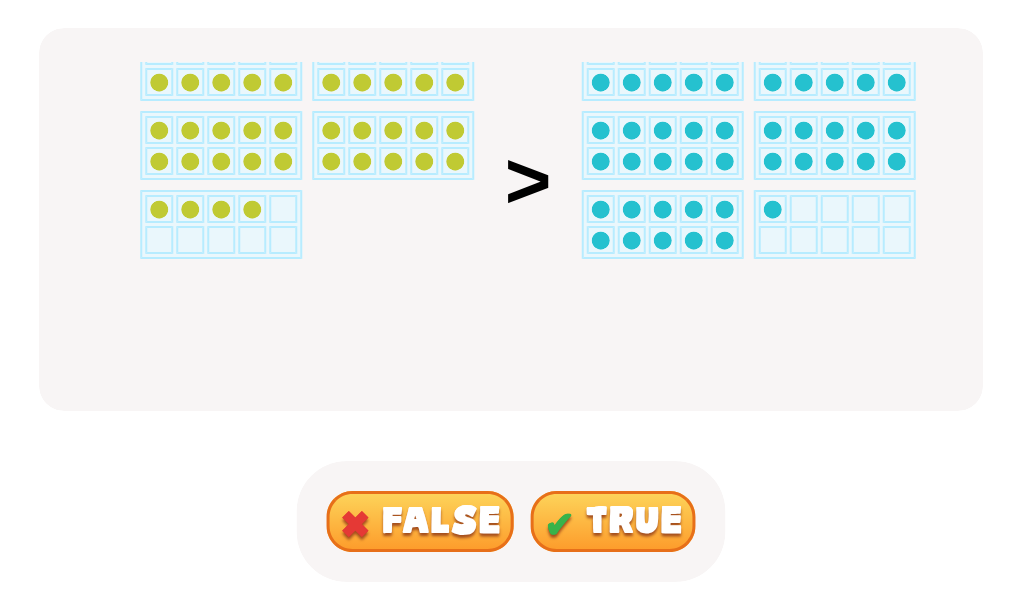


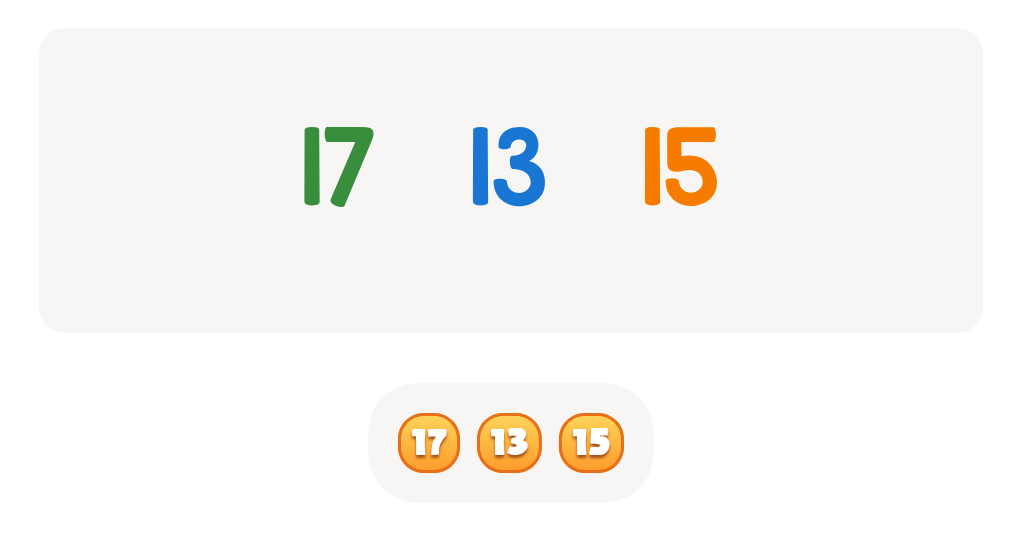
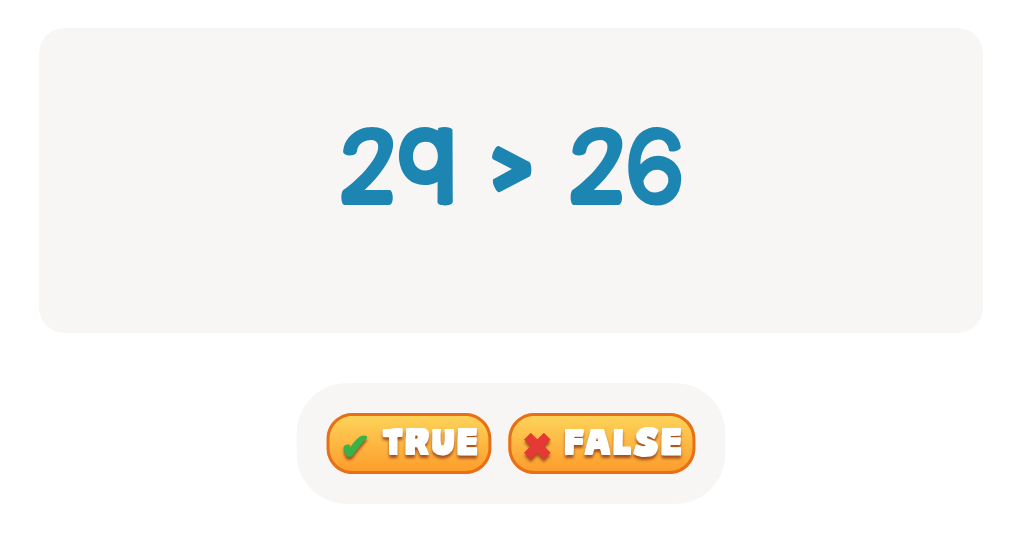
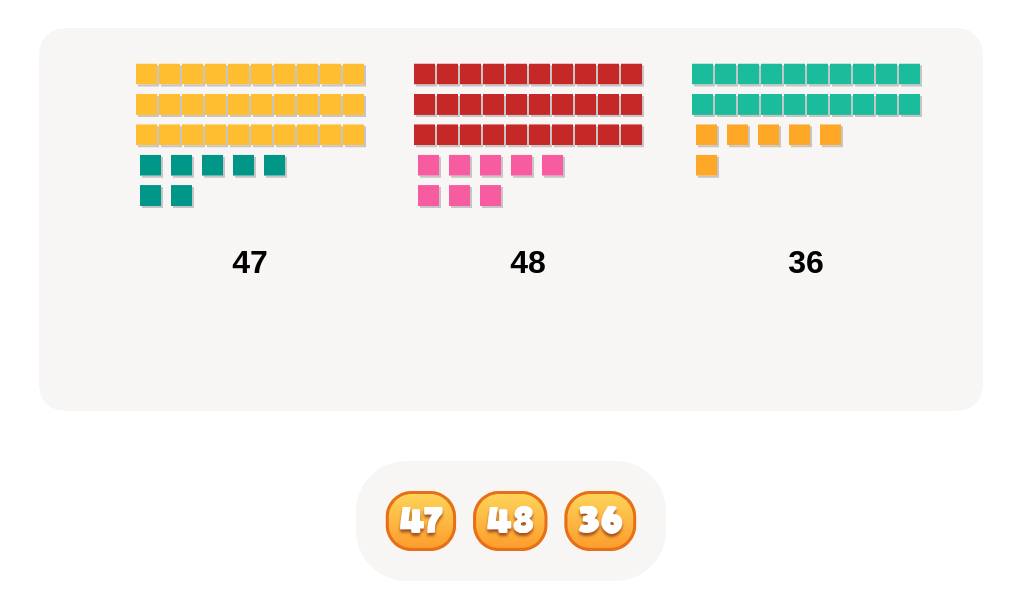
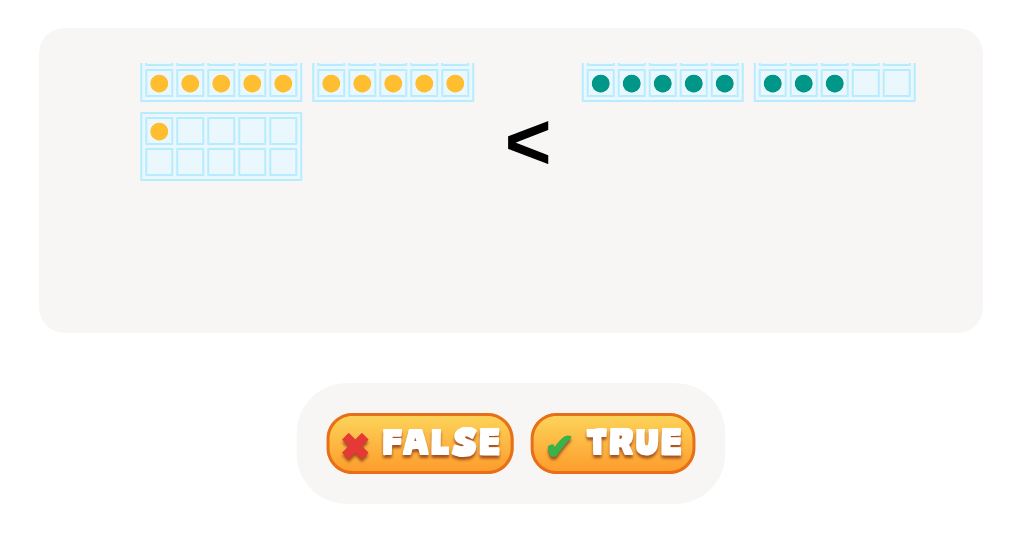
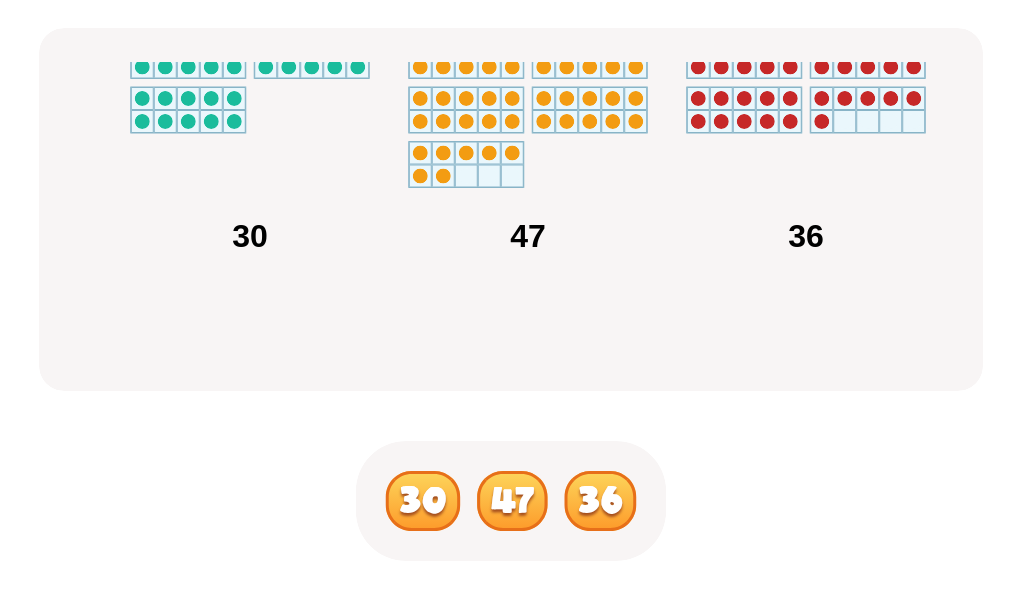
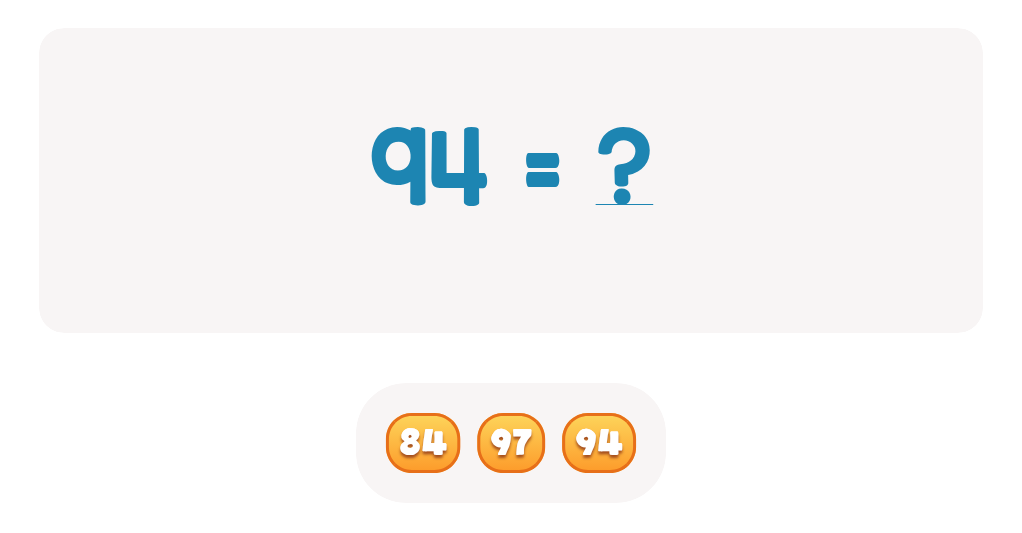
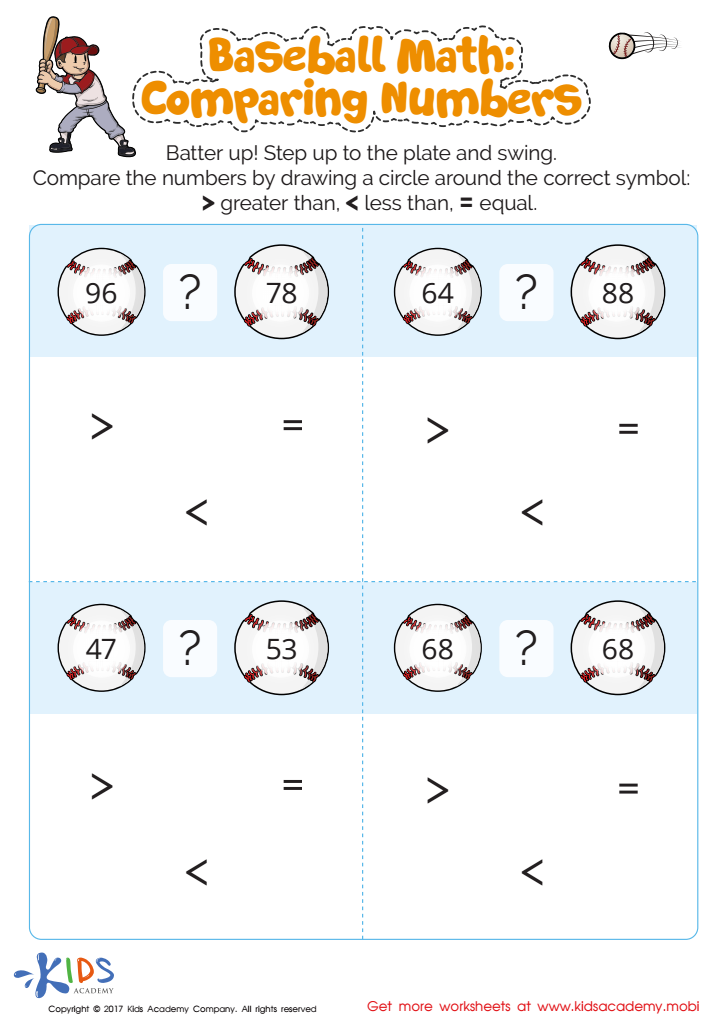
Compare Numbers Printable
Matching: Classifying Toys by Size Worksheet








Problem-solving skills, particularly in comparing numbers, are crucial for young children ages 4-6 as they lay the foundational blocks for mathematical understanding and critical thinking. Parents and teachers should prioritize these skills for several reasons. Firstly, number comparison helps children grasp key mathematical concepts such as more, less, and equal, which are essential for everyday decision-making and logical reasoning.
Furthermore, engaging in problem-solving activities fosters a child's cognitive development. It encourages them to think critically, analyze situations, and draw conclusions. Such skills extend beyond math; they are vital for navigating social interactions and everyday challenges. Practicing number comparisons can also enhance a child's confidence, helping them embrace math as a positive and approachable subject rather than something to fear.
Involving parents in this learning process enhances the child’s engagement and reinforces lessons outside the classroom. Combining games and real-life scenarios can make learning more enjoyable and memorable. Ultimately, nurturing problem-solving skills in young children not only prepares them for future academic success but also equips them with life skills—confidence, perseverance, and thoughtful decision-making—that will serve them throughout their lives.








