
Addition Practice Counting Worksheets for Ages 4-6
4 filtered results
Difficulty Level
Grade
Age
-
From - To
Subject
Activity
Standards
Enhance your child's math skills with our Addition Practice Counting Worksheets, specially designed for ages 4-6! These engaging worksheets provide a fun and interactive way for young learners to explore basic addition concepts through counting. Our resources feature colorful images and engaging activities that make learning addition enjoyable, helping kids build a solid foundation in mathematics. With varying levels of difficulty, these worksheets cater to different learning paces, ensuring that every child can progress confidently. Foster your child's love for math and boost their problem-solving skills with our well-crafted, age-appropriate addition worksheets today! Start their mathematical journey off right!
Favorites
With answer key
Interactive
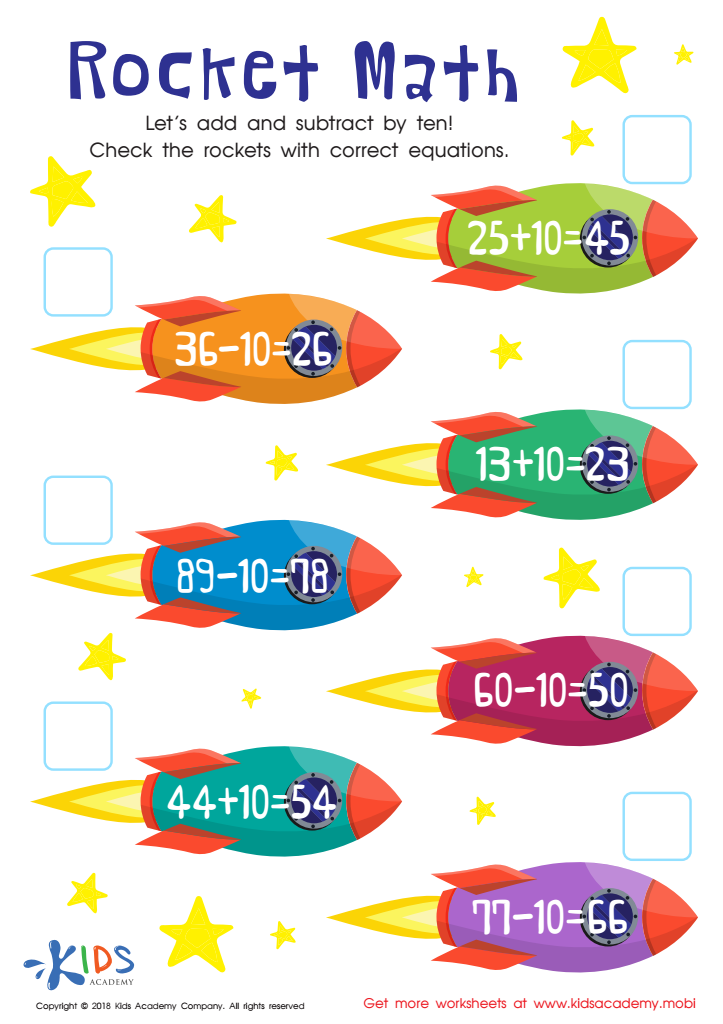
Rocket Math Worksheet
Your students will be math wizards in no time as they blast off on this exciting and colorful PDF worksheet. They'll use the 10s strategy to practice addition and subtraction, and they'll learn to skip count forwards and backwards. Keep them engaged and make learning fun!
 Assign to My Students
Rocket Math Worksheet
Worksheet


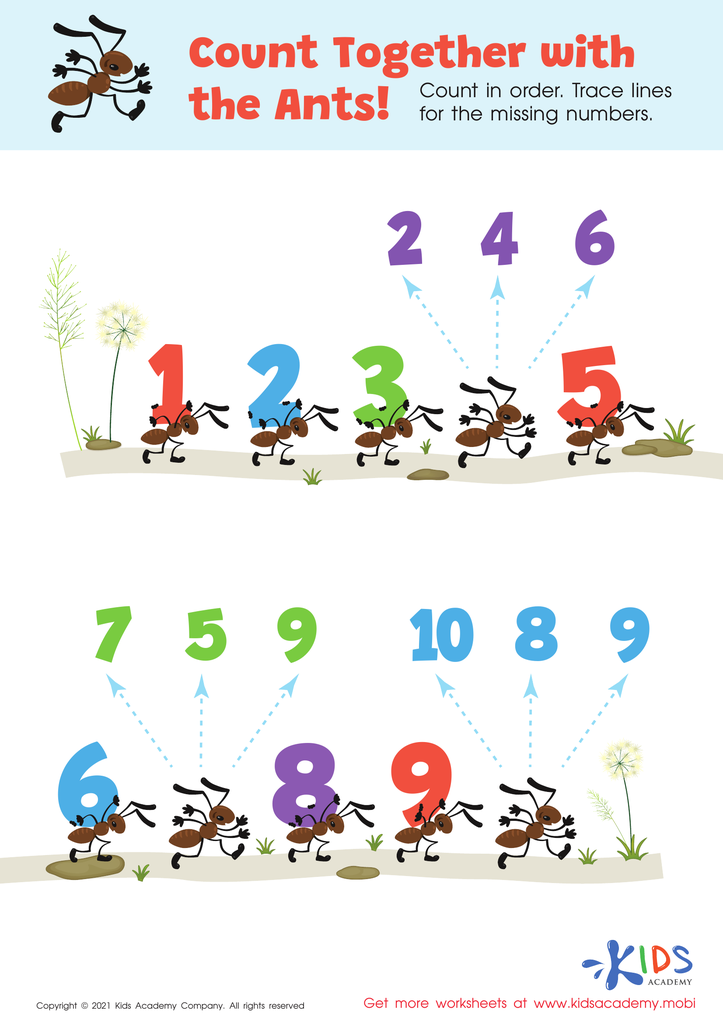
Count Together with the Ants Worksheet
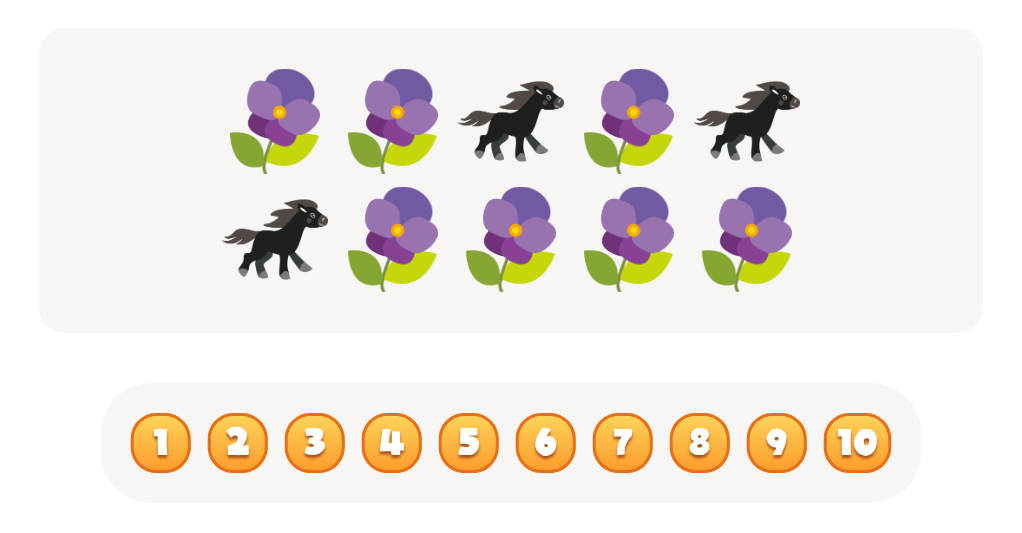
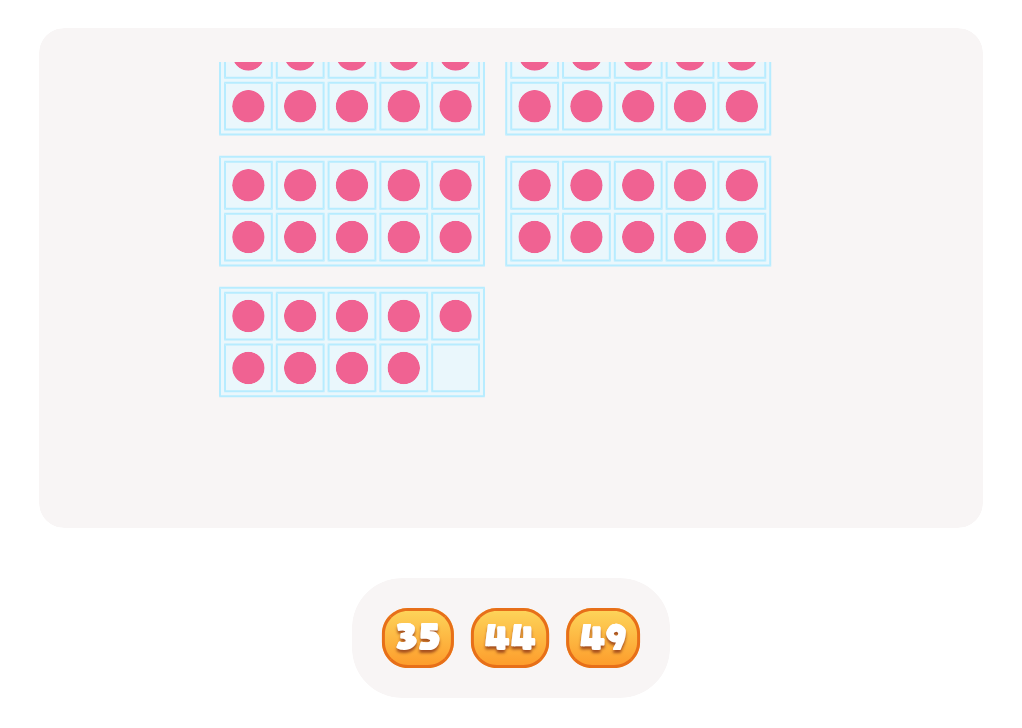
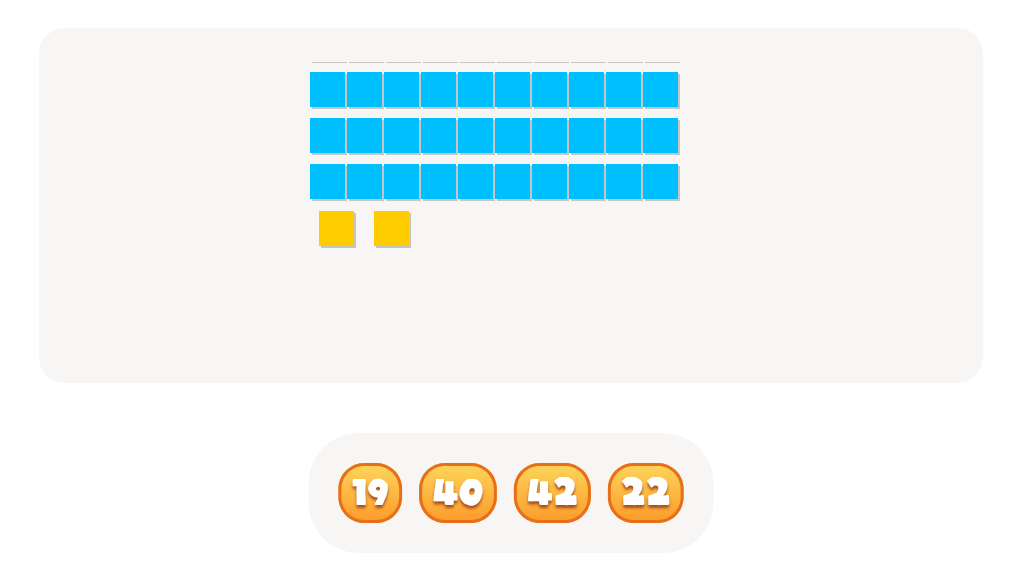
Rather than letting kids get too deep in online games, keep them engaged with learning worksheets. Ask them to identify the insect in the picture, then count the ants. Help them trace lines to the missing numbers. It's simple and straightforward for young children to comprehend.
Count Together with the Ants Worksheet
Worksheet
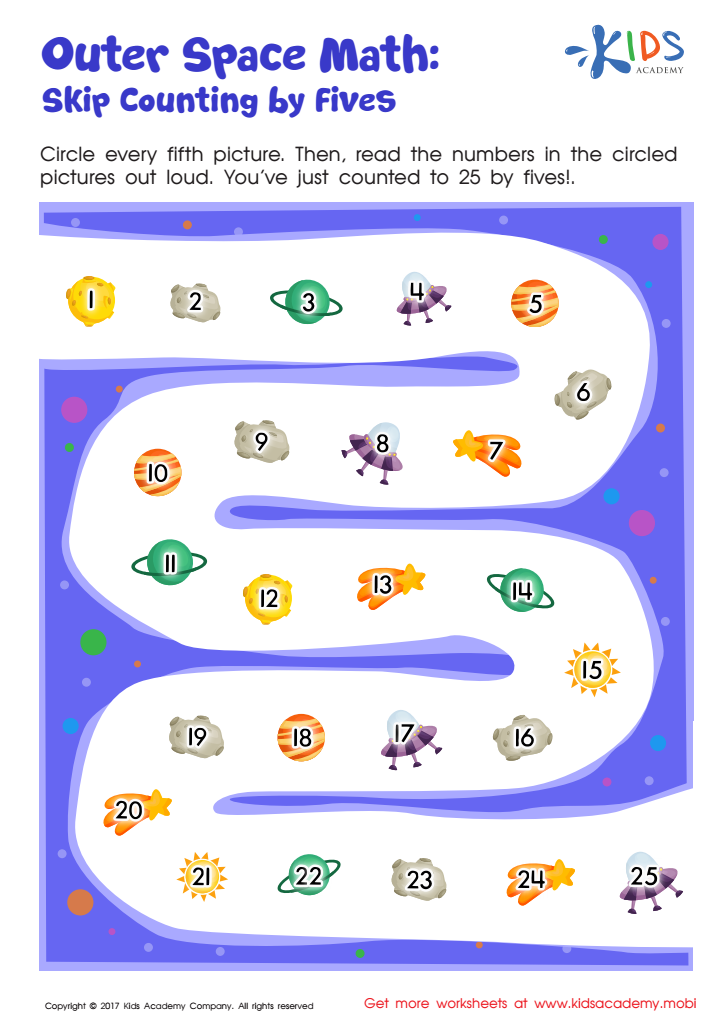
Skip Counting by 5s: Outer Space Math Printable
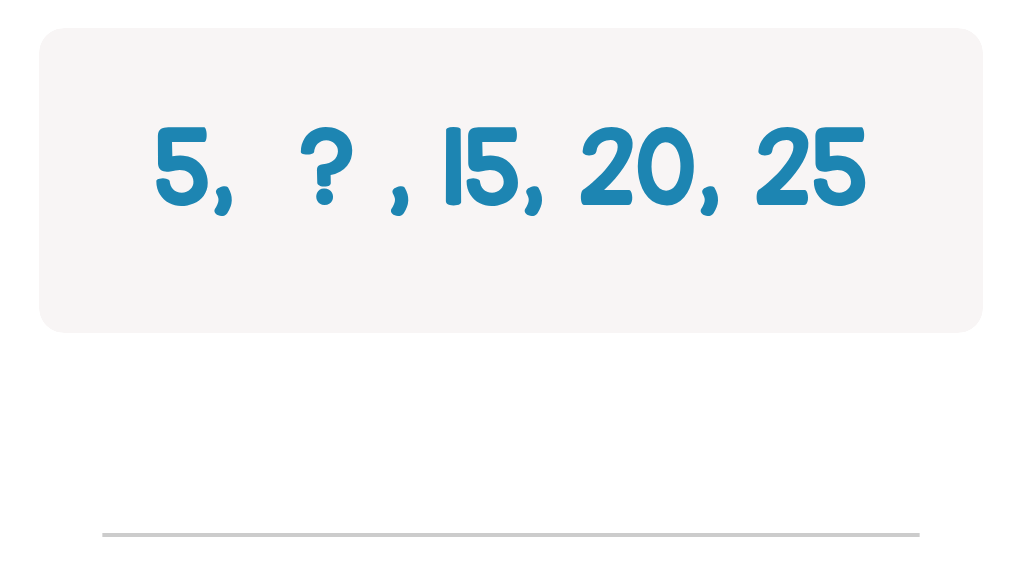
Let your kid learn skip counting by fives with this fun space-themed worksheet! With simple instructions, cute graphics, and an independent approach, your child will have a blast and gain a key skill for math success. Counting answers and learning numeracy, they'll sharpen cognitive and problem solving skills while having fun! A great way to introduce skip counting, they'll discover the concept through minimal assistance. Blast off!
Skip Counting by 5s: Outer Space Math Printable
Worksheet
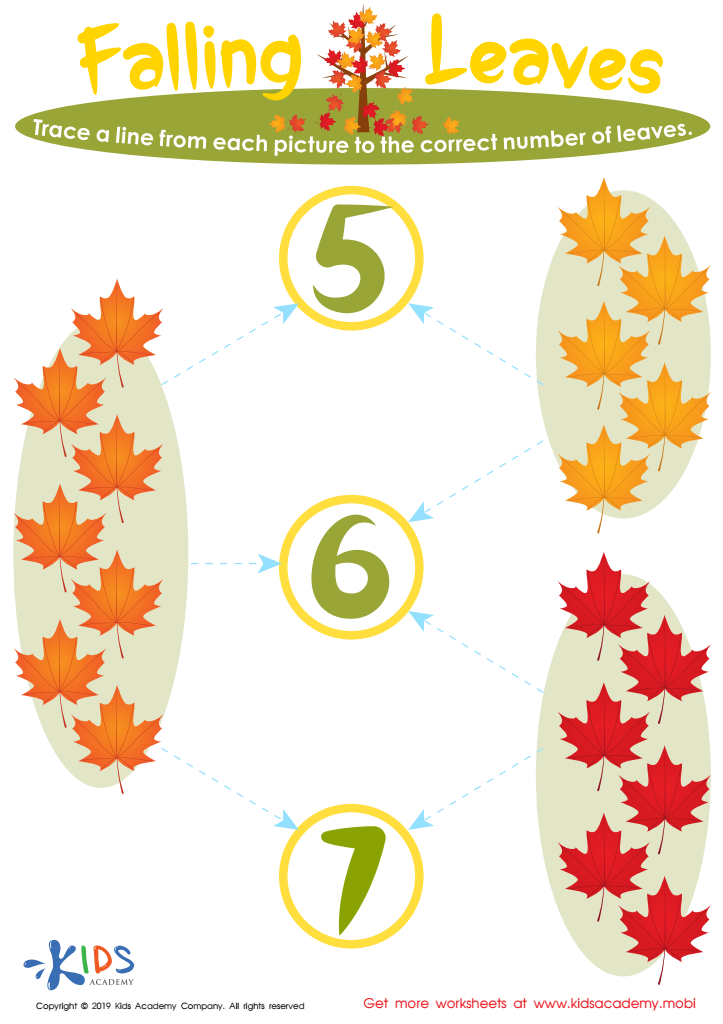
Falling Leaves Worksheet
Do your kids know the seasons? Ask them to name each one, then test their counting skills with a fun worksheet. Have them count from 1 to 10, then trace a line from each picture to the corresponding number of leaves. It's a great way to check their counting ability!
Falling Leaves Worksheet
Worksheet
Join Kids Academy for Free
Who is primarily going to use this learning content?








Addition practice for children ages 4-6 is crucial for their cognitive and socio-emotional development, laying the foundation for later mathematical concepts. Early counting and addition activities help children understand quantitative relationships and develop number sense, which are vital skills as they progress through their education.
When parents and teachers engage children in fun and interactive addition practices, they create an enjoyable learning atmosphere that fosters a positive attitude towards math. This early exposure helps build confidence, which is essential for tackling more complex mathematical concepts later on. Research shows that children who have a strong early mathematical foundation perform better academically in later grades.
Moreover, practicing addition enhances problem-solving skills, critical thinking, and logical reasoning, allowing children to apply math in daily situations. These skills are not only valuable in academic settings but also beneficial in real-life scenarios, fostering resilience and perseverance when faced with challenges.
Additionally, involving parents in their child's learning reinforces the idea that math is an integral part of life. It strengthens the bond between parents and children while enriching their educational experience. Thus, prioritizing addition practice ensures that children are equipped with essential skills for future learning and development.








