Reading comprehension Geometry Worksheets for Ages 4-6
5 filtered results
-
From - To
Explore our engaging Reading Comprehension Geometry Worksheets designed specifically for children aged 4-6! These thoughtfully crafted worksheets combine foundational geometry concepts with reading skill development, helping young learners build vital cognitive abilities. Kids will familiarize themselves with shapes, spatial relationships, and basic geometric vocabulary through fun activities and vivid illustrations. Each worksheet incorporates simple reading passages followed by comprehension questions, promoting literacy while reinforcing math skills. Our interactive resources are perfect for parents and educators seeking to enhance early learning experiences. Encourage your child's growth in both reading and geometry with our printable worksheets, making learning enjoyable and effective!
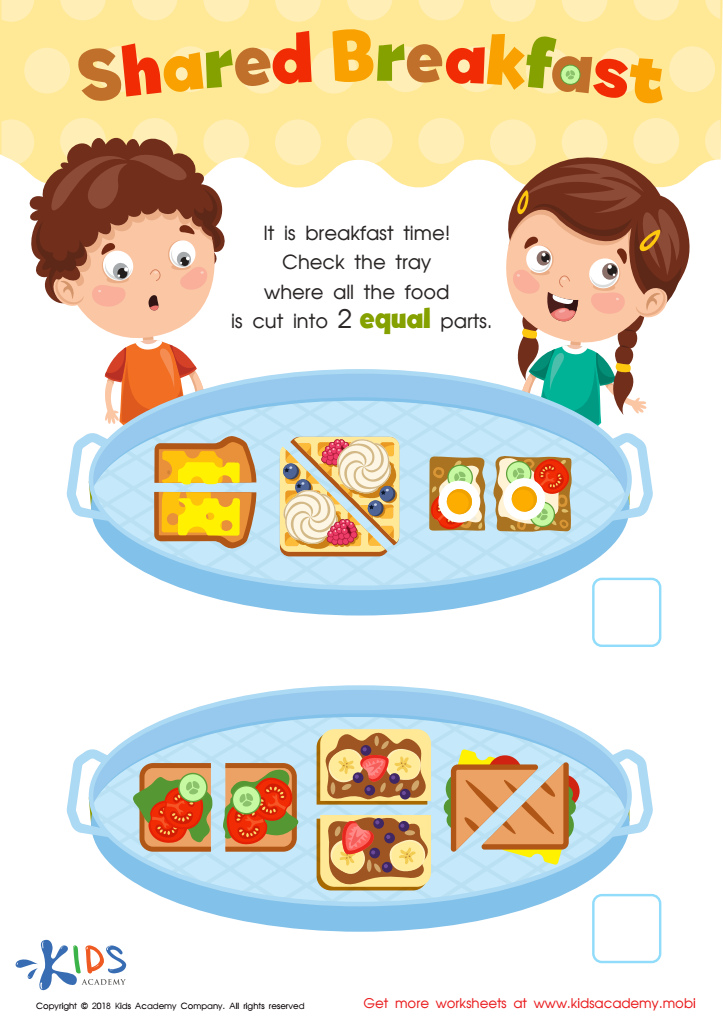
Shared Breakfast Worksheet
 Assign to My Students











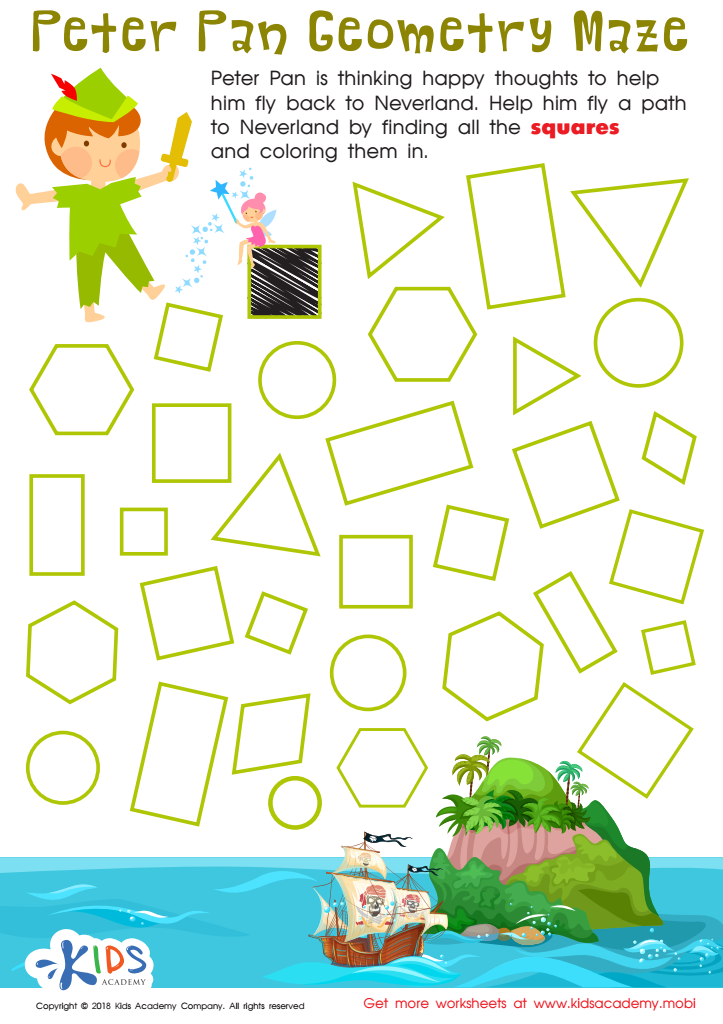
Peter Pan Worksheet
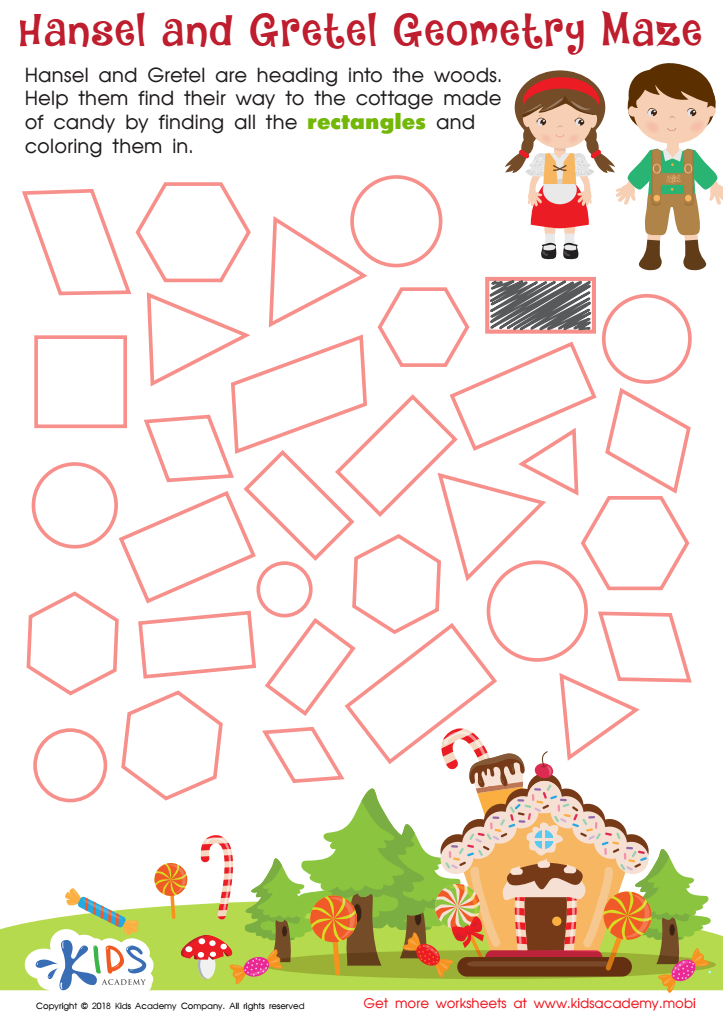
Hansel and Gretel Geometry Maze Worksheet
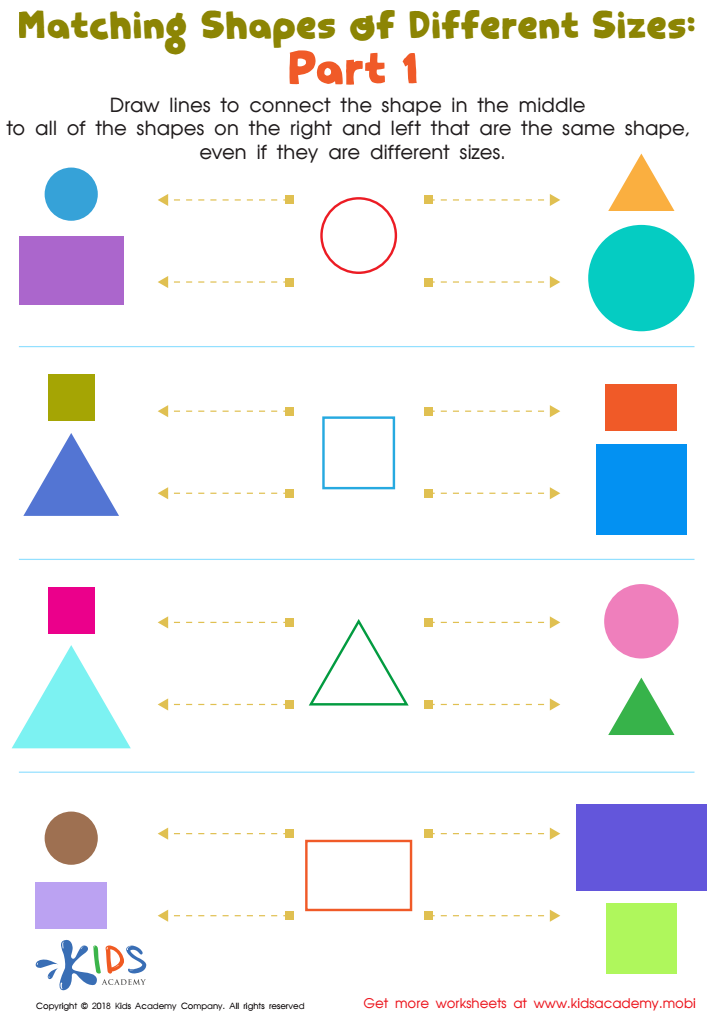
Geometry: part 1 Worksheet
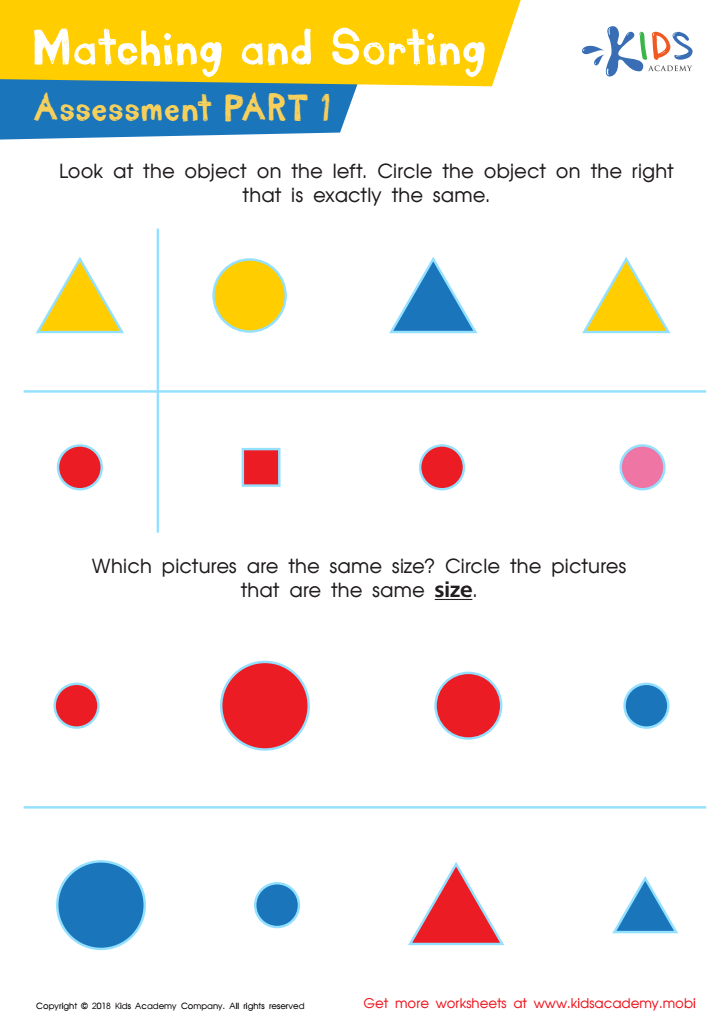
Matching and Sorting for Kindergarten: Assessment 1 Worksheet








Reading comprehension and geometric understanding are crucial for children aged 4-6, as these skills form the foundation for future learning. At this stage, children's brains are developing rapidly, and interactions that involve both language and spatial concepts significantly enhance cognitive abilities.
Investing in reading comprehension ensures that young learners can understand and engage with texts, laying the groundwork for effective communication and critical thinking. When children grasp content, they develop a love for reading, which is essential as they progress to more complex materials.
Geometry, on the other hand, introduces children to shapes, spatial relationships, and measurements. These concepts not only sharpen their reasoning and problem-solving skills but also enhance their understanding of the world around them. Early exposure to geometric language and concepts helps children interpret shapes and space in their environment, which is fundamental for later mathematical understanding.
By fostering both reading comprehension and geometric skills, parents and teachers equip children with tools to succeed academically and socially. This holistic approach not only nurtures literacy and numeracy but also encourages curiosity and exploration, essential for lifelong learning. In partnership, parents and educators can create rich learning experiences that promote a well-rounded education in these formative years.








