Shape Recognition Geometry Worksheets for Ages 4-6 - Page 3
53 filtered results
-
From - To
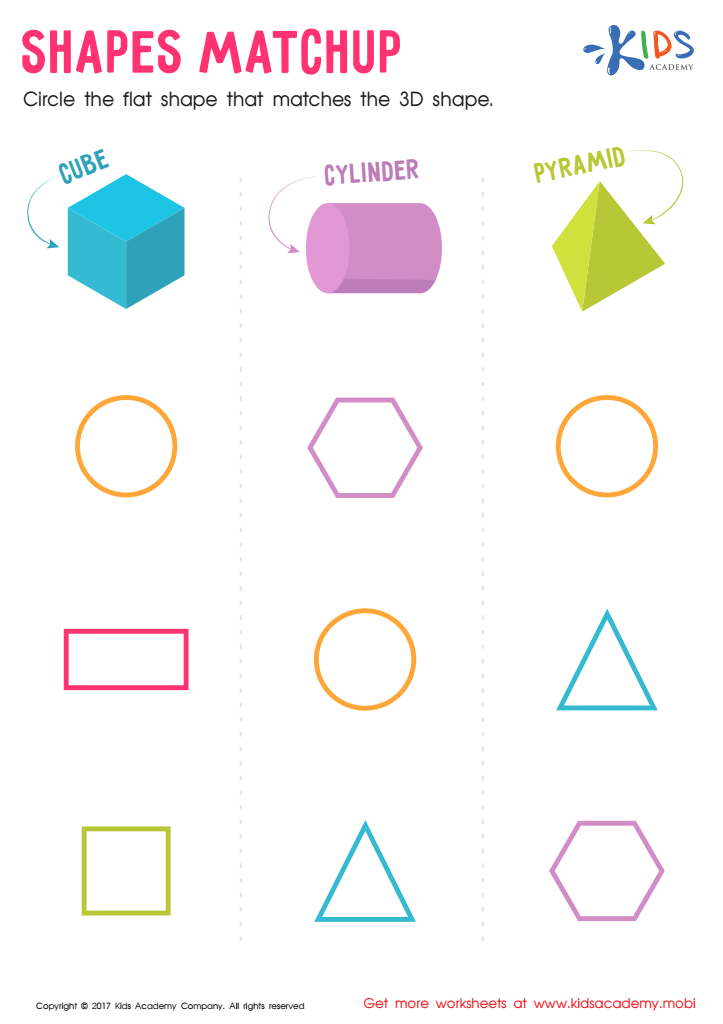
Shapes Matchup Worksheet
 Assign to My Students











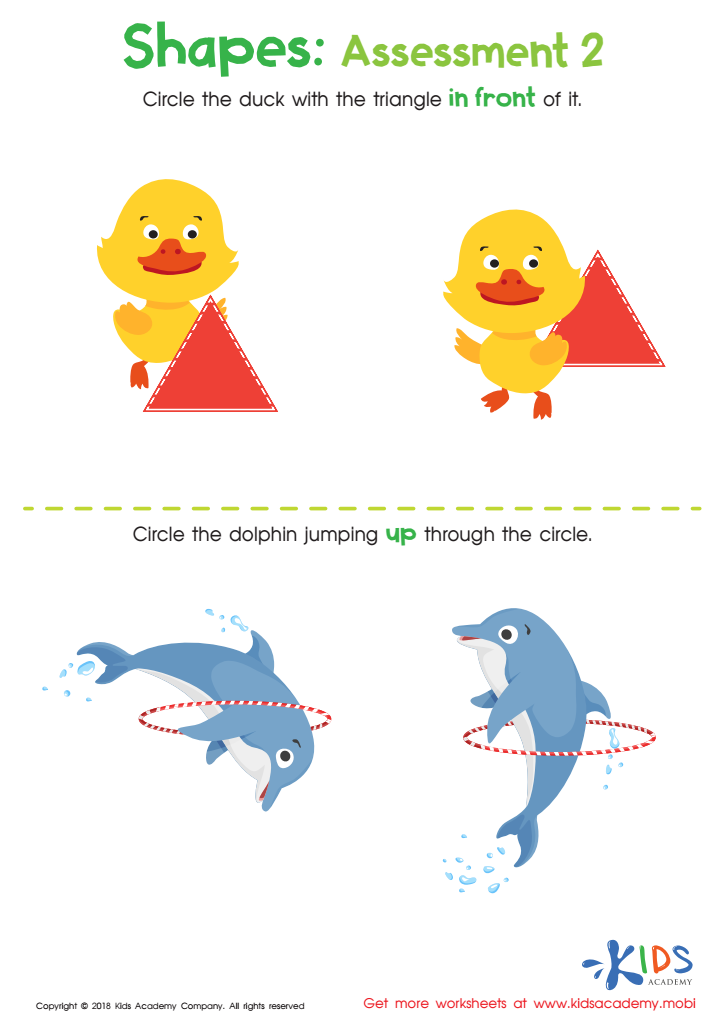
Geometry – Assessment 2 Worksheet
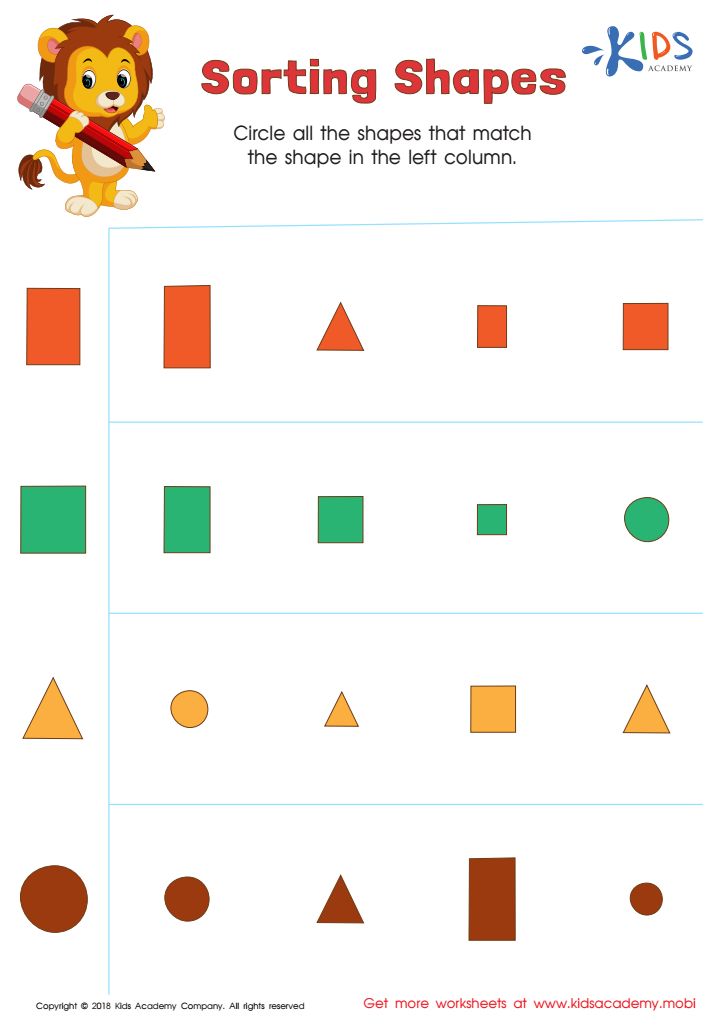
Sorting Shapes - Part 2 Worksheet
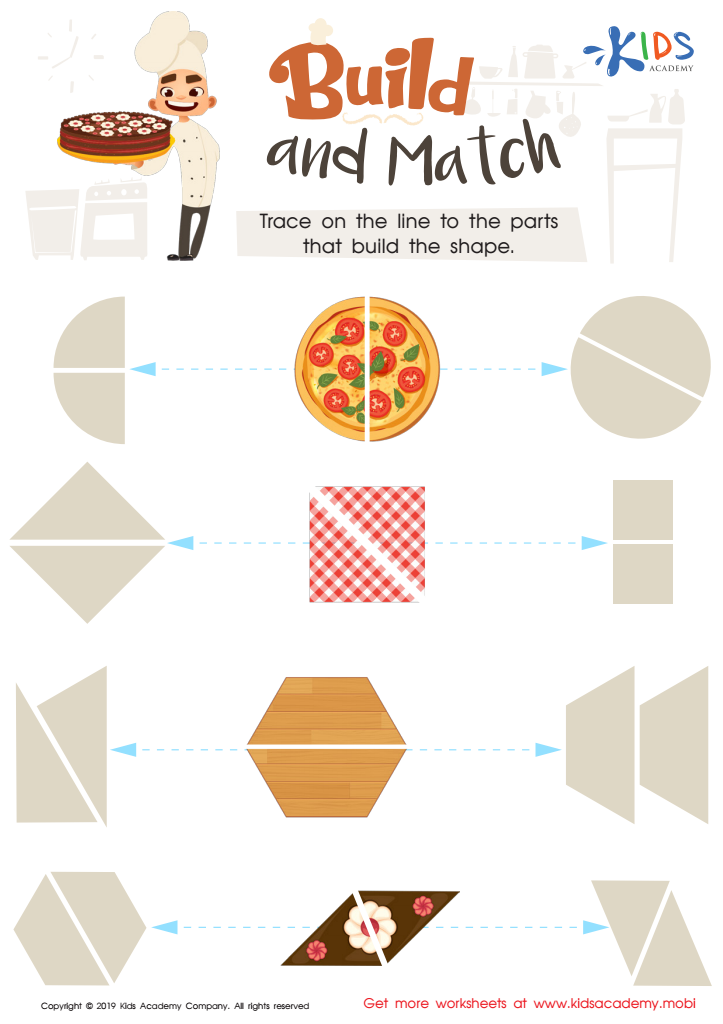
Build and Match Worksheet
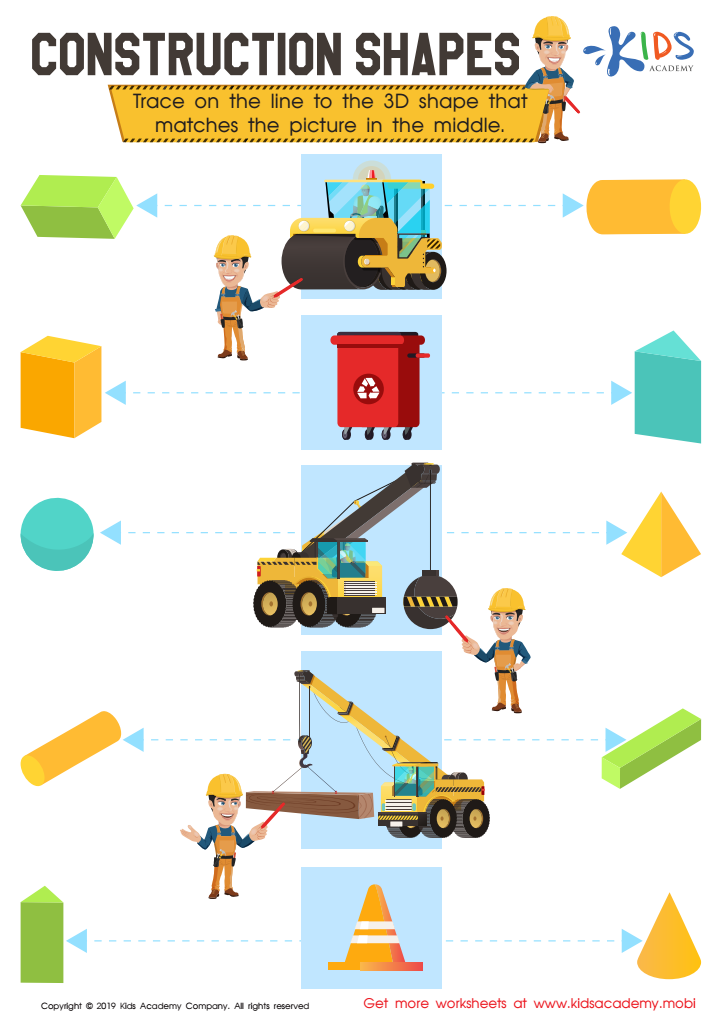
Construction Shapes Worksheet








Shape recognition and geometry are essential foundational skills for children aged 4-6, serving as building blocks for future learning. Understanding shapes helps children develop spatial awareness, critical thinking, and problem-solving skills. When kids can identify and differentiate between shapes—such as triangles, circles, and squares—they begin to understand the world around them, facilitating early math skills through counting, measurement, and even basic addition and subtraction.
Moreover, engaging in shape-related activities enhances fine motor skills as children draw, mold, or arrange shapes. This tactile experience supports artistic expression and creativity, all while learning mathematical concepts. Shape recognition also plays a crucial role in language development. As children learn to describe shapes, they expand their vocabulary and improve communication abilities.
For parents and teachers, prioritizing shape recognition provides opportunities for interactive play, fostering a love for learning. Simple games, puzzles, and everyday examples—like recognizing shapes in a park or kitchen—encourage exploration and curiosity. Ultimately, establishing a strong grounding in geometry not only prepares children for academic success in math but also nurtures skills vital for real-world problem-solving, leading to well-rounded development. Thus, supporting shape recognition merits significance in early education.








