Vocabulary Building Geometry Worksheets for Ages 4-6
3 filtered results
-
From - To
Discover our engaging Vocabulary Building Geometry Worksheets designed for children ages 4-6! These interactive activities introduce young learners to essential geometric terms and concepts through fun and colorful illustrations. Perfect for enhancing critical thinking and language development, our worksheets encourage kids to explore shapes, size, and spatial relationships as they practice basic vocabulary. With easy-to-follow instructions and diverse exercises, these resources support early math learning and boost confidence in problem-solving. Whether at home or in the classroom, our geometry worksheets create a captivating environment for young minds to thrive. Start your child’s journey into geometry today!
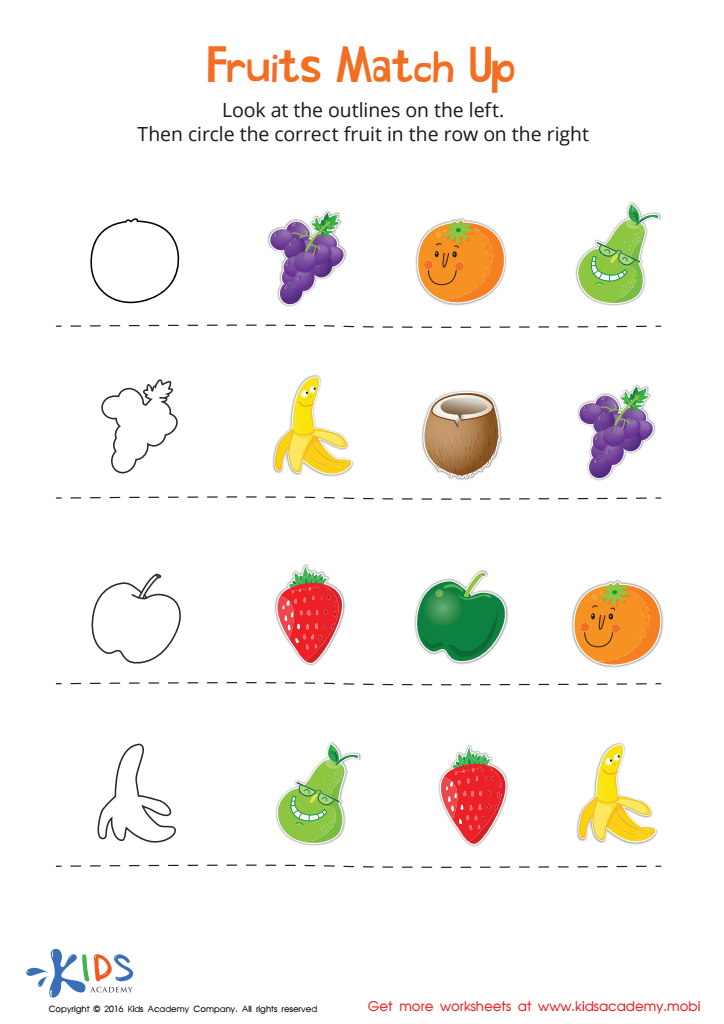
Fruits Match Up Worksheet
 Assign to My Students











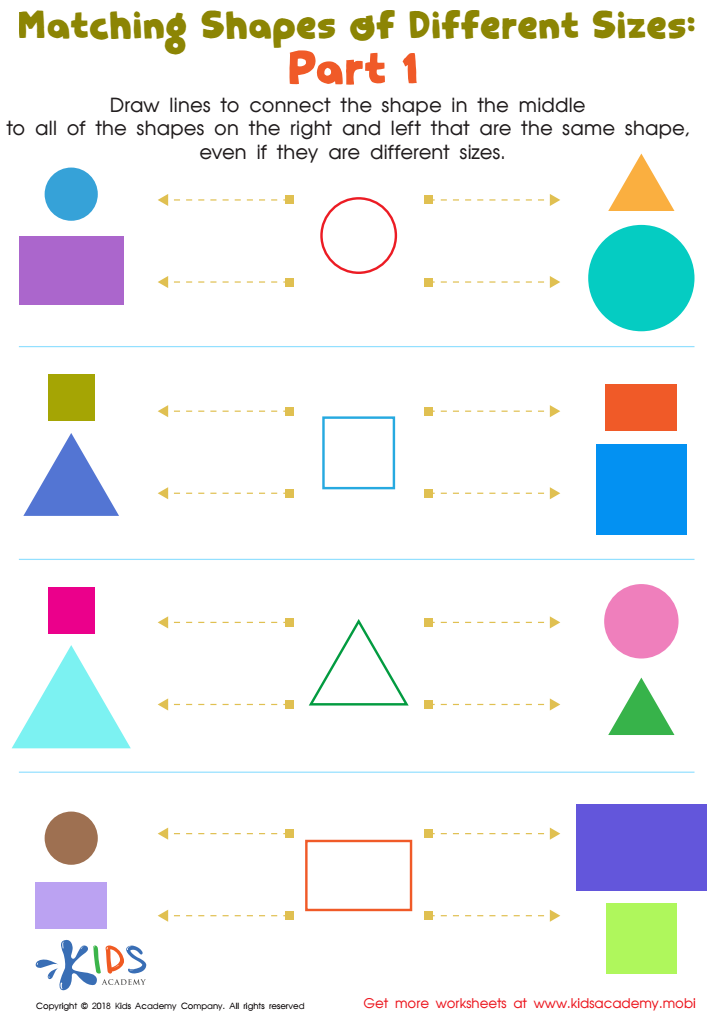
Geometry: part 1 Worksheet
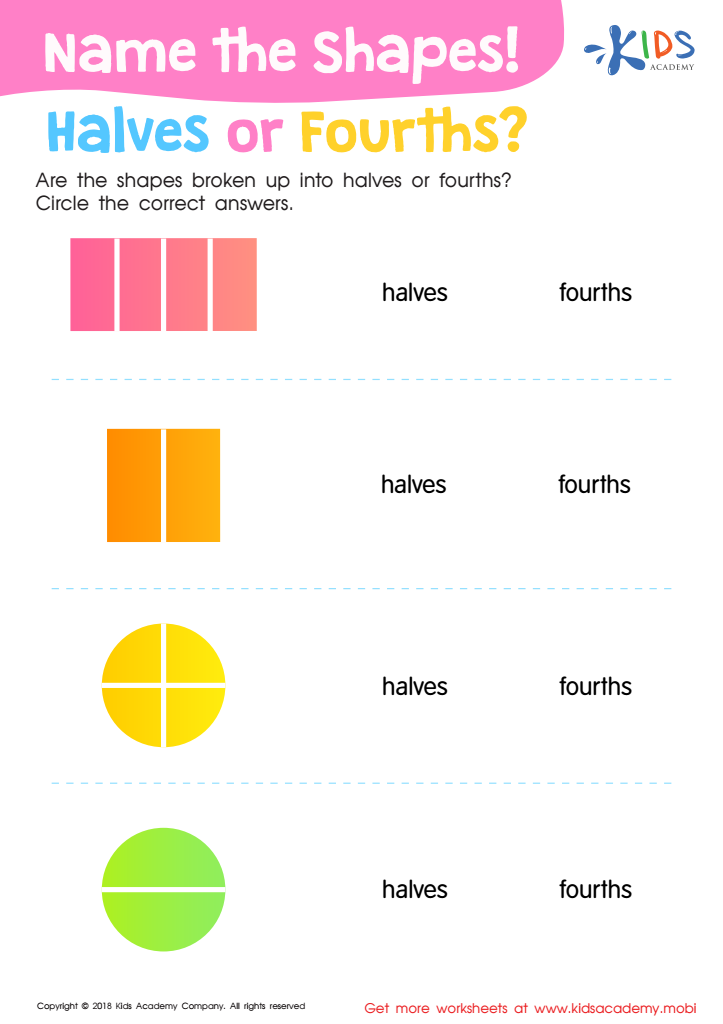
Name the Shapes Halves or Fourths? Worksheet








Vocabulary building in geometry for ages 4-6 is essential for early development, laying the foundation for future mathematical understanding and overall academic success. During these formative years, children are naturally curious and often demonstrate an innate ability to grasp new concepts. Introducing geometric vocabulary at this age encourages spatial awareness and critical thinking. It helps children identify shapes, understand their properties, and relate them to their surroundings, fostering observation skills.
Moreover, vocabulary acquisition enhances a child's communication skills, allowing them to articulate their thoughts and questions effectively. Children who learn to describe shapes and their attributes develop better reasoning skills and can engage more fully in problem-solving activities. This early engagement in geometric vocabulary can also cultivate a positive attitude toward math, establishing a belief that they can succeed in this subject.
Additionally, building a robust vocabulary in geometry supports cross-disciplinary learning, enhancing literacy as children learn to read and write geometric terms. Crystalizing these concepts through play and exploration provides opportunities for interactive learning, creating memorable experiences that reinforce their understanding. Overall, focusing on vocabulary building in geometry at this age is a crucial stepping stone to a child's academic journey, enabling them to build confidence and a strong cognitive framework for future learning.








