Basic Math Skills Numbers Worksheets for Ages 4-6 - Page 2
34 filtered results
-
From - To
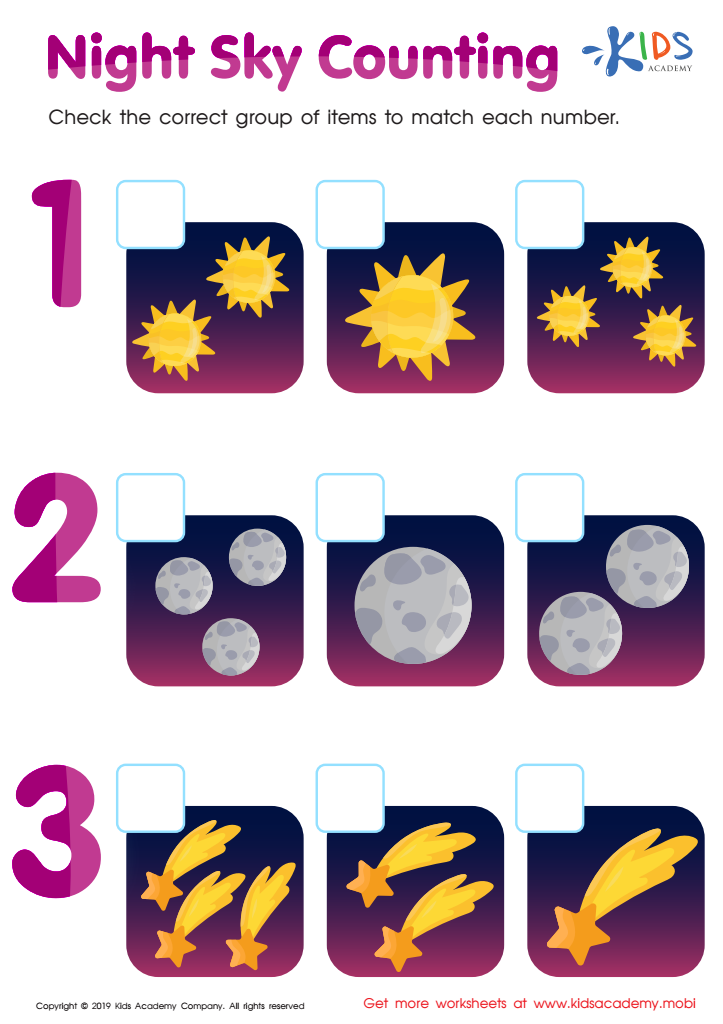
Night Sky Counting Worksheet
 Assign to My Students
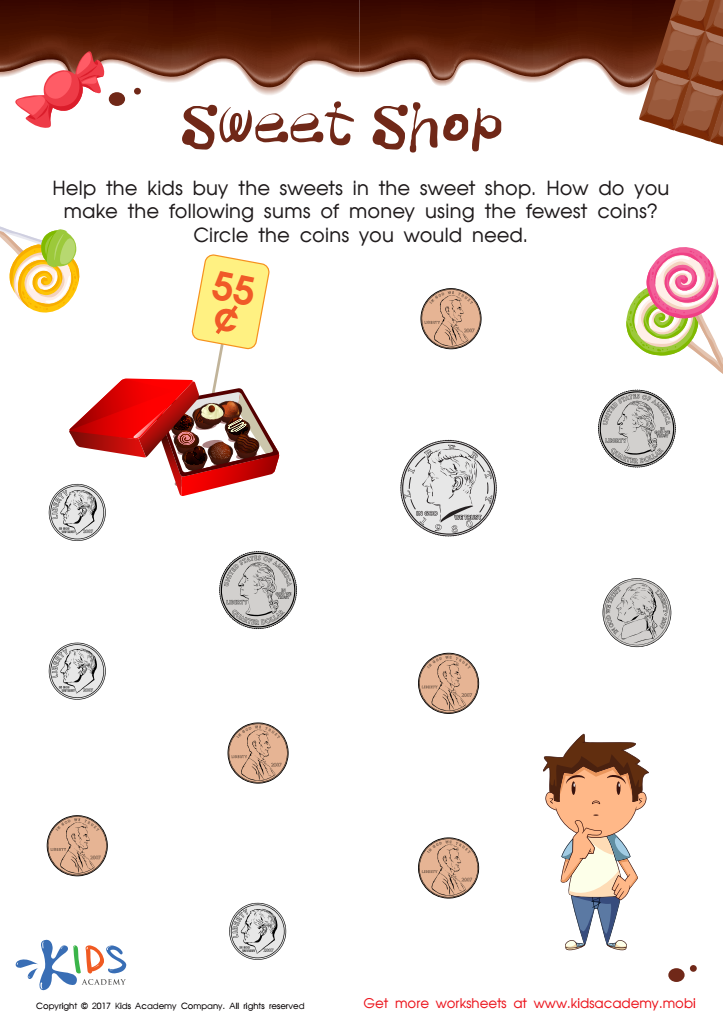
Sweet Shop – Counting Coins Worksheet
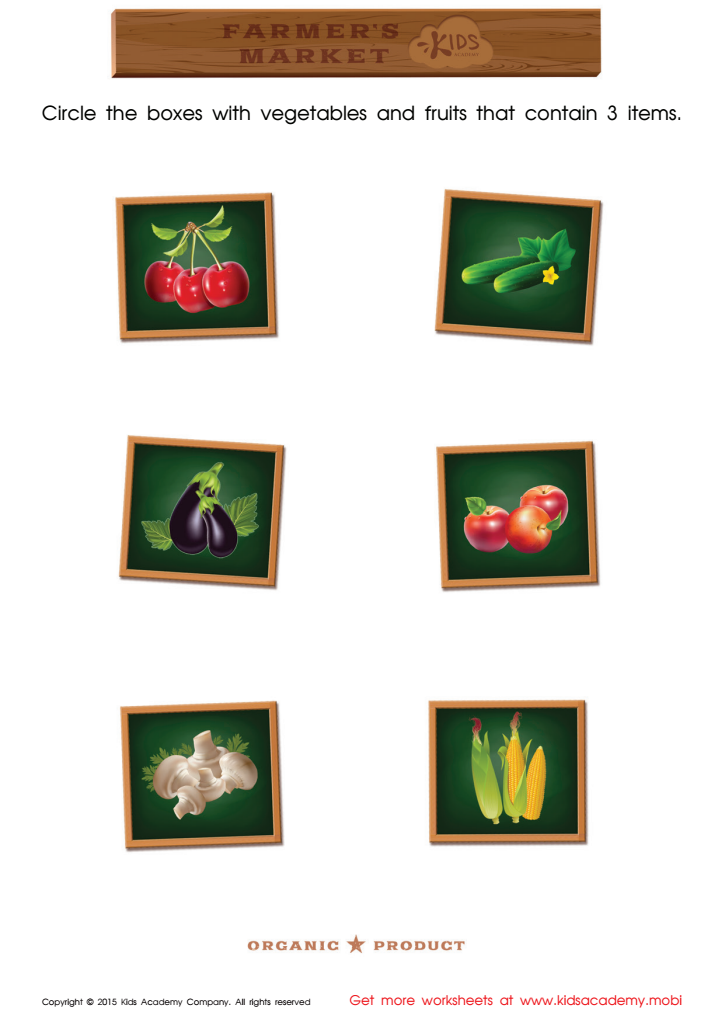
Count and Match Vegetables 1 – 5 Math Worksheet
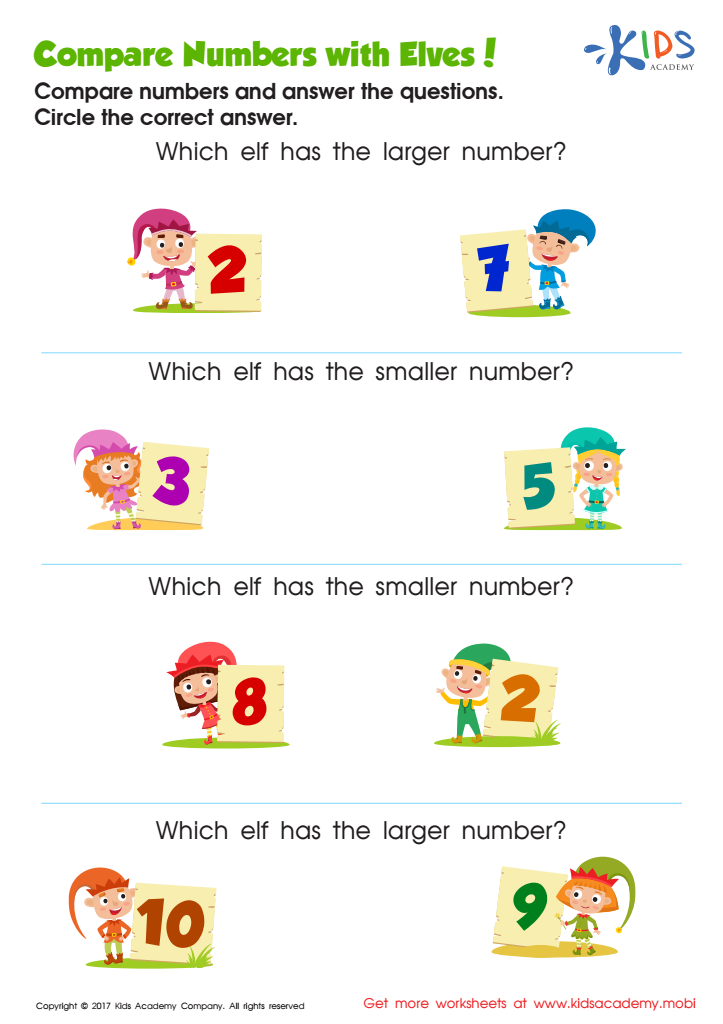
Comparing Numbers Worksheet for Kindergarten
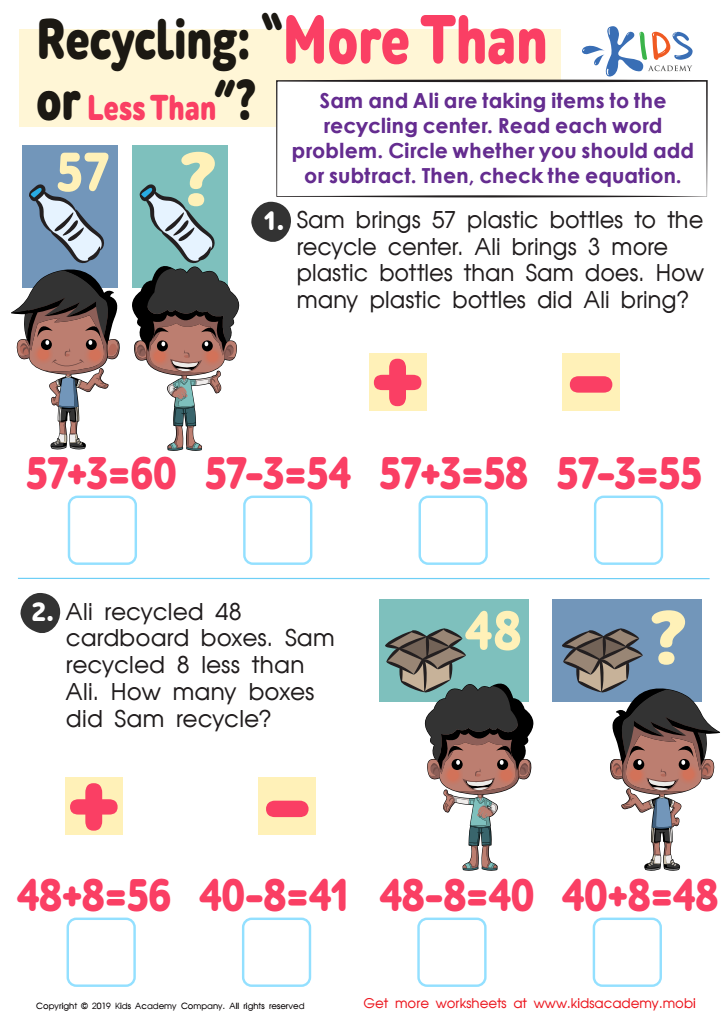
Recycling - More or Less Worksheet
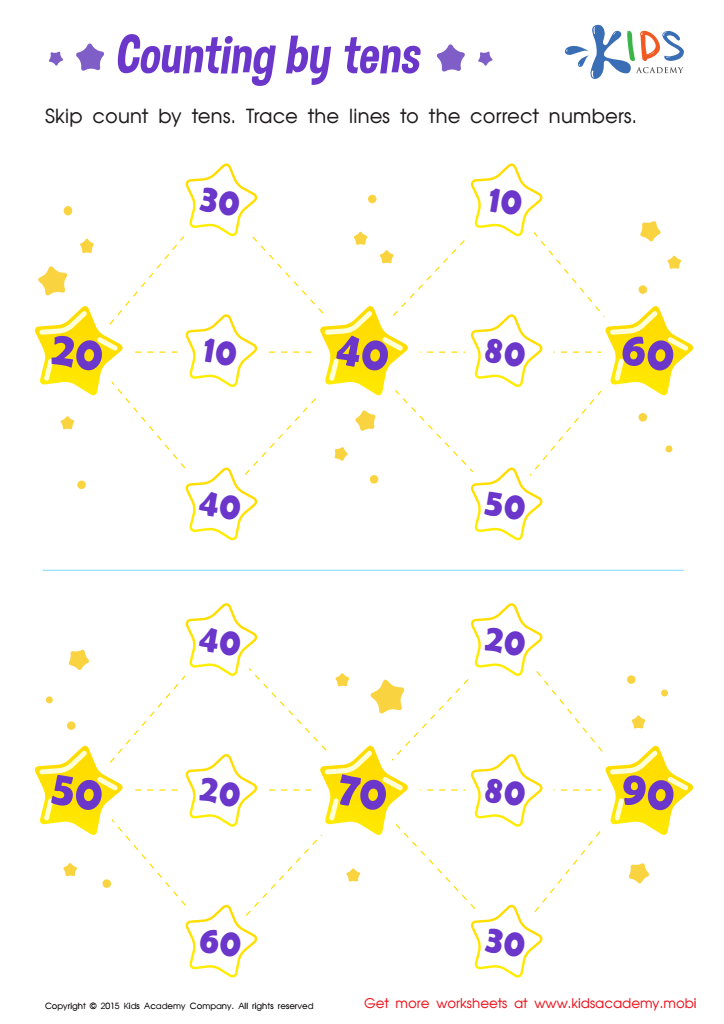
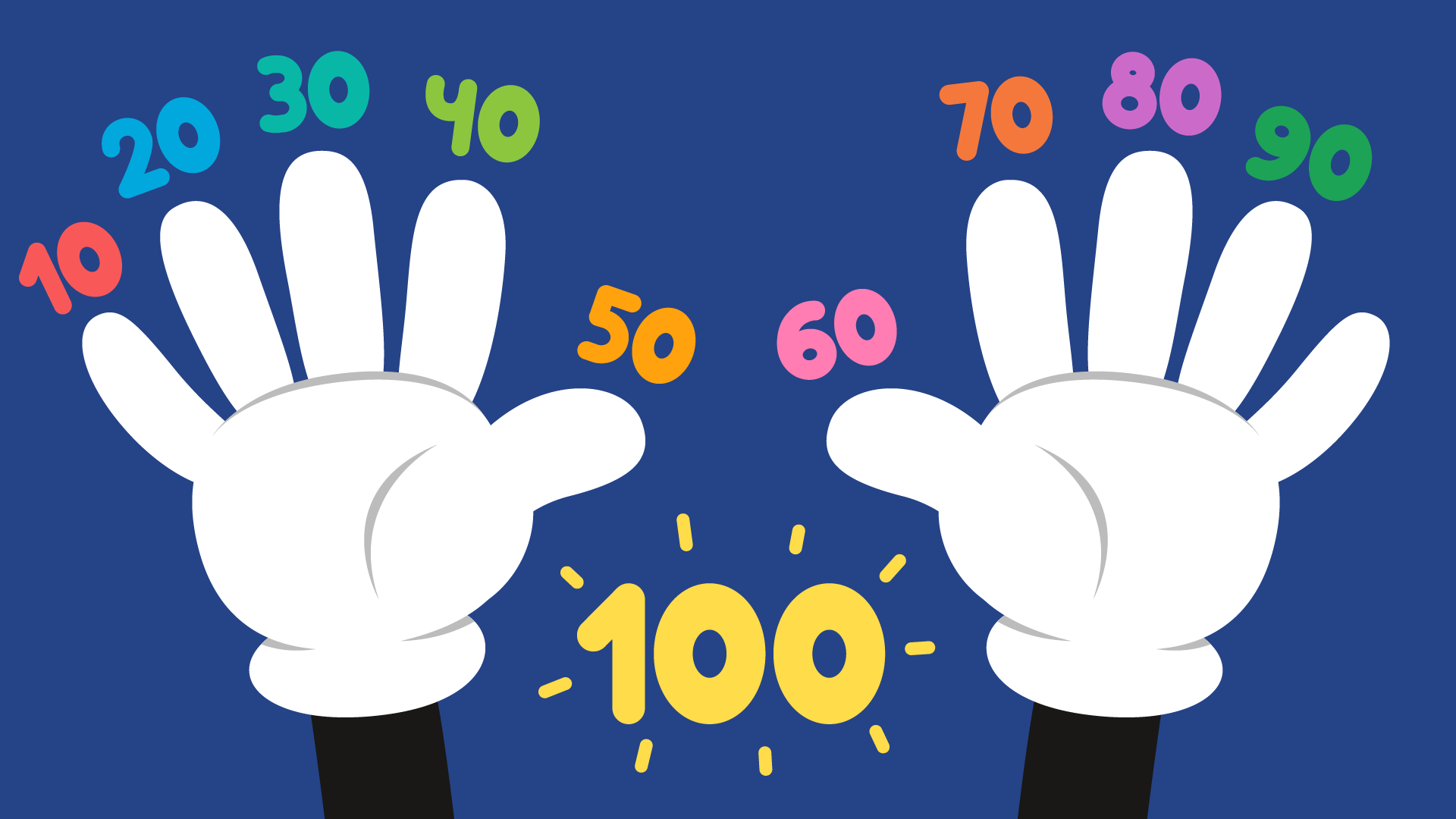
Learn Dozens: Counting by Tens Printable
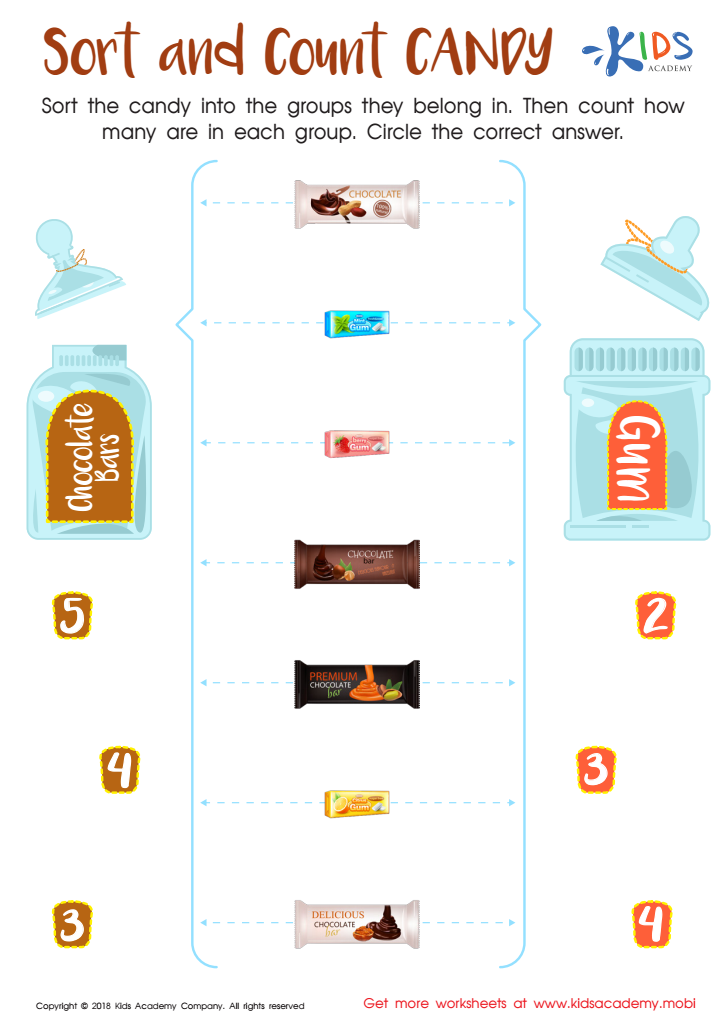
Sort and Count Candy Worksheet
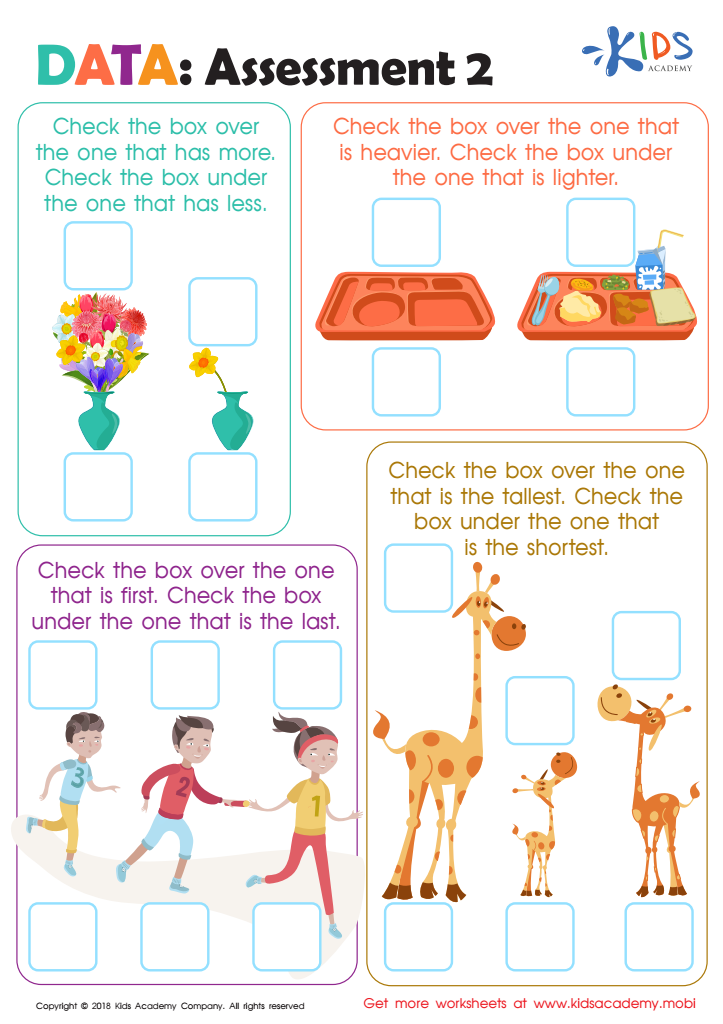
Data: Assessment 2 Worksheet
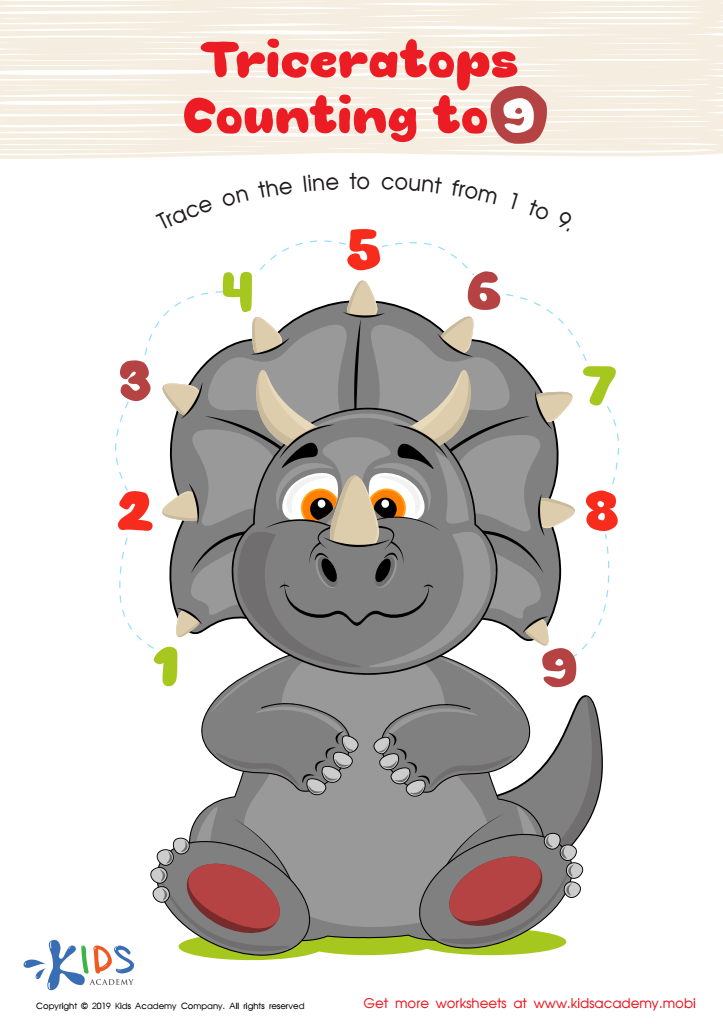
Triceratops Counting to 9 Worksheet
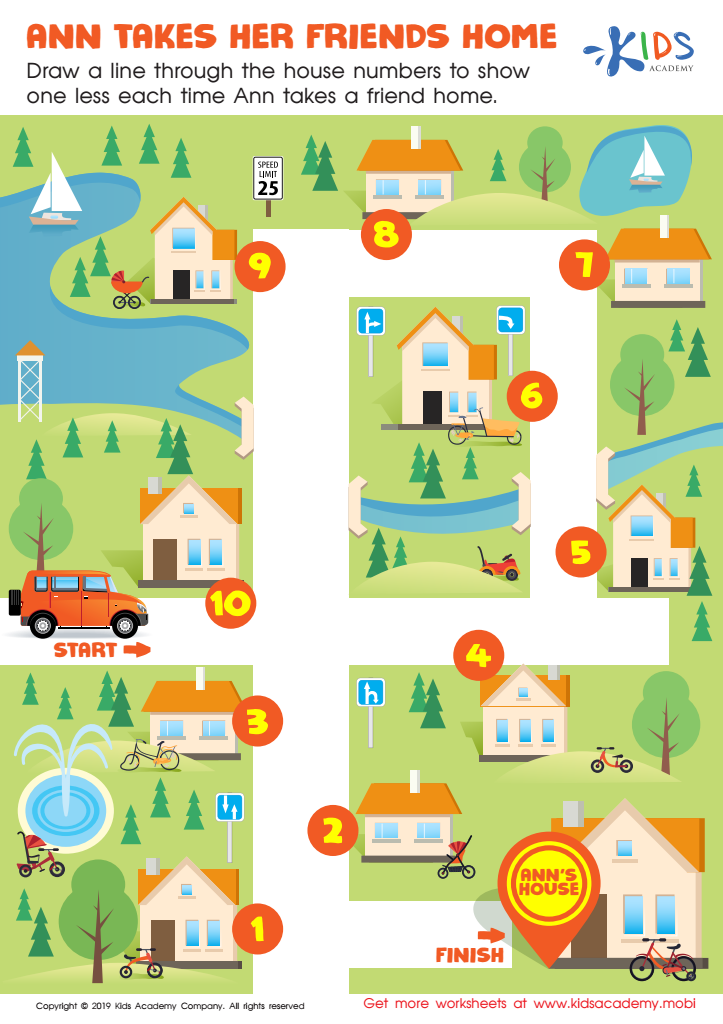
Ann Takes her Friends Home Worksheet







Parents and teachers should highly value basic math skills for children aged 4-6, as these skills lay the critical foundation for future academic success and everyday problem-solving abilities. At this developmental stage, young minds are like sponges, eager to absorb new concepts, making it an ideal time to introduce basic number skills such as counting, recognizing digits, understanding simple addition and subtraction, and comprehending number order.
Early math proficiency promotes cognitive development, helping children enhance their logical thinking and reasoning abilities. These skills are not only crucial for higher-level math subjects but are also applicable in everyday life, making tasks like telling time, handling money, and following recipes more manageable. Furthermore, early math experiences foster a child’s confidence in their capabilities, cultivating a positive attitude toward learning that extends beyond the classroom.
In particular, strong early math skills correlate with better academic performance across various subjects. Math preparedness gains children an edge in learning patterns, developing spatial cognition, and improving problem-solving strategies necessary for science, technology, engineering, and mathematics (STEM) fields.
Therefore, by prioritizing basic math skills, parents and teachers empower children to achieve lasting educational benefits and everyday practical outcomes. Engaging, age-appropriate activities take advantage of this critical learning period, setting a strong stage for academic and personal life skills development.








