Categorization skills Numbers Worksheets for Ages 4-6
4 filtered results
-
From - To
Unlock your child's potential with our "Categorization Skills Numbers Worksheets" designed for ages 4-6! These engaging and interactive worksheets help young learners develop essential categorization skills through numbers. Children will enjoy sorting, grouping, and identifying patterns, enhancing their cognitive abilities while practicing number recognition. Our thoughtfully crafted activities align with early educational standards, ensuring a fun and effective learning experience. Ideal for at-home practice or classroom activities, these worksheets empower kids to explore numbers in an exciting way. Give your child the tools they need to succeed in math and build a strong foundation for future learning!
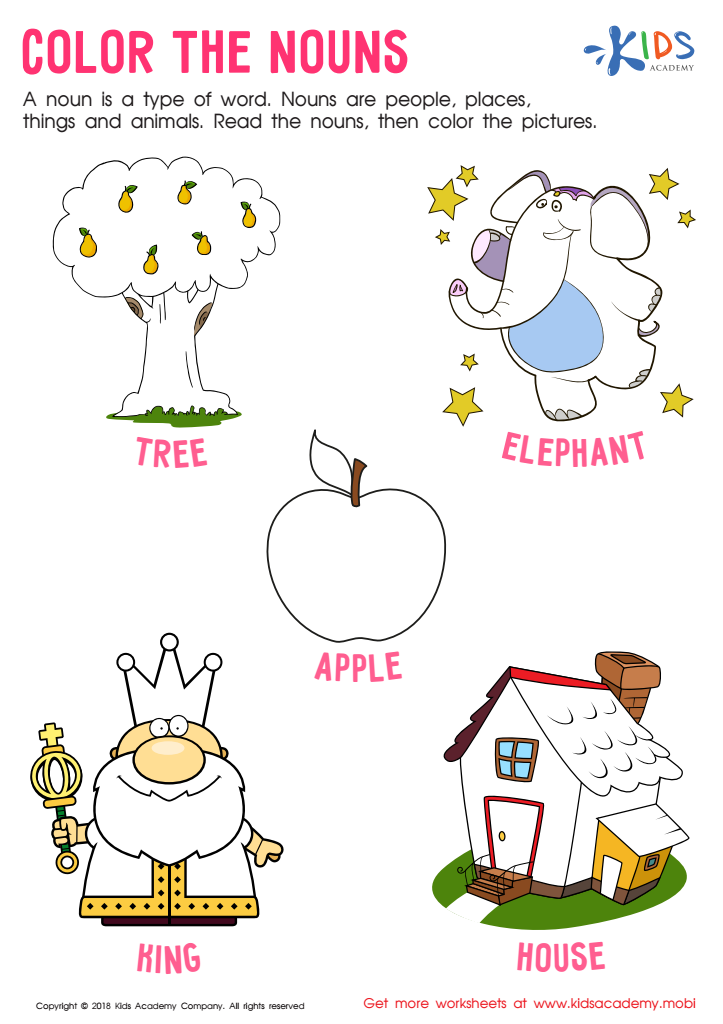
Color the Nouns Worksheet
 Assign to My Students
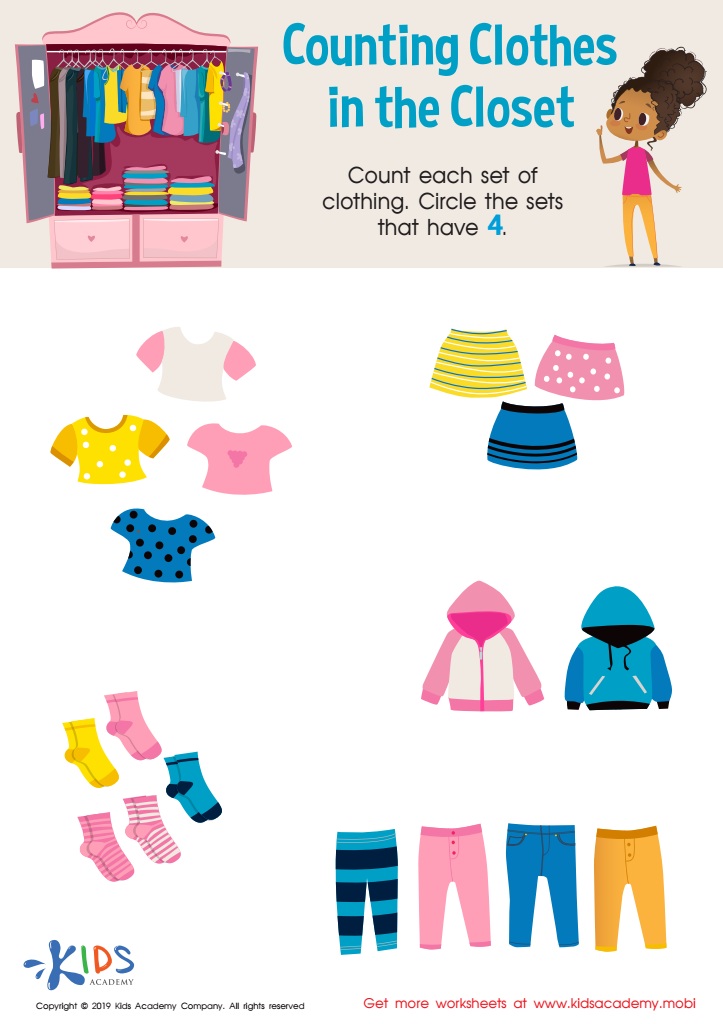
Counting Clothes Worksheet
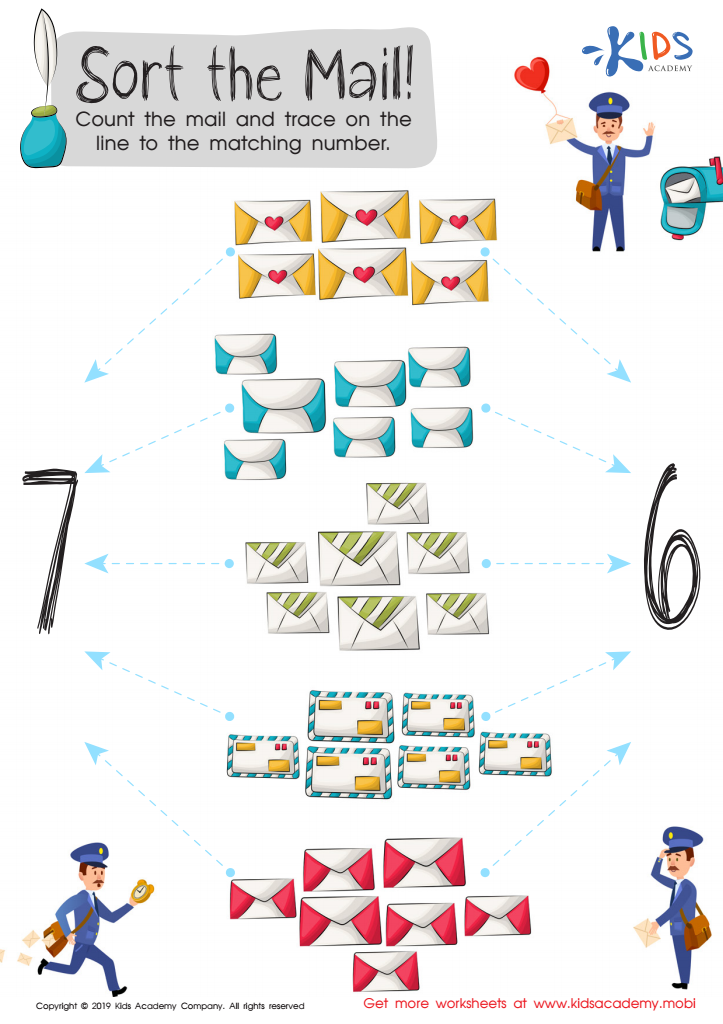
Sort the Mail Worksheet
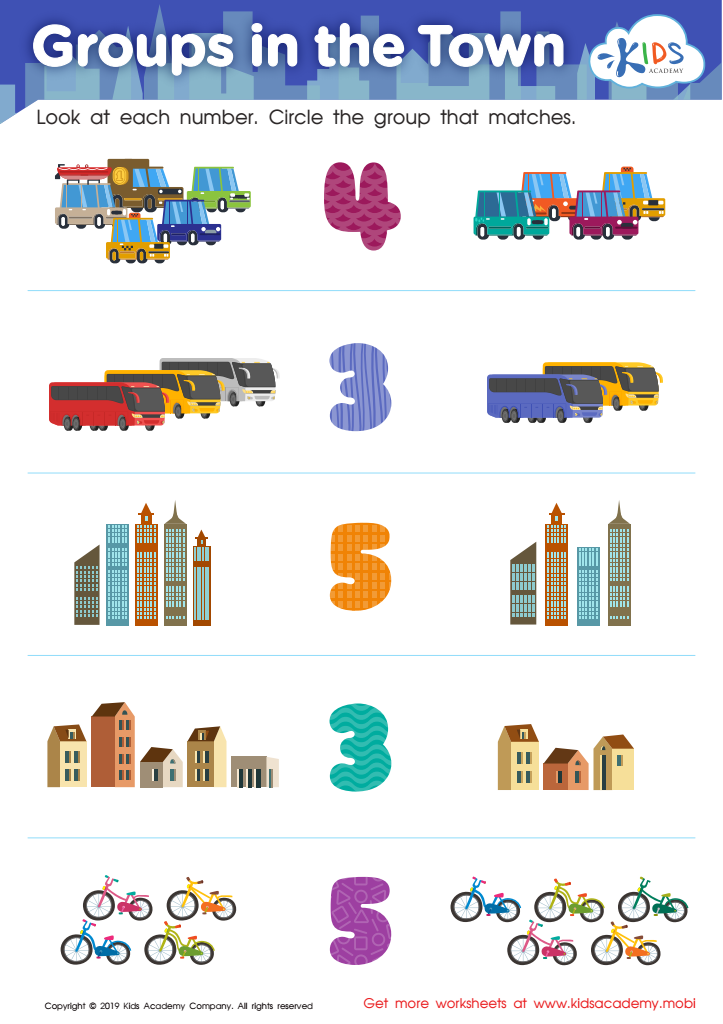
Groups in the Town Worksheet


%20(1).jpg)





Categorization skills in early childhood, especially for children aged 4 to 6, are crucial for their cognitive development and foundational learning. These skills help children group objects based on shared characteristics, such as color, shape, size, or function. By honing their categorization abilities, children learn to understand relationships and differences in the world around them.
Parents and teachers should care about these skills because they are fundamental in helping children make sense of their environment. Effective categorization lays the groundwork for critical thinking and problem-solving by encouraging children to analyze information and recognize patterns. Early mastery of these skills can enhance literacy and numeracy as children learn to categorize letters or numbers, furthering their success in reading and math.
Furthermore, categorization fosters social skills. As children learn to group toys or peers, they develop communication skills through discussion and negotiation, and enhance their abilities to cooperate and empathize with others. When caregivers actively promote categorization through playful tasks and games, they not only engage young learners but also build confidence and curiosity, setting a positive tone for lifelong learning. In essence, supporting categorization skills contributes significantly to holistic child development, nurturing intelligent, socially adept, and emotionally resilient individuals.








