Critical Thinking Numbers Worksheets for Ages 4-6
5 filtered results
-
From - To
Enhance your child's early learning experience with our "Critical Thinking Numbers Worksheets for Ages 4-6." Designed to promote cognitive development, these engaging worksheets challenge young minds to think independently while exploring fundamental math concepts. Children will use problem-solving skills to tackle number identification, sequencing, and simple addition and subtraction tasks. Each worksheet is thoughtfully created to encourage critical thinking through interactive exercises, making learning enjoyable and impactful. Perfect for parents and educators, these resources foster a solid mathematical foundation while promoting essential analytical skills. Equip your little learners with the tools they need for success in mathematics and beyond!
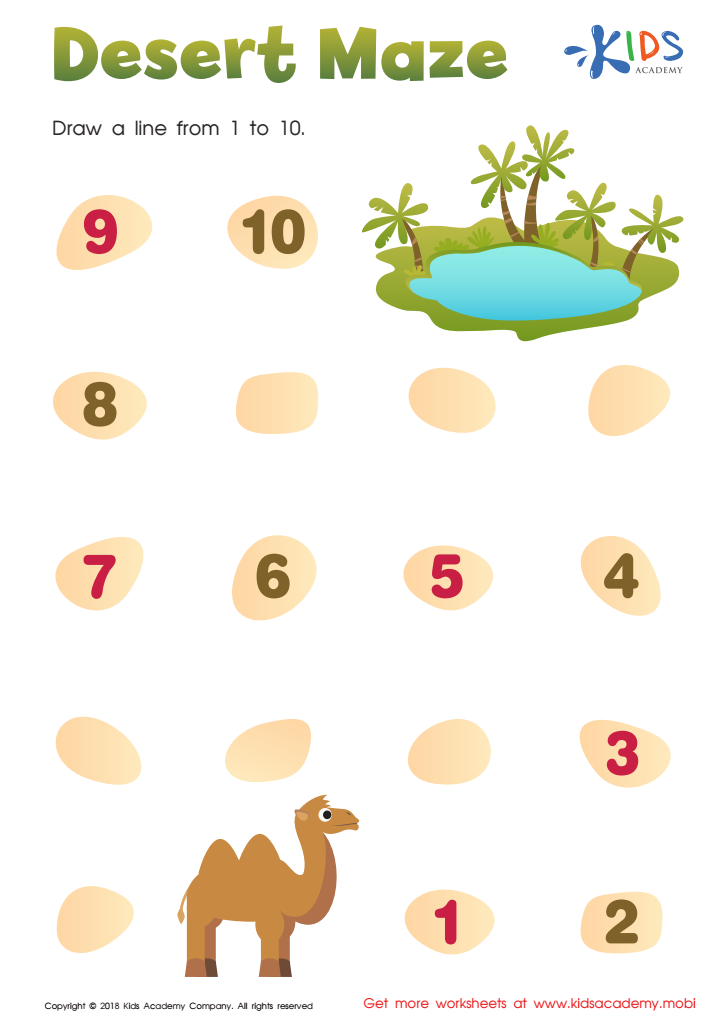
Desert Maze Worksheet
 Assign to My Students
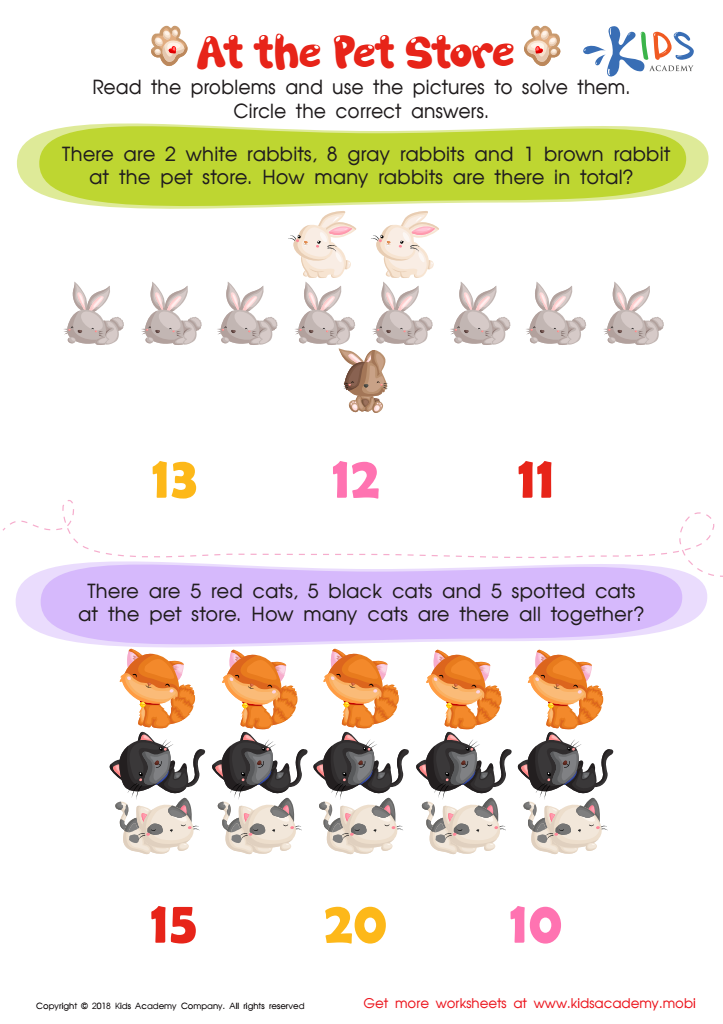
At the Pet Store Word Problems Worksheet
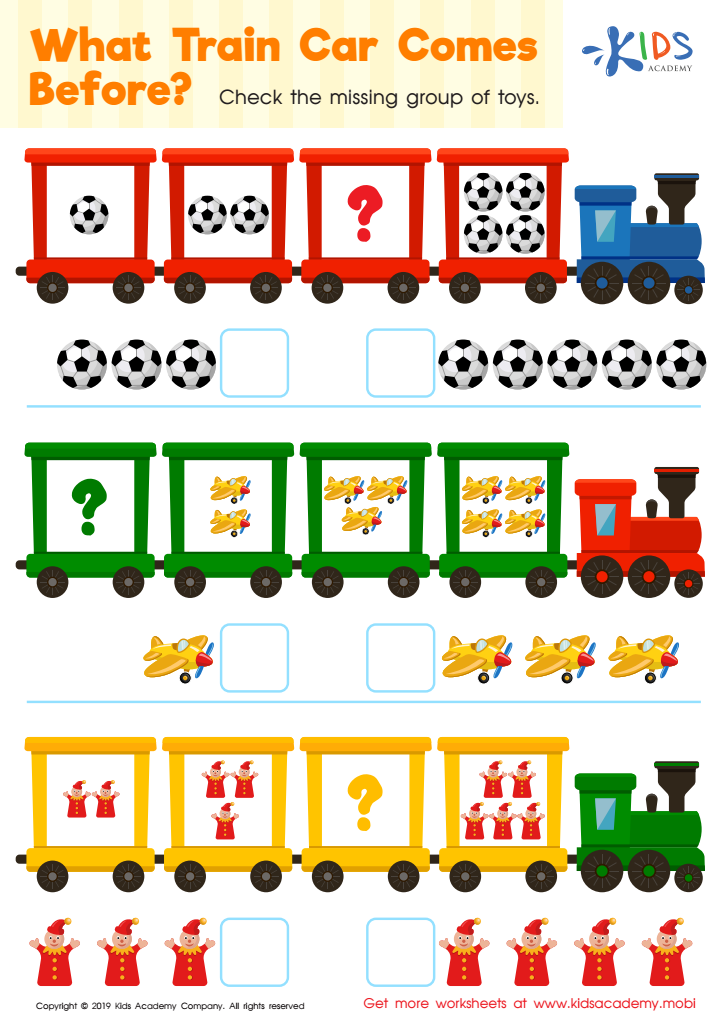
What Train Car Comes Before? Worksheet
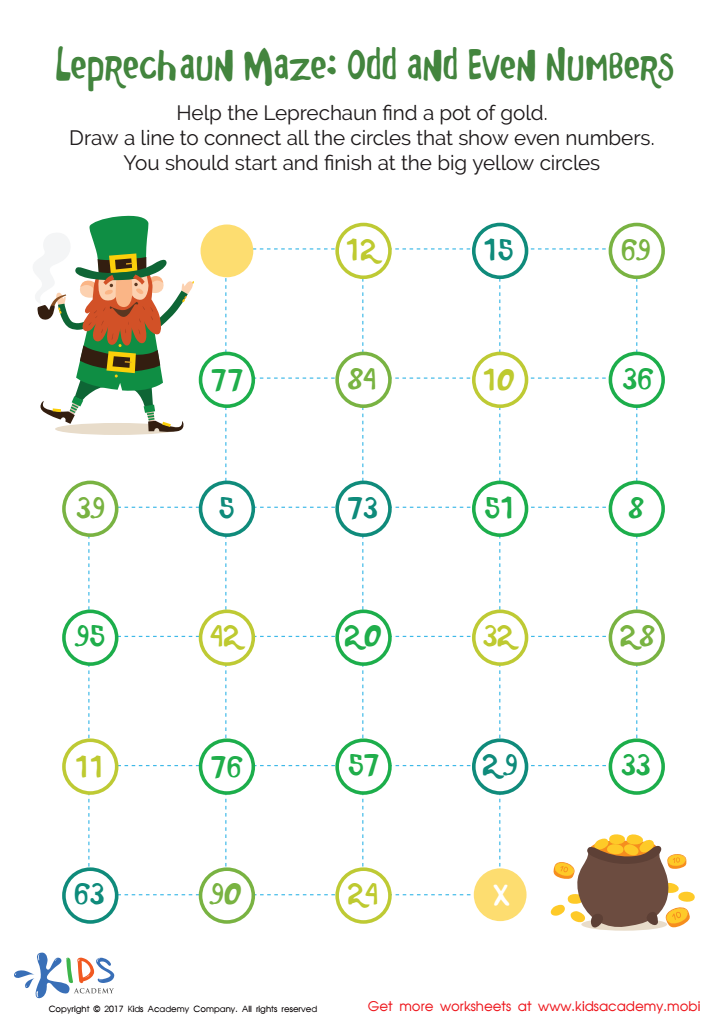
Leprechaun Maze Printable
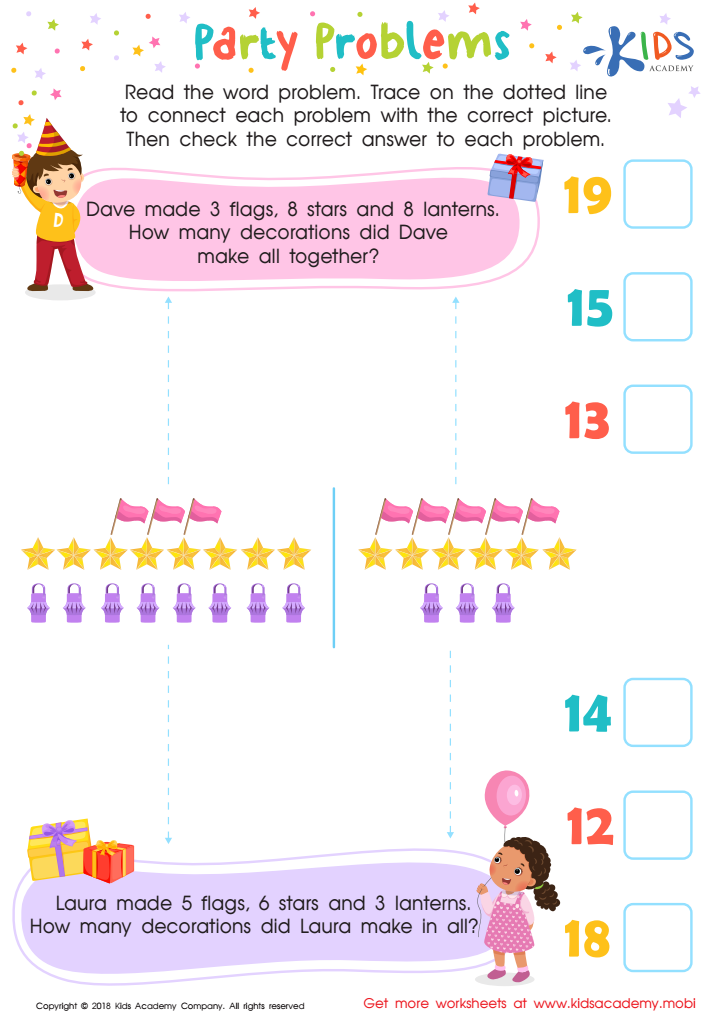
Party Problems Worksheet








Parents and teachers should prioritize critical thinking numbers for children aged 4-6 because this foundational skill lays the groundwork for problem-solving and analytical abilities later in life. At this young age, children are naturally curious, and fostering critical thinking nurtures their inclination to explore, question, and understand the world around them.
Introducing critical thinking numbers helps children develop cognitive skills including reasoning, pattern recognition, and logical progression. For example, engaging in activities that involve counting, sorting, and basic arithmetic teaches them more than just numbers; it inspires them to think critically about relationships among quantities and concepts of 'more' or 'less.'
Additionally, critical thinking skills support emotional and social development. Children learn to articulate thoughts, consider various viewpoints, and make choices—skills imperative for navigating friendships and group interactions. Integrating critical thinking into activity-based learning, like puzzles or hands-on experiments, keeps them engaged while teaching resilience in the face of challenges.
In essence, nurturing critical thinking numbers in early childhood will equip children with essential tools to thrive academically and socially, set a lifelong love for learning, and prepare them to tackle complex concepts as they progress in their education.








