Data interpretation Numbers Worksheets for Ages 4-6
5 filtered results
-
From - To
Welcome to our engaging Data Interpretation Numbers Worksheets for ages 4-6! Designed to introduce young learners to basic data concepts, these worksheets make learning fun and interactive. Children will explore simple charts, graphs, and tables while enhancing their math skills. Our resources encourage hands-on learning through colorful visuals and relatable exercises that foster critical thinking and analytical skills. Perfect for both classroom settings and at-home learning, these worksheets support early numeracy development and pave the way for future math success. Start your child's journey in understanding data today with our curated collection of worksheets tailored for young minds!
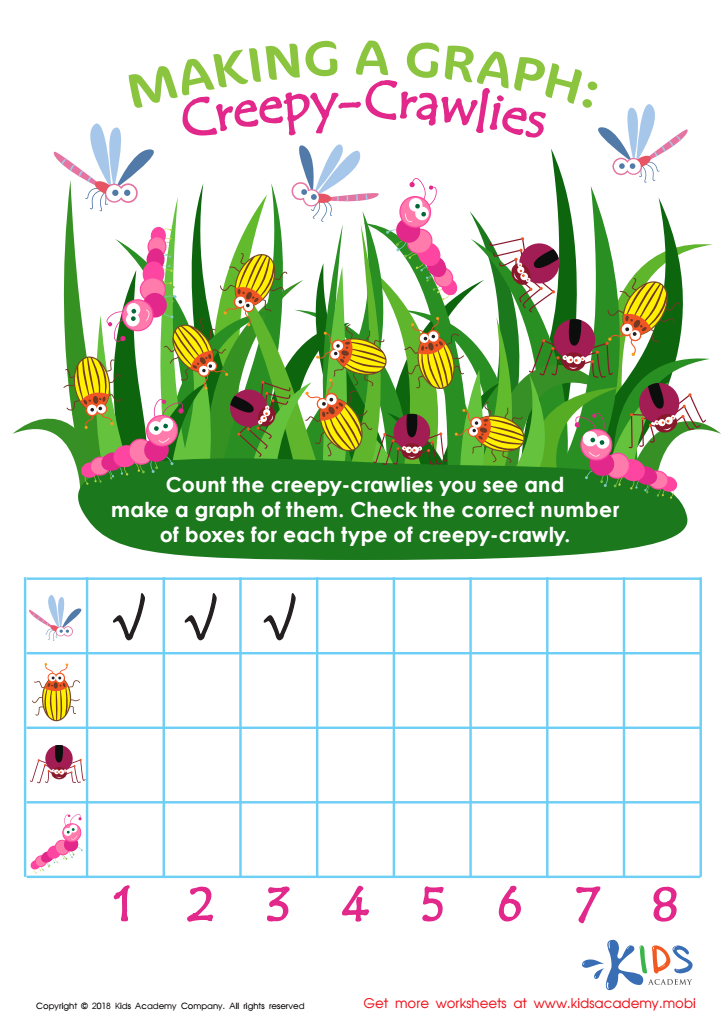
Making a Graph: Creepy Crawlies Worksheet
 Assign to My Students
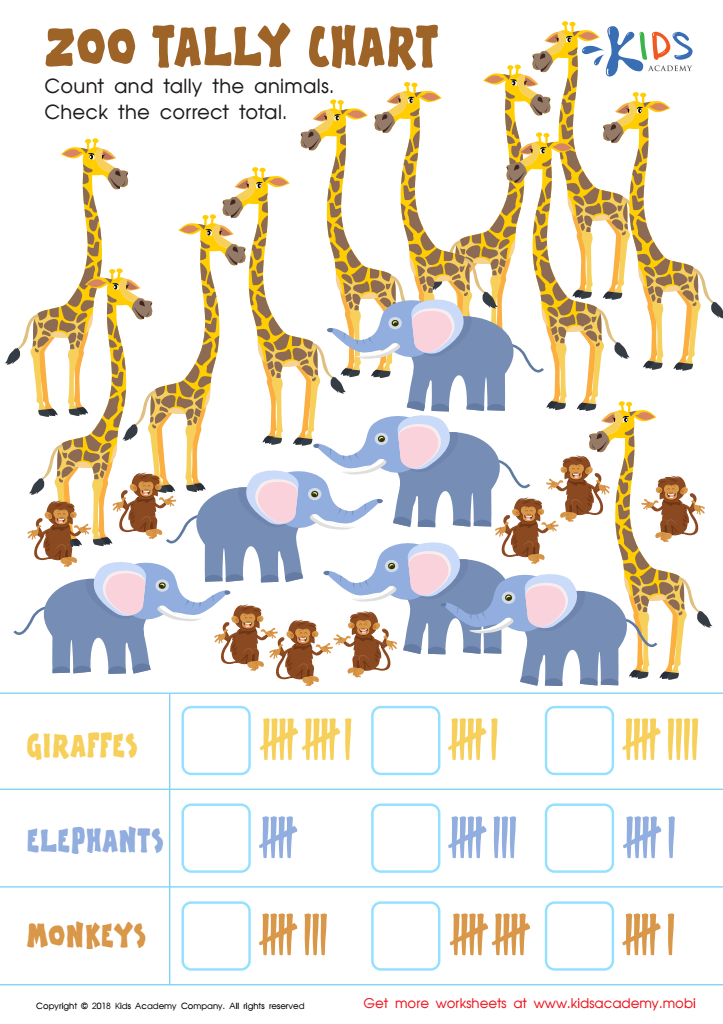
Zoo Tally Chart Worksheet
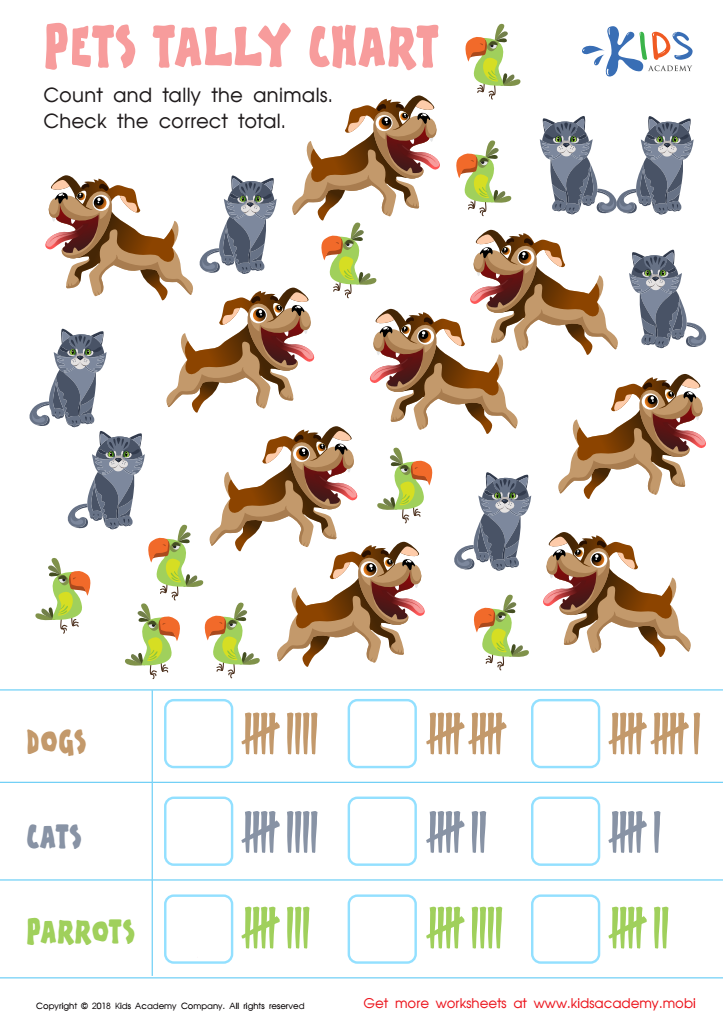
Pets Tally Chart Worksheet
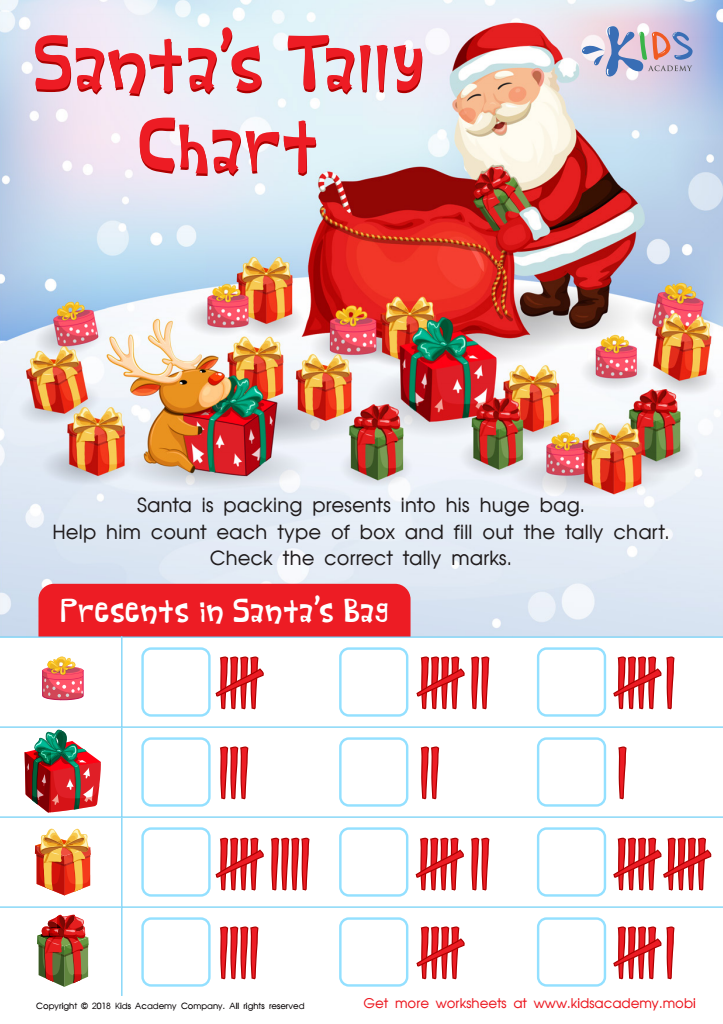
Santa Tally Chart Worksheet
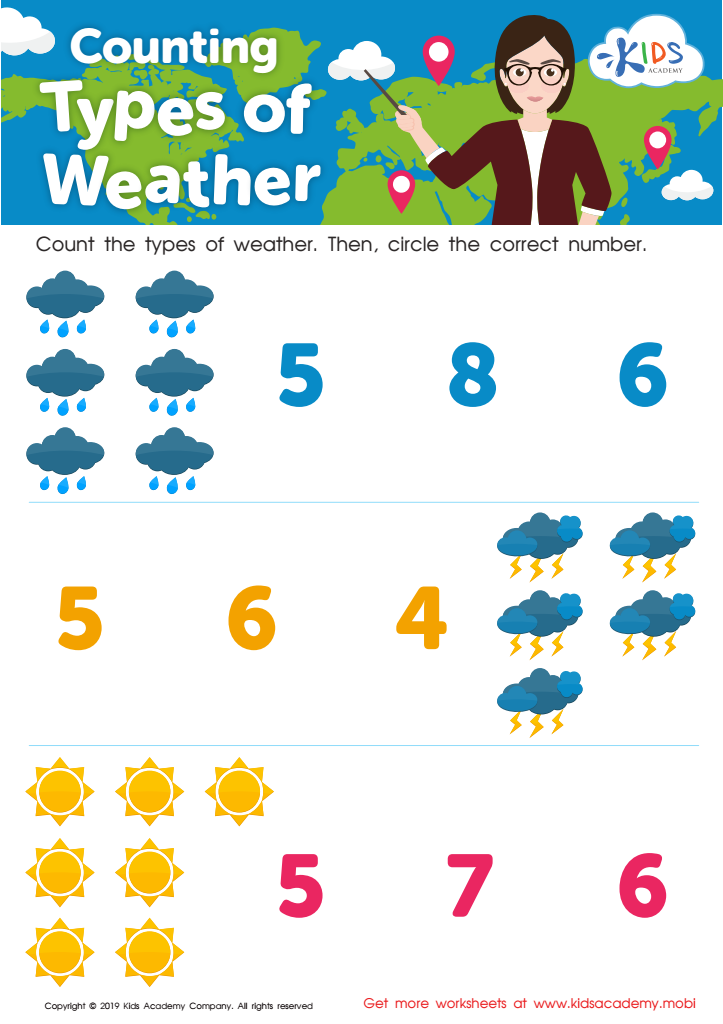
Counting Types of Weather Worksheet






%20(1).jpg)

Data interpretation and an understanding of numbers are crucial skills for children aged 4-6, laying a solid foundation for their future educational journey. At this early stage, children are naturally curious and eager to make sense of the world around them. Introducing them to basic data concepts through playful activities, such as sorting objects, counting, and charting their favorite snacks, engages their curiosity and fosters analytical thinking.
Parents and teachers play a key role in nurturing this analytical mindset. By involving children in data activities, they help them to develop critical thinking, problem-solving, and decision-making skills. Recognizing patterns and making comparisons aids in their cognitive development and encourages mathematical thinking in everyday situations.
Moreover, these skills extend beyond basic math; they promote literacy by encouraging children to express findings and communicate insights. As children learn to interpret data, they also build confidence in their ability to tackle more complex concepts in later years.
Ultimately, fostering a love for numbers and data at a young age creates a positive learning environment, setting the stage for academic success and lifelong learning. Therefore, parents and teachers should actively engage children in fun data interpretation activities to support their holistic development.








