Problem Solving Numbers Worksheets for Ages 4-6
5 filtered results
-
From - To
Discover an engaging collection of Problem Solving Numbers Worksheets designed specifically for children aged 4 to 6. These worksheets aim to enhance critical thinking and fundamental math skills through fun and interactive problems. Young learners will explore numbers and basic arithmetic concepts while developing essential problem-solving abilities. Each worksheet is tailored to captivate and build confidence in young minds, making math enjoyable. Perfect for classroom use or at-home practice, these resources provide a solid foundation for early mathematics learning. Start your child's problem-solving journey today with our thoughtfully crafted worksheets that inspire curiosity and a love for numbers!
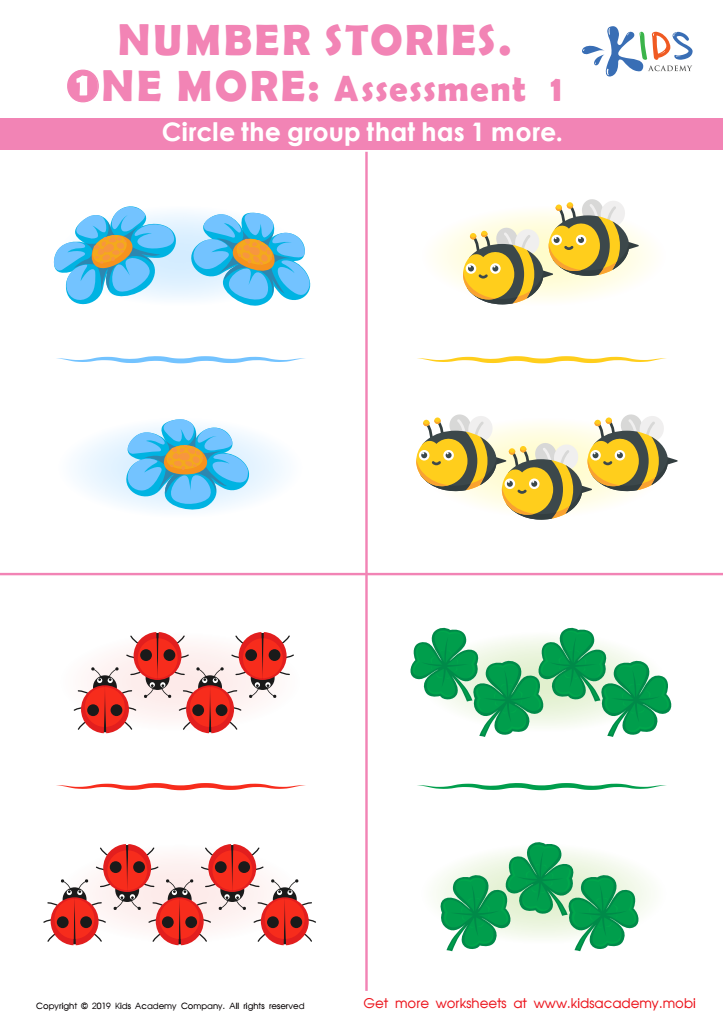
Number Stories One More – Assessment 1 Worksheet
 Assign to My Students
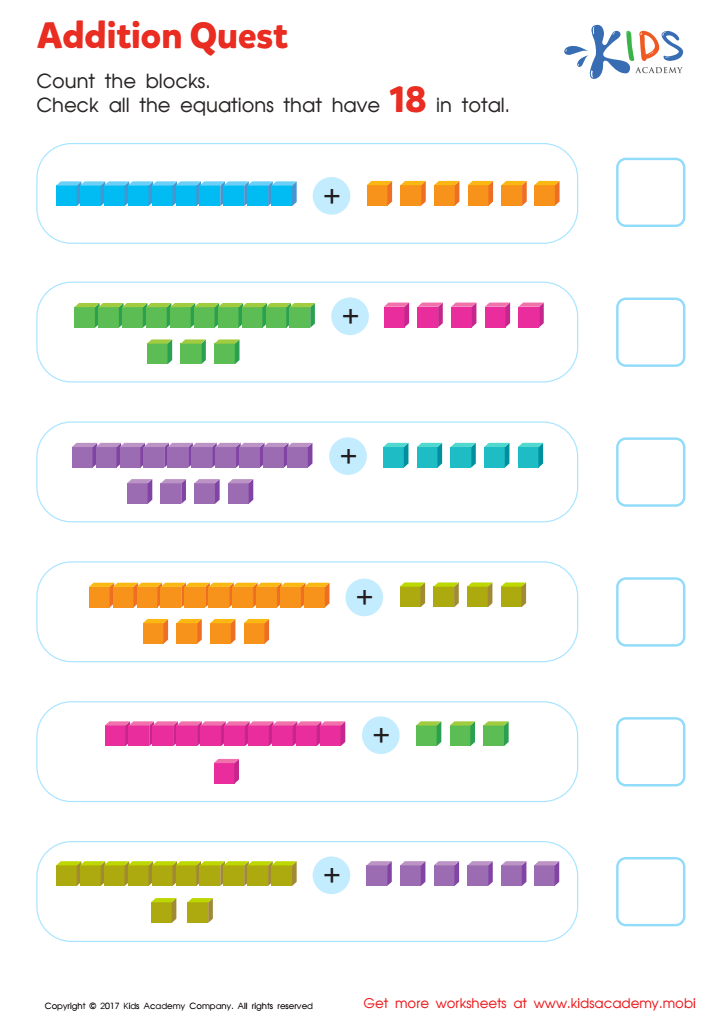
Addition Quest Worksheet: Part 2
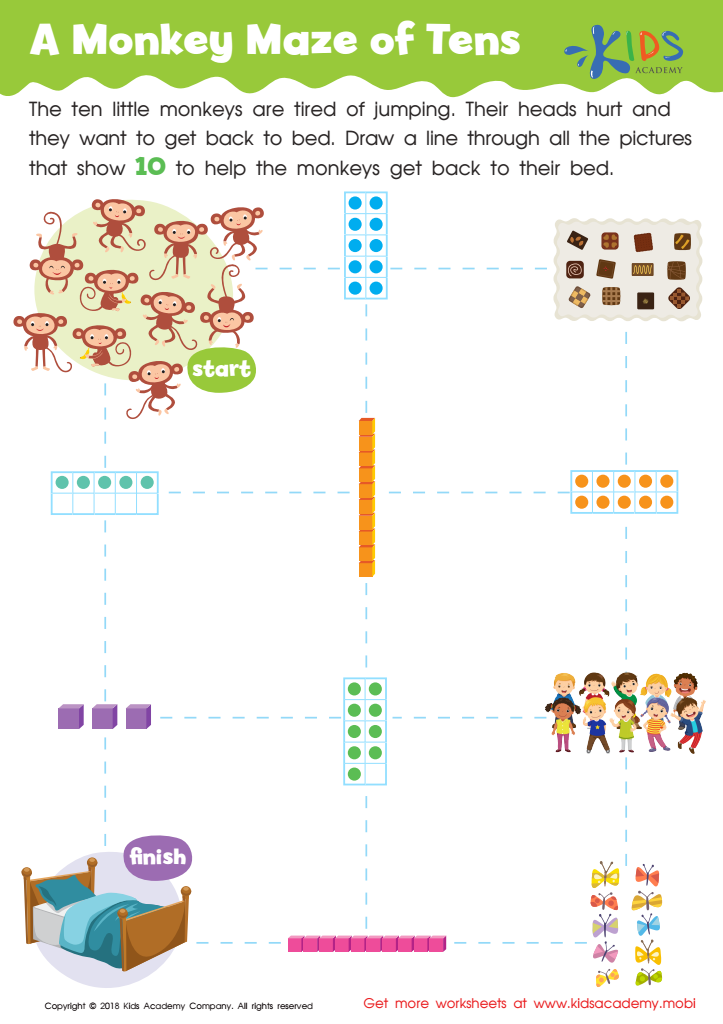
A Monkey Maze of Tens Worksheet
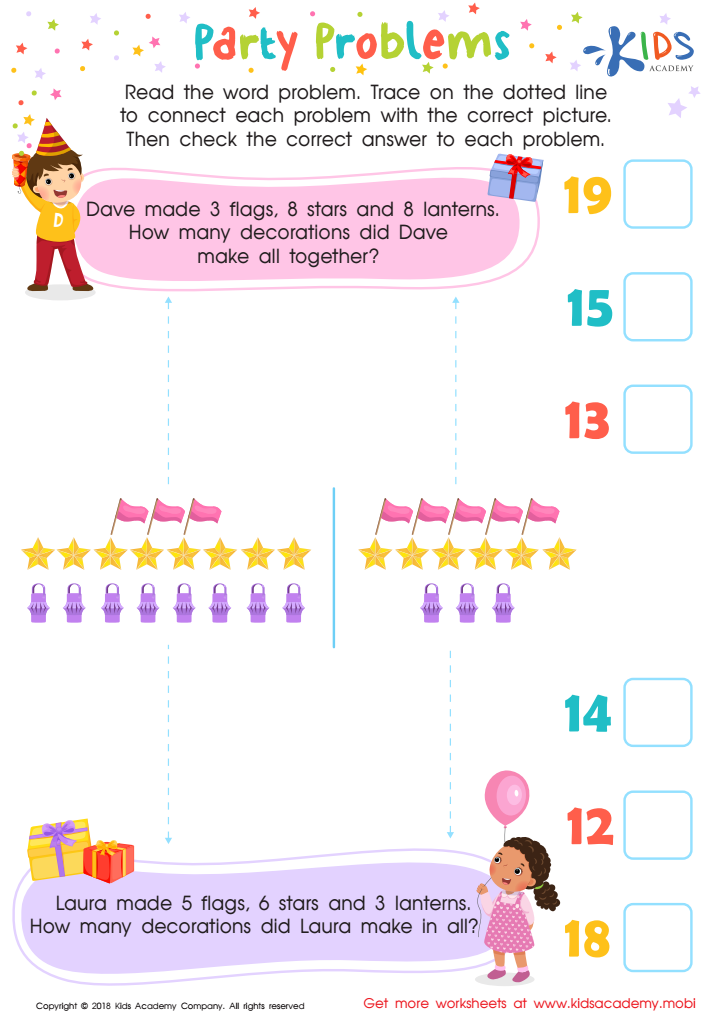
Party Problems Worksheet
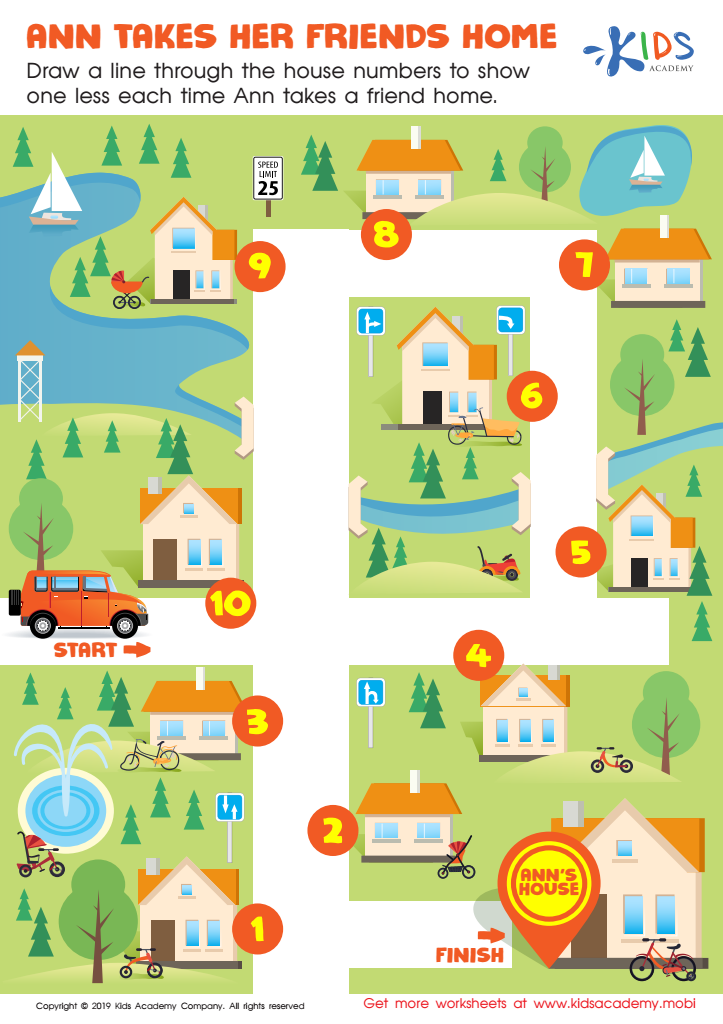
Ann Takes her Friends Home Worksheet





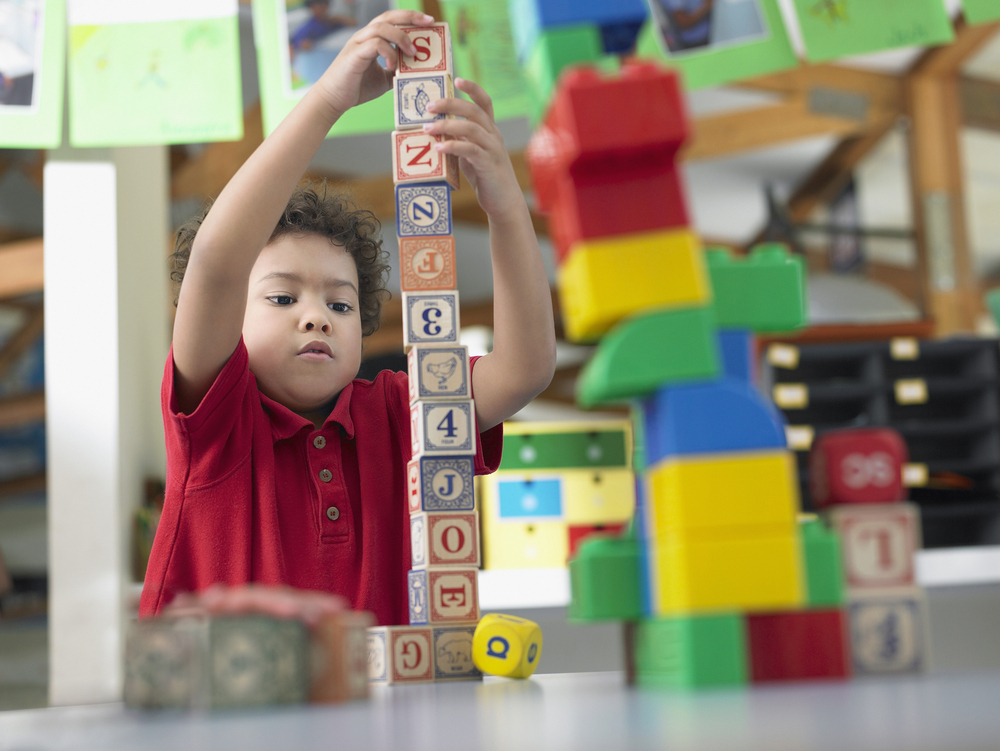


Problem Solving Numbers for ages 4-6 are crucial for early childhood development as they help cultivate essential skills that lay the foundation for future math and cognitive learning. At this stage, children are naturally curious and eager to understand their environment. Engaging them in problem-solving with numbers encourages critical thinking, nurtures perseverance, and enhances their ability to approach challenges systematically. These activities also promote number recognition and arithmetic skills in a playful context.
Moreover, problem solving at this age fosters social skills as children often collaborate and communicate their thought processes, sharing diverse perspectives and strategies. This not only enriches their mathematical understanding but also boosts their language skills, as they articulate their reasoning.
Teachers and parents play a pivotal role in this developmental stage; by introducing engaging number-related activities, they can create a supportive learning environment. Such interactions not only make learning enjoyable but also help children feel confident in their abilities. Ultimately, prioritizing problem-solving numbers supports holistic development—cognitively, socially, and emotionally— equipping children with vital life skills that extend beyond math into all areas of learning and problem-solving as they grow.








