Analytical thinking Math Worksheets for Ages 4-6
5 filtered results
-
From - To
Develop your child's analytical thinking skills with our carefully designed math worksheets for ages 4-6. At Kids Academy, we understand the importance of fostering critical thinking early on. Our fun, engaging, and age-appropriate worksheets help young learners grasp basic math concepts while stimulating their analytical abilities. Each printable worksheet encourages problem-solving, logical reasoning, and pattern recognition, ensuring your child builds a solid foundation in math. Perfect for at-home learning or supplementary classroom activities, these worksheets are a valuable resource for enhancing your child's cognitive and analytical skills. Start their journey to mathematical mastery today!
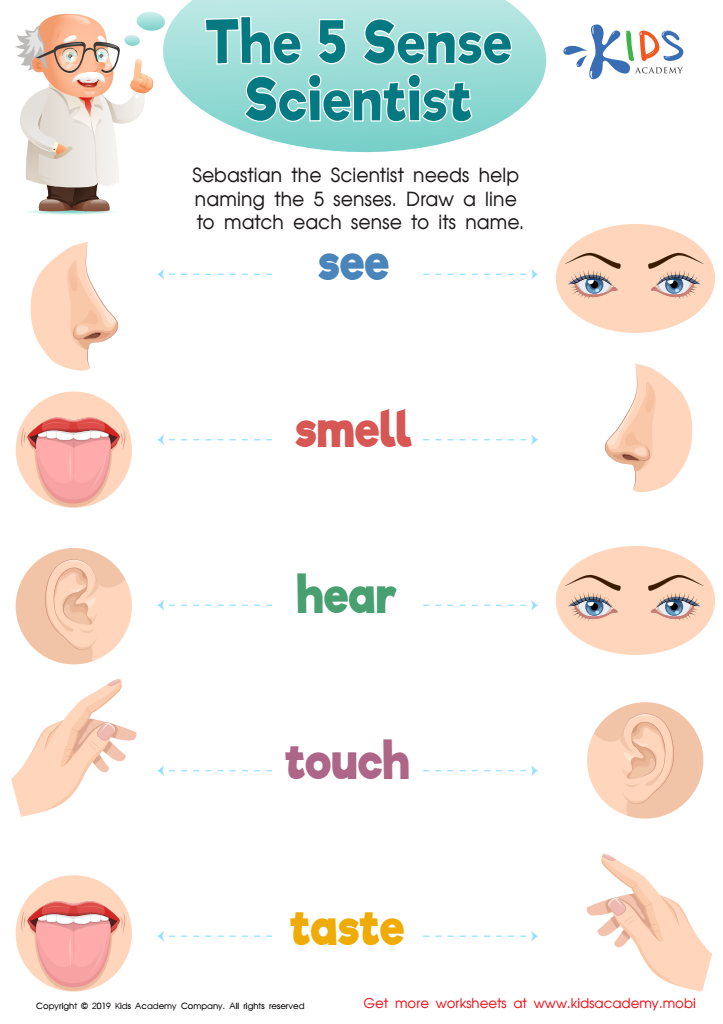
The 5 Sense Scientist Worksheet
 Assign to My Students
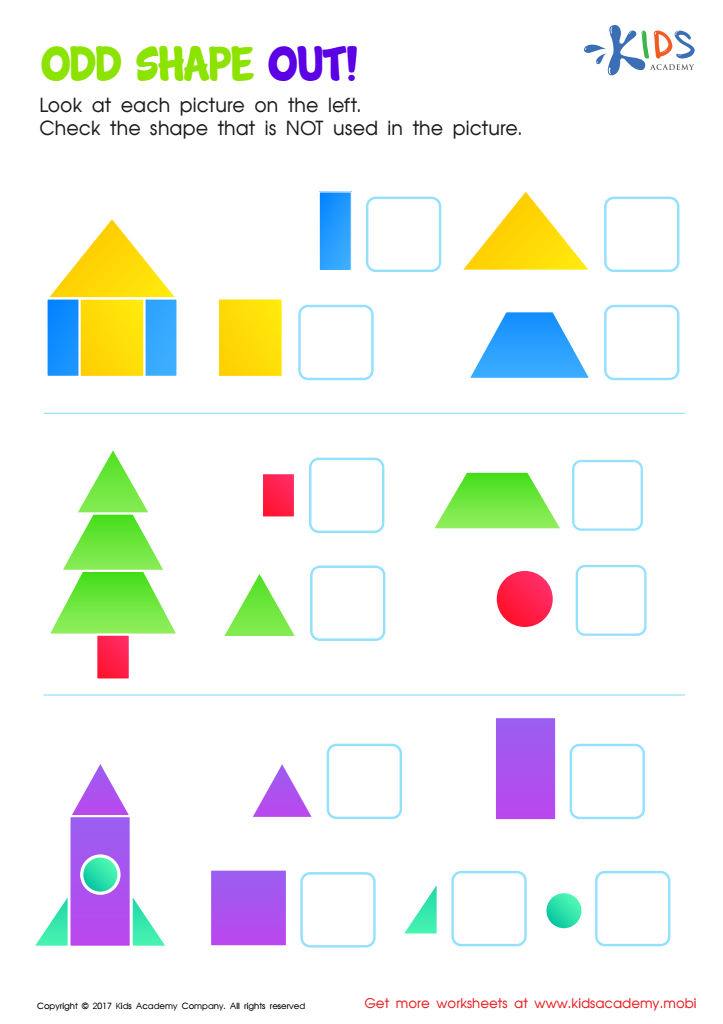
Odd Shape Out Worksheet for Grade 1

Logic Game Sorting Worksheet

After School Time Printable
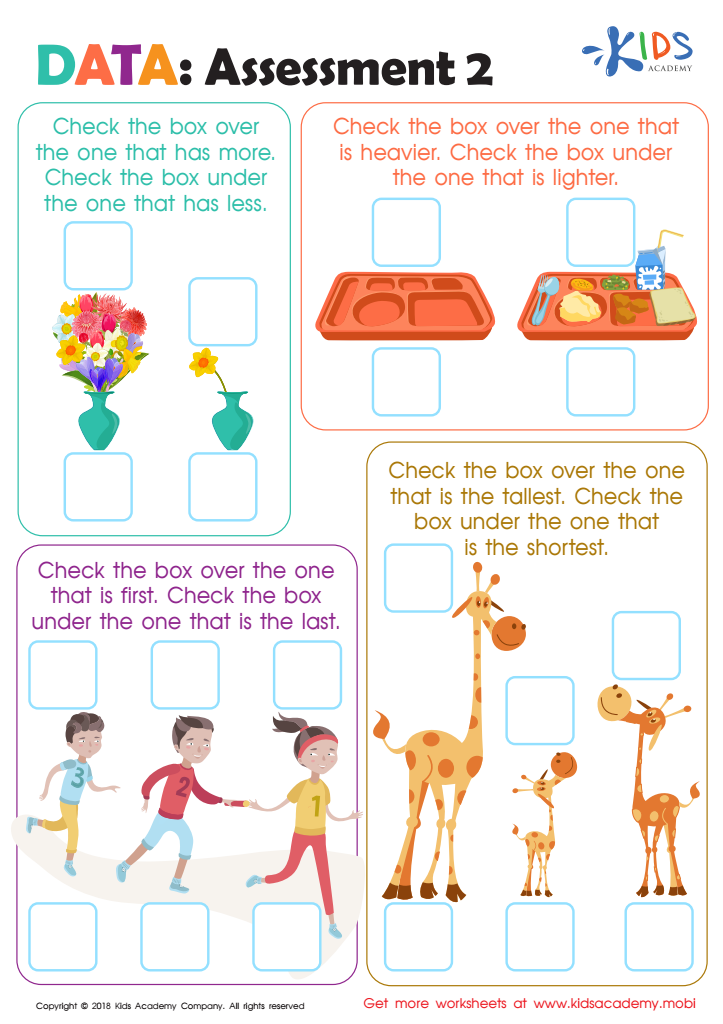
Data: Assessment 2 Worksheet







Analytical thinking in math for children ages 4-6 is crucial because it lays the foundation for critical reasoning and problem-solving skills that are essential in everyday life. At this early stage, fostering analytical skills involves teaching children to recognize patterns, understand relationships between numbers, and solve simple problems. These skills enhance a young child's ability to think logically and make sense of the world around them.
Parents and teachers who prioritize analytical thinking are helping children develop a mindset that values curiosity and thoughtful examination. For example, when children learn to classify objects by size or shape, they are not just memorizing information; they are understanding how to categorize and organize their thoughts.
Moreover, early exposure to analytical thinking prepares children for future academic success. It strengthens their ability to tackle more complex mathematical concepts in later years, including algebra and geometry. In addition, numerous studies show that children with strong analytical skills perform better across various subjects, not just math.
Caring about analytical thinking in these formative years also means encouraging a love for learning. When children experience success in solving problems, they gain confidence and eagerness to explore further. This positive reinforcement promotes a growth mindset, contributing to lifelong academic and personal success.








