Basic Addition Math Worksheets for Ages 4-6 - Page 2
46 filtered results
-
From - To
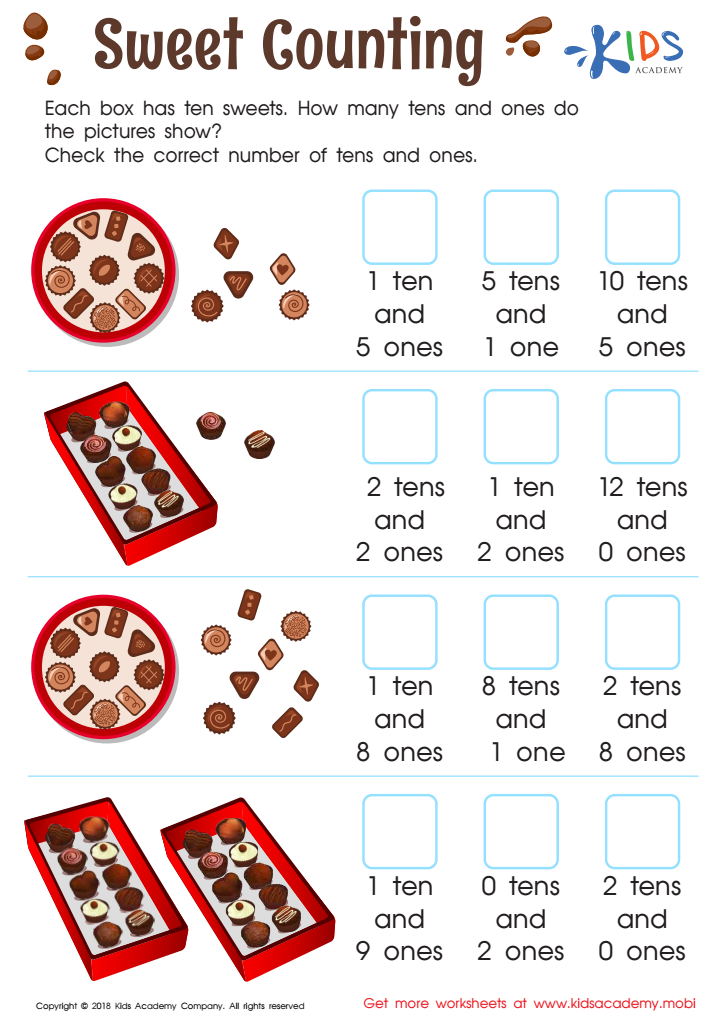
Sweet Counting - Part 2 Worksheet
 Assign to My Students
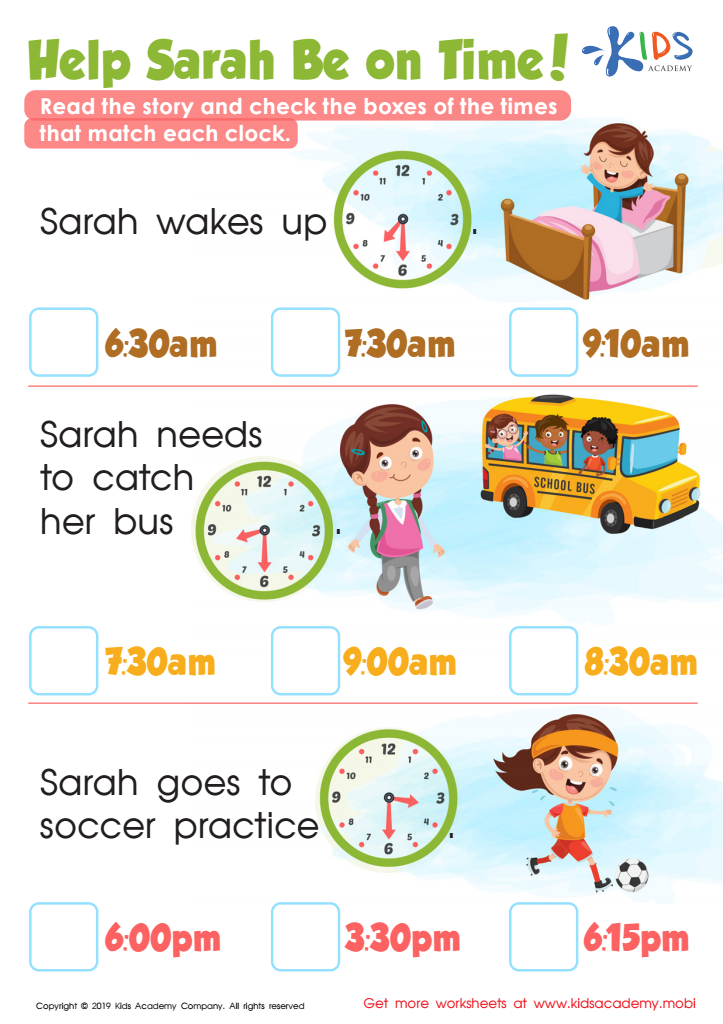
Help Sarah Be on Time! Worksheet
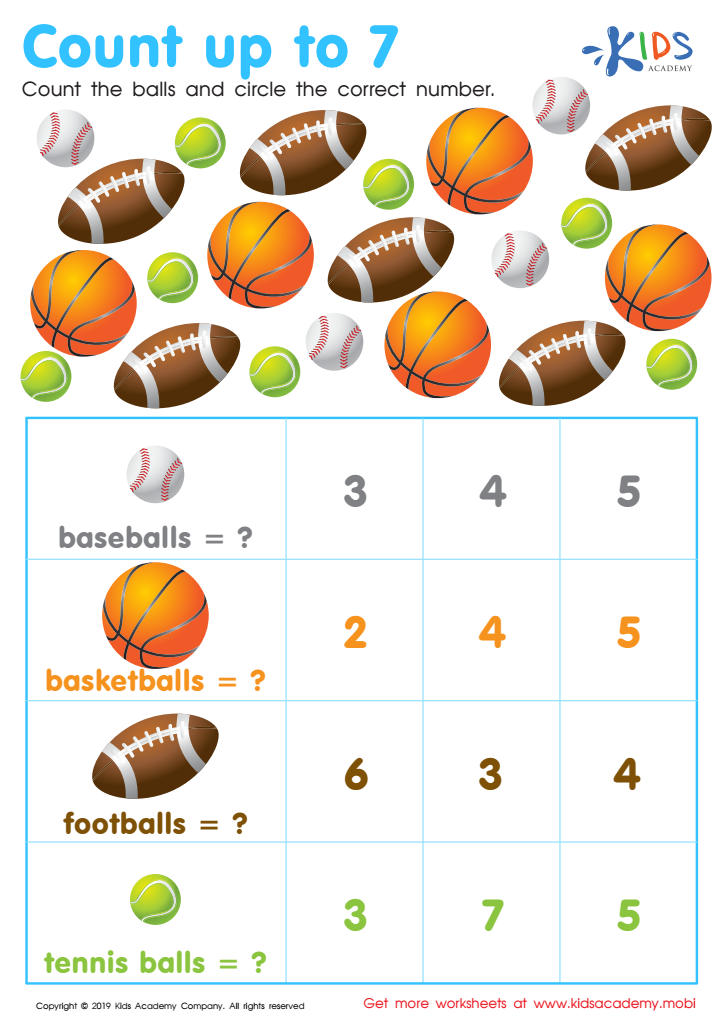
Count up to 7 Worksheet
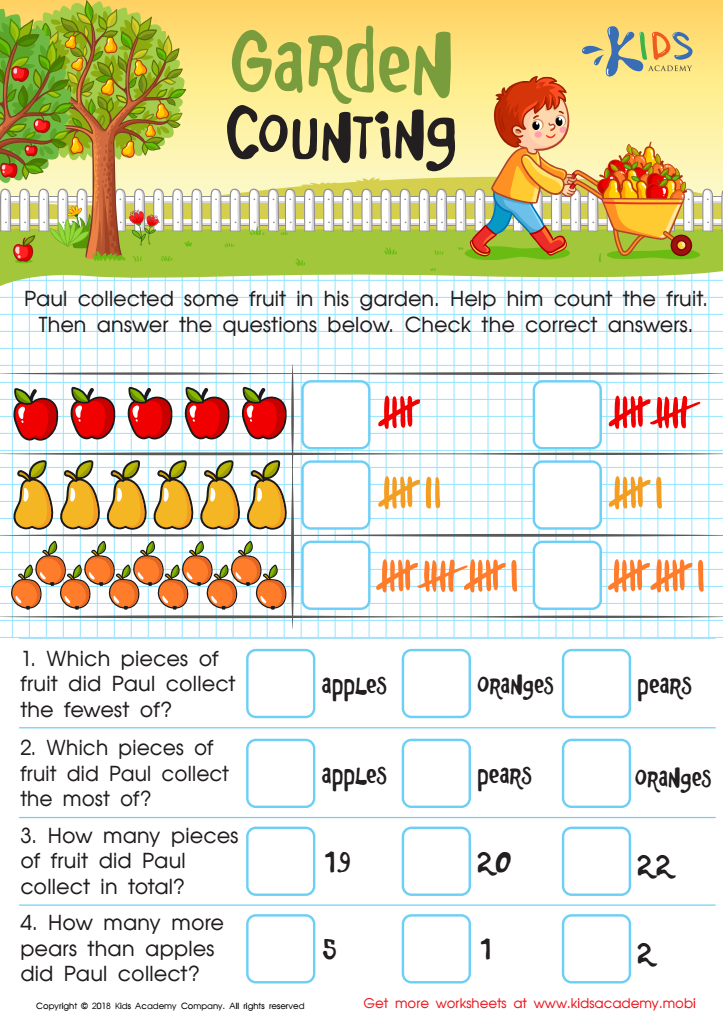
Garden Counting Worksheet
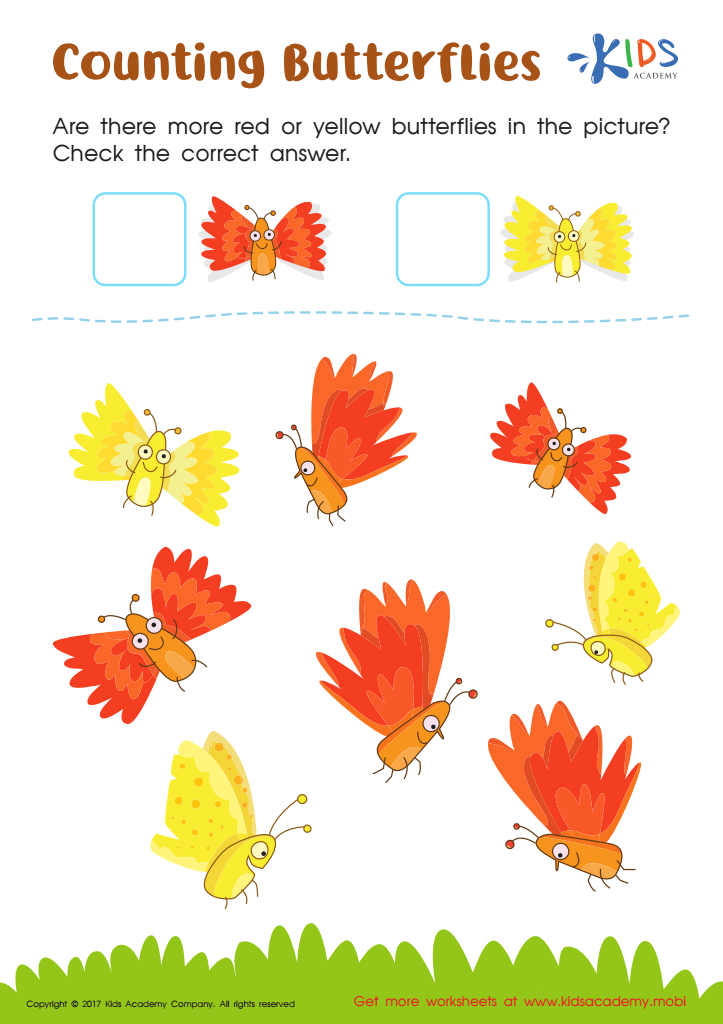
Counting Butterflies Worksheet
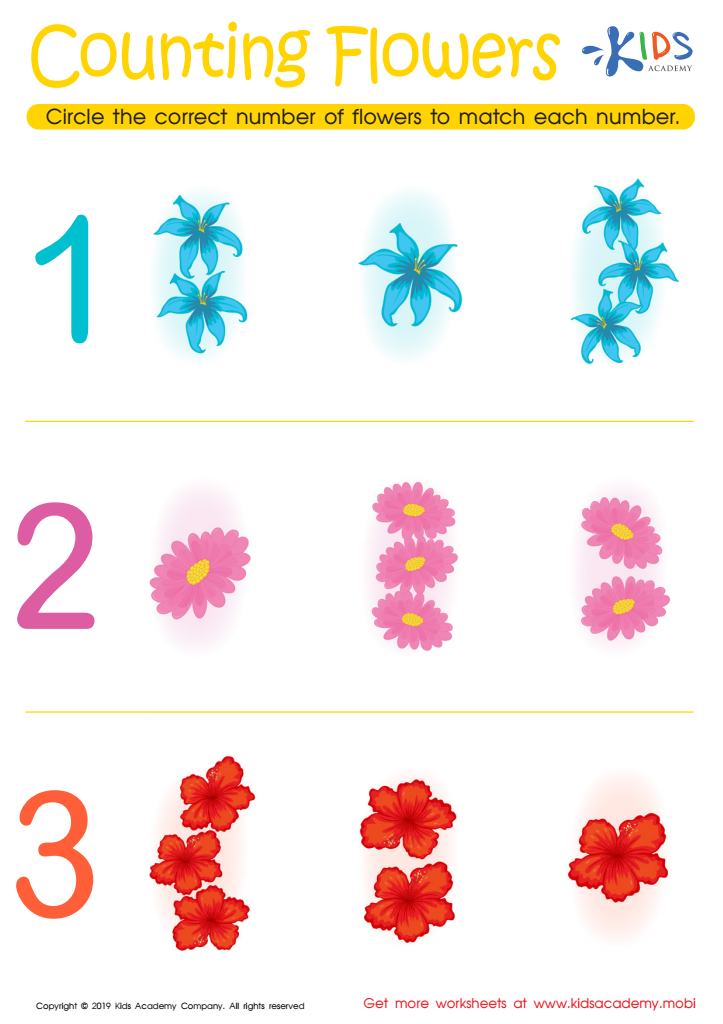
Counting Flowers Worksheet
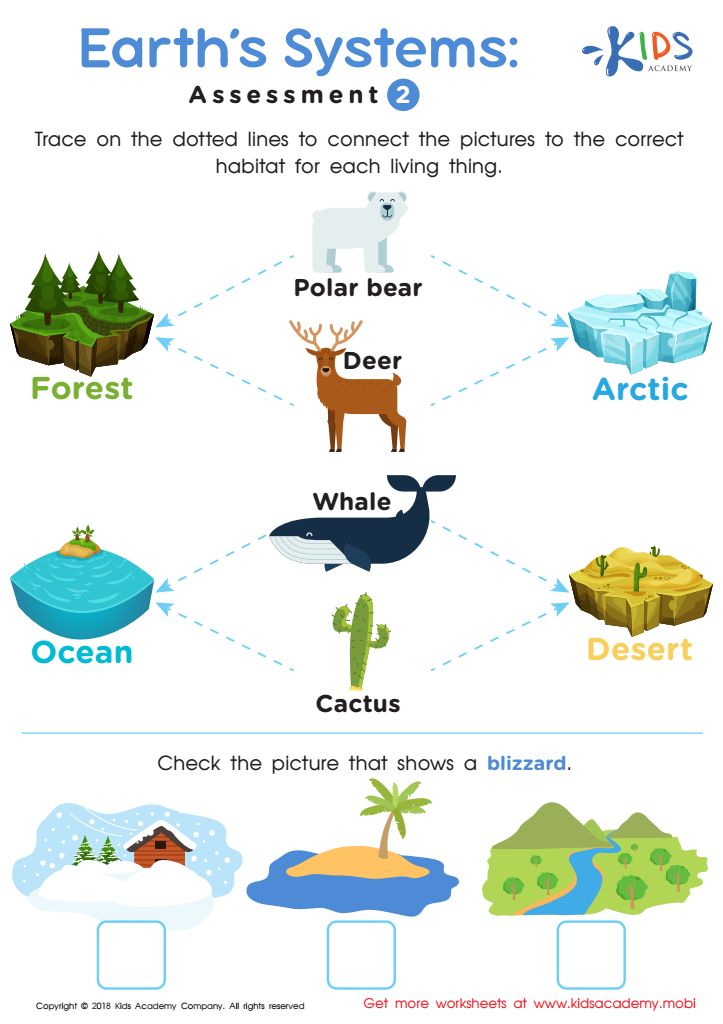
Earth's Systems: Assessment 2
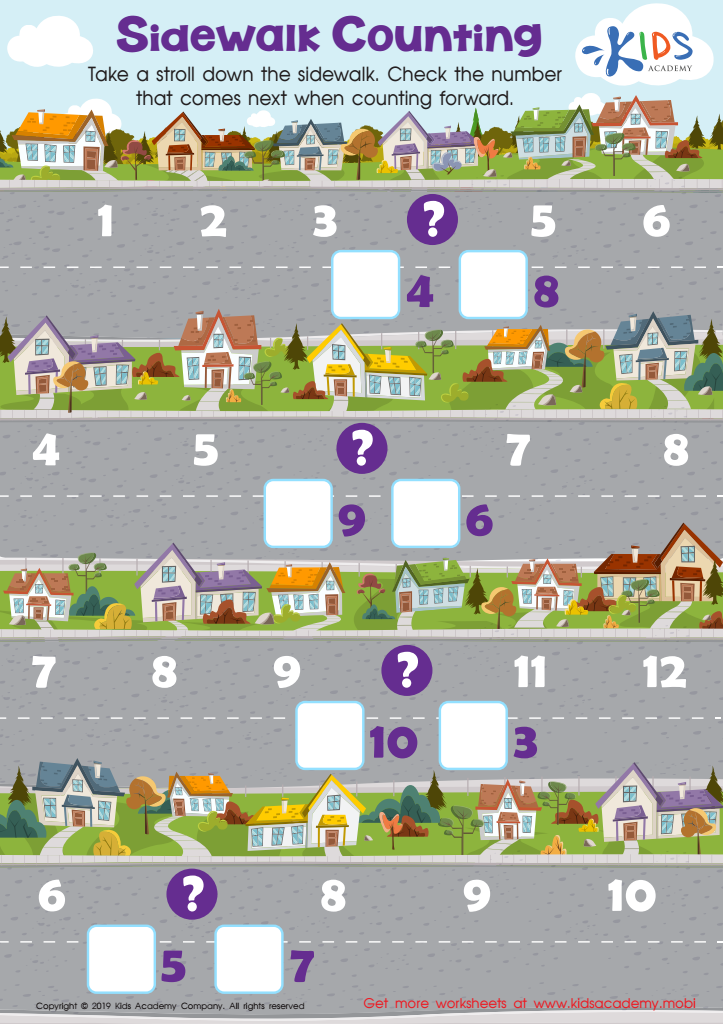
Sidewalk Counting Worksheet
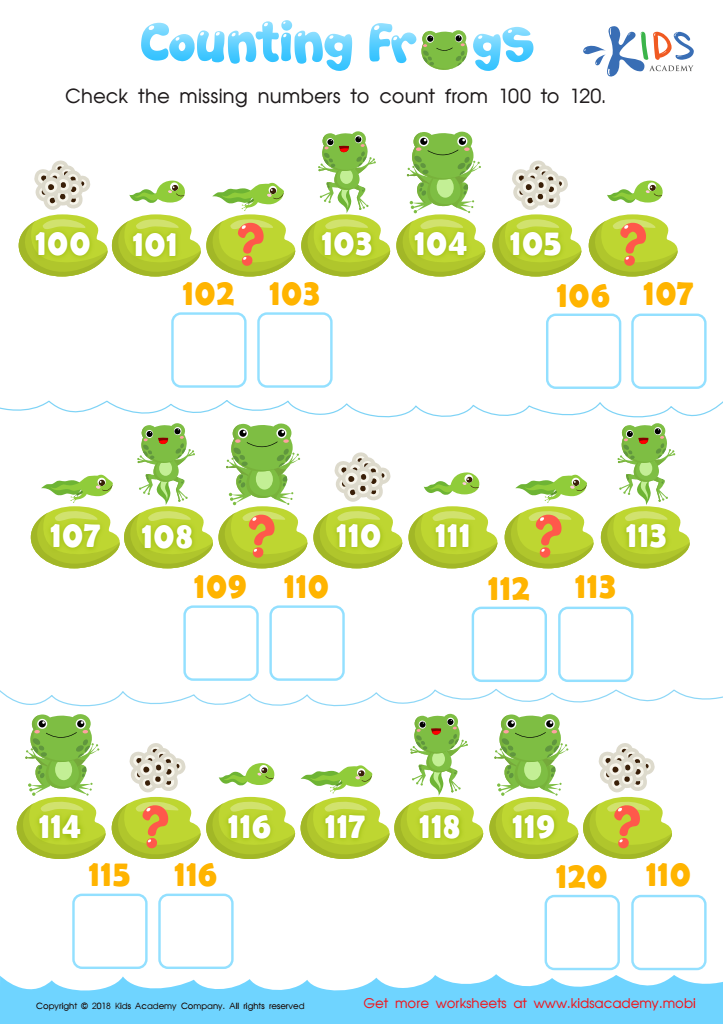
Counting Frogs Worksheet
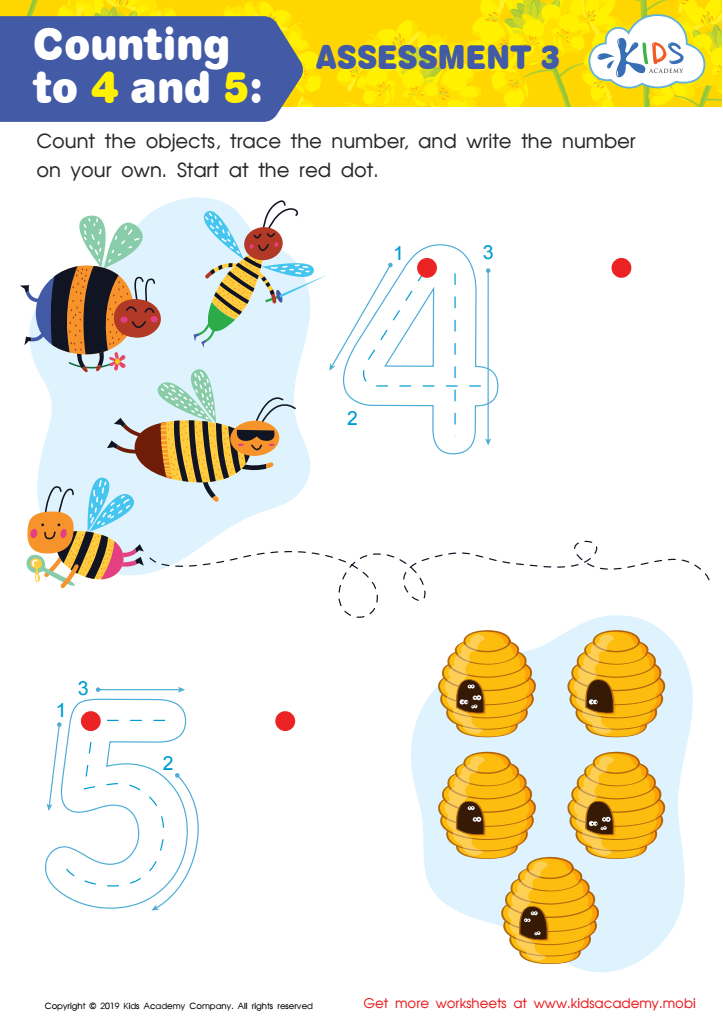
Counting to 4 and 5: Assessment 3 Worksheet
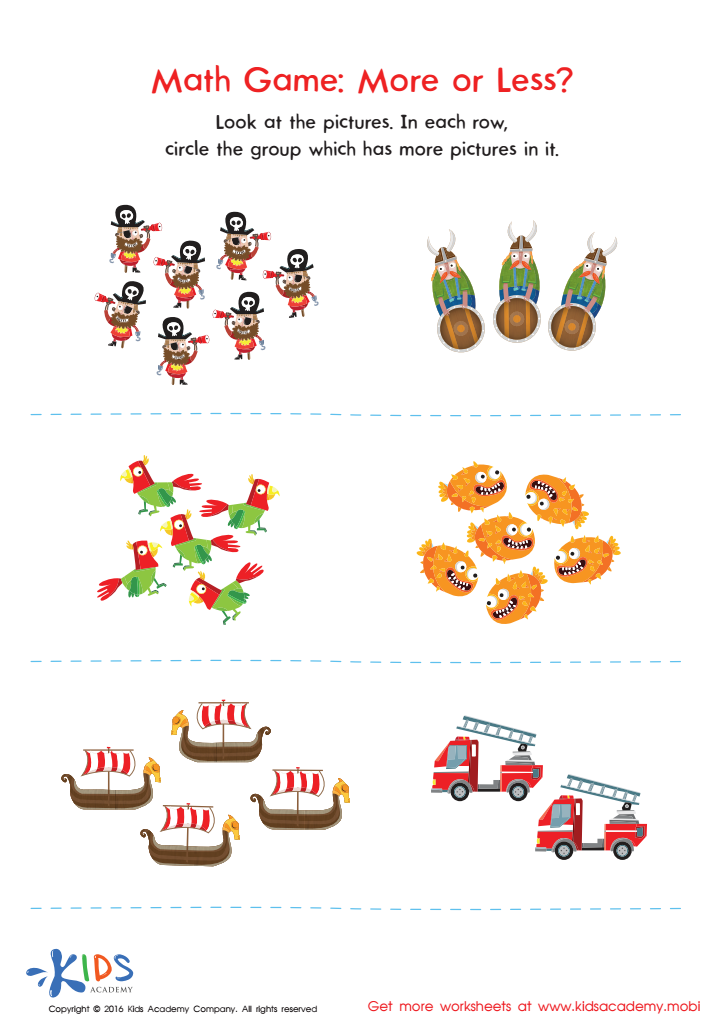
More or Less Worksheet
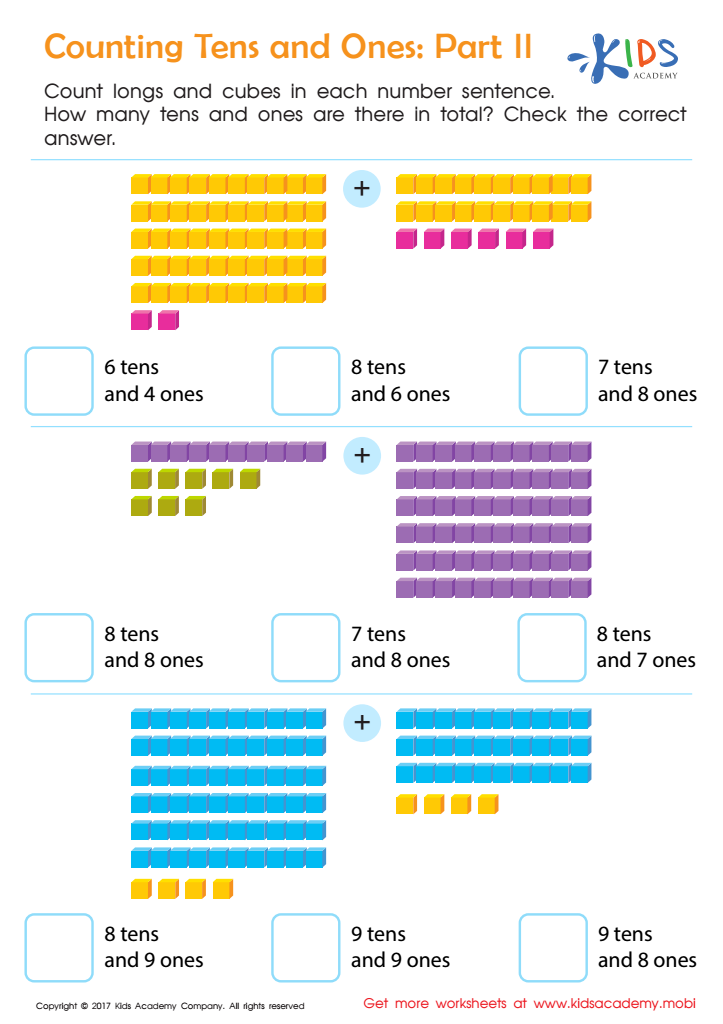
Counting Tens and Ones: Part 2 Worksheet
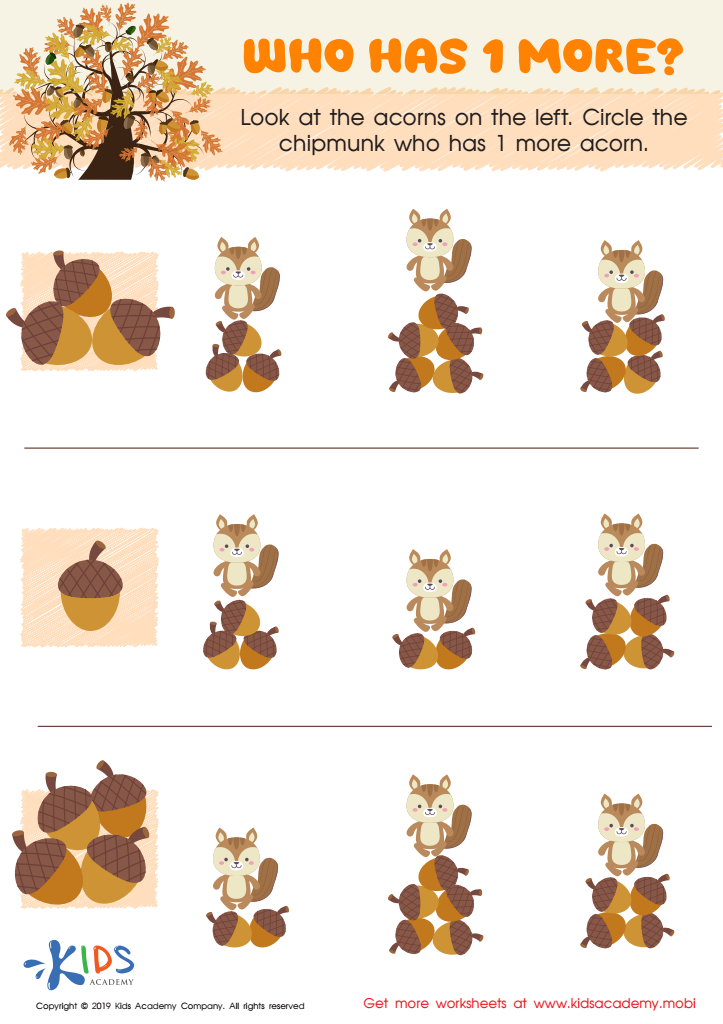
Who Has 1 More? Worksheet
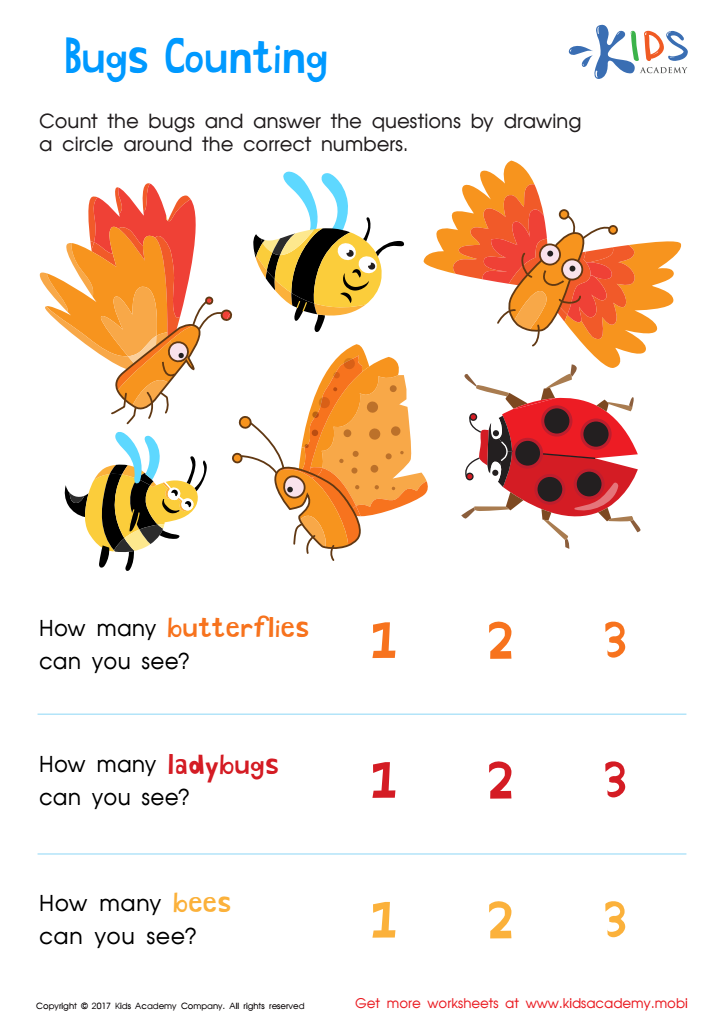
Bugs Counting Worksheet
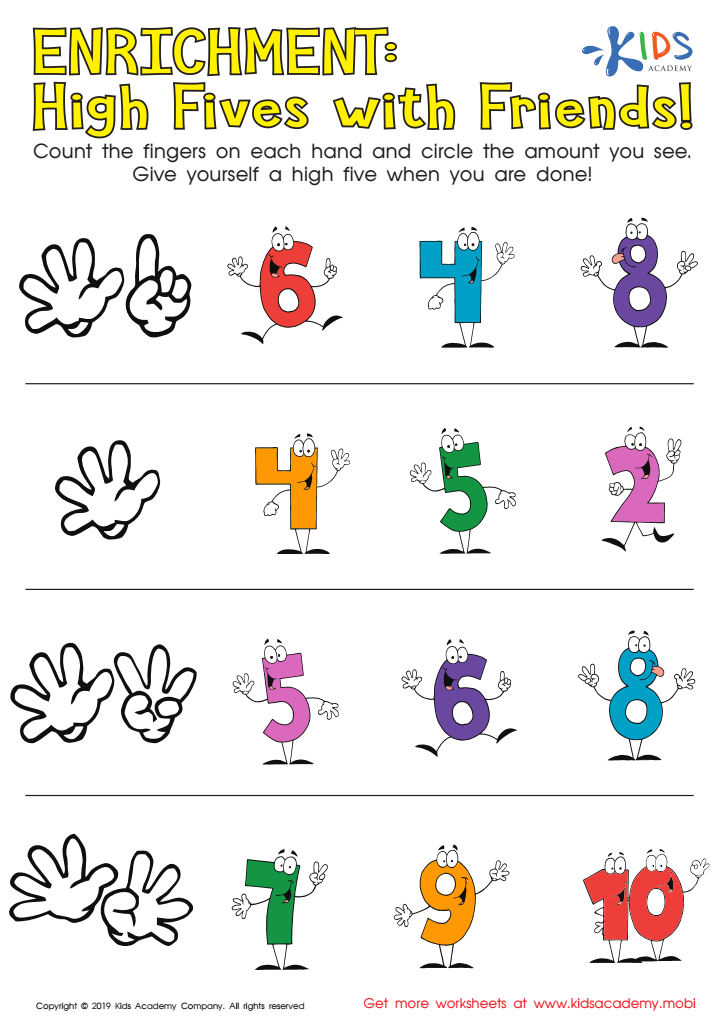
Enrichment: High Fives with Friends! Worksheet
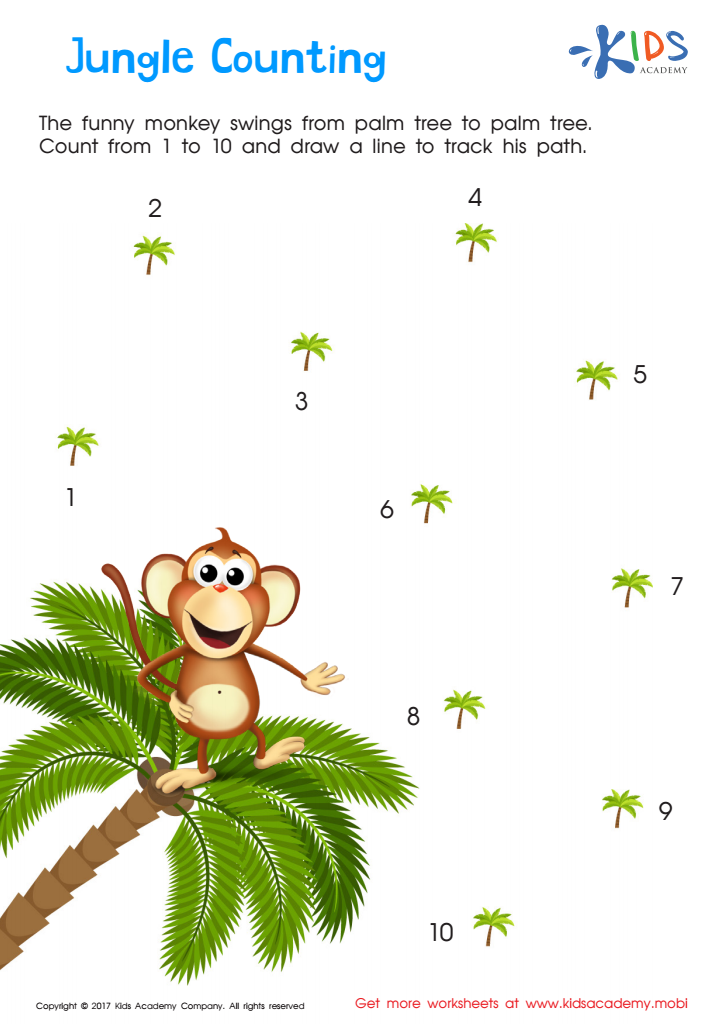
Jungle Counting Connect Dots Worksheet
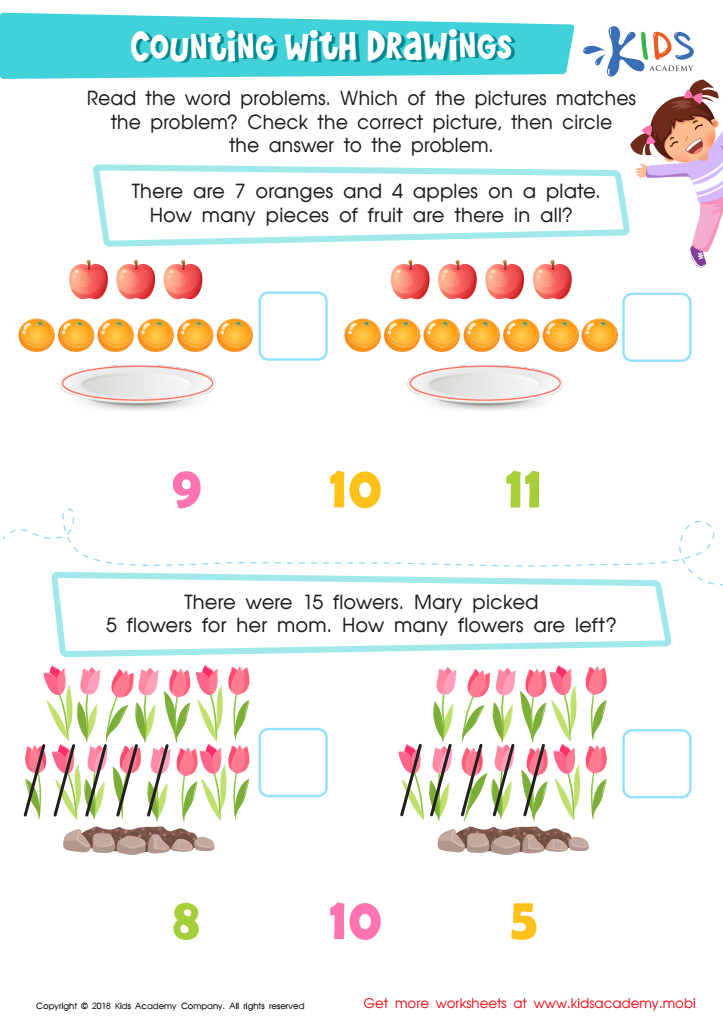
Counting with Drawings:Fruits & Flowers Worksheet
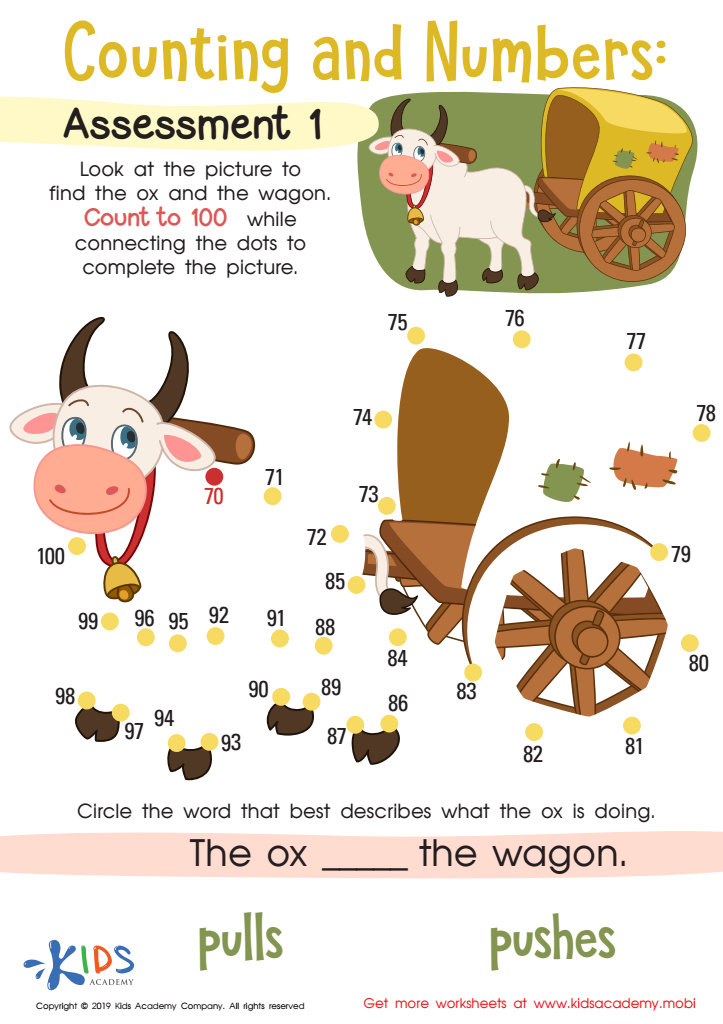
Counting and Numbers: Assessment 1 Worksheet
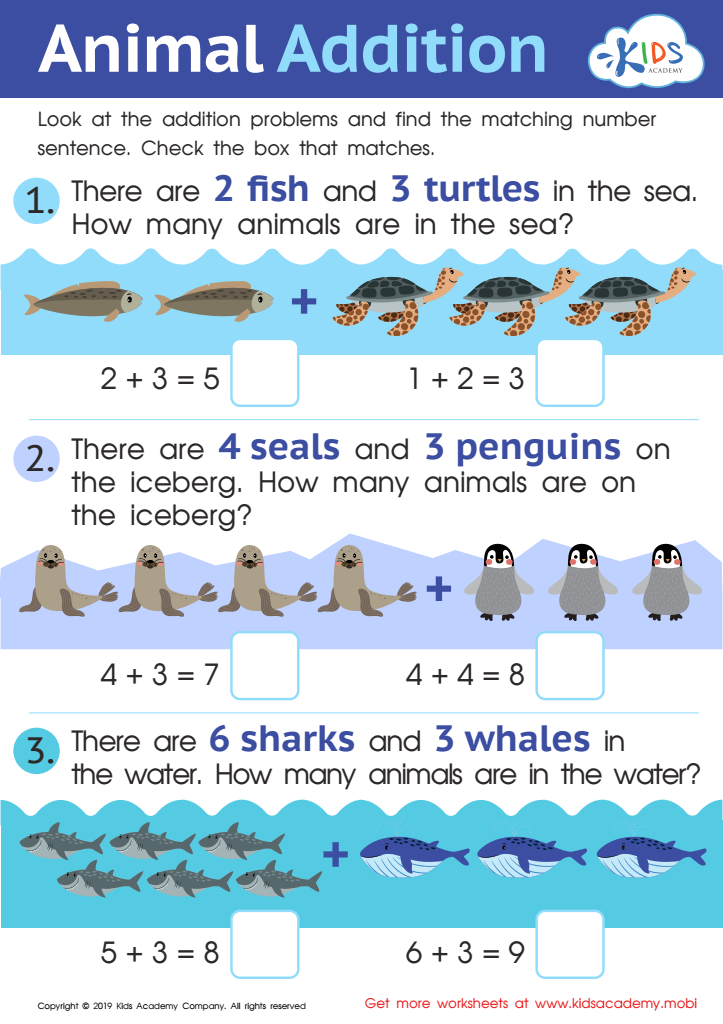
Animal Addition Worksheet
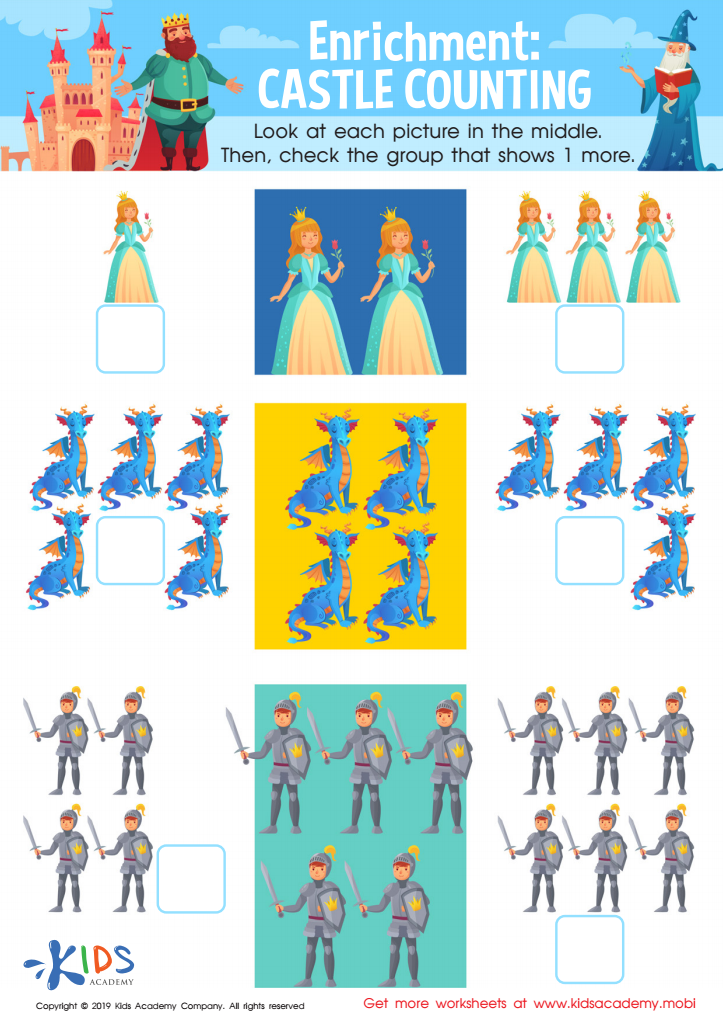
Enrichment: Castle Counting Worksheet
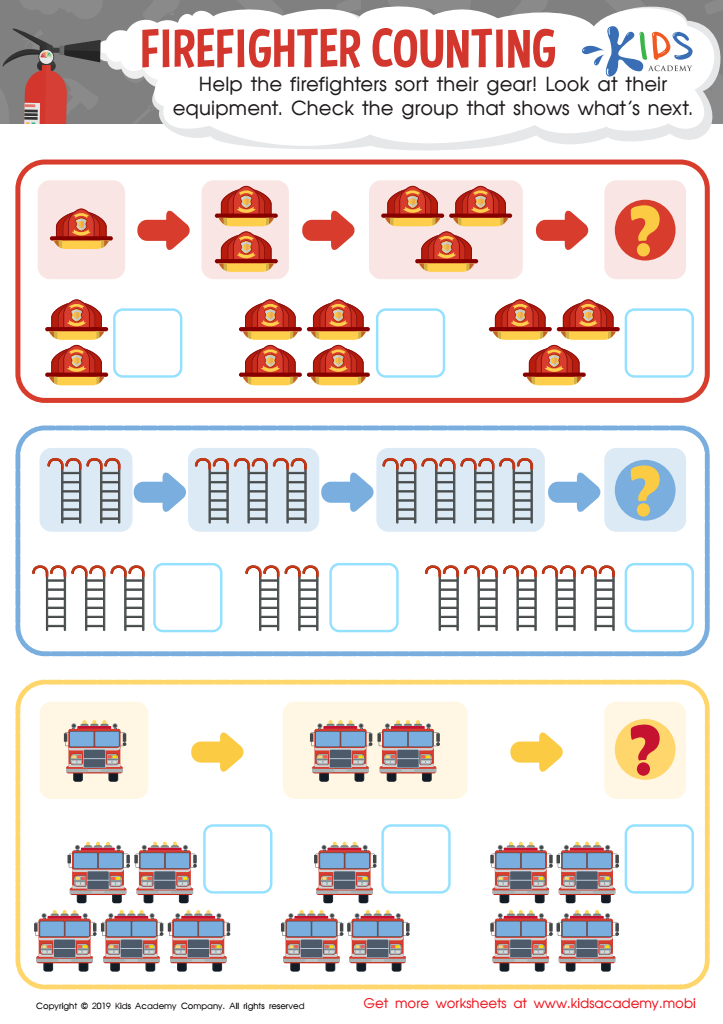
Firefighter Counting Worksheet
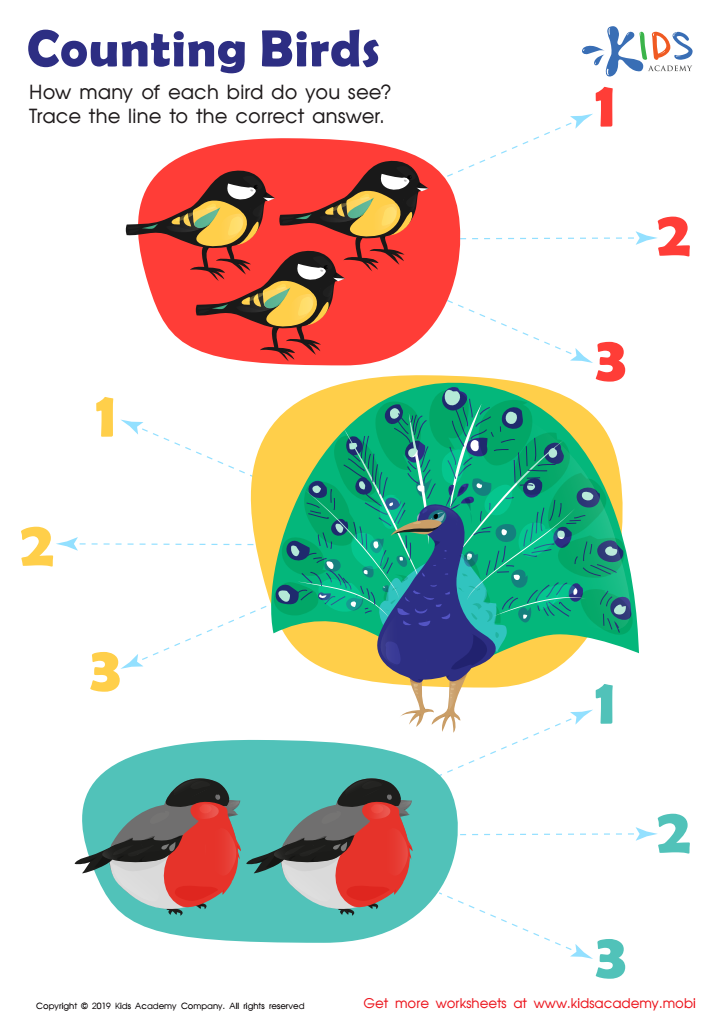
Counting Birds Worksheet




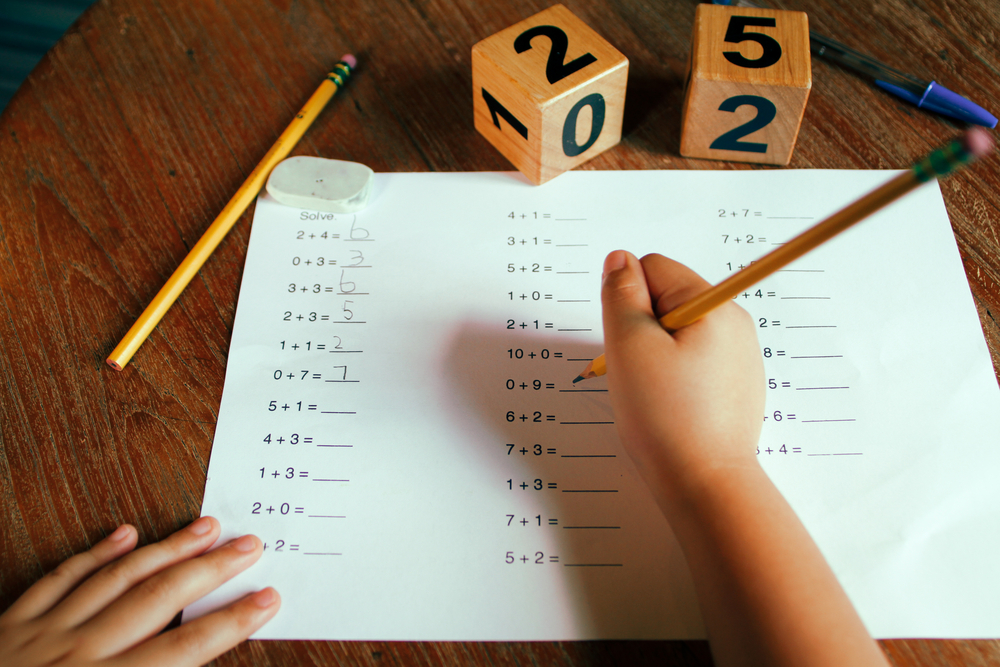


Parents and teachers should prioritize basic addition math for children aged 4-6 because it lays the foundation for essential cognitive development and future academic success. At this age, children are naturally curious and eager to explore numbers. Introducing basic addition helps them develop critical thinking and problem-solving skills as they learn to manipulate quantities and understand the concepts of more and less.
Engaging with simple addition activities enhances a child’s numerical fluency, making them feel more confident in their abilities. This positive reinforcement can lead to a greater love for math, setting the stage for more complex mathematical concepts in later years. Furthermore, mastering basic addition fosters important life skills such as planning, organization, and perseverance.
Additionally, activities involving addition can be easily integrated into daily routines, such as counting fruits during snack time or adding toys during clean-up. This makes learning enjoyable and relatable. Above all, basic addition serves not only as a vital academic skill but also as a building block for logical reasoning, boosting the child's overall learning experience and facilitating smoother transitions into primary education and beyond. Engaging young learners in math equips them for a bright future filled with opportunities.








