Shape comparison Math Worksheets for Ages 4-6
3 filtered results
-
From - To
Introduce your young learners to the exciting world of geometry with our Shape Comparison Math Worksheets for Ages 4-6! These engaging, printable worksheets help children recognize, compare, and contrast various shapes, honing their analytical and critical thinking skills. Designed by educators, each activity is tailored to make learning fun and effective for preschool and kindergarten-aged kids. Simple yet captivating exercises will keep your little ones eager to learn and master shapes while building a strong mathematical foundation. Download our worksheets today to unlock your child’s potential through creative and interactive shape comparison activities!
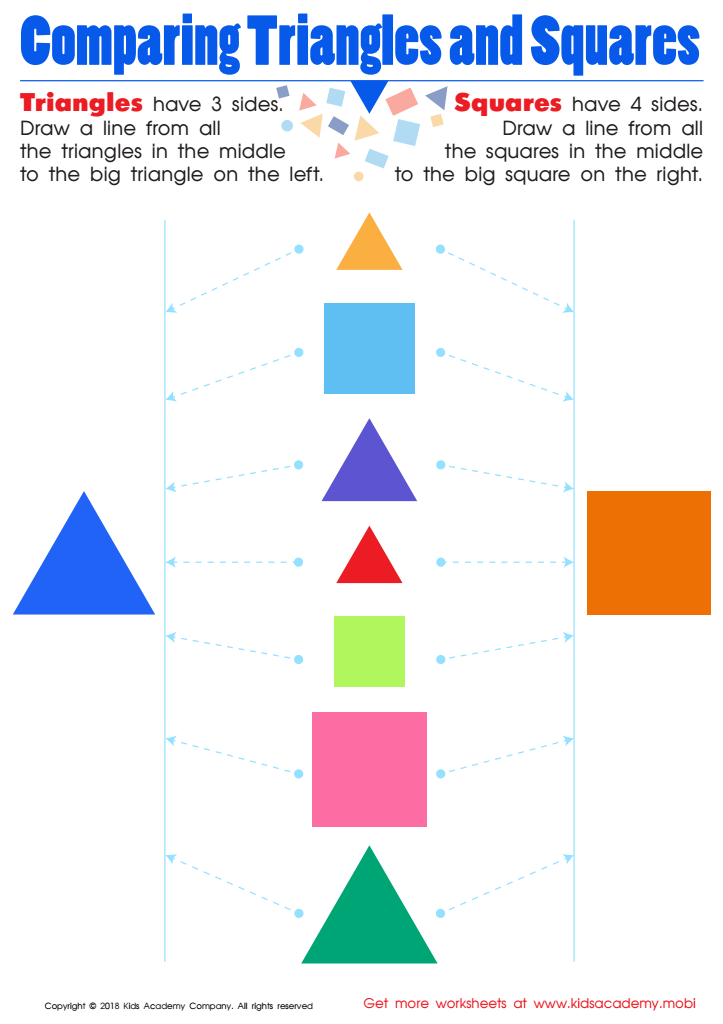
Comparing Triangles Squares Worksheet
 Assign to My Students
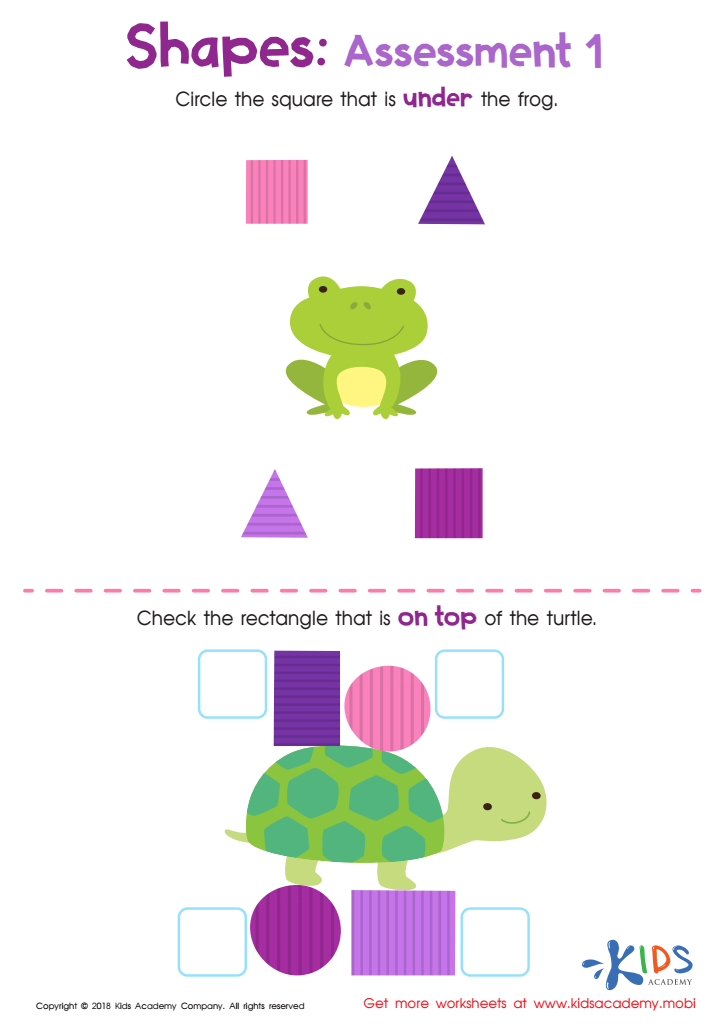
Geometry – Assessment 1 Worksheet
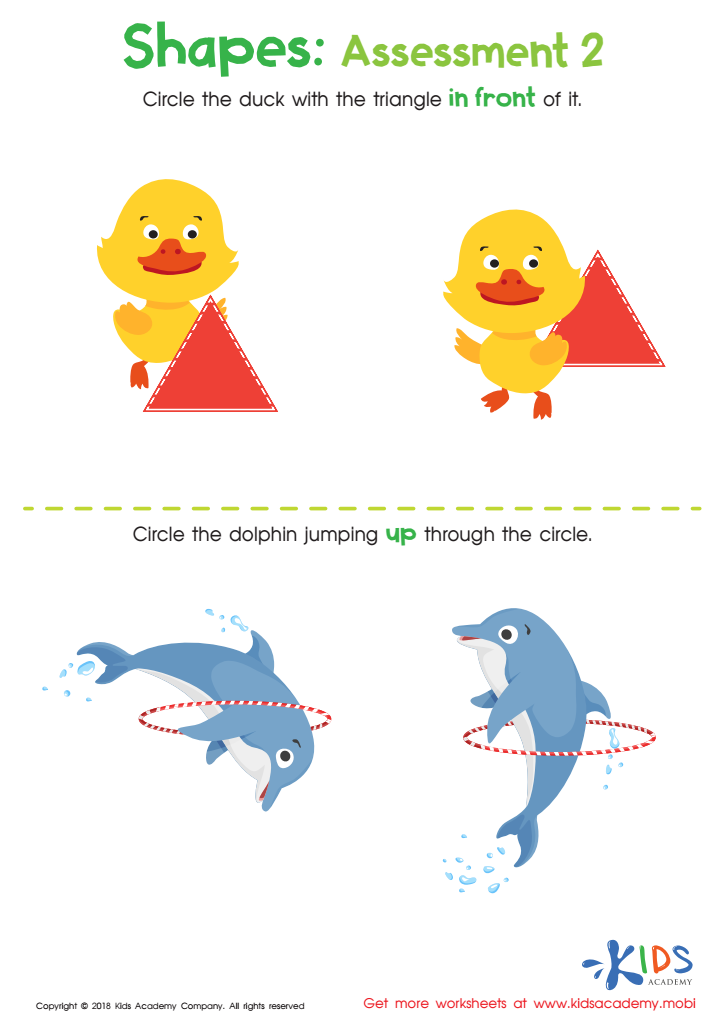
Geometry – Assessment 2 Worksheet








Caring about shape comparison math for children ages 4-6 is crucial because it lays the foundation for their cognitive and mathematical development. At this formative age, children are building their spatial awareness, an essential skill that influences their ability to understand and navigate the world around them. By learning to compare shapes, children enhance their visual perception and recognition abilities, which are vital for reading and writing skills later on.
Shape comparison exercises help children to develop their critical thinking and problem-solving skills. When children analyze shapes, they learn to observe details, identify similarities and differences, and categorize objects—proficiencies that can apply to more advanced mathematical concepts like geometry and measurement.
Moreover, comparing shapes nurtures creativity and imagination as children explore various geometric patterns and forms. Engaging with shapes through fun, hands-on activities, such as building with blocks or playing matching games, can spark an interest in mathematics at an early age, fostering a positive attitude toward learning.
Finally, shape comparison in early childhood promotes fine motor skills and hand-eye coordination. Manipulating shapes through drawing, tracing, or puzzle-building prepares children for the physical skills required in writing and other precise tasks. Therefore, parents and teachers should prioritize shape comparison activities to ensure their development for lifelong learning.








