Sorting skills Math Worksheets for Ages 4-6
15 filtered results
-
From - To
Welcome to our "Sorting Skills Math Worksheets for Ages 4-6"! Designed to engage young learners, these worksheets help children develop essential sorting skills through fun, interactive activities. Your little ones will enjoy sorting objects by various attributes such as size, shape, and color, enhancing their critical thinking and organizational abilities. Our user-friendly printable worksheets cater to different learning styles and make incorporating sorting exercises into your child's routine easy and enjoyable. Whether in the classroom or at home, our resources aim to build a strong foundation in math while fostering a love for learning. Start sorting with us today!
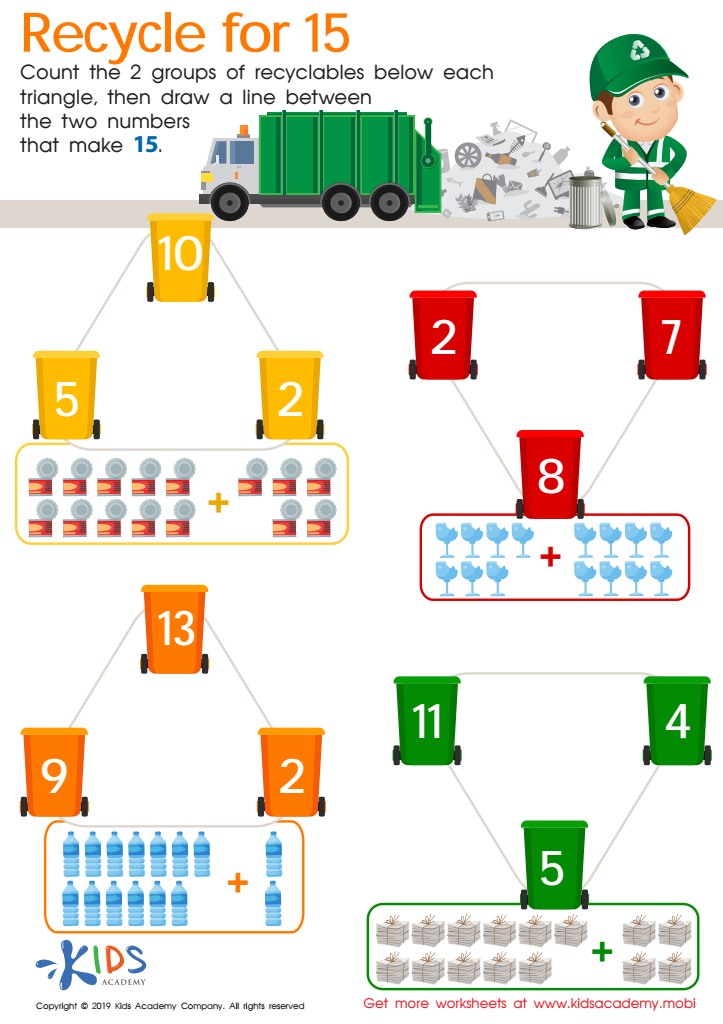
Recycle for 15 Worksheet
 Assign to My Students
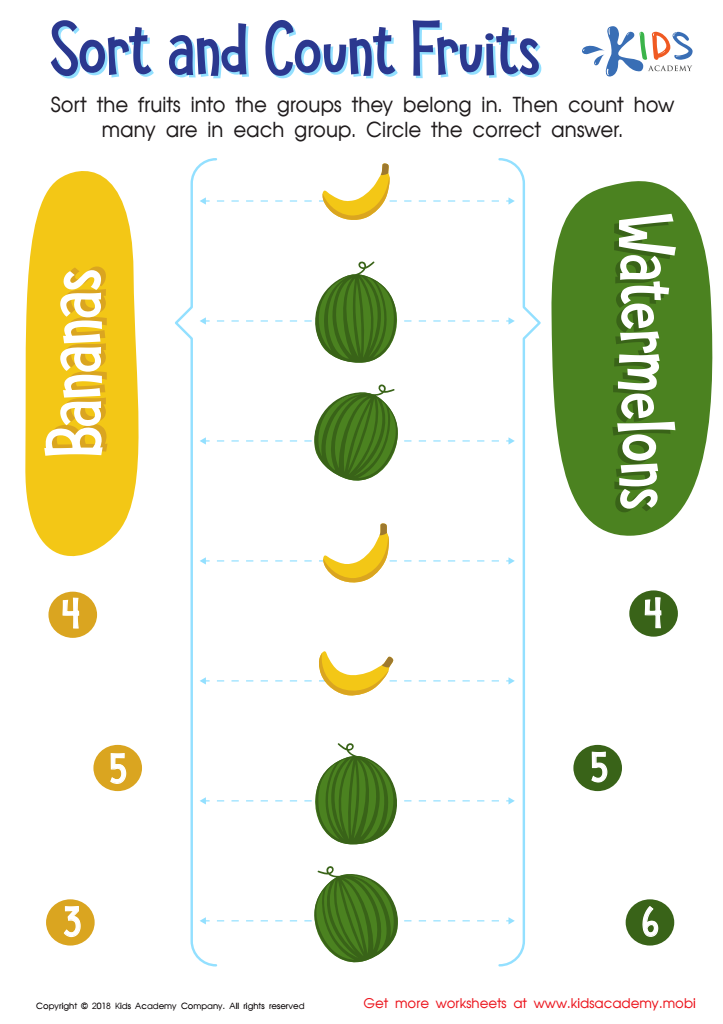
Sort and Count Fruits Worksheet
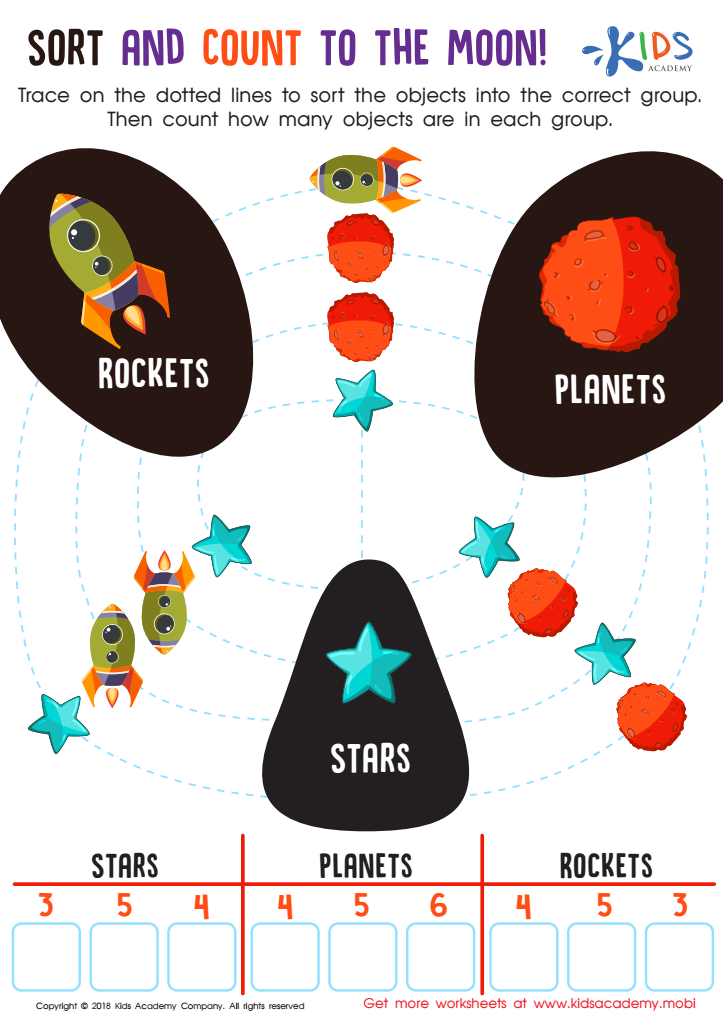
Sort and Count to the Moon Worksheet
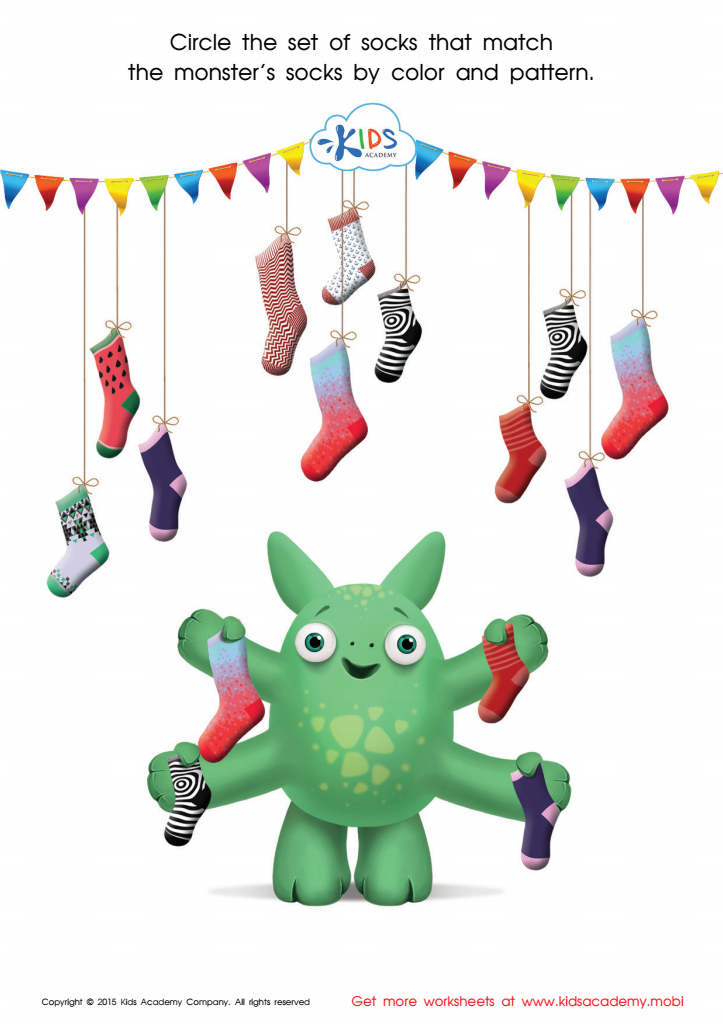
Sort the Monster's Socks Worksheet
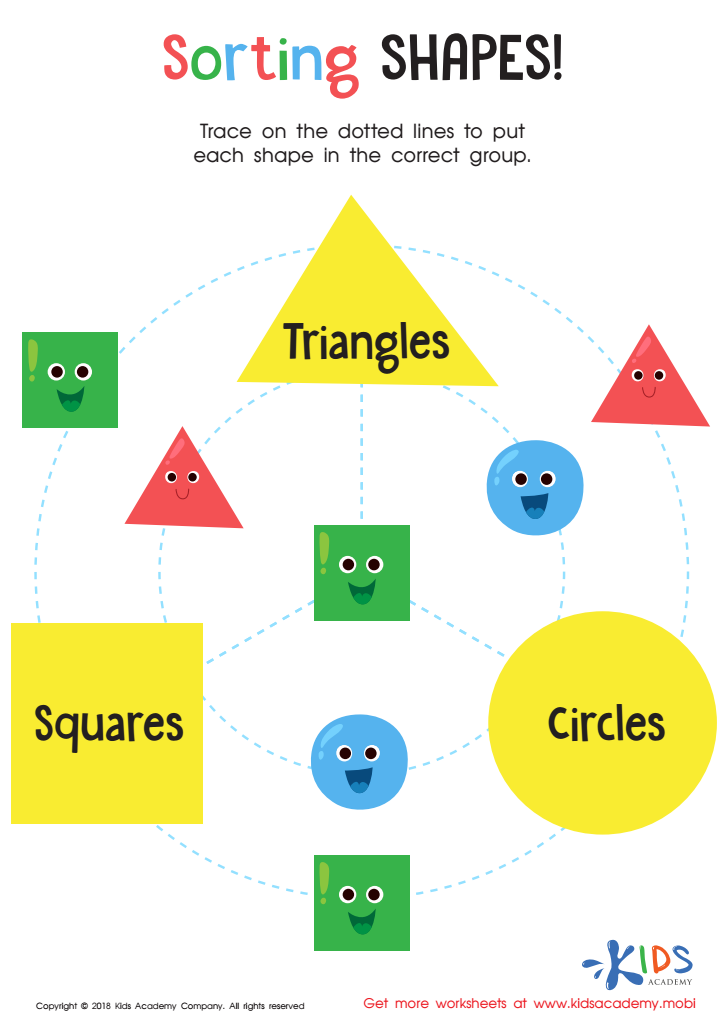
Sorting Shapes - Part 3 Worksheet
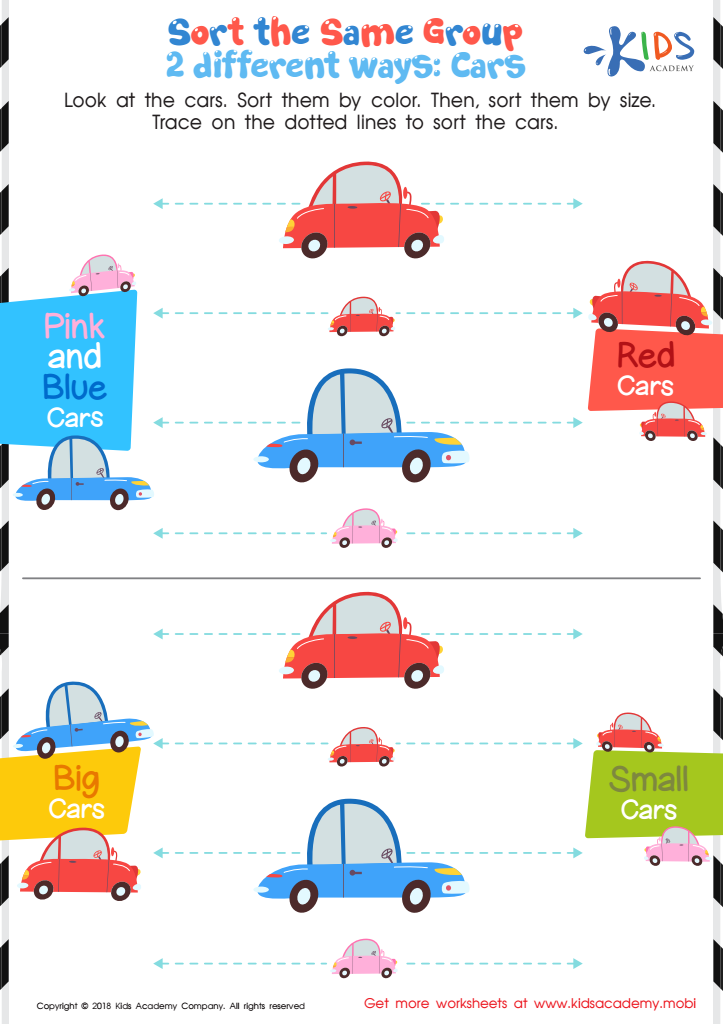
Sort the Same Group 2 Different Ways: Cars Worksheet
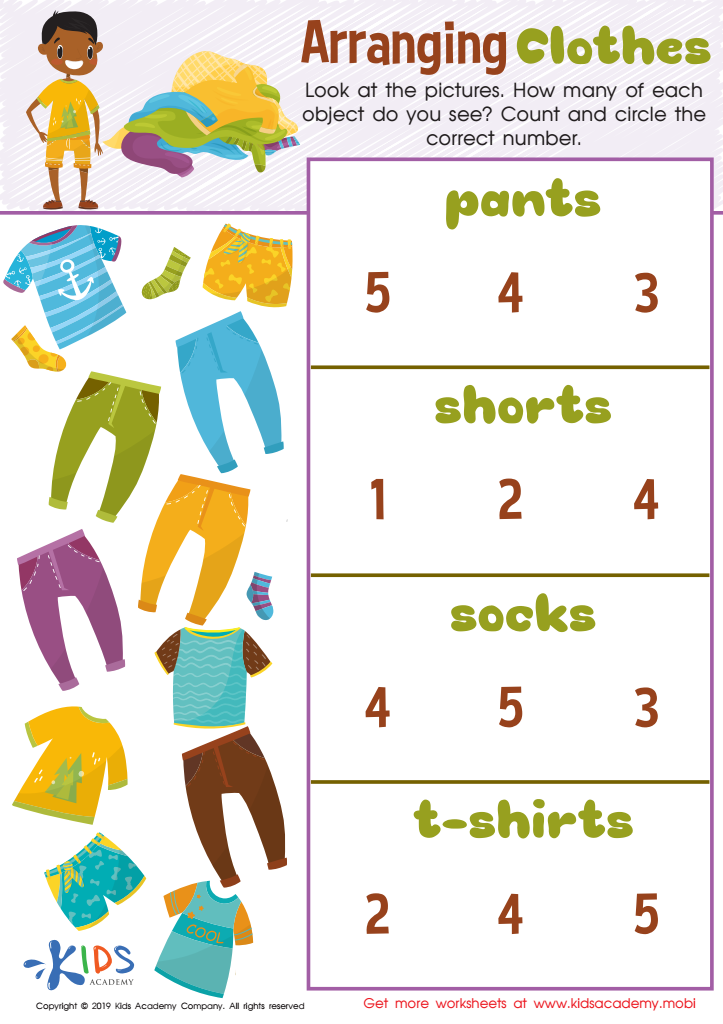
Arranging Clothes Worksheet
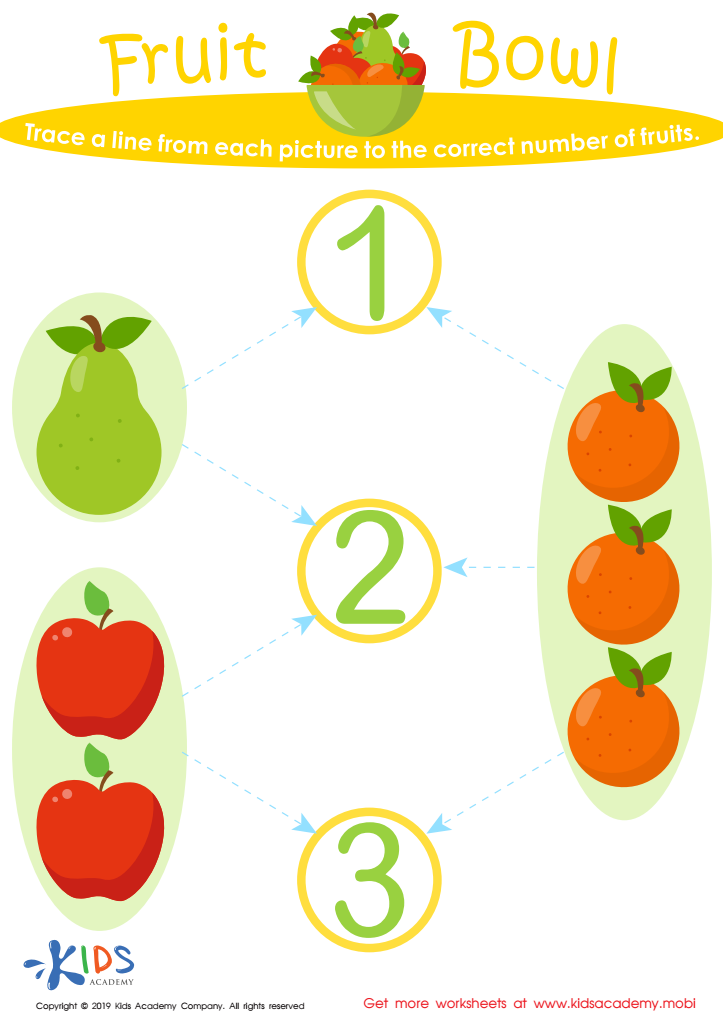
Fruit Bowl Worksheet
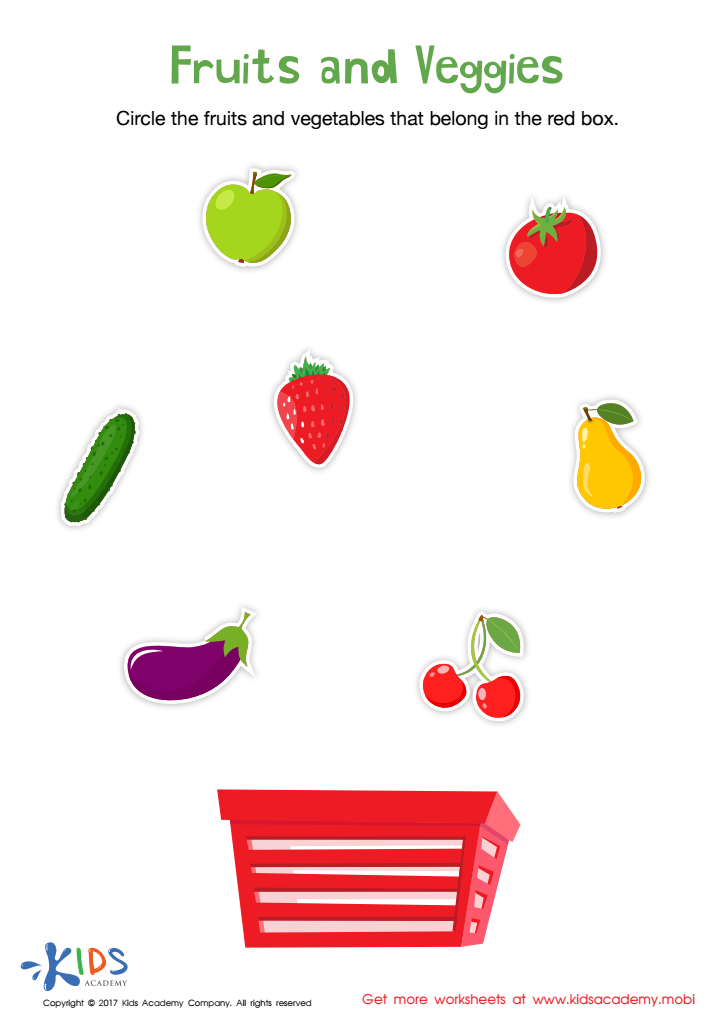
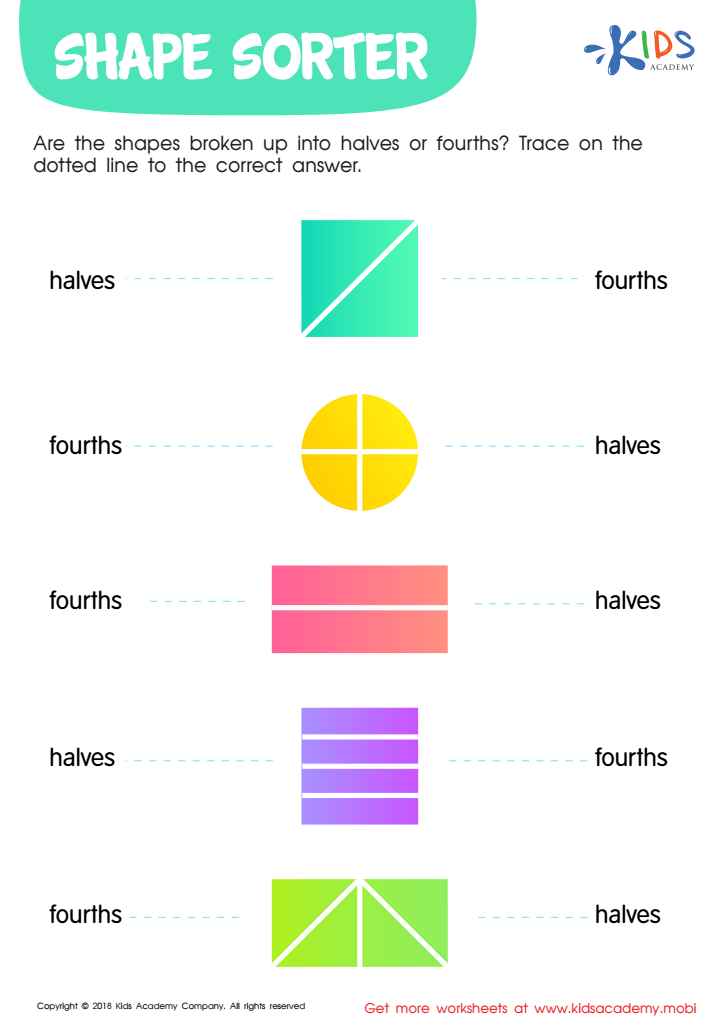
Shape Sorter Worksheet
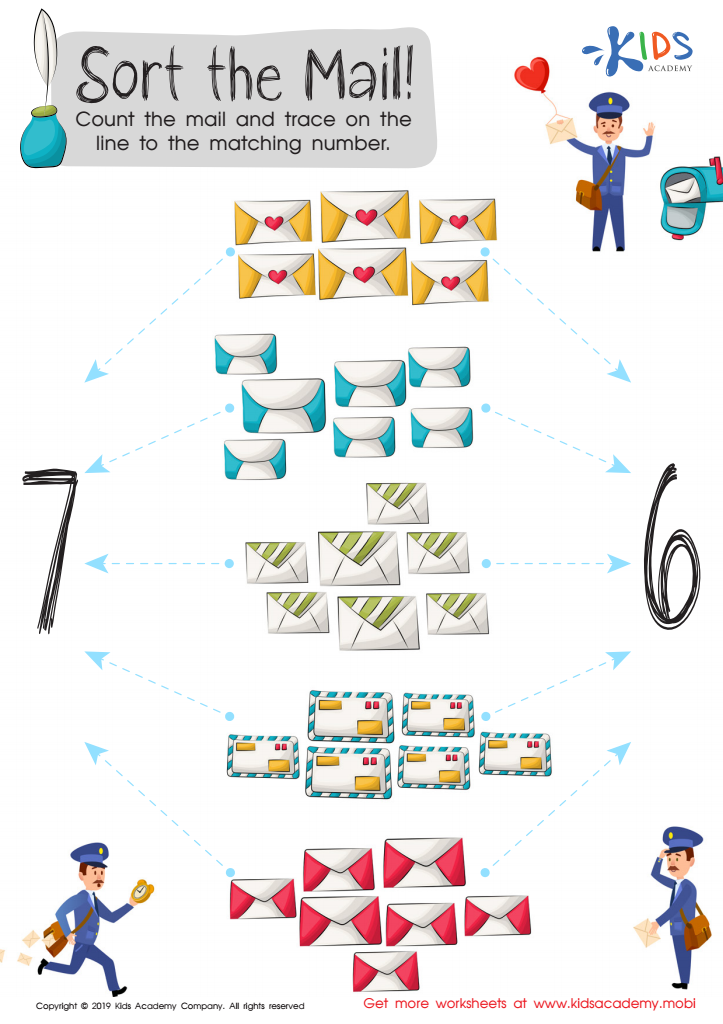
Sort the Mail Worksheet
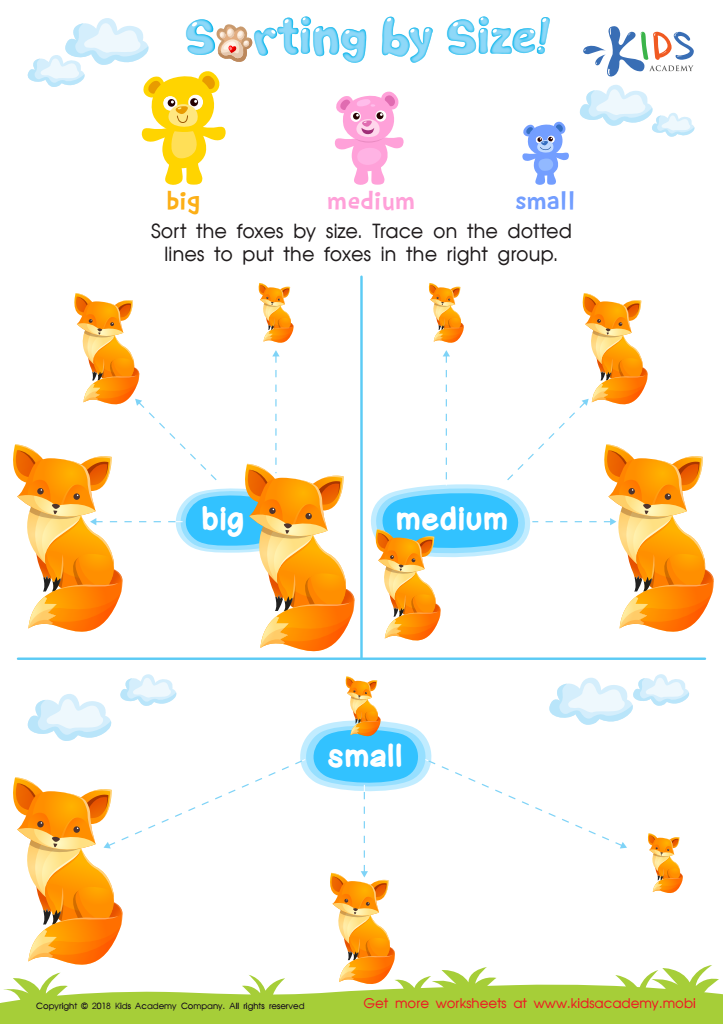
Sorting by Size Worksheet
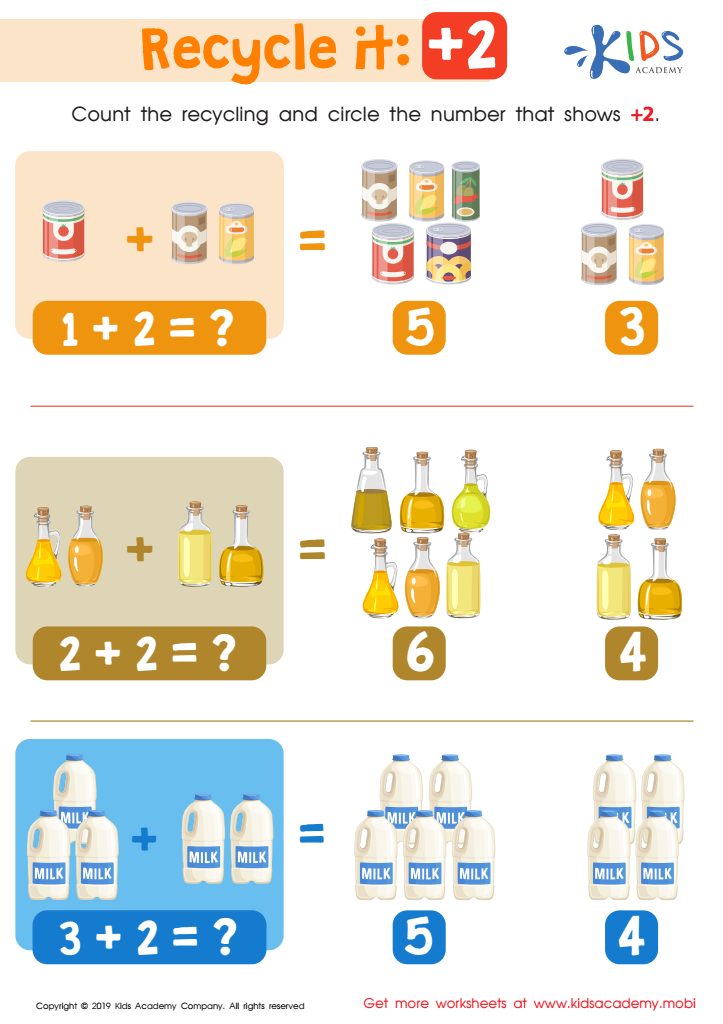
Recycle It: +2 Worksheet
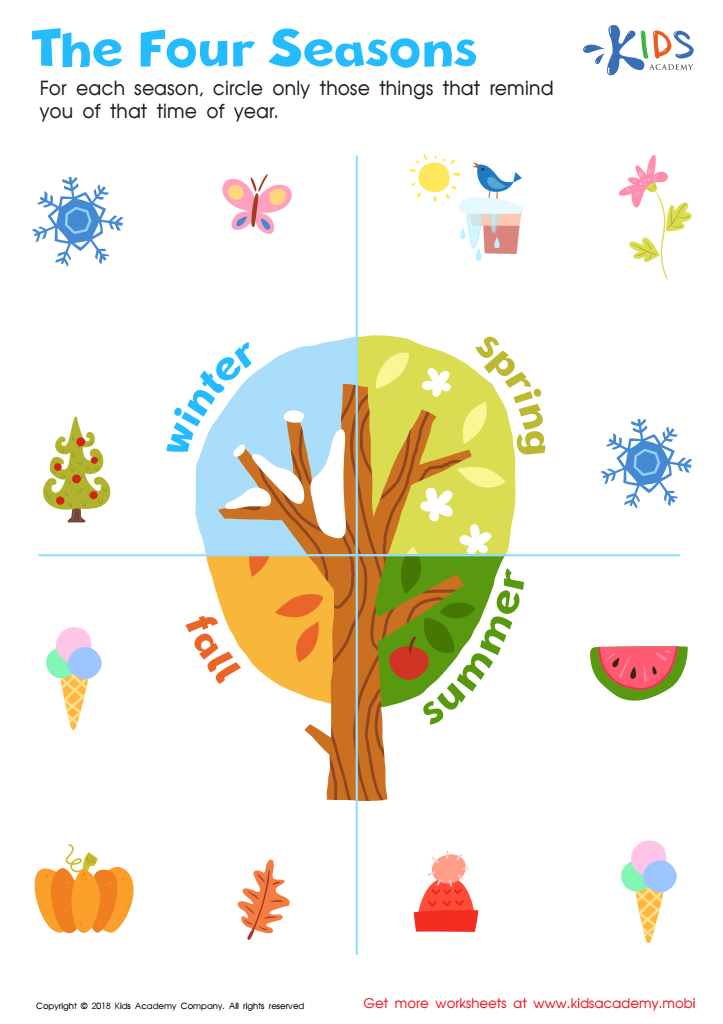
The Four Seasons Worksheet
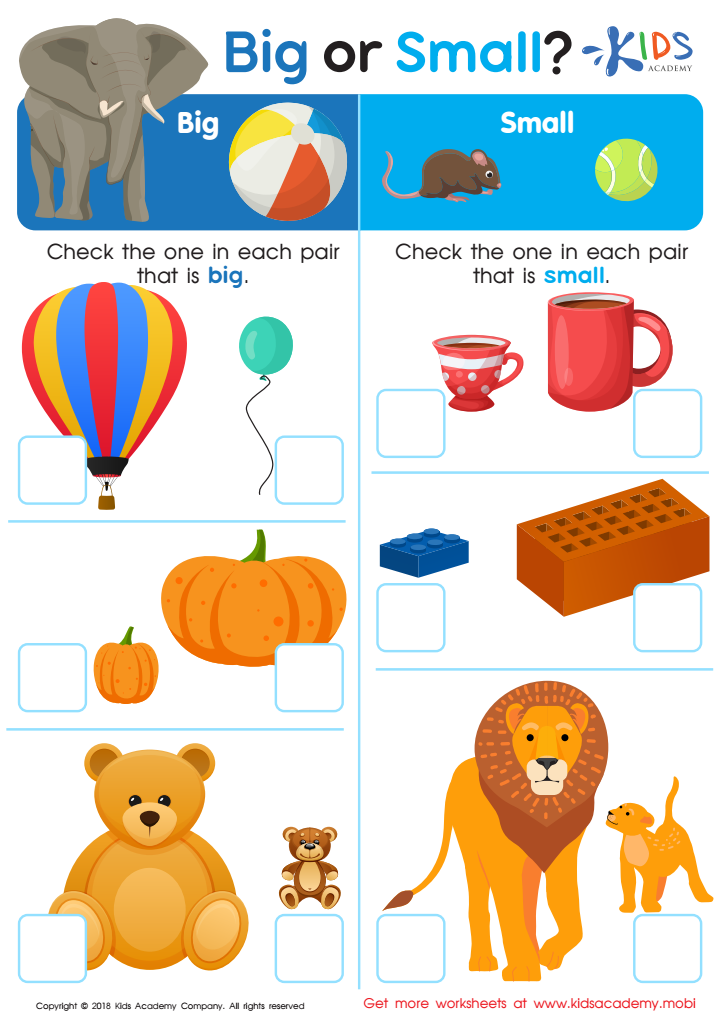
Big or Small? Worksheet




.jpg)



Sorting skills are foundational for early math development in children aged 4-6 and play a crucial role in their cognitive growth, making it vital for parents and teachers to focus on this area. Developing sorting skills helps children recognize and categorize objects based on attributes, such as size, shape, color, and function. This not only enhances critical thinking but also lays the groundwork for more complex mathematical concepts like classification, pattern recognition, and even basic algebra.
Moreover, sorting fosters organizational skills, promoting an understanding of order and sequences, which is essential for learning arithmetic. As children engage in sorting activities, they enhance their language skills by learning vocabulary associated with classification and differentiation. These activities also encourage fine motor skills as children manipulate various objects.
Furthermore, sorting tasks can be integrated into everyday experiences, allowing parents and teachers to make learning relevant and relatable. By cultivating sorting skills early on, adults prepare children for future success not only in math but also in problem-solving and analytical thinking. In a world increasingly driven by data and classification, helping young learners develop these essential skills positions them for better educational outcomes and a more profound appreciation for the structure underlying their environment.








