
Visual comprehension Math Worksheets for Ages 4-6
7 filtered results
Difficulty Level
Grade
Age
-
From - To
Subject
Activity
Standards
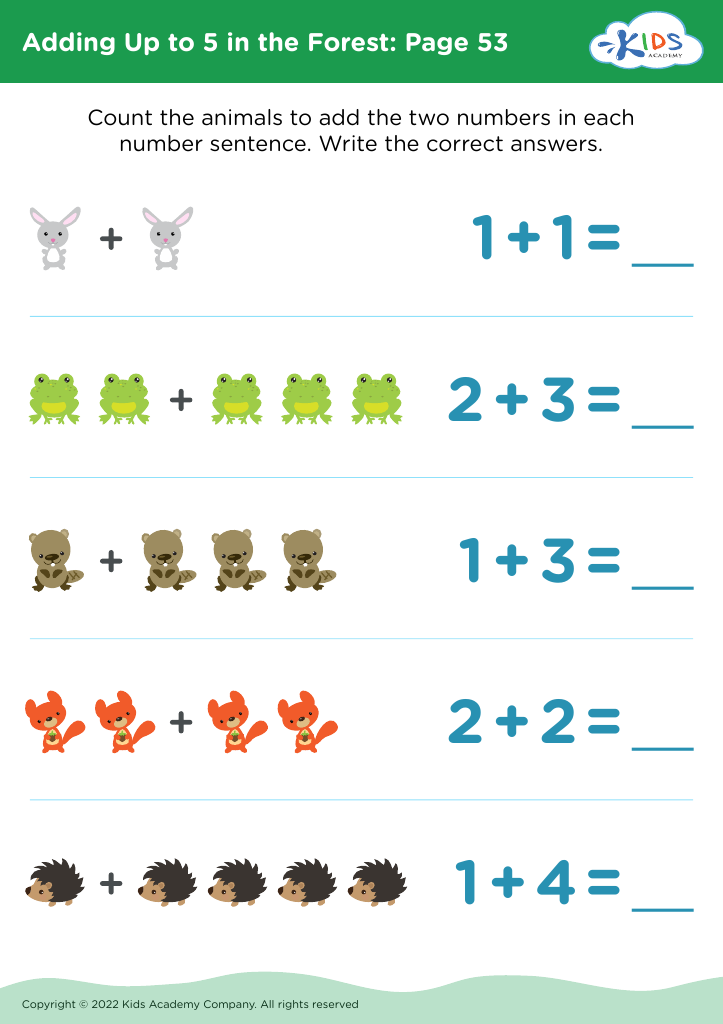
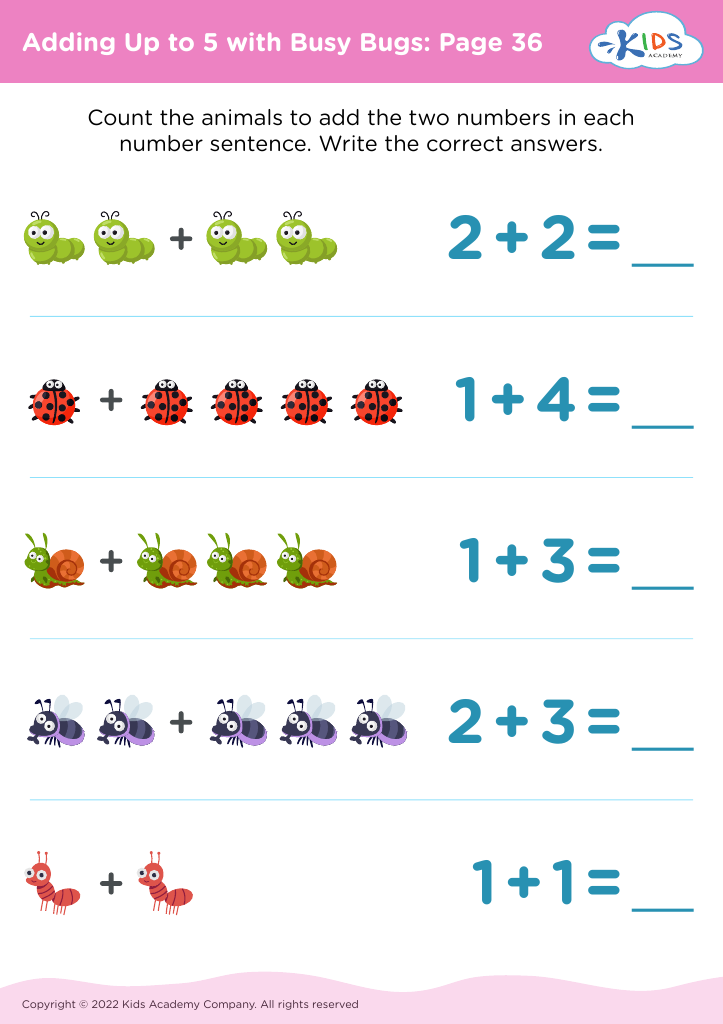
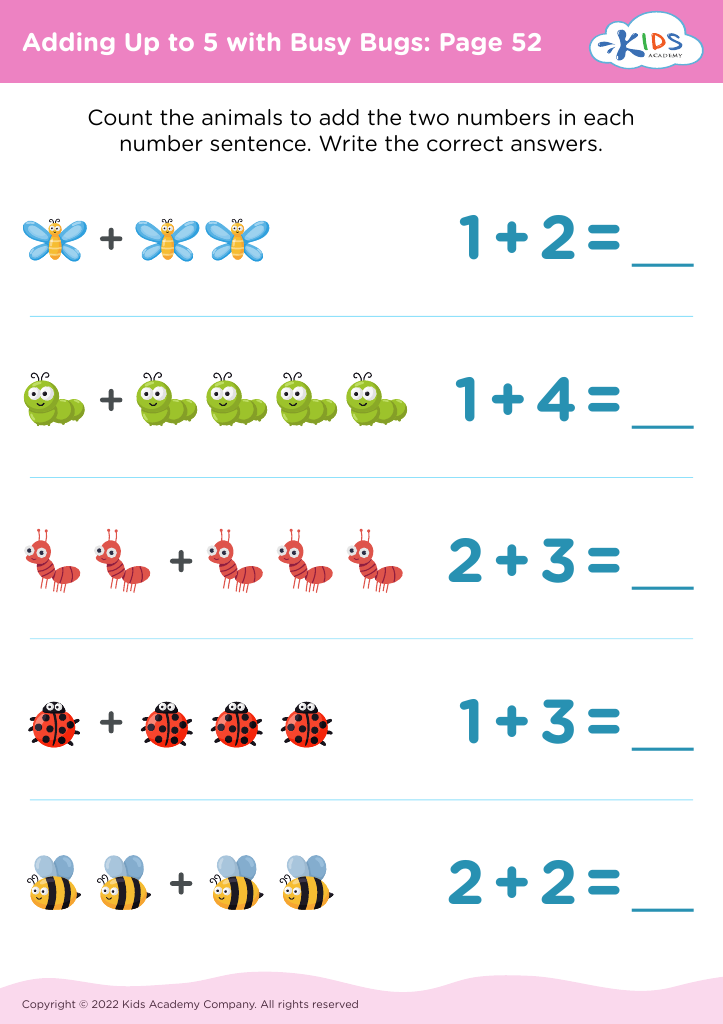
Unlock early math brilliance with our Visual Comprehension Math Worksheets designed for ages 4-6. These engaging and vibrant worksheets focus on improving children’s visual-spatial skills and number sense through fun activities. From shape recognition to pattern identification, each worksheet is crafted to cultivate a love for math at a young age. Ideal for homeschooling and classroom settings, our resources promote cognitive development and confidence in math fundamentals. With consistent practice, your child will build a strong foundation for future math success. Explore our collection today and watch your child thrive in a world of numbers and patterns!
Favorites
With answer key
Interactive
Join Kids Academy for Free
Who is primarily going to use this learning content?








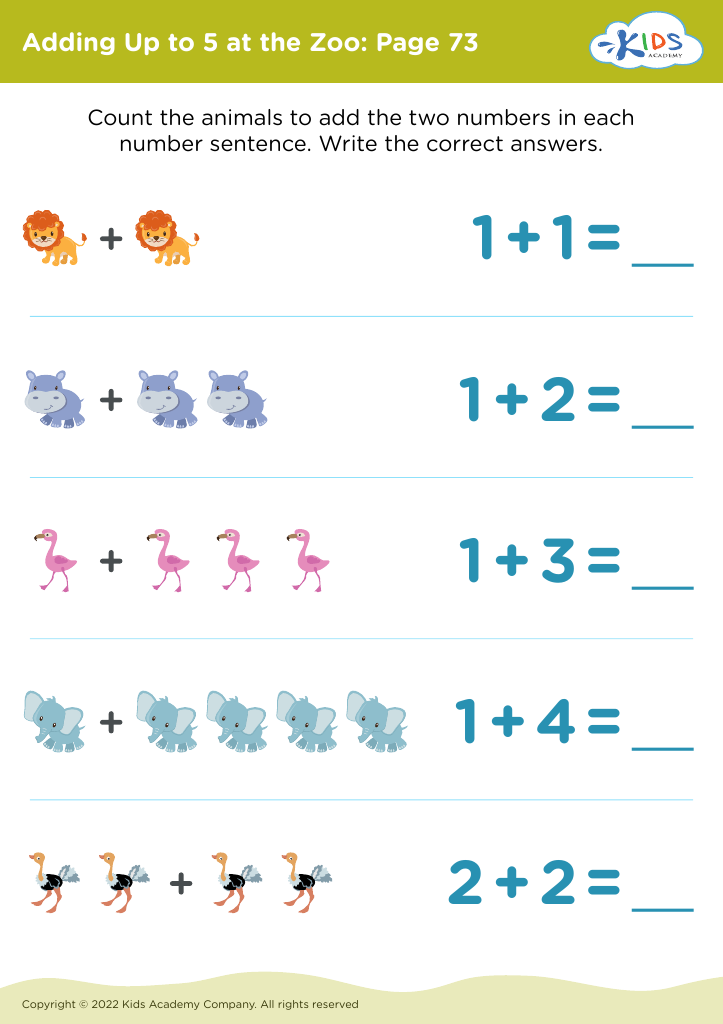
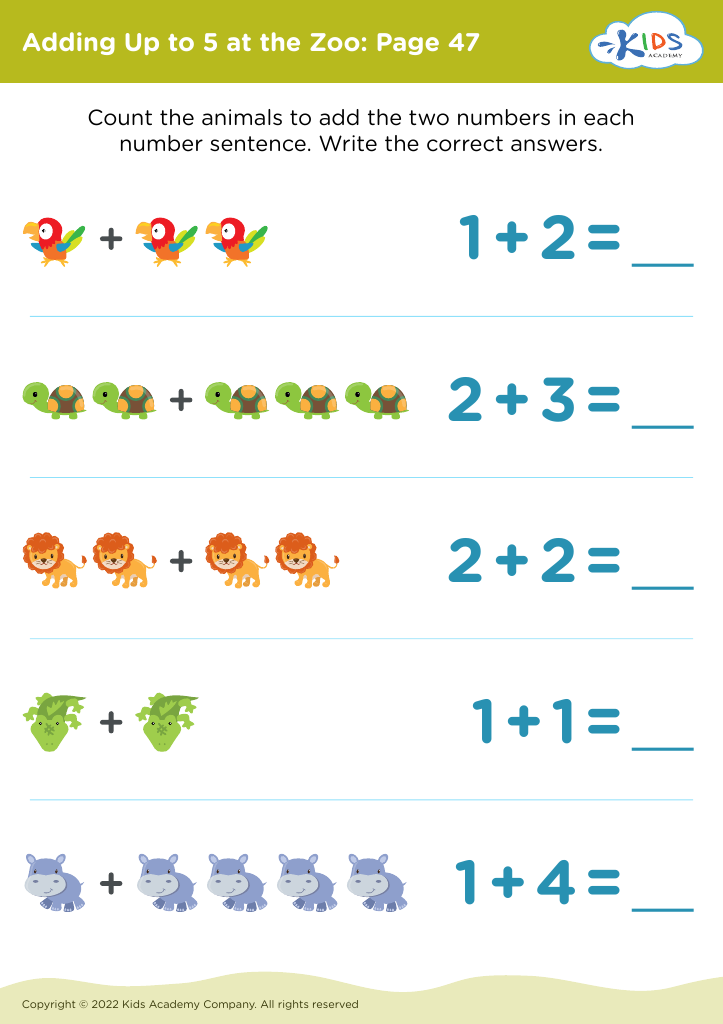
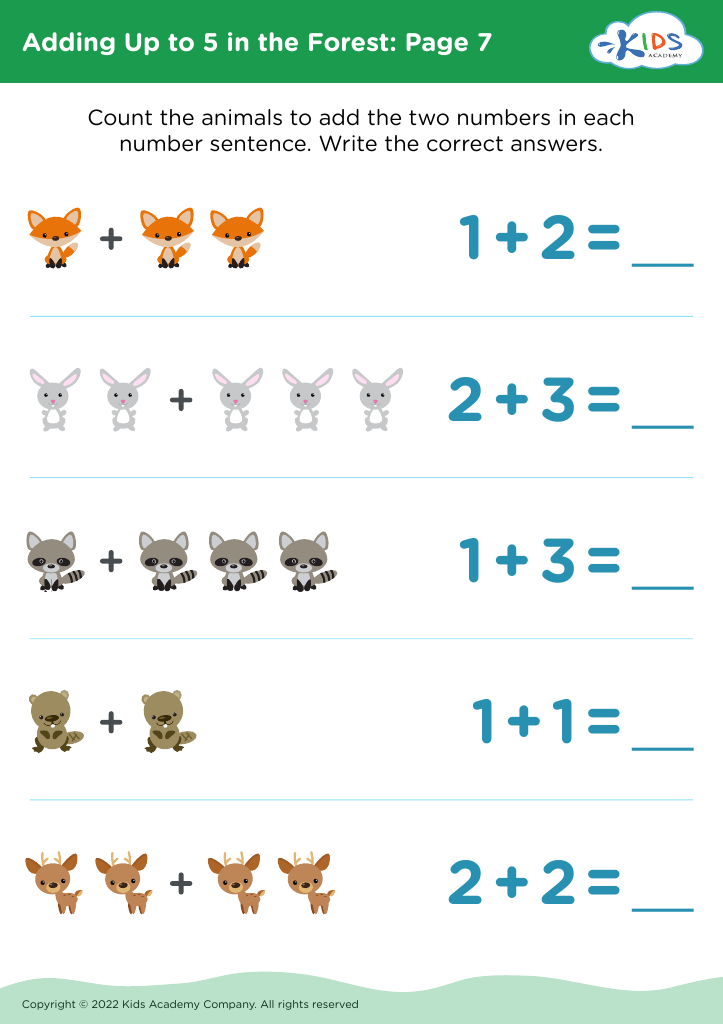
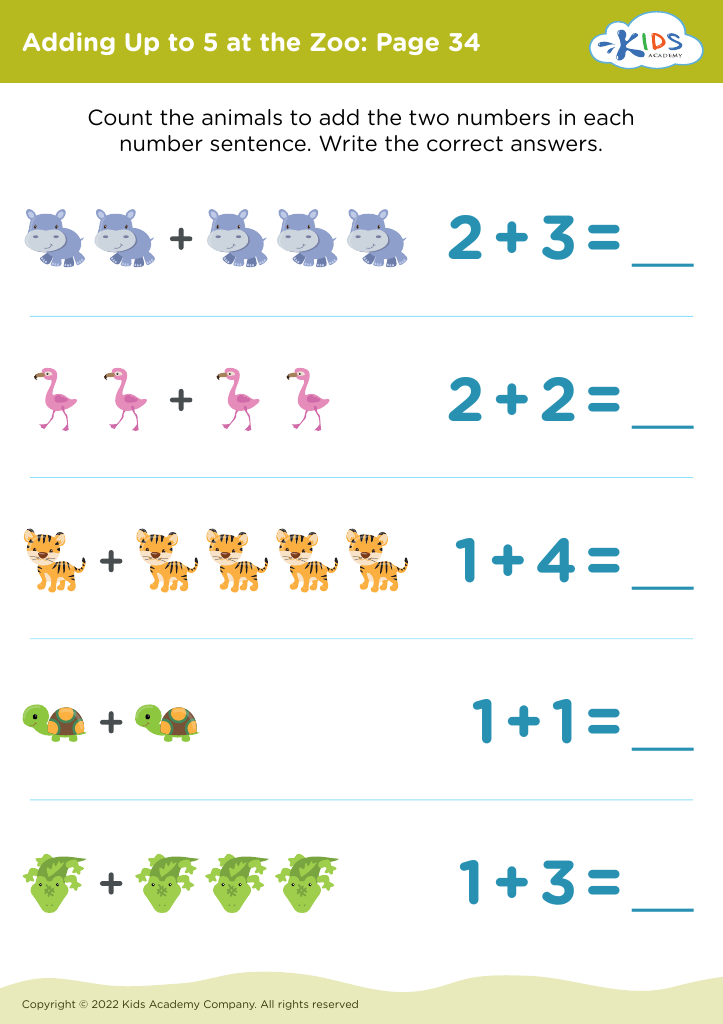
Visual comprehension in math is a critical foundational skill for children ages 4-6, as it shapes their early learning experiences and long-term academic success. At this stage in development, young children are especially receptive to visual and tactile experiences, making visual comprehension crucial for grasping basic math concepts. Children inherently understand and engage with visual information more readily than abstract symbols. By using tools such as counting objects, color-coded patterns, and playful imagery, parents and teachers can create a fun and intuitive learning environment that deeply embeds mathematical principles.
Visual comprehension aids in the development of number sense, which refers to a flexible understanding of numbers and their relationships. For example, children who can visually differentiate between four apples and five apples can more easily comprehend that adding one increases the total. Visual models like number lines, shapes, and graphs also help cement their grasp of patterns, sequencing, and spatial reasoning.
Moreover, cultivating these skills early can boost children's confidence and reduce anxiety around math, setting a positive trajectory for their future education. It fosters critical thinking and problem-solving abilities which are transferrable to other subjects. By investing time and care in enhancing young children's visual comprehension in math, parents and teachers build a solid foundation that supports all areas of a child's cognitive development.








